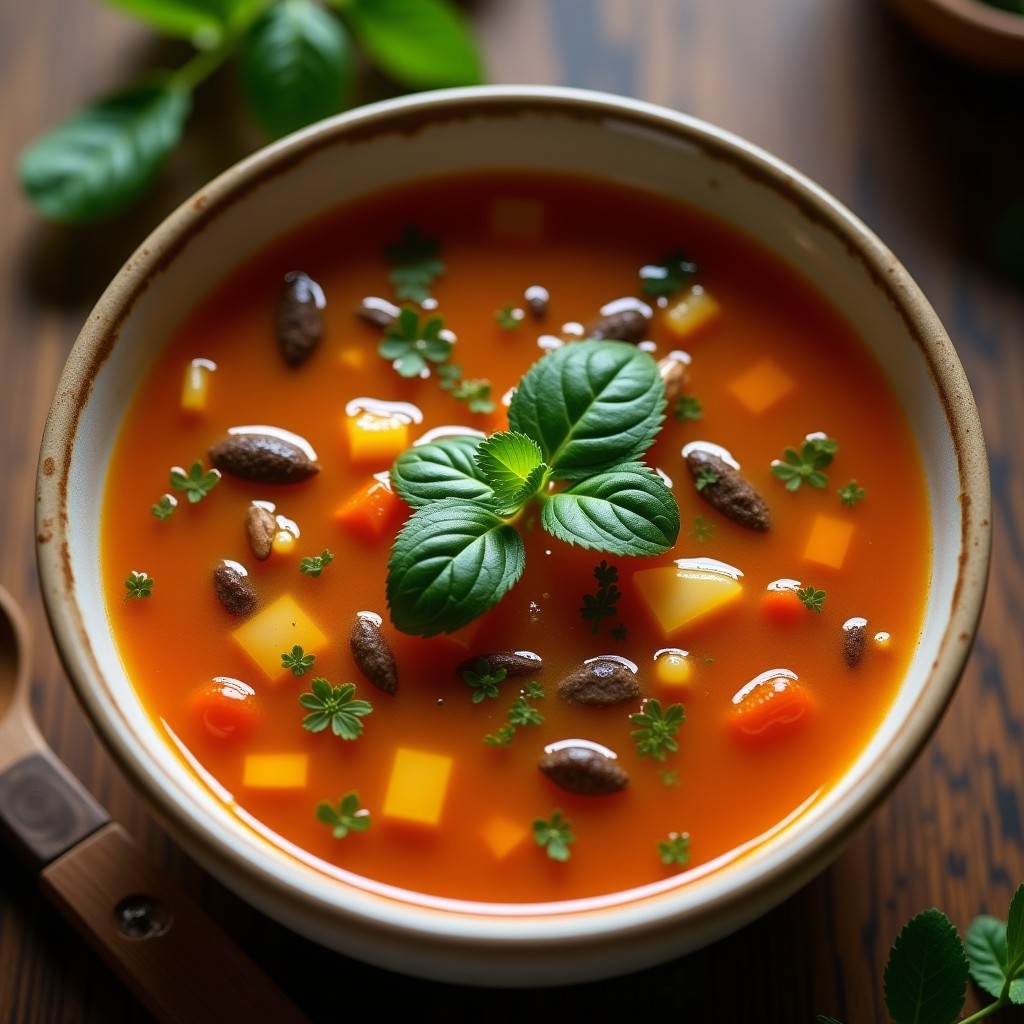
There’s something magical about a steaming bowl of herbal soup on a chilly evening. In my experience, the aroma alone can lift your mood, and the sip that follows delivers a gentle cascade of nutrients. Whether you’re hunting for “herbal soup near me in Delhi” or looking for a quick, nutritious lunch, the herbal soup benefits are worth exploring.
Table of Contents
- Quick Answer
- What Is Herbal Soup Benefits?
- History or Background
- Nutritional Overview
- Health Benefits
- Why People Choose It
- Different Variations
- Best Ingredients
- How to Make It Better
- Common Mistakes
- Expert Tips
- When to Eat It
- Who Should Eat It
- Who Should Avoid It
- How It Fits Into a Healthy Lifestyle
- Buying Tips
- Serving Suggestions
- Storage Tips
- Frequently Asked Questions
- Conclusion
Quick Answer
Herbal soup benefits include improved digestion, boosted immunity, and a calming effect on the nervous system—all wrapped in a low‑calorie, plant‑based meal that fits a healthy lifestyle.
What Is Herbal Soup Benefits?
When we talk about “herbal soup benefits,” we’re really talking about the health perks that come from simmering fresh herbs, spices, and vegetables together. A classic Indian herbal soup might feature coriander, mint, fenugreek, and turmeric, creating a broth that’s both flavorful and nutrient‑dense. Think of it as a liquid garden—every sip delivers vitamins, minerals, and phytochemicals from whole foods.
History or Background
Traditional Indian households have long prepared herbal soups as part of Ayurvedic healing. In the cold winters of the Himalayas, families would brew a simple broth with ginger, garlic, and local herbs to ward off colds. Over time, regional variations blossomed—from the coconut‑laden soups of Kerala to the mustard‑seed spiced broths of Punjab. Today, these soups have crossed borders, finding a place on menus in Bangalore cafés and even in health‑food blogs worldwide.
Nutritional Overview
Herbal soups are typically low in calories yet high in micronutrients. A cup of a well‑balanced broth can provide:
- Vitamin C from seasonal vegetables like tomatoes and bell peppers.
- Iron and calcium from leafy greens such as spinach or kale.
- Antioxidants from herbs like rosemary, thyme, and holy basil.
- Fiber‑rich foods when you add lentils, barley, or quinoa.
Because the ingredients stay in the liquid, water‑soluble vitamins remain intact. Ayurvedic principles often emphasize the importance of fresh, natural ingredients, and modern nutrition science backs that up.
Healthy soup doesn’t have to be complicated. A handful of herbs, a splash of olive oil, and a pinch of sea salt can turn ordinary water into a nourishing elixir.
Health Benefits
Here are the top herbal soup benefits that many nutrition experts recommend:
- Digestive health: Warm broth stimulates gastric juices, while fiber‑rich vegetables support regularity.
- Immune support: Herbs like turmeric and garlic are known for their anti‑inflammatory and antimicrobial properties.
- Hydration: Soups contribute to daily fluid intake, especially useful in hot climates like Mumbai.
- Weight management: Low‑calorie, high‑volume meals keep you full longer, making them ideal for a healthy dinner or lunch.
- Stress reduction: The act of sipping a warm bowl can activate the parasympathetic nervous system, promoting relaxation.
While no single food can cure disease, incorporating herbal soups into a balanced diet may support overall wellness.
Why People Choose It
People gravitate toward herbal soups for several practical reasons:
- Convenience – a one‑pot meal that’s ready in under 30 minutes.
- Versatility – you can switch herbs based on what’s in season.
- Affordability – most ingredients are pantry staples.
- Comfort – the soothing warmth is perfect after a long day.
Sometimes the simplest soups are the most nourishing.
Different Variations
From a light, clear broth to a hearty, creamy puree, the range of herbal soups is vast:
- Mint‑Coriander Chilled Soup: Perfect for a summer lunch in Bangalore.
- Turmeric‑Ginger Lentil Soup: A protein‑packed vegetarian soup ideal for a post‑workout meal.
- Fenugreek‑Tomato Rasam: A tangy, spice‑laden traditional Indian soup that doubles as a digestive aid.
- Herbal Miso Soup: Fusion of Japanese miso with Indian herbs for a umami twist.
Best Ingredients
Choosing the right components can amplify the herbal soup benefits. Here’s my go‑to list:
| Ingredient | Why It Matters |
|---|---|
| Fresh mint | Cooling, aids digestion. |
| Coriander leaves | Rich in antioxidants. |
| Turmeric | Anti‑inflammatory curcumin. |
| Ginger | Boosts immune response. |
| Spinach or kale | Fiber‑rich and iron‑loaded. |
| Seasonal vegetables | Provide vitamins and natural sweetness. |
Fresh ingredients generally retain better flavor when added at the end of cooking.
How to Make It Better
Elevate your soup with these pro tips:
- Toast spices briefly before adding liquid to unlock deeper aromas.
- Finish with a drizzle of cold‑pressed oil for healthy fats and a glossy finish.
- Blend part of the soup for a silky texture while keeping some chunks for bite.
- Season with a splash of lemon juice to brighten the flavors.
Common Mistakes
Even seasoned cooks slip up. Avoid these pitfalls:
- Overcooking herbs – they lose potency and can turn bitter.
- Using too much salt – it masks subtle herbal notes.
- Skipping the sauté step – raw vegetables can make the broth muddy.
- Neglecting to taste as you go – balance is key.
Expert Tips
Many nutrition experts recommend pairing herbal soup with a small side of whole‑grain toast or a handful of nuts to add protein and healthy fats. In my kitchen, I love sprinkling roasted pumpkin seeds on top for extra crunch and magnesium.
When to Eat It
Herbal soups shine as:
- A light breakfast on a busy weekday.
- A soothing dinner after a strenuous workout.
- A mid‑day lunch that keeps you energized without the heaviness of a fried meal.
Because it’s a light meal, it’s also perfect for those who prefer a gentle, easy‑to‑digest option before bedtime.
Who Should Eat It
Anyone looking to incorporate more plant‑based nutrition into their day can benefit. Vegetarians, flexitarians, and even meat‑eaters seeking a break from heavy proteins find herbal soups refreshing. It’s especially good for students, office workers, and seniors who need a nutrient‑dense, easy‑to‑chew option.
Who Should Avoid It
While herbal soup is generally safe, people with specific allergies (e.g., to cilantro or fenugreek) should adjust ingredients accordingly. Those on potassium‑restricted diets may need to limit high‑potassium veggies like tomatoes.
How It Fits Into a Healthy Lifestyle
Integrating herbal soups into your routine supports a balanced diet. They’re low in calories yet high in fiber, making them ideal for weight‑loss foods without starving. Pair a bowl with a side salad of seasonal vegetables for a complete, nutritious meal that fuels both body and mind.
Buying Tips
When shopping for herbs, look for vibrant leaves free of wilting. If you’re buying pre‑packed herbal mixes, check the label for added sodium. Fresh herbs from local markets in Delhi or Mumbai often taste better than supermarket varieties.
Serving Suggestions
Serve your herbal soup hot in a deep bowl, garnish with a sprinkle of chopped cilantro, a drizzle of sesame oil, and a wedge of lemon. Pair with whole‑grain crackers or a small portion of brown rice for a heartier meal.
Storage Tips
Cool the soup to room temperature before refrigerating. It keeps well for up to three days in an airtight container. For longer storage, freeze in portion‑size bags for up to two months. Reheat gently on the stove to preserve the delicate herbal flavors.
Frequently Asked Questions
- What makes herbal soup different from regular vegetable soup?
- Herbal soup emphasizes fresh herbs and spices as the primary flavor drivers, often using Ayurvedic principles to balance taste and health benefits, whereas regular vegetable soup may rely more on vegetables alone.
- Can I make herbal soup vegan?
- Absolutely. Use vegetable broth, skip dairy, and incorporate plant‑based proteins like lentils or tofu for a fully vegan, nutrient‑dense bowl.
- Is herbal soup good for weight loss?
- Because it’s low in calories, high in fiber, and filling, herbal soup can support weight‑loss goals when included as part of a balanced diet.
- How often should I drink herbal soup?
- Many people enjoy a cup a day, especially during colder months, but there’s no strict rule—listen to your body and enjoy it whenever you crave a light, nourishing meal.
- Can herbal soup help with digestion?
- The warm broth and digestive‑friendly herbs like ginger and mint may aid gastric motility and reduce bloating, making it a gentle option for digestive health.
- What are some quick herbal soup recipes for busy people?
- A 10‑minute mint‑coriander broth, a 15‑minute turmeric‑ginger lentil soup, or a pre‑made herbal mix simmered with canned tomatoes are all fast, tasty choices.
- Is it safe to give herbal soup to children?
- Yes, as long as you avoid overly spicy versions and check for any herb allergies, a mild herbal soup can be a nutritious addition to a child’s diet.
- Can I find herbal soup near me in Bangalore?
- Many health cafés and street food stalls in Bangalore offer fresh herbal soups daily. Look for signs advertising “herbal broth” or ask for “herbal soup” at local Indian restaurants.
- Does herbal soup boost immunity?
- While it’s not a cure‑all, ingredients like turmeric, garlic, and ginger have immune‑supporting properties that may help the body fend off common colds.
- How do I store leftover herbal soup?
- Cool it quickly, store in a sealed container in the fridge for up to three days, or freeze in portions for longer shelf life.
Conclusion
Exploring the herbal soup benefits reveals a simple, delicious path to better health. From boosting immunity to supporting digestion, a well‑crafted bowl fits seamlessly into a healthy lifestyle, whether you’re enjoying a light lunch in Delhi, a comforting dinner in Mumbai, or a quick snack in Bangalore. Ready to taste the difference? Dive into our collection of vegetarian soups and discover how a cup of wholesome broth can become your new favorite wellness ritual.
Looking for more inspiration? Check out our Best Immunity Boosting Soup, learn why soup might be better than rice at night, or explore weight loss foods without starving. Happy sipping!