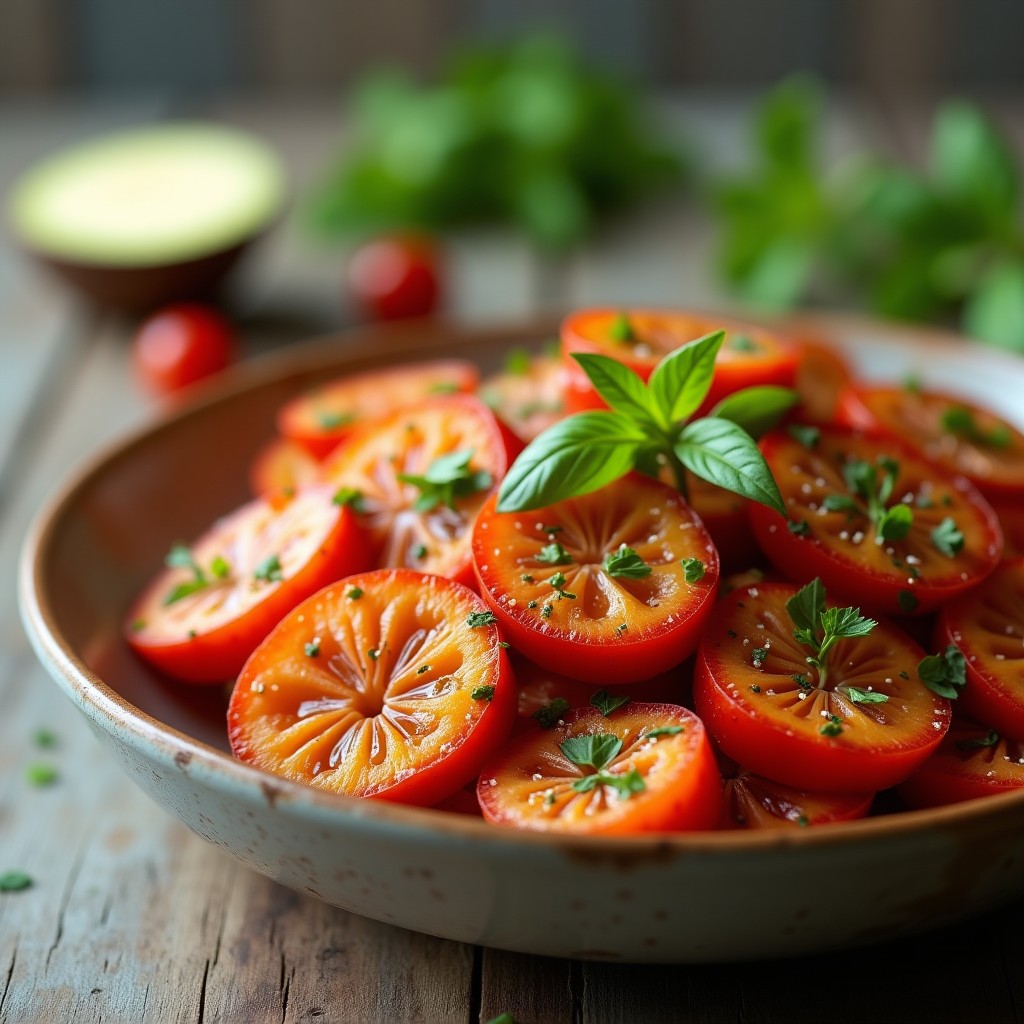
When the phrase “weight loss” pops up, many of us picture endless salads, calorie‑counting apps, and the dreaded feeling of hunger. In my years as a food journalist and nutrition researcher, I’ve seen a different story unfold—one where flavorful, nutrient‑dense dishes keep you satisfied while gently nudging the scale in the right direction. This guide dives deep into weight loss foods without starving, highlighting how smart ingredient choices, especially soups, can make the journey enjoyable and sustainable.
Table of Contents
- Quick Answer
- What Is Weight Loss Foods Without Starving?
- History or Background
- Nutritional Overview
- Health Benefits
- Why People Choose It
- Different Variations
- Best Ingredients
- How to Make It Better
- Common Mistakes
- Expert Tips
- When to Eat It
- Who Should Eat It
- Who Should Avoid It
- How It Fits Into a Healthy Lifestyle
- Buying Tips
- Serving Suggestions
- Storage Tips
- Snippet‑Ready Definitions
- Frequently Asked Questions
- Conclusion
Quick Answer
If you’re looking for a simple, science‑backed answer: choose whole, fiber‑rich foods that are low in energy density, pair them with plenty of water‑based soups, and eat mindfully. The result? You feel full, nourished, and you’re less likely to overeat.
What Is Weight Loss Foods Without Starving?
In plain terms, these are foods that provide a high volume of nutrients and fiber while delivering fewer calories per gram. Think of dishes that are rich in water, protein, and complex carbs—like a bowl of vegetarian soup brimming with seasonal vegetables. The principle is simple: fill up on foods that bulk up your plate without adding a lot of extra calories.
History or Background
Traditional Indian households have long relied on soups and stews—such as dal soup or spiced vegetable broths—to aid digestion and provide comfort during colder months. These recipes were never about restriction; they were about balance. Over the past two decades, nutrition science has validated what generations already practiced: a diet rich in whole foods and light, broth‑based meals can support a healthy weight.
Nutritional Overview
Here’s a snapshot of what makes these foods work:
- Fiber‑rich foods: carrots, beans, lentils, and leafy greens add bulk and slow glucose absorption.
- Protein sources: paneer, tofu, chickpeas, and low‑fat dairy keep muscle mass intact.
- Water content: soups and broths increase satiety with minimal calories.
- Healthy fats: a drizzle of mustard oil or a handful of nuts supplies essential fatty acids.
Combining these elements creates meals that are both satisfying and supportive of weight management.
Health Benefits
Beyond weight control, these foods can:
- Boost immune‑supporting foods intake thanks to antioxidants in tomatoes and turmeric.
- Enhance digestive health through soluble fiber that feeds good gut bacteria.
- Stabilize blood sugar, reducing cravings for sugary snacks.
- Provide essential vitamins and minerals needed for overall wellness.
Why People Choose It
Many readers tell me they love the feeling of “eating a full plate” without the guilt. The psychological benefit of seeing a steaming bowl of soup, colorful veggies, and a sprinkle of herbs can be just as powerful as the nutritional advantage.
Different Variations
From the classic tomato soup to regional specialties like Rasam or Mulligatawny, the world of soups offers endless variety. Below are a few popular categories:
- Traditional Indian soups: lentil rasam, spiced carrot shorba.
- Western vegetable soups: minestrone, butternut squash bisque.
- Protein‑focused soups: chickpea and spinach broth, tofu miso soup.
Each can be tailored to your taste and nutritional goals.
Best Ingredients
When building a soup that supports weight loss without starving, start with a base of low‑sodium broth. Add a mix of:
- Seasonal vegetables (e.g., zucchini, bell peppers, cauliflower)
- Legumes or pulses (e.g., red lentils, black beans)
- Whole grains in moderation (e.g., quinoa, brown rice)
- Fresh herbs (coriander, mint, basil) for flavor without extra calories
- A touch of healthy fat (a teaspoon of ghee or a splash of olive oil)
Fresh ingredients generally retain better flavor when added at the end of cooking.
How to Make It Better
Here are three tricks I’ve used in my kitchen to elevate soups while keeping them light:
- Blend part of the soup—this creates a creamy texture without cream.
- Season with spices like cumin, turmeric, and black pepper; they add depth and may support metabolism.
- Finish with a squeeze of citrus (lemon or lime) to brighten flavors and aid digestion.
Common Mistakes
Even seasoned cooks slip up. Avoid these pitfalls:
- Using store‑bought broth high in sodium—opt for homemade or low‑sodium versions.
- Adding too many starchy carbs, which can spike calories quickly.
- Skipping the protein component, leading to faster hunger rebound.
Expert Tips
Many nutrition experts recommend a “soup first” strategy: start your meal with a cup of broth‑based soup. In my experience, this habit reduces overall calorie intake by 10‑15 % because you feel fuller sooner.
When to Eat It
Soup works well as a healthy lunch or a light healthy dinner. Pair a bowl of vegetable soup with a side salad for a balanced meal, or enjoy a pureed soup as a comforting pre‑workout snack.
Who Should Eat It
Anyone looking to manage weight, improve digestive health, or simply enjoy a nourishing meal can benefit. It’s especially suitable for:
- Busy professionals seeking quick, nutritious options.
- Vegetarians and vegans who need protein‑rich plant foods.
- Seniors who prefer softer textures while maintaining nutrient intake.
Who Should Avoid It
People with specific medical conditions—such as severe kidney disease that requires low potassium—should customize ingredients accordingly. Always consult a registered dietitian if you have unique health concerns.
How It Fits Into a Healthy Lifestyle
Integrating these foods into daily routines aligns with a balanced diet and supports a healthy lifestyle. Pair soups with regular physical activity, adequate sleep, and mindful eating for best results.
Buying Tips
When shopping for ingredients, keep these pointers in mind:
- Choose organic, seasonal vegetables for peak flavor and nutrition.
- Look for dry legumes without added preservatives.
- Read labels on canned broth—opt for low‑sodium or make your own.
For more ideas on quick, nutritious meals, check out our Best Soup for Busy Professionals guide.
Serving Suggestions
Serve soup hot in a wide‑bowl to enhance aroma. Add a garnish of toasted seeds or a sprinkle of fresh herbs for texture. Pair with a slice of whole‑grain toast or a small side of quinoa for a complete, satisfying plate.
Storage Tips
Soups keep well in the fridge for up to four days. Store in airtight containers and reheat gently on the stove—avoid boiling, which can break down delicate nutrients. Freeze larger batches in portion‑size containers; they last three months and are perfect for busy weeks.
Snippet‑Ready Definitions
What is Mushroom Soup?
Mushroom soup is a creamy, broth‑based dish made from sautéed mushrooms, onions, garlic, and vegetable stock, often thickened with a splash of plant‑based milk. It’s low in calories, high in fiber, and provides vitamin D and antioxidants.
Is Tomato Soup Healthy?
Yes. Tomato soup delivers lycopene, vitamin C, and potassium while being low in calories. When prepared with fresh tomatoes and minimal added sugar, it fits perfectly into a weight‑loss plan without leaving you hungry.
Why is Herbal Soup Popular?
Herbal soups combine water‑rich broths with herbs like mint, cilantro, and basil. The herbs add flavor, antioxidants, and may aid digestion, making the soup both soothing and supportive of a healthy metabolism.
Frequently Asked Questions
Can I lose weight by eating soup every day?
Eating soup daily can aid weight loss if the soups are nutrient‑dense, low in added fats, and part of a balanced diet. It helps control portions and increases vegetable intake, which may support a gradual, sustainable weight loss.
Do I need to count calories when I eat these foods?
While strict calorie counting isn’t mandatory, being aware of portion sizes—especially for high‑calorie ingredients like nuts or oil—helps ensure you stay within your energy goals.
Are there any soups that are especially good for boosting metabolism?
Spicy soups featuring ginger, turmeric, and black pepper can slightly raise metabolism due to their thermogenic properties. A lentil rasam with these spices is a tasty example.
How much soup should I eat per meal?
A typical serving is about 1 to 1.5 cups (250‑350 ml). Pair it with a small side of protein or whole grains for a complete meal.
Can I use a slow cooker for these soups?
Absolutely. Slow cookers are great for developing deep flavors while preserving nutrients. Just add delicate greens toward the end to keep their bright color and texture.
Is it okay to add cream or cheese to keep the soup tasty?
In moderation. A tablespoon of low‑fat yogurt or a sprinkle of grated paneer can add richness without significantly increasing calories.
Do these soups work for a vegan diet?
Yes. Replace dairy with plant‑based milks or coconut cream, and use vegetable broth. Legumes and tofu provide ample protein for vegans.
What’s the best time of day to have soup for weight loss?
Many find a warm soup at lunch or dinner keeps them full longer, reducing late‑night snacking. However, any time that fits your schedule works as long as you stay consistent.
Can I freeze soup with fresh herbs?
Fresh herbs lose some flavor when frozen, but you can add a handful of chopped herbs after reheating for a fresh boost.
How do I know if a soup is low‑sodium?
Check the nutrition label for sodium content—aim for less than 140 mg per cup. Homemade broth gives you full control over salt levels.
Conclusion
Choosing weight loss foods without starving doesn’t mean sacrificing taste or satisfaction. By focusing on whole, fiber‑rich ingredients and embracing the humble soup, you can enjoy meals that fill you up, nourish your body, and support a healthy lifestyle. Ready to explore more? Dive into our collection of healthy vegetarian soups and discover new flavors that keep you both light and delighted.