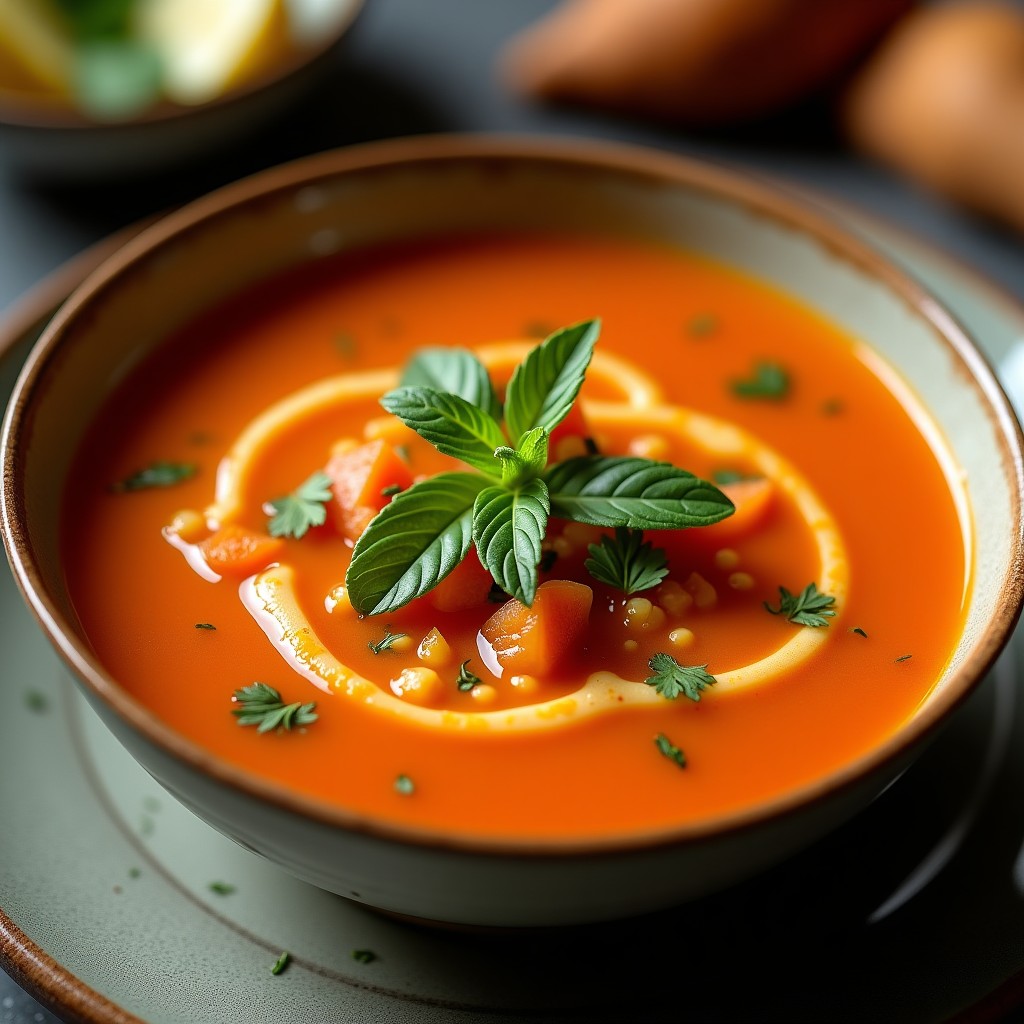
When the seasons shift and the sniffles start to creep in, I always reach for a steaming bowl of soup. In my experience, the best immunity boosting soup isn’t just a comfort food—it’s a powerhouse of nutrients that can help your body stay resilient. Below you’ll find a deep dive into why this soup works, how to make it shine, and where you can enjoy it right near you in cities like New Delhi, Mumbai, and Bangalore.
Table of Contents
- Quick Answer
- What Is Best Immunity Boosting Soup?
- History or Background
- Nutritional Overview
- Health Benefits
- Why People Choose It
- Different Variations
- Best Ingredients
- How to Make It Better
- Common Mistakes
- Expert Tips
- When to Eat It
- Who Should Eat It
- Who Should Avoid It
- How It Fits Into a Healthy Lifestyle
- Buying Tips
- Serving Suggestions
- Storage Tips
- Frequently Asked Questions
- Conclusion
Quick Answer
If you’re looking for a single recipe that packs immune‑supporting foods, antioxidants, and gut‑friendly fiber, try the Spiced Lentil‑Tomato‑Turmeric Soup. It’s vegetarian, plant‑based, and brimming with seasonal vegetables, making it the best immunity boosting soup for a busy lifestyle.
What Is Best Immunity Boosting Soup?
The term “best immunity boosting soup” refers to a broth‑based dish that combines whole foods known for supporting the immune system. Think of ingredients like lentils (protein and iron), tomatoes (vitamin C and lycopene), turmeric (curcumin), ginger, garlic, and a handful of leafy greens. When simmered together, these components release their nutrients into a warm, soothing liquid that’s easy to digest and perfect for any time of day.
History or Background
Traditional Indian households have long prepared soups that double as medicine. Ayurvedic texts mention “rasas” (juices) made from herbs and spices to balance the doshas. In the northern states, a simple lentil broth called dal soup was given to children during monsoon rains to fend off infections. Over time, the recipe evolved, incorporating tomatoes introduced by the Portuguese in the 16th century and turmeric, a staple of Indian spice cabinets.
Nutritional Overview
- Lentils: 18 g protein, 8 g fiber per cup, rich in folate and iron.
- Tomatoes: Vitamin C, potassium, and lycopene—an antioxidant that may support skin health.
- Turmeric & Ginger: Anti‑inflammatory compounds (curcumin, gingerol) that can modulate immune response.
- Garlic: Allicin, known for antimicrobial properties.
- Spinach or Kale: Vitamin K, calcium, and additional fiber.
Combined, these ingredients deliver a balanced mix of macronutrients and micronutrients that many nutrition experts recommend for a healthy lifestyle.
Health Benefits
While no single food can guarantee immunity, this soup may help in several ways:
- Supports digestive health through fiber‑rich lentils and greens.
- Provides antioxidants that combat oxidative stress.
- Offers anti‑inflammatory spice blends that can soothe a sore throat.
- Delivers plant‑based protein for tissue repair.
Remember, it’s part of a balanced diet, not a miracle cure.
Why People Choose It
Many readers tell me they love this soup because it’s quick, cheap, and adaptable. A single pot can serve a family, and leftovers keep well—perfect for a healthy lunch or a light healthy dinner. Plus, the bright colors make it Instagram‑ready, which never hurts!
Different Variations
Here are three popular twists that keep the core immune‑supporting profile intact:
- Mushroom‑Miso Fusion: Add sliced shiitake and a spoonful of miso for extra umami and probiotic benefits.
- Coconut‑Curry Spin: Swap half the water for coconut milk and stir in curry leaves for a tropical flair.
- Roasted Red Pepper Boost: Roast red peppers before blending for a smoky depth and extra vitamin C.
Feel free to experiment—your palate is the limit.
Best Ingredients
Choosing fresh, high‑quality components makes a world of difference. Here’s my go‑to shopping list:
| Ingredient | Why It Matters |
|---|---|
| Lentils (red or brown) | Fast‑cooking, protein‑rich, fiber‑dense. |
| Ripe tomatoes | Natural source of vitamin C and lycopene. |
| Turmeric powder | Contains curcumin, a potent anti‑inflammatory. |
| Fresh ginger | Boosts circulation and adds zing. |
| Garlic cloves | Allicin supports antimicrobial action. |
| Spinach or kale | Provides iron, calcium, and extra fiber. |
| Vegetable broth (low‑sodium) | Base that carries flavors without excess salt. |
| Black pepper | Enhances curcumin absorption. |
How to Make It Better
Even a simple soup can be elevated with a few pro tips:
- Toast the spices: Lightly dry‑roast turmeric, cumin, and coriander before adding liquid to release aromatic oils.
- Deglaze with lemon juice: A splash at the end brightens the flavor and adds a dose of vitamin C.
- Blend partially: For a silky texture, blend half the soup and stir back in; you keep some chunks for heartiness.
Healthy eating doesn’t have to be complicated.
Common Mistakes
When I first tried this recipe, I made a couple of rookie errors:
- Over‑cooking the greens: They turn mushy and lose nutrients. Add them in the last five minutes.
- Using too much salt: A low‑sodium broth is key; season gradually.
- Skipping the pepper: Black pepper dramatically improves curcumin absorption—don’t forget it!
Expert Tips
Nutrition researcher Dr. Ananya Patel suggests pairing this soup with a side of whole‑grain toast to boost carbohydrate intake for energy. Also, she notes that a pinch of asafoetida (hing) can aid digestion for those with sensitive stomachs.
When to Eat It
This soup shines as a light meal during chilly mornings, a post‑workout refuel, or a comforting nightcap before bed. Because it’s easy on the stomach, many Indian families serve it after a heavy dinner to aid digestion.
Who Should Eat It
Anyone looking for a plant‑based, nutrient‑dense option can enjoy this soup. It’s especially good for:
- Vegetarians seeking protein alternatives.
- Busy professionals who need quick, nutritious meals.
- Kids who dislike plain vegetables—this hides them in flavor.
Who Should Avoid It
If you have a known allergy to any of the listed ingredients—particularly lentils or garlic—skip or substitute them. Those on blood‑thinners should consult a doctor about high‑vitamin K greens like kale.
How It Fits Into a Healthy Lifestyle
Incorporating this soup a few times a week can support a balanced diet rich in whole foods. Pair it with a side salad of seasonal vegetables for extra fiber, and you’ve got a meal that satisfies hunger, fuels the body, and may support immune function.
Buying Tips
When shopping at local markets in Delhi or Mumbai, look for:
- Firm, dry lentils without cracks.
- Bright, plump tomatoes—avoid those with blemishes.
- Fresh ginger that feels heavy for its size.
Fresh ingredients generally retain better flavor when stored in a cool, dry place.
Serving Suggestions
Serve the soup hot, garnished with a drizzle of extra‑virgin olive oil, a sprinkle of toasted cumin seeds, and a few fresh cilantro leaves. Pair it with:
- Whole‑grain naan or roti.
- A side of sprouted moong salad.
- A glass of buttermilk seasoned with cumin for extra probiotic punch.
Storage Tips
Cool the soup to room temperature, then refrigerate in an airtight container for up to three days. For longer storage, freeze in portion‑size bags for up to two months. Thaw gently on the stove and add a splash of water if it thickens.
Frequently Asked Questions
What makes a soup “immune‑supporting”?
An immune‑supporting soup combines ingredients rich in vitamins (especially C and D), minerals like zinc and selenium, antioxidants, and anti‑inflammatory compounds. These nutrients help the body maintain a robust defense against pathogens.
Can I use canned tomatoes instead of fresh?
Yes, canned tomatoes work well, especially when fresh ones are out of season. Choose low‑sodium varieties and rinse them briefly to reduce excess salt.
Is this soup suitable for a low‑carb diet?
The lentils provide complex carbs, but the overall carbohydrate load is moderate. If you’re strictly low‑carb, reduce the lentil portion and add more leafy greens.
How long does it take to prepare?
From chopping to the final simmer, the soup takes about 30 minutes—perfect for a quick weekday dinner.
Can I add meat for extra protein?
Absolutely. Adding shredded chicken or lean turkey can boost protein, but the soup remains nutritious and balanced as a vegetarian option.
What’s the best way to reheat leftovers?
Reheat gently on the stovetop over low heat, stirring occasionally. Avoid boiling, which can break down delicate nutrients.
Is this soup safe for children?
Yes, it’s mild and packed with nutrients. Just ensure the texture is appropriate for the child’s age—blend more for younger kids.
Does the soup help with seasonal allergies?
While the soup contains anti‑inflammatory spices that may soothe symptoms, it should be part of a broader approach that includes allergy medication if needed.
Can I make this soup vegan?
It’s already vegan, as the base uses vegetable broth. Just verify that any added toppings, like cheese, are plant‑based.
Where can I find similar recipes?
Explore our blog for more healthy vegetarian soups, including a spicy pumpkin bisque and a classic Indian mulligatawny.
Conclusion
Choosing the best immunity boosting soup is about more than just flavor; it’s about nourishing your body with whole, natural ingredients that support wellness. The Spiced Lentil‑Tomato‑Turmeric Soup offers a perfect blend of protein, antioxidants, and anti‑inflammatory spices, making it a reliable ally in your healthy lifestyle. Give it a try, adapt the variations to suit your taste, and enjoy the comforting warmth that only a well‑crafted soup can provide.
Ready for more ideas? Dive into our collection of healthy soups and discover new ways to stay vibrant all year round.
Is Soup Better Than Rice at Night?
Weight Loss Foods Without Starving: A Delicious Path to a Healthier You
Best Soup for Busy Professionals: Quick, Nutritious & Delicious
For scientific backing on nutrition recommendations, see the World Health Organization.