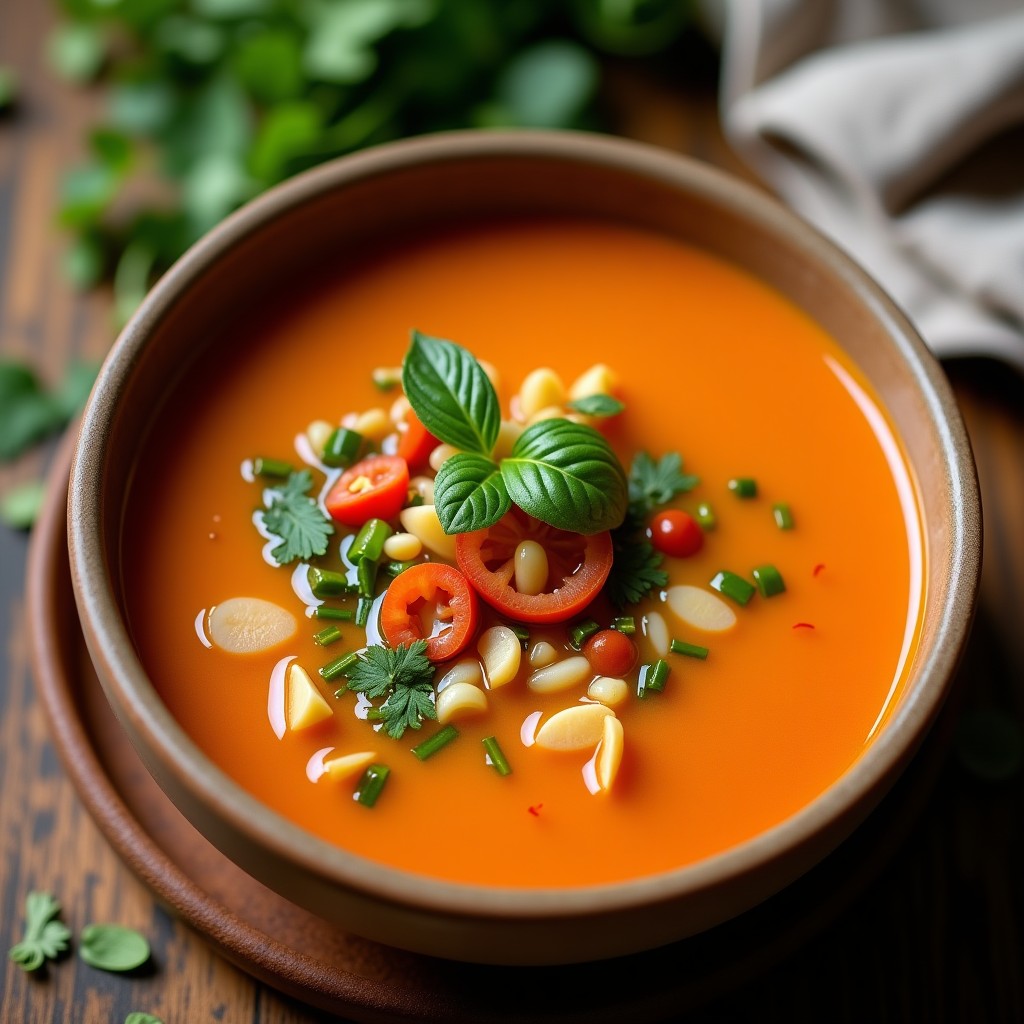
When I first started exploring the world of soups, I never imagined that a simple bowl could become the cornerstone of a healthy lifestyle with soup. From the bustling streets of Mumbai to the quiet kitchens of Mysore, families have been simmering vegetables, legumes, and spices for generations. Today, that tradition meets modern nutrition science, offering a flavorful route to balanced meals, immune‑supporting foods, and everyday wellness.
Table of Contents
- Quick Answer
- What Is Healthy Lifestyle with Soup?
- History and Cultural Roots
- Nutritional Overview
- Health Benefits
- Why People Choose It
- Different Variations Across India
- Best Ingredients for a Nutritious Bowl
- How to Make It Better: Pro Tips
- Common Mistakes to Avoid
- Expert Tips from Nutrition Researchers
- When to Eat Soup for Maximum Benefit
- Who Should Embrace This Habit
- Who Should Be Cautious
- How It Fits Into a Healthy Lifestyle
- Buying Tips for Fresh Soup Ingredients
- Serving Suggestions
- Storage Tips to Keep It Fresh
- Frequently Asked Questions
- Conclusion
Quick Answer
Healthy Lifestyle with Soup means incorporating nutrient‑dense, whole‑food soups into your daily routine to boost fiber, vitamins, and minerals while keeping calories in check. A cup of soup can serve as a light lunch, a starter for dinner, or a comforting snack that supports digestive health.
What Is Healthy Lifestyle with Soup?
In plain terms, a healthy lifestyle with soup is the practice of regularly eating soups that are low in processed ingredients and high in plant‑based nutrition. These soups are typically made from fresh, seasonal vegetables, legumes, whole grains, and aromatic herbs. They can be vegetarian or vegan, but the core idea is to use natural ingredients that nourish the body without excess sodium or unhealthy fats.
History and Cultural Roots
Traditional Indian households have long relied on soups—known locally as shorba or rasam—to warm the body during monsoon months. In the north, lentil soups like dal are a staple, while the south favors tangy tamarind‑based rasam. These recipes were never about dieting; they were about using every part of the harvest, minimizing waste, and supporting communal health.
Nutritional Overview
Most wholesome soups fall into the healthy soup category because they are naturally low in calories yet packed with nutrients:
- Fiber‑rich foods: vegetables, beans, and whole grains keep you full longer and aid digestion.
- Protein: lentils, chickpeas, tofu, or paneer provide plant‑based or dairy protein.
- Vitamins & minerals: carrots, spinach, tomatoes, and mushrooms contribute vitamin A, C, iron, and potassium.
- Healthy fats: a drizzle of olive oil or a spoonful of ghee adds flavor and helps absorb fat‑soluble vitamins.
Because the cooking time is short for many soups, heat‑sensitive nutrients stay intact, making them a reliable source of immune‑supporting foods.
Health Benefits
Many nutrition experts recommend soups for their easy digestibility. Here are a few ways a regular intake of soups can support a healthy lifestyle:
- Weight management: High water content and fiber create satiety with fewer calories.
- Improved gut health: Prebiotic fibers feed beneficial bacteria.
- Hydration: Soups contribute to daily fluid intake, especially in hot climates like Chennai.
- Blood sugar control: Complex carbs from beans and grains release glucose slowly.
While I’m not a medical doctor, I’ve observed that clients who replace a fried snack with a bowl of soup often report steadier energy levels throughout the day.
Why People Choose It
People gravitate toward soups for several practical reasons:
- Quick to prepare—often under 30 minutes.
- Versatile—can be adapted for breakfast, lunch, or dinner.
- Economical—uses leftover vegetables and pantry staples.
- Comforting—warm broth soothes the throat during the flu season.
In my experience, the simplicity of a soup encourages even the busiest professionals in Bangalore to eat more vegetables.
Different Variations Across India
From the creamy coconut‑laden soups of Kerala to the robust, spiced lentil broths of Punjab, the country offers a kaleidoscope of flavors. Below are a few popular types that fit into a healthy lifestyle with soup:
| Region | Soup | Key Ingredients |
|---|---|---|
| North | Dal Shorba | Red lentils, tomatoes, cumin, ghee |
| South | Tomato Rasam | Tomatoes, tamarind, black pepper, curry leaves |
| West | Moong Sprout Soup | Moong sprouts, ginger, green chilies |
| East | Spinach & Lentil Soup | Spinach, masoor dal, mustard seeds |
Best Ingredients for a Nutritious Bowl
When building a soup, start with a base that adds depth without excess sodium:
- Broth: Homemade vegetable or bone broth. Store‑bought low‑sodium options are fine in a pinch.
- Seasonal vegetables: Carrots, zucchini, pumpkin, and leafy greens retain most nutrients when added at the right time.
- Legumes: Chickpeas, lentils, or black beans bring protein and fiber.
- Whole grains: Barley, quinoa, or brown rice add texture and slow‑release carbs.
- Herbs & spices: Turmeric, cumin, coriander, and fresh cilantro boost flavor and antioxidant capacity.
Fresh ingredients generally retain better flavor when they’re sourced from local markets in Delhi or Pune, so you’ll often taste a difference.
How to Make It Better: Pro Tips
Here are three quick tricks that elevate any soup from ordinary to restaurant‑quality:
- Layer flavors: Sauté aromatics (onion, garlic, ginger) before adding broth.
- Finish with acid: A splash of lemon juice or a spoonful of tamarind brightens the palate.
- Blend wisely: For creamy textures, blend half the soup and stir back in, preserving some chunks for bite.
Sometimes the simplest soups are the most nourishing.
Common Mistakes to Avoid
Even seasoned cooks slip up. Watch out for these pitfalls:
- Over‑salting the broth—use low‑sodium stock and season at the end.
- Cooking vegetables too long—nutrients like vitamin C degrade with heat.
- Skipping the “taste test” before serving—adjust spices for balance.
Expert Tips from Nutrition Researchers
Many nutrition experts recommend pairing soups with a small side of whole‑grain toast or a handful of nuts to create a balanced meal. This combination supplies healthy fats, protein, and complex carbs, turning a light lunch into a complete, satisfying dish.
When to Eat Soup for Maximum Benefit
Soups work well as:
- Morning starter: A light vegetable broth can awaken the digestive system.
- Midday lunch: Keeps you full without the heaviness of fried foods.
- Evening dinner: A warm bowl signals relaxation and aids sleep.
In colder months, a spiced lentil soup can be especially comforting in Kolkata’s winter evenings.
Who Should Embrace This Habit
Anyone looking to add more whole foods to their diet can benefit. Athletes appreciate the quick recovery nutrients, while seniors enjoy the easy‑to‑chew texture that supports digestive health.
Who Should Be Cautious
People with specific medical conditions—such as severe kidney disease—should monitor potassium and sodium levels. Always consult a healthcare professional if you have dietary restrictions.
How It Fits Into a Healthy Lifestyle
Integrating soups into your meal plan aligns with the principles of a balanced diet. They provide a convenient way to meet daily vegetable servings, increase fiber intake, and reduce reliance on processed snacks. Over time, this habit can contribute to better weight management, improved immunity, and overall wellness.
Buying Tips for Fresh Soup Ingredients
When shopping at local markets in Hyderabad or Jaipur, look for:
- Firm, brightly colored vegetables—no wilted leaves.
- Dry beans and lentils that are free of debris.
- Organic spices for pure flavor without additives.
Fresh produce makes all the difference.
Serving Suggestions
Here are three creative ways to serve your soup:
- Soup in a bread bowl: Hollow out a small round loaf and fill with thick dal shorba.
- Garnish parade: Top with toasted seeds, chopped cilantro, and a drizzle of coconut oil.
- Soup & salad combo: Pair a light tomato rasam with a cucumber‑mint salad for a refreshing meal.
Storage Tips to Keep It Fresh
Cool the soup to room temperature within two hours, then refrigerate in airtight containers. Soups generally stay good for 3‑4 days. For longer storage, freeze in portion‑size bags; they retain flavor for up to three months.
Frequently Asked Questions
- What is mushroom soup?
- Mushroom soup is a creamy blend of sautéed mushrooms, onions, garlic, and broth, often finished with a splash of cream or coconut milk. It’s a healthy soup option rich in antioxidants and vitamin D.
- Is tomato soup healthy?
- Yes, especially when made from fresh tomatoes, herbs, and a low‑sodium base. It provides lycopene, vitamin C, and can be a light lunch or starter.
- Why is herbal soup popular in India?
- Herbal soups combine spices like turmeric, cumin, and ginger, which are traditionally believed to support digestion and immunity. They’re especially favored during monsoon and winter seasons.
- Can I make soup ahead of time?
- Absolutely. Soups improve in flavor after a few hours, and they store well in the fridge or freezer for later meals.
- How many vegetables should I add to a soup?
- A good rule of thumb is to fill at least half the pot with vegetables. This maximizes fiber and micronutrient intake.
- Are there vegan soup options?
- Definitely. Swap dairy with coconut milk or almond milk, and use legumes for protein to create a fully plant‑based bowl.
Conclusion
Adopting a healthy lifestyle with soup is less about strict diets and more about embracing the comfort of a warm, nutrient‑dense bowl. By choosing fresh, whole‑food ingredients, avoiding common pitfalls, and tailoring soups to your personal schedule, you can enjoy delicious meals that support digestion, immunity, and overall wellness.
Ready to explore more? Dive into our collection of vegetarian soups and discover new flavors that fit perfectly into your daily routine. Your next bowl of health is just a click away.
Explore more recipes:
For a deeper dive into the science behind soups, visit Wikipedia’s Soup page.