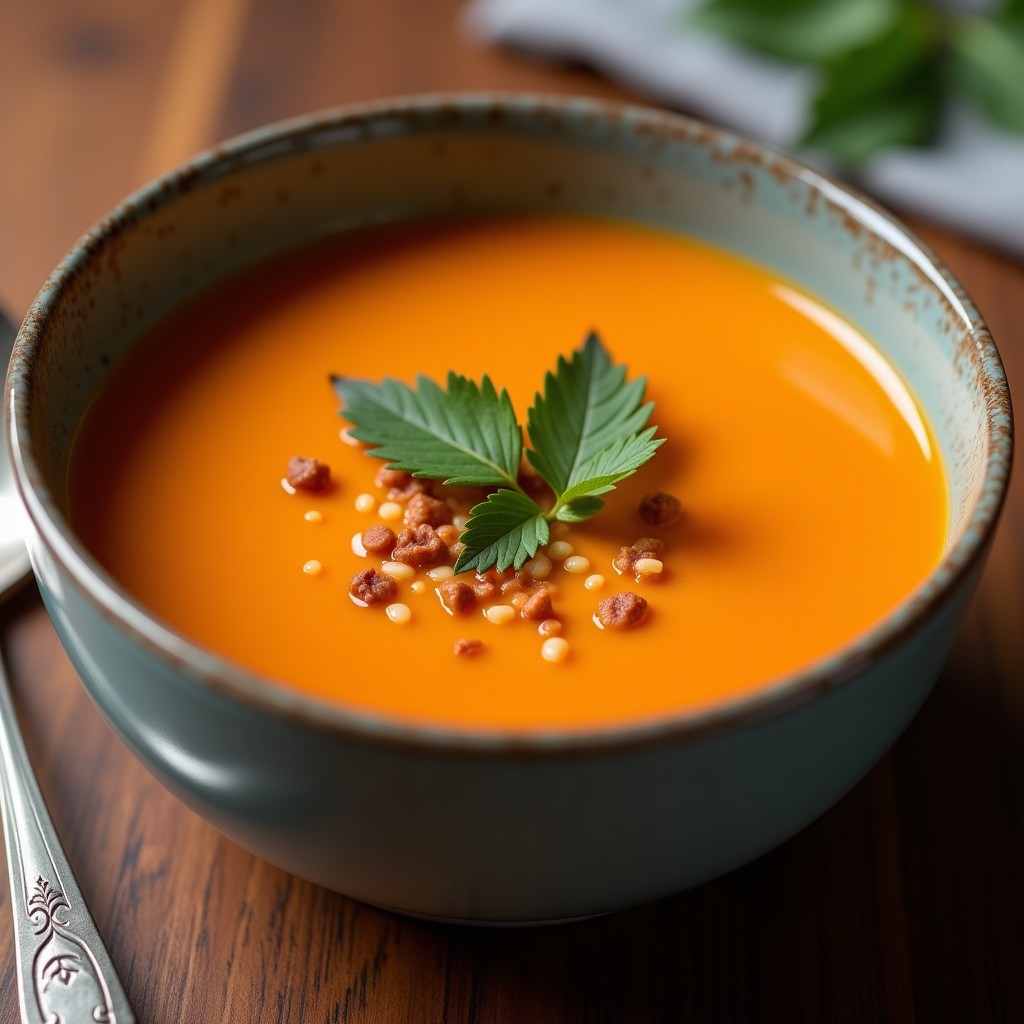
When the sniffles hit and the body aches, the first thing many of us reach for is a steaming bowl of soup. In my experience as a food journalist and nutrition researcher, the best soup for seasonal flu isn’t just about comfort—it’s a blend of tradition, science, and simple, fresh ingredients that can support the immune system while soothing a sore throat.
Table of Contents
- Introduction
- Quick Answer
- What Is Best Soup for Seasonal Flu?
- History or Background
- Nutritional Overview
- Health Benefits
- Why People Choose It
- Different Variations
- Best Ingredients
- How to Make It Better
- Common Mistakes
- Expert Tips
- When to Eat It
- Who Should Eat It
- Who Should Avoid It
- How It Fits Into a Healthy Lifestyle
- Buying Tips
- Serving Suggestions
- Storage Tips
- Frequently Asked Questions
- Conclusion
Introduction
Seasonal flu season rolls around each year, bringing a wave of congestion, fever, and fatigue. While rest and hydration are the cornerstones of recovery, the right soup can act as a gentle ally. Think of it as a liquid hug that delivers warmth, hydration, and a spectrum of immune‑supporting nutrients. This guide walks you through the history, nutrition, and practical tips for making the most effective soup when you’re feeling under the weather.
Quick Answer
If you need a single go‑to recipe, try a spiced carrot‑ginger broth enriched with turmeric, garlic, and a handful of leafy greens. It’s a healthy soup that’s easy to digest, packed with plant‑based nutrition, and can be ready in under 30 minutes.
What Is Best Soup for Seasonal Flu?
The phrase “best soup for seasonal flu” usually points to a broth that balances three things: hydration, easy digestion, and immune‑supporting compounds. Traditional Indian kitchens often turn to a clear vegetable broth spiked with spices like ginger, cumin, and black pepper—ingredients known for their anti‑inflammatory properties. In the West, chicken noodle soup remains popular, but a well‑crafted vegetarian version can be just as nourishing and suitable for a wider audience.
History or Background
Soups have been a staple in Indian households for centuries. Ayurvedic texts describe “rasayana” soups—recipes that rejuvenate the body’s “ras” or essence. In the monsoon season, families would simmer lentils, ginger, and seasonal vegetables into a thin broth to keep the digestive fire (agni) steady. Meanwhile, European folklore praised “chicken soup” as a remedy for colds, a belief that spread globally during the 20th‑century flu pandemics.
Nutritional Overview
A good flu‑season soup should contain:
- Protein – from legumes, tofu, or a modest amount of chicken for those who eat meat.
- Vitamin C – carrots, bell peppers, and tomatoes.
- Beta‑carotene – orange vegetables like carrots and sweet potatoes.
- Anti‑oxidants – turmeric, garlic, and ginger.
- Electrolytes – a pinch of sea salt and a splash of lemon juice.
These components collectively provide a balanced dose of macro‑ and micronutrients without overloading the stomach.
Health Benefits
Many nutrition experts recommend soups because the liquid form aids hydration, and the warm temperature can loosen mucus. The spices commonly used—garlic, ginger, turmeric—are rich in compounds that may help reduce inflammation and support immune function. According to the World Health Organization, staying well‑hydrated and consuming nutrient‑dense foods are key strategies during flu outbreaks.
Why People Choose It
People gravitate toward soup for three main reasons:
- Comfort – The aroma of simmering herbs triggers a psychological sense of safety.
- Digestibility – Light, broth‑based soups are easier on a weakened gut.
- Versatility – You can adjust the heat, spice level, and protein source to suit personal taste.
In bustling cities like New Delhi and Mumbai, a quick bowl from a local stall often becomes the go‑to “medicine” on a rainy, flu‑laden evening.
Different Variations
While the carrot‑ginger broth is a favorite, there are several other traditional soup styles worth trying:
- Mushroom Miso Soup – Combines umami‑rich mushrooms with probiotic‑laden miso.
- Tomato Basil Soup – Offers a bright dose of lycopene and vitamin C.
- Lentil Dal Soup – A protein‑packed, fiber‑rich option that keeps you full longer.
- Turmeric Coconut Soup – Creamy, anti‑inflammatory, and perfect for a tropical twist.
Best Ingredients
Here’s a quick checklist of the top ingredients to include for a flu‑friendly bowl:
- Fresh carrots – high in beta‑carotene.
- Ginger root – warms the gut and may support digestion.
- Garlic – natural antimicrobial.
- Turmeric – contains curcumin, an anti‑oxidant.
- Leafy greens (spinach, kale) – iron and vitamin K.
- Seasonal vegetables – zucchini, bell peppers, or pumpkin.
- Whole‑grain noodles or quinoa – adds fiber‑rich carbs.
- Low‑sodium vegetable broth – the base for hydration.
How to Make It Better
Even a simple soup can be elevated with a few tricks:
- Toast spices briefly in a dry pan before adding them to the broth; this releases essential oils.
- Deglaze the pot with a splash of lemon juice or apple cider vinegar to brighten flavors.
- Finish with fresh herbs like cilantro or parsley right before serving for a burst of freshness.
- Blend half of the soup for a creamy texture without dairy.
These steps keep the soup light yet satisfying, perfect for a light meal during recovery.
Common Mistakes
When preparing a flu‑season soup, avoid these pitfalls:
- Over‑salting – can dehydrate you further.
- Using canned vegetables – they often contain excess sodium and lack fresh flavor.
- Cooking vegetables too long – nutrients like vitamin C degrade with prolonged heat.
- Skipping the spice – the anti‑inflammatory benefits come from those aromatic herbs.
Expert Tips
According to a senior dietitian at a Mumbai nutrition clinic, “Add a pinch of black pepper to turmeric‑rich soups; it enhances curcumin absorption by up to 2000%.” Another culinary expert suggests using a pressure cooker to retain more nutrients while reducing cooking time.
When to Eat It
The best time to enjoy your bowl is mid‑morning or early evening, when the body’s digestive fire is strongest. A warm soup before bedtime can also promote better sleep, a crucial factor in recovery.
Who Should Eat It
This soup is suitable for:
- Vegetarians and vegans seeking plant‑based nutrition.
- Children over the age of two who can handle soft textures.
- Elderly individuals looking for easy‑to‑digest meals.
- Anyone following a healthy lifestyle who wants a nutrient‑dense, low‑calorie option.
Who Should Avoid It
People with severe food allergies to any of the listed ingredients should substitute accordingly. Those on a low‑potassium diet (e.g., certain kidney patients) may need to limit leafy greens and tomatoes.
How It Fits Into a Healthy Lifestyle
Incorporating a bowl of soup into your daily routine can be a cornerstone of a balanced diet. It provides hydration, essential vitamins, and a sense of comfort without the heaviness of fried foods. For more ideas on pairing soups with other wellness practices, check out our guide on Healthy Lifestyle with Soup: A Delicious Path to Wellness.
Buying Tips
When shopping for ingredients, keep these pointers in mind:
- Choose organic carrots and ginger for the purest flavor.
- Look for low‑sodium vegetable broth—read the label carefully.
- Pick seasonal vegetables; they’re fresher, more affordable, and nutritionally superior.
- If you buy pre‑cut greens, ensure they’re stored in a breathable bag to maintain crispness.
Our readers in Bengaluru love visiting the local farmers’ market on Saturday mornings for the freshest picks.
Serving Suggestions
Serve the soup with a side of whole‑grain toast or a small quinoa salad for added protein. A drizzle of extra‑virgin olive oil can boost healthy fats, while a squeeze of lemon adds a zing that awakens the palate. For a cultural twist, garnish with a handful of roasted chickpeas—crunchy, satisfying, and full of fiber.
Explore more creative pairings on our page about Traditional Indian Herbal Soup: A Healing Brew for Body and Soul.
Storage Tips
Cool the soup to room temperature before refrigerating. It will keep for up to three days in an airtight container. For longer storage, freeze in portion‑sized bags for up to two months. Reheat gently on the stove; avoid boiling, which can break down delicate nutrients.
Frequently Asked Questions
What makes carrot‑ginger soup good for the flu?
The combination of beta‑carotene from carrots and the warming, anti‑inflammatory compounds in ginger provides both nutritional support and comfort, helping the body stay hydrated and potentially easing congestion.
Can I add chicken to a vegetarian flu soup?
Yes, you can add a small amount of shredded chicken for extra protein. Just be sure to use low‑sodium broth to keep the soup light.
Is tomato soup healthy during flu season?
Tomato soup is rich in lycopene and vitamin C, which are antioxidants that may help support immune health. Choose a version without added cream to keep it light.
Why is herbal soup popular in India?
Herbal soups often include spices like turmeric, cumin, and asafoetida, which are traditionally believed to aid digestion and boost immunity, making them a staple during monsoon and flu seasons.
How often should I drink soup when I have the flu?
One to two bowls a day is generally enough to stay hydrated and nourished. Listen to your body—if you feel full, pause and sip water instead.
Can I freeze soup with fresh herbs?
Yes, but add fresh herbs after reheating for the best flavor and nutrient retention.
Is there a difference between broth and stock?
Broth is typically seasoned and ready to eat, while stock is unseasoned and used as a base for other dishes. For flu relief, a seasoned broth is more convenient.
Do I need to add salt for flavor?
A modest pinch of sea salt enhances taste and helps retain electrolytes, but avoid over‑salting, especially if you have hypertension.
Conclusion
Finding the best soup for seasonal flu is less about a magic potion and more about marrying tradition with nutrition. A thoughtfully prepared carrot‑ginger broth, enriched with turmeric, garlic, and leafy greens, can offer comfort, hydration, and a spectrum of immune‑supporting nutrients. Remember, soups are a flexible canvas—feel free to adapt the ingredients to suit your palate, dietary needs, and local market finds.
Ready to explore more wholesome, vegetarian soups? Dive into our collection of recipes and discover how a simple bowl can become a cornerstone of a healthy lifestyle. Stay warm, stay nourished, and let each sip bring you a step closer to feeling better.