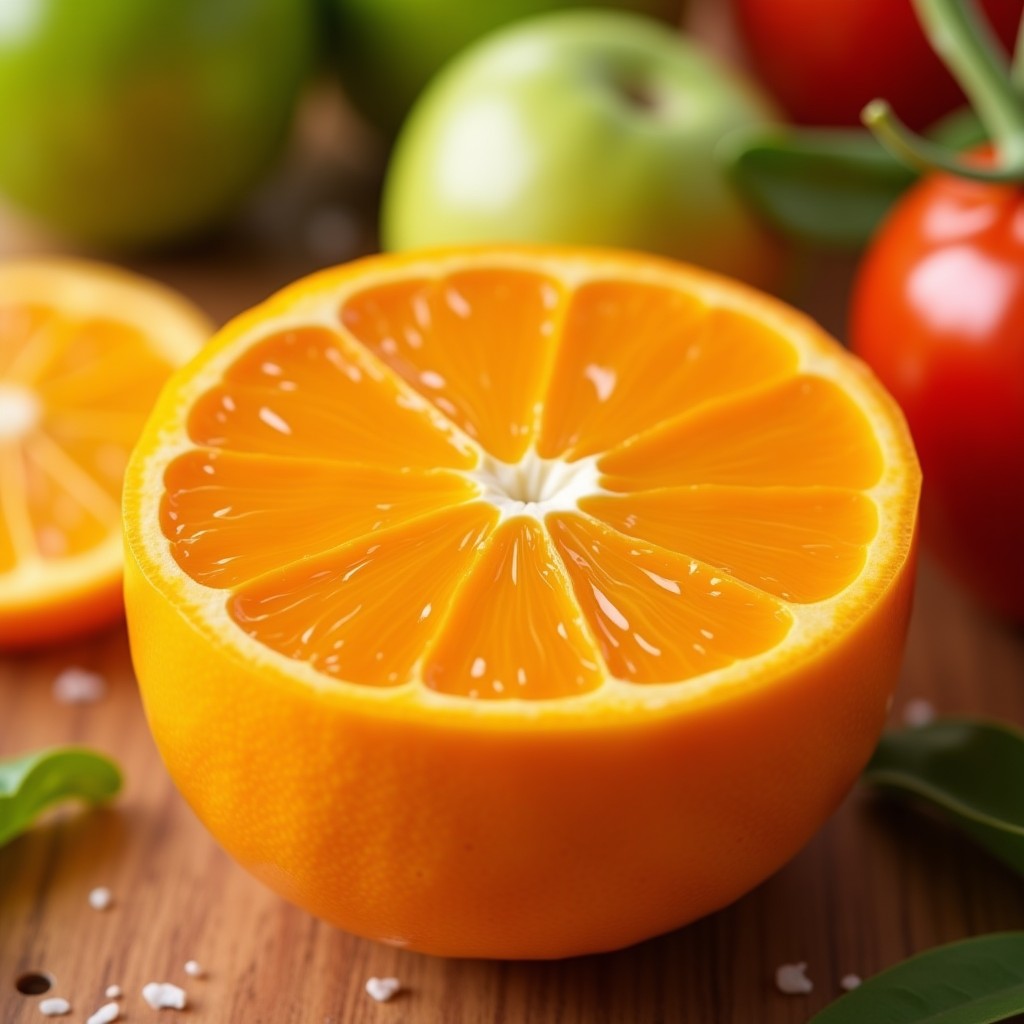
When you type “foods rich in vitamin C near me” into Google, you’re probably looking for quick, tasty ways to boost immunity, support skin health, and keep energy levels high. In my experience as a food journalist and nutrition researcher, the best sources are often right in your pantry or farmer’s market—especially if you live in bustling Indian cities like Mumbai, Delhi, or Bengaluru. Below you’ll find a practical, engaging roadmap that covers everything from the science of vitamin C to the most delicious soups that let you sip your way to wellness.
Table of Contents
- Quick Answer
- What Is Foods Rich in Vitamin C?
- History or Background
- Nutritional Overview
- Health Benefits
- Why People Choose It
- Different Variations
- Best Ingredients for Vitamin‑C‑Heavy Soups
- How to Make It Better
- Common Mistakes
- Expert Tips
- When to Eat It
- Who Should Eat It
- Who Should Avoid It
- How It Fits Into a Healthy Lifestyle
- Buying Tips
- Serving Suggestions
- Storage Tips
- Frequently Asked Questions
- Conclusion
Quick Answer
Foods rich in vitamin C include citrus fruits, berries, kiwi, guava, bell peppers, leafy greens, and certain tropical vegetables. A single cup of fresh orange juice can deliver more than 100% of the daily recommended intake, while a half‑cup of red bell pepper supplies over 150%.
What Is Foods Rich in Vitamin C?
Vitamin C, also known as ascorbic acid, is a water‑soluble antioxidant found naturally in many whole foods. It plays a crucial role in collagen synthesis, iron absorption, and immune function. Unlike some nutrients, your body cannot store vitamin C, so regular consumption of vitamin‑C‑packed foods is essential for a balanced diet.
History or Background
Historically, sailors suffered from scurvy until the British navy discovered that citrus fruits could prevent the disease. In Indian households, the tradition of adding amla (Indian gooseberry) to pickles and chutneys dates back centuries, providing a natural, tangy source of vitamin C that also preserves food.
Nutritional Overview
Below is a snapshot of the vitamin C content in common Indian and global foods (per 100 g):
- Guava – 228 mg
- Amla – 600 mg
- Red bell pepper – 190 mg
- Kiwi – 93 mg
- Strawberries – 59 mg
- Spinach (cooked) – 28 mg
- Tomatoes – 14 mg
These numbers illustrate why incorporating a rainbow of fruits and vegetables into your meals can easily meet the recommended 75–90 mg daily intake.
Health Benefits
Many nutrition experts recommend vitamin C for its antioxidant power. Regular intake may help reduce oxidative stress, support skin elasticity, and enhance iron absorption from plant‑based meals. While it’s not a cure‑all, it can support a healthy lifestyle when paired with whole‑food nutrition.
Why People Choose It
People gravitate toward vitamin‑C‑rich foods because they’re:
- Easy to find at local markets in Mumbai, Delhi, and other Indian cities.
- Versatile—great raw, cooked, or blended into soups.
- Deliciously bright, adding natural flavor without extra sodium.
Healthy eating doesn’t have to be complicated.
Different Variations
Across India, you’ll find regional twists that pack vitamin C into everyday dishes:
- South Indian: Tomato rasam with a splash of lime.
- Western Indian: Amla‑laden chutney served with millet rotis.
- North Indian: Spinach and mustard greens (sarson) cooked with lemon.
Each variation offers a unique texture and flavor while delivering a solid dose of vitamin C.
Best Ingredients for Vitamin‑C‑Heavy Soups
If you’re looking to turn these foods into a soothing bowl, consider these star ingredients:
- Red and orange bell peppers – bright color, high vitamin C.
- Tomatoes – classic base for many Indian soups.
- Fresh lime or lemon juice – a finishing touch that preserves nutrients.
- Green leafy vegetables like kale or spinach – add fiber‑rich goodness.
- Fruits such as mango or pineapple – for a sweet‑savory twist.
Sometimes the simplest soups are the most nourishing.
How to Make It Better
Cooking can reduce vitamin C, but smart techniques keep the nutrient intact:
- Quick sauté: Heat vegetables for just 2–3 minutes before adding broth.
- Steam instead of boil: Steam bell peppers and tomatoes to preserve up to 80% of their vitamin C.
- Add citrus at the end: Stir in lemon or lime juice just before serving.
Fresh ingredients make all the difference.
Common Mistakes
Even seasoned cooks slip up:
- Over‑cooking vegetables, which can leach out up to 50% of vitamin C.
- Storing cut fruit for days—exposure to air degrades ascorbic acid.
- Using canned tomatoes with added sodium, which masks the natural flavor and reduces nutrient density.
Expert Tips
Here are a few insider pointers:
- Use a pressure cooker for a quick “steam‑and‑simmer” method; the lid traps steam, preserving nutrients.
- Blend soups with a hand‑held blender to keep texture smooth without over‑processing.
- Top each bowl with a sprinkle of fresh herbs (coriander, mint) for an extra antioxidant boost.
When to Eat It
Vitamin‑C‑rich soups shine as:
- A light lunch during hot summer days in Bengaluru.
- A warm, immune‑supporting dinner after a rainy monsoon evening in Delhi.
- A post‑workout recovery drink for athletes in Mumbai.
Who Should Eat It
Anyone aiming for a balanced diet can benefit, especially:
- Vegetarians seeking plant‑based nutrition.
- Students needing an energy boost for exams.
- Seniors looking to support joint health and skin elasticity.
Who Should Avoid It
People with specific medical conditions, such as kidney stones formed from oxalates, may need to moderate intake of certain high‑oxalate fruits like strawberries. Always consult a healthcare professional for personalized advice.
How It Fits Into a Healthy Lifestyle
Incorporating foods rich in vitamin C aligns with a whole‑foods approach. Pair a citrus‑laden salad with a bowl of fresh, vegetable‑based soup, and you’ve got a nutrient‑dense, fiber‑rich meal that supports digestive health and immune function.
Buying Tips
When shopping for vitamin‑C powerhouses, keep these pointers in mind:
- Choose firm, brightly colored bell peppers—no soft spots.
- Pick citrus fruits with smooth skin; a slight give indicates juiciness.
- For leafy greens, look for deep green leaves without wilting.
Local markets in Mumbai’s Crawford Market or Delhi’s INA Market often have the freshest seasonal produce.
Serving Suggestions
Serve your soup with a side of whole‑grain toast or a small portion of brown rice for a complete, balanced dinner. A drizzle of extra‑virgin olive oil adds healthy fats that aid vitamin absorption.
Storage Tips
Store freshly chopped vegetables in airtight containers in the fridge and use them within 2–3 days. For soups, cool quickly, then refrigerate in glass jars for up to 4 days. Reheat gently on the stovetop to avoid further vitamin loss.
Frequently Asked Questions
- What is the best source of vitamin C?
- Guava tops the chart with over 200 mg per 100 g, followed closely by amla and red bell peppers. A single guava can supply more than twice the daily recommended amount.
- Can cooking destroy vitamin C?
- Heat does reduce vitamin C, especially prolonged boiling. Steaming or quick sautéing retains most of the nutrient, and adding citrus at the end maximizes the benefit.
- Is tomato soup healthy?
- Yes, when made with fresh tomatoes, minimal added salt, and a splash of lemon juice, tomato soup becomes a tasty, immune‑supporting option rich in vitamin C and lycopene.
- Why is herbal soup popular in India?
- Herbal soups combine traditional spices like turmeric and cumin with vitamin‑C‑rich vegetables, creating a warming, digestive‑friendly dish that aligns with Ayurvedic principles.
- How much vitamin C do I need daily?
- Adults generally need 75 mg (women) to 90 mg (men) per day. Pregnant or lactating women may require up to 120 mg.
- Can I get enough vitamin C from a vegetarian diet?
- Absolutely. A varied plant‑based diet featuring citrus, berries, leafy greens, and peppers easily meets daily requirements.
- Do vitamin‑C‑rich foods help with the flu?
- While they are not a cure, immune‑supporting foods like citrus and bell peppers can complement other preventive measures during flu season.
- Are there any side effects of too much vitamin C?
- Excessive intake (over 2,000 mg per day) may cause mild gastrointestinal upset, but most people get enough from food alone.
Conclusion
Choosing foods rich in vitamin C is a simple, flavorful way to nourish your body and support a healthy lifestyle. From bright bell peppers to tangy amla, the options are abundant, especially if you explore local markets in Mumbai, Delhi, or Bengaluru. By incorporating these ingredients into nutrient‑dense soups, you not only boost immunity but also enjoy a comforting, wholesome meal.
Ready to taste the difference? Dive into our collection of nourishing vegetarian soups and discover how a spoonful of sunshine can transform your day.
Best Soup for Seasonal Flu: Warm Relief in a Bowl
Healthy Lifestyle with Soup: A Delicious Path to Wellness
Daily Foods for Better Immunity: Your Everyday Immune‑Boosting Menu
For a deeper dive into the science of vitamin C, visit Wikipedia’s Vitamin C page.