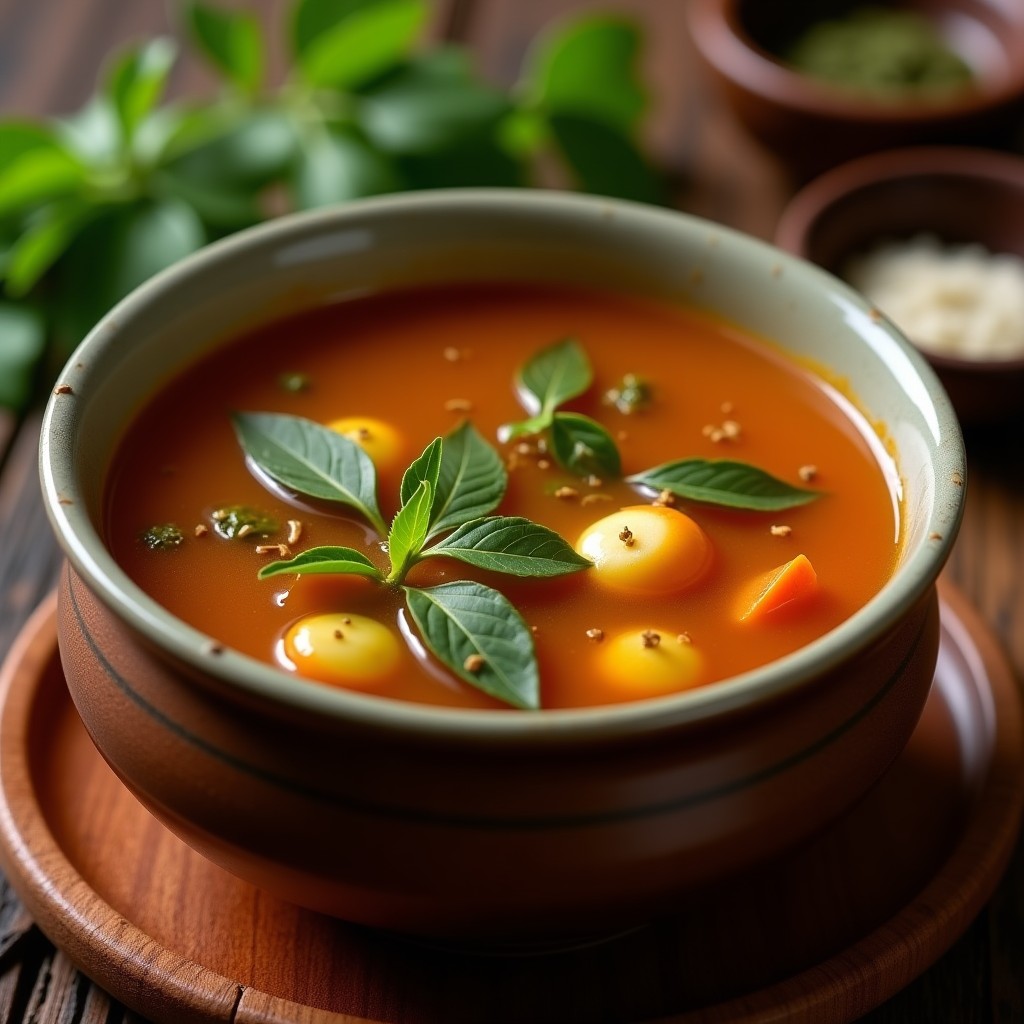
When the monsoon clouds roll over Mumbai or the winter chill settles over Delhi, a steaming bowl of Traditional Indian Herbal Soup feels like a warm hug. In my years covering regional kitchens, I’ve seen families gather around this fragrant, plant‑based broth, swapping stories while the herbs release their soothing aromas. It’s more than just a healthy soup—it’s a cultural ritual that blends nutrition, flavor, and centuries‑old wisdom.
Table of Contents
- Quick Answer
- What Is Traditional Indian Herbal Soup?
- History or Background
- Nutritional Overview
- Health Benefits
- Why People Choose It
- Different Variations
- Best Ingredients
- How to Make It Better
- Common Mistakes
- Expert Tips
- When to Eat It
- Who Should Eat It
- Who Should Avoid It
- How It Fits Into a Healthy Lifestyle
- Buying Tips
- Serving Suggestions
- Storage Tips
- Frequently Asked Questions
- Conclusion
Quick Answer
Traditional Indian Herbal Soup is a vegetarian broth made with seasonal vegetables, whole spices, and medicinal herbs like tulsi, ginger, and ashwagandha. It’s light yet nutrient‑dense, supporting digestion, immunity, and overall wellness.
What Is Traditional Indian Herbal Soup?
At its core, this soup is a clear, aromatic liquid simmered with:
- Fresh, seasonal vegetables (carrots, beans, leafy greens)
- Whole spices (cumin, coriander, black pepper)
- Herbal powerhouses (tulsi leaves, ginger, turmeric, ashwagandha)
- Optional legumes or millets for extra protein
The result is a vegetarian soup that feels both comforting and invigorating. Because the ingredients are whole foods, the broth retains vitamins, minerals, and fiber‑rich goodness.
History or Background
Traditional Indian households have long turned to herbal soups during seasonal transitions. Ayurvedic texts from the 2nd century BCE describe “Kashaya,” a thin, spiced decoction meant to balance the doshas—Vata, Pitta, and Kapha. In the hot, humid climate of Bangalore, a cooling mint‑tulsi broth is favored, while in the cooler hills of Shimla, a warming ginger‑turmeric version is common. These regional tweaks show how the soup adapts to local climate and ingredient availability.
Nutritional Overview
Because the soup relies on fresh vegetables and herbs, it delivers:
- Vitamin C from leafy greens and tomatoes
- Beta‑carotene from carrots and pumpkin
- Iron and calcium from fenugreek leaves (methi) and coriander
- Antioxidants from turmeric, ginger, and black pepper
- Soluble fiber that supports digestive health
One cup typically provides around 80–120 calories, making it an ideal light meal for lunch or dinner.
Health Benefits
Many nutrition experts recommend herbal soups for their gentle yet effective impact on the body. While individual results vary, regular consumption may help:
- Boost immune‑supporting foods like vitamin C and zinc
- Reduce inflammation thanks to curcumin in turmeric
- Improve digestive health with ginger’s carminative properties
- Balance blood sugar levels through fiber‑rich vegetables
- Promote relaxation and stress relief via adaptogenic herbs such as ashwagandha
These benefits align with a balanced diet and a healthy lifestyle.
Why People Choose It
“I love that it’s both nourishing and easy on the stomach,” says a Bangalore mother I met while researching. The soup’s versatility—suitable for a quick lunch at the office or a comforting dinner at home—makes it a staple for busy professionals in Pune and health‑conscious students in Hyderabad.
Different Variations
Across India, the base broth stays the same, but the herbs change with the region:
- North India: Add fennel seeds, ajwain, and a dash of ghee for richness.
- South India: Incorporate coconut milk, curry leaves, and black pepper.
- East India: Use mustard greens, nigella seeds, and a hint of tamarind.
- West India: Blend in millet flakes (bajra) and coriander leaves for a nutty texture.
These variations keep the soup exciting while honoring local culinary traditions.
Best Ingredients
Freshness is key. Choose:
- Organic carrots, beans, and leafy greens
- Whole spices freshly ground in a mortar
- Organic tulsi (holy basil) and fresh ginger root
- Low‑sodium vegetable broth or homemade stock
When possible, source from local markets in Chennai or Delhi to ensure peak flavor.
How to Make It Better
Here are a few pro tips I’ve gathered from seasoned cooks:
- Toast spices briefly. A minute in a dry pan releases essential oils.
- Blanch leafy greens. This preserves color and nutrients.
- Finish with a splash of lemon. The acidity brightens the broth.
- Use a pressure cooker. It extracts more phytochemicals from herbs.
Healthy eating doesn’t have to be complicated.
Common Mistakes
Even experienced chefs slip up. Avoid these pitfalls:
- Over‑cooking vegetables, which destroys heat‑sensitive vitamins.
- Using too much salt; the herbs already provide flavor.
- Skipping the tempering step—without it, the soup can taste flat.
Expert Tips
Many nutrition experts recommend pairing the soup with a small serving of whole grains like quinoa or brown rice to create a complete protein profile. “Add a spoonful of soaked lentils for extra fiber,” suggests a dietitian in Kolkata.
When to Eat It
This soup shines as a healthy lunch on a hectic weekday or a light dinner after a yoga session. During the monsoon, a warm bowl in Mumbai helps keep the body hydrated and the mind calm.
Who Should Eat It
Anyone seeking plant‑based nutrition can benefit. It’s especially good for:
- Vegetarians looking for protein‑rich, fiber‑dense meals
- People with mild digestive issues
- Those wanting to incorporate more immune‑supporting foods
Who Should Avoid It
While generally safe, individuals with specific allergies to any listed herb or spice should skip those ingredients. Pregnant women should consult a healthcare provider before consuming large amounts of ashwagandha.
How It Fits Into a Healthy Lifestyle
In my experience, integrating a bowl of Traditional Indian Herbal Soup a few times a week supports a balanced diet without feeling restrictive. Pair it with a side of sprouted salad for extra crunch, and you have a complete, nutrient‑dense meal that aligns with modern wellness trends.
Buying Tips
When shopping for herbs:
- Look for bright green tulsi leaves—no wilting.
- Choose ginger that feels firm, not soft.
- Buy spices in small, airtight containers to preserve freshness.
Local markets in Jaipur and Kolkata often have the best deals on organic produce.
Serving Suggestions
Serve the soup hot, garnished with freshly chopped coriander and a drizzle of sesame oil. Add a slice of whole‑grain toast or a small bowl of millet porridge for a heartier meal. “A dash of chili flakes gives a pleasant kick,” notes a street‑food vendor in Hyderabad.
Storage Tips
Cool the broth quickly, then refrigerate in an airtight container for up to three days. For longer storage, freeze in portion‑size bags; the soup retains flavor for up to two months. Reheat gently on the stove to avoid breaking down delicate herbs.
Frequently Asked Questions
- What makes herbal soup different from regular vegetable soup?
- Herbal soup emphasizes medicinal herbs like tulsi, ginger, and ashwagandha, which add therapeutic compounds alongside the usual vegetables.
- Can I make the soup vegan?
- Absolutely. Use vegetable broth or water, and skip any ghee or dairy. The herbs and spices provide ample flavor.
- Is this soup suitable for kids?
- Yes, as long as the spices are mild. You can reduce the amount of black pepper and omit hot chilies for a kid‑friendly version.
- How often should I drink this soup?
- Most nutrition experts suggest 2–3 times a week as part of a varied diet to enjoy its benefits without over‑relying on any single ingredient.
- Can I add protein sources?
- Sure! Add boiled chickpeas, lentils, or paneer cubes to boost protein while keeping the soup light.
- Does the soup help with cold symptoms?
- While not a cure, the warm broth, ginger, and tulsi can soothe a sore throat and may support the immune system during a cold.
- What’s the best time of day to enjoy this soup?
- It works well as a midday lunch or an early evening dinner, especially when you need a gentle, nourishing meal.
- Can I use dried herbs instead of fresh?
- Dried herbs can be used, but fresh herbs deliver stronger flavor and more active compounds.
Conclusion
Whether you’re strolling through the bustling lanes of Delhi or relaxing on a balcony in Pune, a bowl of Traditional Indian Herbal Soup offers a comforting bridge between ancient wisdom and modern nutrition. Its blend of fresh vegetables, whole spices, and healing herbs makes it a standout healthy soup for anyone seeking a wholesome, plant‑based meal.
Ready to explore more nourishing bowls? Dive into our collection of vegetarian soups and discover new flavors that fit perfectly into a healthy lifestyle. Your next favorite soup might just be a click away.
For more inspiration, check out our guides on the best soup during fever recovery and healthy foods during the rainy season. Happy sipping!
Reference: Wikipedia