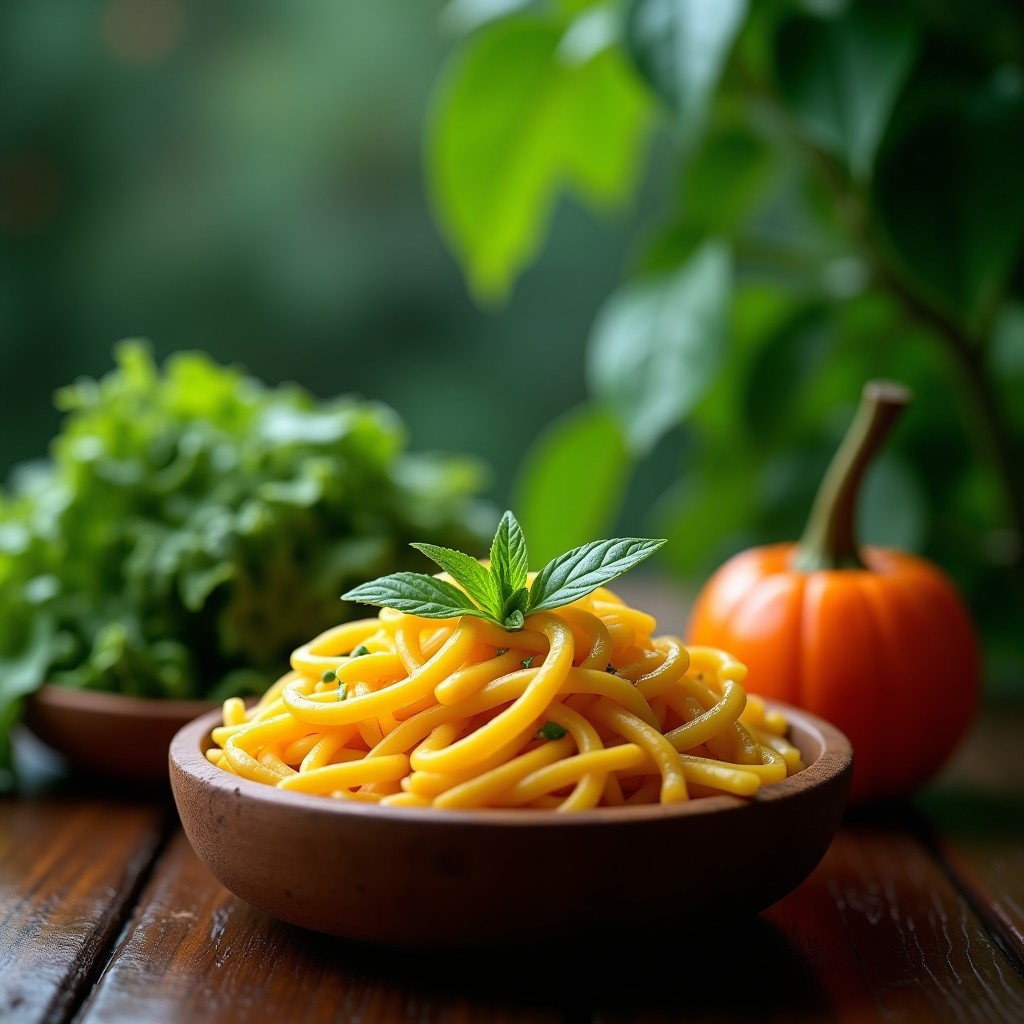
When the clouds roll in and the streets glisten with the first drops, cravings shift. Warm, comforting dishes take centre stage, yet many of us worry about staying light and immune‑supportive. In my experience as a food journalist and nutrition researcher, the answer lies in choosing the right healthy foods during rainy season. Think of soups brimming with seasonal vegetables, spice‑infused broths, and plant‑based proteins that keep you energized without the heaviness.
Table of Contents
- Quick Answer
- What Is Healthy Foods During Rainy Season?
- History or Background
- Nutritional Overview
- Health Benefits
- Why People Choose It
- Different Variations
- Best Ingredients
- How to Make It Better
- Common Mistakes
- Expert Tips
- When to Eat It
- Who Should Eat It
- Who Should Avoid It
- How It Fits Into a Healthy Lifestyle
- Buying Tips
- Serving Suggestions
- Storage Tips
- Snippet‑Ready Definitions
- Frequently Asked Questions
- Conclusion
Quick Answer
Healthy foods during rainy season are those that boost immunity, aid digestion, and keep you warm without overloading calories. Simple vegetable soups, lentil‑based stews, and spice‑rich Indian broths made from fresh, whole foods are the top picks.
What Is Healthy Foods During Rainy Season?
In the Indian context, “healthy foods during rainy season” refers to meals that combine warmth, hydration, and nutrition. The monsoon brings humidity, cooler evenings, and a rise in seasonal illnesses, so the diet naturally leans toward:
- Warm, easily digestible soups and stews
- Fiber‑rich vegetables that retain moisture
- Spices with antimicrobial properties (turmeric, ginger, garlic)
- Plant‑based proteins that are light yet satiating
These foods are not just comfort; they are strategic choices for a balanced diet.
History or Background
Traditional Indian households have long turned to “rasam,” “sambar,” and “dal” during monsoons. The practice dates back to Ayurvedic teachings, which recommend “sattvic” meals—light, pure, and easily assimilated—when the body is prone to excess Kapha (the moisture element). Over generations, families have refined recipes to include locally available seasonal vegetables like pumpkin, bottle gourd, and leafy greens.
Nutritional Overview
Seasonal monsoon produce is naturally high in water content, vitamins, and antioxidants. A typical bowl of vegetable soup may provide:
- 10–15 g of dietary fiber, supporting digestive health
- 5–7 g of plant‑based protein from lentils or chickpeas
- Vitamins A, C, K, and folate from leafy greens
- Minerals such as potassium and magnesium, which help regulate fluid balance
When paired with warming spices, these nutrients become even more bioavailable.
Health Benefits
Choosing the right foods can:
- Support immunity – Vitamin C from tomatoes and bell peppers, plus zinc from pumpkin seeds, may help the body fend off colds.
- Promote digestive health – Fiber‑rich soups keep the gut moving, reducing the risk of constipation that often accompanies rainy days.
- Maintain energy levels – Complex carbs from whole grains and legumes release glucose slowly, preventing the post‑lunch slump.
- Regulate body temperature – Warm broths raise core temperature without the heaviness of fried foods.
Why People Choose It
Many Indians prefer soups and light stews because they are easy to prepare, use pantry staples, and feel soothing after a day of rain‑soaked travel. “Healthy soup” has become a kitchen staple for families in Mumbai, Chennai, and Bangalore, especially when the monsoon brings humidity and occasional chills.
Different Variations
From north to south, the monsoon menu varies:
- North Indian: Tomato‑ginger soup, dal‑tadka, and spinach‑paneer shorba.
- South Indian: Coconut‑laden rasam, pumpkin sambar, and bottle gourd (lauki) soup.
- West Indian: Spiced carrot‑coriander broth and lentil‑tomato rasam.
- East Indian: Mustard‑leaf (sarson) soup with mustard seeds and green chilies.
All are vegetarian, plant‑based, and packed with natural ingredients.
Best Ingredients
Here are the star players for healthy foods during rainy season:
- Seasonal vegetables: Bottle gourd, pumpkin, carrots, beetroot, spinach, and fenugreek leaves.
- Legumes & pulses: Moong dal, masoor dal, chickpeas, and black-eyed peas.
- Whole grains: Brown rice, millet (ragi), and quinoa for added fiber.
- Spices: Turmeric, ginger, garlic, cumin, and black pepper – all known for immune‑supporting properties.
- Healthy fats: A drizzle of cold‑pressed sesame oil or a teaspoon of ghee for flavor and absorption of fat‑soluble vitamins.
How to Make It Better
Even a simple soup can be upgraded with a few tricks:
- Sauté spices in a teaspoon of ghee before adding water – this releases aromatics.
- Add a splash of lemon or tamarind at the end for a tangy punch that aids digestion.
- Finish with fresh herbs like cilantro or curry leaves for extra antioxidants.
Healthy eating doesn’t have to be complicated.
Common Mistakes
When preparing monsoon meals, many fall into these traps:
- Over‑cooking vegetables – nutrients leach into the water and are discarded.
- Using too much oil – defeats the purpose of a light, nutritious meal.
- Relying on canned tomatoes or frozen greens – fresh produce retains more flavor and vitamins.
Expert Tips
Many nutrition experts recommend a “rainy‑day plate” that follows a 50‑30‑20 rule: 50 % vegetables, 30 % whole grains or legumes, and 20 % healthy fats. In my kitchen, I always:
- Start with a base of simmered water and spices.
- Add chopped vegetables in order of cooking time (harder veggies first).
- Stir in a handful of greens at the very end to preserve their bright color and nutrients.
When to Eat It
Warm soups are perfect for:
- Breakfast – a light vegetable broth with a side of whole‑grain toast.
- Lunch – a hearty dal‑based soup paired with brown rice.
- Dinner – a soothing herbal soup to wind down before bedtime.
Sometimes the simplest soups are the most nourishing.
Who Should Eat It
Anyone looking to stay energized during the monsoon can benefit. Children, adults, and seniors all thrive on fiber‑rich, plant‑based meals that support digestive health and immunity.
Who Should Avoid It
People with specific medical conditions should adjust ingredients:
- If you have kidney stones, limit high‑oxalate veggies like beetroot.
- Those on low‑sodium diets should use less salt and rely on spices for flavor.
Always consult a healthcare professional for personalized advice.
How It Fits Into a Healthy Lifestyle
Incorporating healthy foods during rainy season aligns with a balanced diet. The combination of warm soups, fresh salads, and light snacks ensures you get enough fiber, protein, and micronutrients without feeling sluggish.
Buying Tips
When shopping for monsoon ingredients, keep these pointers in mind:
- Choose firm, unblemished vegetables – they store longer in humid conditions.
- Buy legumes in bulk and store in airtight containers to prevent moisture damage.
- Look for organic spices; they retain potency longer.
Serving Suggestions
Serve soups in earthenware bowls to keep them hot longer. Pair with a side of whole‑grain roti or a small portion of quinoa salad. A sprinkle of roasted pumpkin seeds adds crunch and extra zinc.
Storage Tips
Cool soups quickly (within two hours) and refrigerate in sealed containers. They stay fresh for up to three days. For longer storage, freeze in portion‑size bags – thaw and reheat gently to preserve texture.
Snippet‑Ready Definitions
What is Mushroom Soup? Mushroom soup is a creamy, broth‑based dish made from sautéed mushrooms, garlic, onions, and vegetable stock, often thickened with a touch of flour or coconut milk. It provides B‑vitamins and antioxidants.
Is Tomato Soup Healthy? Tomato soup can be a healthy choice when prepared with fresh tomatoes, minimal oil, and herbs. It offers lycopene, vitamin C, and potassium, supporting heart health and immune function.
Why is Herbal Soup Popular? Herbal soup is popular for its soothing qualities; herbs like coriander, mint, and tulsi add flavor and medicinal compounds that may help with digestion and respiratory comfort.
Frequently Asked Questions
- What vegetables are best for monsoon soups?
- Root vegetables like carrots and beetroot, plus leafy greens such as spinach and fenugreek, retain nutrients and add natural sweetness.
- Can I add meat to these soups?
- While the focus here is vegetarian, you can add lean chicken or fish if you prefer, but keep portions moderate to maintain a light meal.
- How many times a week should I eat soup?
- Two to three bowls a week provide a good balance of hydration, fiber, and nutrients without over‑relying on liquid meals.
- Is it okay to use canned beans?
- Yes, canned beans are convenient, but rinse them well to reduce sodium and preserve flavor.
- Do spices increase the calorie count?
- No, spices add flavor without significant calories; they may even boost metabolism.
- What is the best way to thicken a soup without cream?
- Blend a portion of the cooked vegetables or add a teaspoon of ground nuts (like almonds) for a creamy texture.
- Should I drink water while eating soup?
- Yes, staying hydrated helps digestion, but sip slowly to enjoy the warmth of the soup.
- Can these soups help with seasonal allergies?
- Ingredients like ginger, turmeric, and leafy greens have anti‑inflammatory properties that may support allergy relief, though they are not a cure.
Conclusion
Choosing the right healthy foods during rainy season is all about warmth, nutrition, and simplicity. By centering meals around fresh, seasonal vegetables, wholesome legumes, and aromatic spices, you create dishes that support immunity, aid digestion, and keep you comfortably satiated. Remember to pick the freshest produce, avoid over‑cooking, and finish with a dash of herbs for extra zest.
Ready to explore more? Dive into our collection of nourishing vegetarian soups and discover how each bowl can become a cornerstone of your healthy lifestyle.
Natural Antioxidant Foods: Your Guide to Vibrant Health and Delicious Soups
Veg Soups Near Me? Why Mamee Soups Is Best?
Mamee Soups Mylapore: A Complete Guide
For scientific backing on nutrition guidelines, see the World Health Organization.