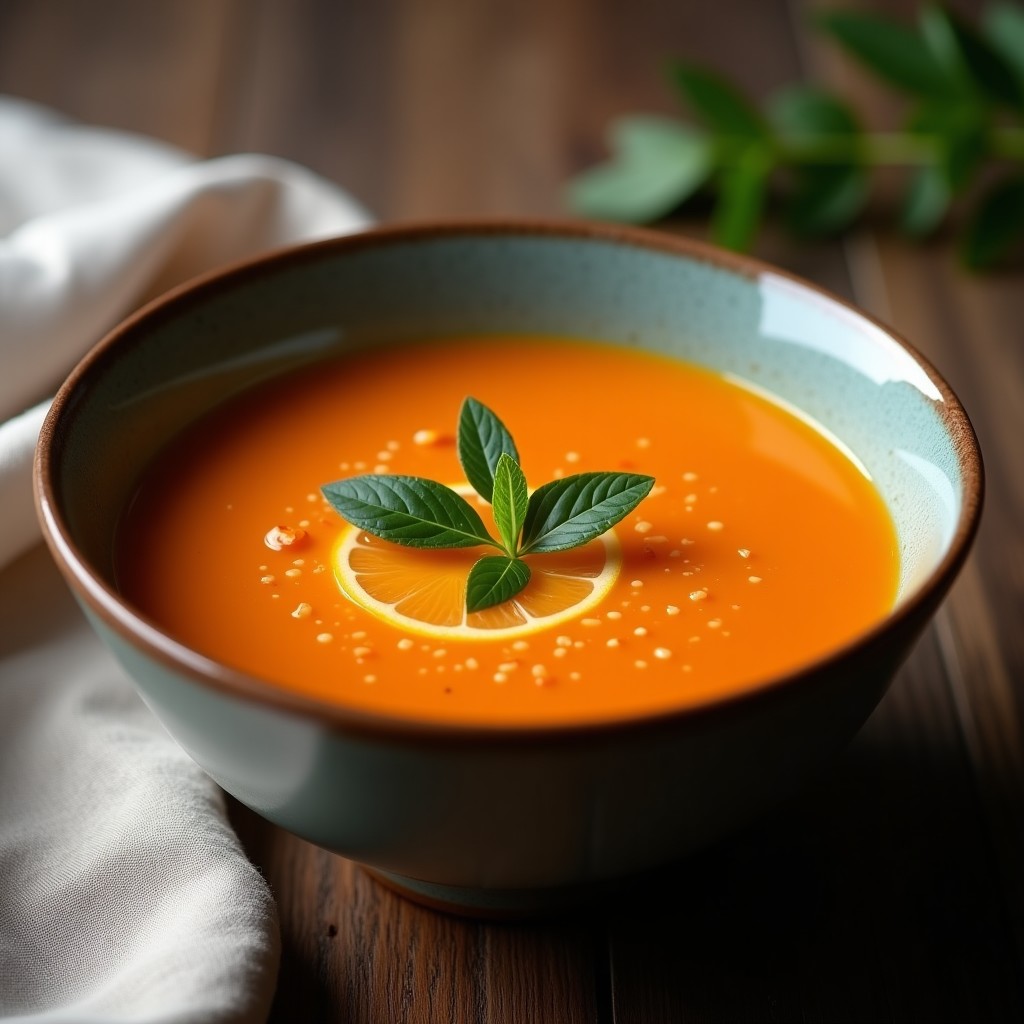
When a fever knocks you off your feet, the first thing you crave is something warm, soothing, and easy on the stomach. In my experience as a food journalist and nutrition researcher, a well‑crafted soup can be that gentle hero. Below you’ll discover why certain soups rank as the best soup during fever recovery, how to pick the right ingredients, and practical tips that turn a simple pot into a nutrient‑rich remedy.
Table of Contents
- Introduction
- Quick Answer
- What Is Best Soup During Fever Recovery?
- History or Background
- Nutritional Overview
- Health Benefits
- Why People Choose It
- Different Variations
- Best Ingredients
- How to Make It Better
- Common Mistakes
- Expert Tips
- When to Eat It
- Who Should Eat It
- Who Should Avoid It
- How It Fits Into a Healthy Lifestyle
- Buying Tips
- Serving Suggestions
- Storage Tips
- Frequently Asked Questions
- Conclusion
Introduction
Fever is the body’s natural alarm system. It raises the temperature to create a hostile environment for viruses, while simultaneously increasing metabolism. This double‑edged sword means you need more fluids, electrolytes, and easily digestible calories. A light, broth‑based soup ticks all those boxes. It hydrates, delivers plant‑based nutrition, and can be seasoned to support immune‑supporting foods without overloading a delicate digestive system.
Healthy eating doesn’t have to be complicated.
Quick Answer
The best soup during fever recovery is a clear, vegetable‑rich broth seasoned with gentle spices, a splash of lemon, and a handful of protein‑rich lentils or tofu. It’s low in fat, high in fiber‑rich foods, and packed with vitamins that may help you bounce back faster.
What Is Best Soup During Fever Recovery?
In plain terms, it’s a soup that:
- Provides plenty of water and electrolytes.
- Contains easily digestible carbohydrates.
- Offers a modest amount of protein.
- Is seasoned with herbs known for soothing the throat and supporting immunity.
Think of it as a culinary version of a wellness drink—only warmer, heartier, and more comforting.
History or Background
Traditional Indian households have long prepared “rasam” and “dal soup” when a family member feels under the weather. These recipes date back centuries and were originally designed to use seasonal vegetables, lentils, and spices like turmeric and cumin—ingredients that are still celebrated for their antioxidant properties. In coastal regions such as Mumbai, a light fish broth with ginger was the go‑to remedy, while in the cooler hills of Shimla, a barley‑based soup kept villagers warm and hydrated.
Sometimes the simplest soups are the most nourishing.
Nutritional Overview
A typical recovery bowl (about 2 cups) might contain:
- 150‑200 ml of low‑sodium vegetable broth – a source of sodium and potassium.
- ½ cup of diced carrots, beans, and spinach – delivering beta‑carotene, vitamin C, and iron.
- ¼ cup cooked red lentils or soft tofu – providing 8‑10 g of plant‑based protein and fiber.
- ½ teaspoon turmeric and a pinch of black pepper – compounds that may support immune function.
- A squeeze of fresh lemon – vitamin C and a bright flavor that lifts the palate.
The total calorie count stays under 250 kcal, making it ideal for a light meal that won’t tax the digestive system.
Health Benefits
While no soup can cure a fever, the following benefits are widely recognized by nutrition experts:
- Hydration: Warm broth replaces lost fluids and electrolytes.
- Easy digestion: Cooked vegetables and soft proteins are gentle on the gut.
- Immune‑supporting nutrients: Vitamin C, zinc, and antioxidants from herbs may support the body’s natural defenses.
- Anti‑inflammatory spice profile: Turmeric and ginger have been traditionally believed to calm inflammation.
Why People Choose It
Many people reach for soup because it feels nurturing. A steaming bowl signals comfort, and the aroma of garlic or cumin can improve mood—a subtle but valuable boost when you’re feeling low. Moreover, soups are versatile: you can adjust salt, spice, or protein level based on personal tolerance.
Different Variations
Here are three popular styles that qualify as the best soup during fever recovery across India:
- Vegetarian Moong Dal Soup: Yellow moong dal cooked with ginger, cumin, and a pinch of asafoetida.
- Tomato‑Basil Clear Soup: Fresh tomatoes, basil leaves, and a dash of black pepper—perfect for a light lunch.
- Spiced Carrot‑Ginger Soup: Pureed carrots blended with ginger, turmeric, and a splash of coconut water for extra electrolytes.
All three are plant‑based, fiber‑rich, and can be prepared in under 30 minutes.
Best Ingredients
When selecting components, focus on freshness and nutritional density:
- Seasonal vegetables: Carrots, beans, spinach, pumpkin, and beetroot.
- Whole legumes: Red lentils, yellow moong, or split peas.
- Herbs & spices: Turmeric, ginger, cumin, coriander, and fresh cilantro.
- Healthy liquids: Low‑sodium vegetable broth, coconut water, or a light chicken broth if non‑vegetarian.
- Acidic finish: Lemon juice or a dash of tamarind for brightness.
Fresh ingredients generally retain better flavor when added at the end of cooking.
How to Make It Better
Follow these steps for a soup that truly shines:
- Start with a high‑quality broth—store‑bought low‑sodium works, but homemade is best.
- Sauté aromatics (ginger, garlic, cumin) in a teaspoon of olive oil for 1‑2 minutes.
- Add chopped vegetables and legumes; stir for a minute to coat them.
- Pour in broth, bring to a gentle boil, then simmer until everything is tender (10‑15 minutes).
- Season with salt, pepper, and a pinch of turmeric; finish with lemon juice.
- Optional: Blend half the soup for a creamy texture without dairy.
Pro tip: Add a handful of fresh cilantro right before serving for an extra burst of flavor.
Common Mistakes
Even seasoned cooks slip up. Avoid these pitfalls:
- Over‑salting: Too much sodium can dehydrate you further.
- Using heavy cream: Rich dairy can feel heavy on a fever‑weary stomach.
- Cooking vegetables too long: Nutrients like vitamin C degrade with excess heat.
- Skipping the spice: Mild herbs are not only flavor enhancers but also bring therapeutic compounds.
Expert Tips
Many nutrition experts recommend adding a tablespoon of ground flaxseed or a few soaked chia seeds to boost omega‑3 fatty acids, which are known to support overall wellness. If you’re near Mumbai, look for fresh fenugreek leaves at the local market—they add a subtle bitterness that balances the soup’s sweetness.
When to Eat It
Consume the soup in small, frequent portions—about half a cup every 2‑3 hours. This steady intake helps maintain hydration without overwhelming the digestive tract. A warm bowl before bedtime can also promote better sleep, which is crucial for recovery.
Who Should Eat It
Anyone experiencing a mild to moderate fever, especially children, seniors, and pregnant women, can benefit from a light, nutritious soup. It’s also ideal for vegetarians and vegans looking for plant‑based nutrition during illness.
Who Should Avoid It
People with severe kidney disease should monitor sodium and potassium intake, so they may need a specially formulated low‑electrolyte broth. Those allergic to specific spices (e.g., turmeric) should adjust seasoning accordingly.
How It Fits Into a Healthy Lifestyle
Soup is a cornerstone of many wellness plans because it can be both a light lunch and a hearty dinner. Pair it with a side of whole‑grain toast or a small salad for a balanced diet that supports digestive health and immune function.
Buying Tips
When shopping for ingredients, keep these pointers in mind:
- Choose organic carrots and leafy greens when possible.
- Look for “no added salt” broth cans or make your own.
- Buy lentils in bulk; they have a long shelf life and retain nutrients.
- For a quick fix, explore veg soups near me? why Mamee soups is best? for ready‑made, wholesome options.
Serving Suggestions
Serve the soup hot in a shallow bowl, garnish with a drizzle of extra‑virgin olive oil, and a sprinkle of toasted pumpkin seeds for crunch. Accompany it with a slice of whole‑grain bread or a small portion of basmati rice if you need extra carbs.
Storage Tips
Cool the soup to room temperature within two hours, then refrigerate in an airtight container. It stays fresh for up to three days. For longer storage, freeze in portion‑size bags for up to two months—just reheat gently on the stove to avoid boiling away the delicate nutrients.
Frequently Asked Questions
- What makes a soup good for fever recovery?
- Soups that are clear, low in fat, and rich in vegetables and gentle proteins provide hydration, electrolytes, and easily digestible nutrients that may help the body recover more comfortably.
- Can I add rice or noodles to my recovery soup?
- Yes, a small amount of cooked rice or soft noodles can add carbohydrates for energy, but keep portions modest to avoid overloading the stomach.
- Is chicken broth better than vegetable broth?
- Both work well. Chicken broth offers additional protein, while vegetable broth keeps the dish vegetarian and can be lower in sodium if you choose a “no‑salt‑added” version.
- How often should I drink soup while I have a fever?
- Small servings every 2‑3 hours help maintain fluid balance without causing nausea. Listen to your body—stop if you feel overly full.
- Are there any spices I should avoid?
- Very hot chilies can irritate a sore throat. Stick to mild spices like turmeric, cumin, and ginger, which are traditionally believed to be soothing.
- Can I use canned vegetables?
- Canned veggies are convenient, but fresh or frozen vegetables retain more vitamins, especially vitamin C, which can be lost during the canning process.
- Is it okay to drink soup cold?
- Warm soup is generally preferred during fever because it helps raise body temperature slightly and soothes the throat, but a cool broth can be refreshing if you’re feeling overheated.
- How does soup support the immune system?
- Ingredients like garlic, ginger, and turmeric contain phytochemicals that may support immune function, while vitamins from vegetables provide essential nutrients for overall health.
Conclusion
Finding the best soup during fever recovery is less about a magical recipe and more about a thoughtful combination of hydration, gentle protein, and immune‑supporting spices. Whether you’re in Delhi, Bengaluru, or a small town in Kerala, a bowl of clear, vegetable‑laden broth can be the comforting ally your body needs.
Ready to explore more? Dive into our collection of wholesome vegetarian soups and discover new flavors that fit perfectly into a healthy lifestyle. Your next favorite bowl is just a click away.
Explore our soup menu | Learn about our philosophy | Get personalized soup recommendations
For scientific background on nutrition during illness, see the World Health Organization guidelines.