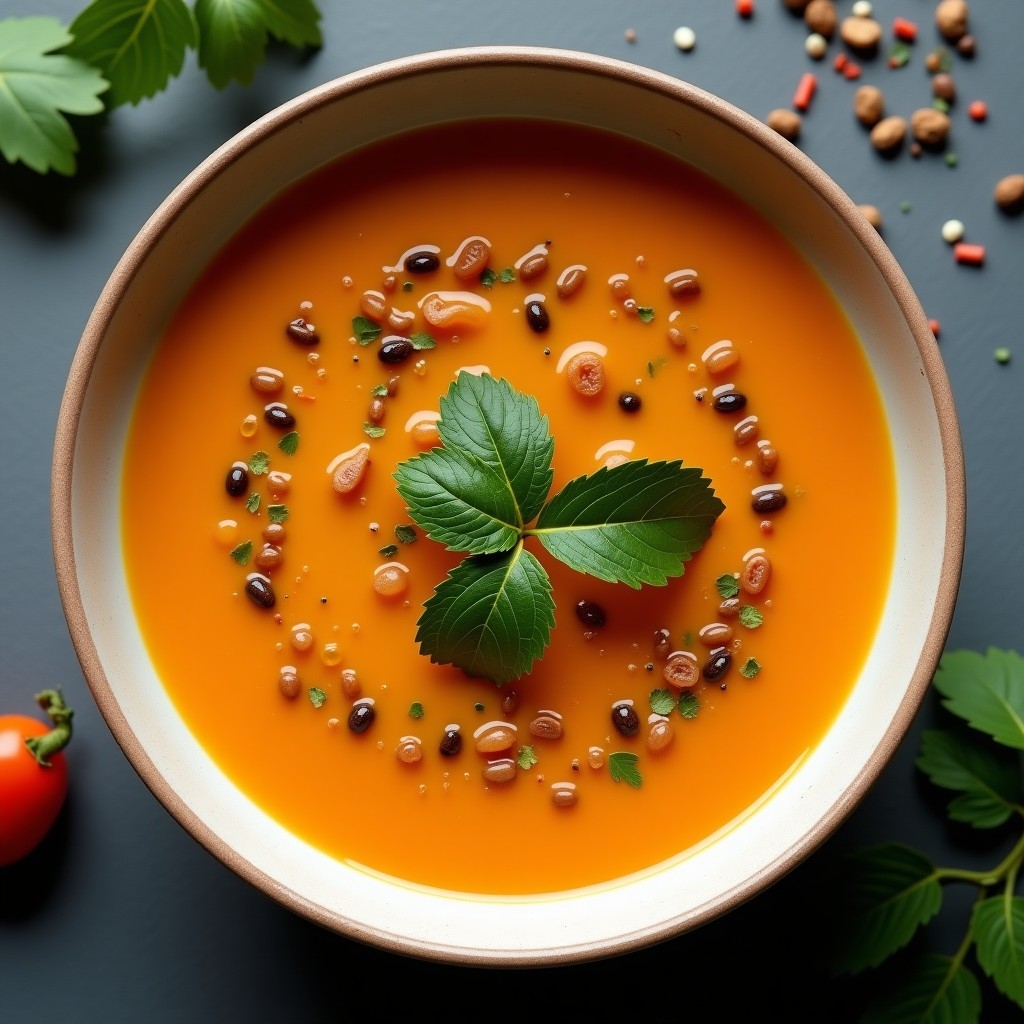
When I wander through the bustling markets of Mylapore, the aroma of fresh turmeric and the deep green of coriander always remind me why nature’s pantry is the best kitchen. Natural antioxidant foods are the unsung heroes that keep our bodies resilient, especially when we pair them with a steaming bowl of vegetarian soup after a long day. In this long‑form guide, we’ll explore what makes these foods so powerful, how they’ve been cherished in Indian households for centuries, and practical ways to weave them into your daily meals—whether you’re searching for “healthy soup near me” in Chennai or cooking a quick lunch at home.
Table of Contents
- Quick Answer
- What Is Natural Antioxidant Foods?
- History and Cultural Background
- Nutritional Overview
- Health Benefits of Natural Antioxidant Foods
- Why People Choose Natural Antioxidant Foods
- Different Variations of Antioxidant‑Rich Soups
- Best Ingredients for Antioxidant‑Rich Soups
- How to Make Your Soups Even More Antioxidant‑Heavy
- Common Mistakes to Avoid
- Expert Tips from Nutrition Researchers
- When to Enjoy Antioxidant‑Rich Soups
- Who Should Include These Foods?
- Who Should Be Cautious
- How It Fits Into a Healthy Lifestyle
- Buying Tips for Fresh Antioxidant Ingredients
- Serving Suggestions
- Storage Tips
- Frequently Asked Questions
- Conclusion
Healthy eating doesn’t have to be complicated. By focusing on whole, plant‑based nutrition, you can enjoy flavorful meals that support immune‑supporting foods, digestive health, and overall wellness.
Quick Answer
Natural antioxidant foods are plant‑derived ingredients rich in compounds like polyphenols, flavonoids, carotenoids, and vitamins C and E that neutralize free radicals in the body. Examples include berries, leafy greens, nuts, spices such as turmeric and cumin, and even certain mushrooms. Including them in a balanced diet can support a healthy lifestyle and may help reduce oxidative stress.
What Is Natural Antioxidant Foods?
In simple terms, antioxidants are molecules that protect our cells from damage caused by unstable free radicals. Natural antioxidant foods are those that naturally contain high levels of these protective compounds without any artificial processing. Think of them as the body’s internal clean‑up crew, working silently to keep you feeling energetic and vibrant.
Traditional Indian cuisine has long relied on spices like cardamom, cloves, and fenugreek—each a tiny powerhouse of antioxidants. When you blend these spices into a comforting bowl of tomato soup or a hearty lentil stew, you’re not just adding flavor; you’re fortifying your meal with natural defenses.
History and Cultural Background
Centuries ago, Ayurvedic physicians prescribed turmeric milk and ginger tea to balance the body’s doshas. These remedies weren’t just about taste; they were early recognitions of antioxidant benefits. In the coastal villages of Tamil Nadu, elders would simmer fish broth with curry leaves and mustard seeds, creating a broth rich in both protein and polyphenols.
Fast forward to today, and the same principles guide modern nutritionists who champion whole foods over processed snacks. The continuity between ancient wisdom and contemporary science is a testament to the timeless value of natural antioxidant foods.
Nutritional Overview
Below is a snapshot of the key nutrients you’ll find in top antioxidant sources:
- Vitamin C – found in citrus, bell peppers, and guava; supports collagen formation.
- Vitamin E – abundant in almonds, sunflower seeds, and avocado; protects cell membranes.
- Polyphenols – present in berries, grapes, and green tea; known for anti‑inflammatory properties.
- Carotenoids – give carrots, sweet potatoes, and pumpkin their orange hue; vital for eye health.
- Flavonoids – plentiful in onions, kale, and cocoa; aid vascular function.
When these nutrients combine in a meal—say, a lentil soup with spinach, tomatoes, and a dash of cumin—you get a synergistic boost that’s greater than the sum of its parts.
Health Benefits of Natural Antioxidant Foods
Many nutrition experts recommend incorporating antioxidant‑rich foods daily because they may help:
- Reduce oxidative stress and inflammation.
- Support heart health by improving cholesterol profiles.
- Enhance skin elasticity and delay signs of aging.
- Strengthen immune function, especially during seasonal changes.
- Promote digestive health through fiber‑rich foods.
While no single food can guarantee disease prevention, a diet rich in these ingredients can be part of a balanced diet that supports overall wellness.
Why People Choose Natural Antioxidant Foods
Beyond the health perks, people love these foods for their versatility. A handful of fresh berries can transform a plain breakfast yogurt into a vibrant, antioxidant‑packed treat. Likewise, a spoonful of ginger paste can elevate a simple vegetable broth into a soothing, immune‑supporting elixir.
In my experience, the simplest soups are the most nourishing. Adding a pinch of turmeric to a cauliflower soup not only deepens the flavor but also introduces a potent antioxidant.
Different Variations of Antioxidant‑Rich Soups
Whether you crave a light lunch or a hearty dinner, there’s a soup for every occasion:
- Green Goddess Soup – spinach, kale, peas, and a splash of coconut milk.
- Spiced Pumpkin Bisque – pumpkin, carrots, cumin, and a drizzle of olive oil.
- Berry‑Infused Miso – miso broth with blueberries, bok choy, and tofu.
- Turmeric Lentil Soup – red lentils, tomatoes, turmeric, and coriander.
- Classic Tomato Soup – ripe tomatoes, basil, and a hint of smoked paprika.
Each variation showcases a different palette of natural antioxidant foods while staying true to the comforting essence of soup.
Best Ingredients for Antioxidant‑Rich Soups
Here’s a quick reference of the top ingredients you can stock in your pantry:
- Blueberries – high in anthocyanins.
- Spinach – loaded with lutein and vitamin C.
- Carrots – rich in beta‑carotene.
- Turmeric – contains curcumin, a powerful polyphenol.
- Garlic – boosts allicin, a natural antioxidant.
- Red bell peppers – packed with vitamin A and C.
- Almonds – a source of vitamin E.
- Green tea leaves – perfect for a broth base.
- Tomatoes – abundant in lycopene.
- Fresh herbs (cilantro, mint, basil) – add flavor and antioxidants.
Mix and match these ingredients to create soups that are both nutritious and delicious. Fresh ingredients generally retain better flavor when added at the end of cooking, a tip I learned from my grandmother’s kitchen.
How to Make Your Soups Even More Antioxidant‑Heavy
1. Start with a nutrient‑dense base. Use bone broth or vegetable stock simmered with onions, garlic, and ginger.
2. Add colorful vegetables early. The longer they cook, the more their antioxidants infuse the broth.
3. Finish with fresh herbs. Sprinkle cilantro or basil just before serving to preserve volatile compounds.
4. Include a healthy fat. A teaspoon of olive oil or a dollop of avocado helps your body absorb fat‑soluble antioxidants like carotenoids.
5. Season wisely. A pinch of black pepper enhances the absorption of curcumin from turmeric.
These small tweaks can turn an ordinary bowl into a powerhouse of plant‑based nutrition.
Common Mistakes to Avoid
Even seasoned cooks can slip up. Here are pitfalls I see often:
- Over‑cooking greens – prolonged heat can degrade vitamin C.
- Using canned tomatoes with added sugars – reduces antioxidant potential.
- Skipping the finishing herbs – you lose fresh flavor and antioxidant boost.
- Neglecting healthy fats – without fat, carotenoids remain poorly absorbed.
By paying attention to these details, you’ll keep the nutritional integrity of your soup intact.
Expert Tips from Nutrition Researchers
• Rotate your colors. Aim for at least three different hues in each soup to maximize the range of antioxidants.
• Mind the temperature. Keep the broth just below boiling when adding delicate herbs to preserve their volatile oils.
• Batch‑cook smart. Freeze portions in airtight containers; antioxidants remain stable for up to three months.
• Pair with whole grains. Adding quinoa or brown rice provides fiber‑rich foods that further support digestive health.
When to Enjoy Antioxidant‑Rich Soups
These soups shine as a light meal for lunch, a comforting dinner, or even a post‑workout recovery snack. A warm bowl after a brisk walk in Mylapore’s Marina Beach can soothe muscles while delivering antioxidants that aid cellular repair.
Who Should Include These Foods?
Anyone seeking a balanced diet can benefit—students needing brain‑boosting nutrients, busy professionals craving quick, nutritious meals, and seniors looking to support joint health. Vegetarians and vegans especially appreciate the plant‑based sources of antioxidants.
Who Should Be Cautious
People with specific allergies (e.g., nuts or certain herbs) should substitute safe alternatives. Those on blood‑thinning medication might need to moderate high‑vitamin K foods like kale, but always consult a healthcare professional before making major changes.
How It Fits Into a Healthy Lifestyle
Natural antioxidant foods complement a holistic approach that includes regular movement, adequate sleep, and stress management. When you pair a bowl of antioxidant‑rich soup with a short walk, you amplify the benefits of both nutrition and physical activity.
Buying Tips for Fresh Antioxidant Ingredients
- Choose deep‑colored produce; richer hues often signal higher antioxidant levels.
- Buy organic when possible, especially for berries and leafy greens, to reduce pesticide residues.
- Visit local farmer’s markets in Chennai for seasonal vegetables—freshness translates to higher nutrient content.
- Store nuts in airtight containers in the fridge to prevent oxidation.
- Freeze excess herbs in ice‑cube trays with a splash of water for later use.
Serving Suggestions
Serve your soup with a side of whole‑grain toast, a drizzle of probiotic yogurt, or a sprinkle of toasted seeds. For a festive touch, garnish with edible flowers like nasturtium, which add both visual appeal and extra antioxidants.
Storage Tips
Cool the soup quickly by placing the pot in an ice bath before refrigerating. Store in glass jars with tight lids; consume within 3‑4 days for optimal flavor. For longer storage, portion into freezer‑safe bags and label with the date.
Frequently Asked Questions
- What are the top three natural antioxidant foods?
- Blueberries, spinach, and turmeric consistently rank high due to their dense polyphenol, lutein, and curcumin content respectively.
- Can I get enough antioxidants from soup alone?
- A well‑balanced bowl that includes a variety of vegetables, herbs, and a healthy fat can provide a substantial portion of daily antioxidant needs, but it’s best combined with other whole foods throughout the day.
- Is tomato soup considered a healthy antioxidant option?
- Yes. Fresh tomatoes are rich in lycopene, an antioxidant that becomes more bioavailable when cooked with a little olive oil.
- How does cooking affect antioxidant levels?
- Gentle cooking can actually increase the availability of some antioxidants, like lycopene in tomatoes, while excessive heat may degrade heat‑sensitive nutrients such as vitamin C.
- Do antioxidant foods help with skin health?
- They may support skin health by combating oxidative stress, which can accelerate aging. Including foods like carrots, berries, and nuts can contribute to a radiant complexion.
- Are there any antioxidant foods to avoid for people with thyroid issues?
- Individuals with thyroid conditions may need to moderate large amounts of cruciferous vegetables (e.g., kale, broccoli) raw, as they contain goitrogens. Cooking reduces this effect.
- Can I use frozen vegetables in antioxidant soups?
- Frozen produce is often flash‑frozen at peak ripeness, preserving most antioxidants. They’re a convenient option when fresh isn’t available.
- What’s the best time of day to eat an antioxidant‑rich soup?
- There’s no strict rule, but many find a warm bowl ideal for lunch or dinner, as it provides sustained energy and supports digestion.
Conclusion
Embracing natural antioxidant foods is a delicious way to nurture your body, especially when you turn them into comforting soups that fit any season. From the bustling lanes of Mylapore to your own kitchen, the possibilities are endless—just remember to pick colorful, fresh ingredients, add a splash of healthy fat, and finish with fragrant herbs.
Ready to explore more? Dive into our collection of wholesome, vegetarian soups and discover how a simple bowl can become a cornerstone of your healthy lifestyle. Your next favorite soup is just a click away.