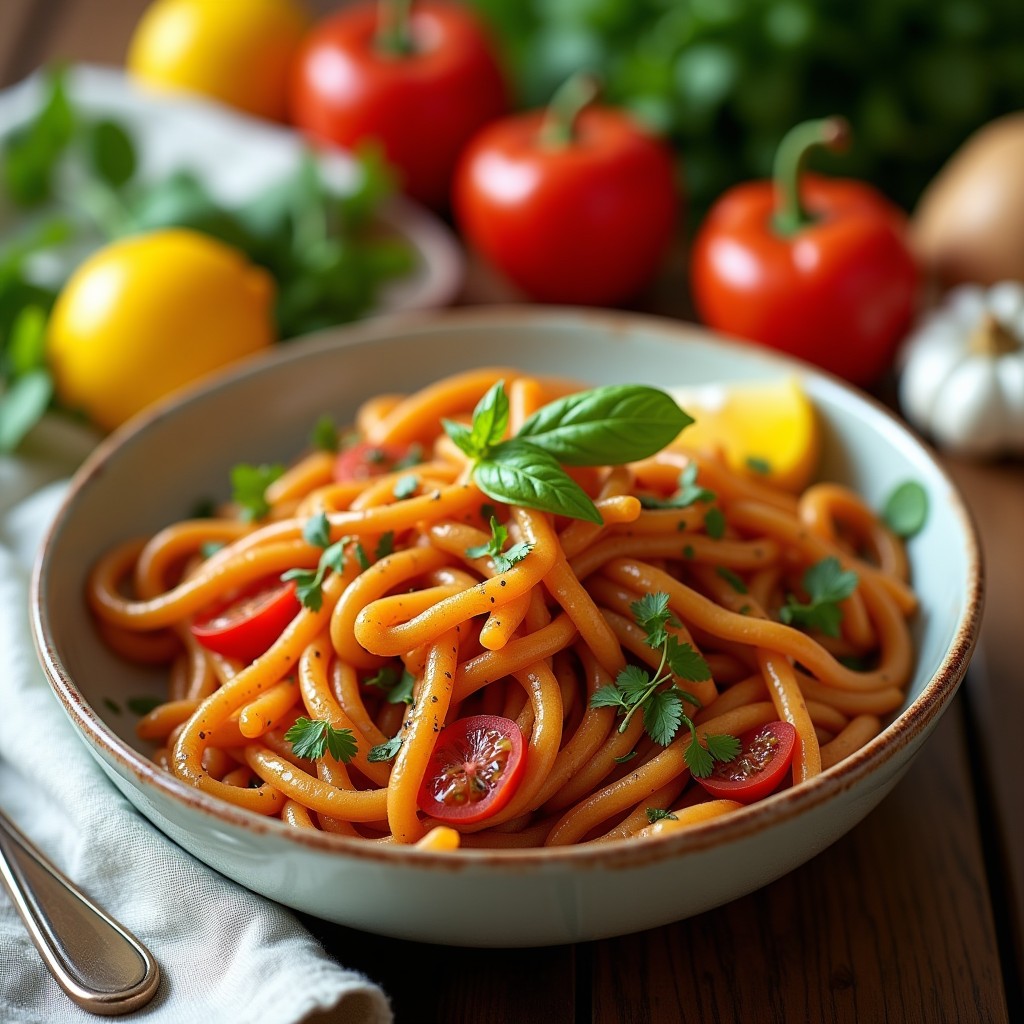
When you hear “immune‑support,” the mind often jumps to supplements or exotic superfoods. In my kitchen, the real heroes are the everyday items we already have on the shelf. Daily foods for better immunity are simple, affordable, and delicious—especially when they find their way into a warm bowl of soup. Below you’ll discover how traditional Indian flavors, seasonal vegetables, and plant‑based nutrition combine to keep your defenses strong.
Table of Contents
- Quick Answer
- What Is Daily Foods for Better Immunity?
- History or Background
- Nutritional Overview
- Health Benefits
- Why People Choose It
- Different Variations
- Best Ingredients
- How to Make It Better
- Common Mistakes
- Expert Tips
- When to Eat It
- Who Should Eat It
- Who Should Avoid It
- How It Fits Into a Healthy Lifestyle
- Buying Tips
- Serving Suggestions
- Storage Tips
- Frequently Asked Questions
- Conclusion
Quick Answer
If you’re looking for a one‑sentence guide, here it is:
- Daily foods for better immunity are whole, fiber‑rich, and vitamin‑packed ingredients—like turmeric, ginger, leafy greens, lentils, and mushrooms—that can be enjoyed in fresh soups, salads, or light meals throughout the day.
What Is Daily Foods for Better Immunity?
In plain terms, these are the foods you can incorporate into breakfast, lunch, dinner, or snacks that naturally support your body’s defense mechanisms. Think of them as the pantry staples that, when combined correctly, become a nutritional shield. They’re not miracle cures, but many nutrition experts recommend them as part of a balanced diet that may help you stay healthier during cold season.
History or Background
Traditional Indian households have long relied on spice‑laden broths to soothe colds and aid digestion. Ayurvedic texts describe “rasayana” foods—ingredients that rejuvenate the body’s tissues. Over centuries, families in Delhi, Mumbai, and Bengaluru have passed down recipes that marry turmeric’s anti‑inflammatory power with the gut‑friendly fiber of lentils. Today, modern research is catching up, confirming that many of these age‑old practices have genuine immune‑supporting benefits.
Nutritional Overview
Most of the immune‑boosting foods fall into three nutrient groups:
- Vitamin C & antioxidants – citrus, tomatoes, bell peppers, and leafy greens.
- Vitamin D & zinc – fortified plant milks, mushrooms exposed to sunlight, and pumpkin seeds.
- Phytonutrients & anti‑inflammatories – turmeric, ginger, garlic, and black pepper.
When you blend these into a healthy soup or a quick stir‑fry, you get a meal that’s both nutrient dense and easy on the stomach.
Health Benefits
Including daily foods for better immunity in your routine can:
- Support digestive health by feeding beneficial gut bacteria with fiber‑rich vegetables.
- Provide antioxidants that protect cells from oxidative stress.
- Offer anti‑inflammatory compounds that may reduce the severity of seasonal sniffles.
- Help maintain steady energy levels, making it easier to stay active.
Many studies suggest that a diet rich in whole foods may reduce the frequency of common colds, though individual results vary.
Why People Choose It
People gravitate toward these foods because they’re:
- Readily available at local markets—think of the fresh coriander you see at a Bangalore “near me” stall.
- Versatile: you can turn them into a hearty dinner, a light lunch, or a soothing bedtime broth.
- Budget‑friendly: lentils, beans, and seasonal veg are cheaper than most processed “immune‑boost” powders.
“Healthy eating doesn’t have to be complicated,” I often tell my readers.
Different Variations
From the north Indian dal‑shorba to the south Indian rasam, there’s a soup for every palate. Vegetarian soups, like a mushroom‑tomato broth, bring umami without meat. Traditional Indian soups often feature a base of simmered onions, tomatoes, and a pinch of asafoetida—a flavor enhancer that also aids digestion.
Best Ingredients
Here’s a quick list of immune‑supporting stars you can keep on hand:
- Turmeric (fresh or powder)
- Ginger root
- Garlic cloves
- Leafy greens – spinach, kale, methi
- Seasonal vegetables – carrots, beetroot, pumpkin
- Mushrooms – especially shiitake or button
- Lentils & split peas
- Whole grains – brown rice, quinoa
- Fresh herbs – cilantro, mint, curry leaves
Fresh ingredients generally retain better flavor when added at the end of cooking, a tip I learned from my grandmother’s kitchen.
How to Make It Better
Elevate a basic broth by:
- Toasting spices in a dry pan for 30 seconds to release aromatics.
- Finishing with a splash of lemon juice or a drizzle of ghee for extra richness.
- Adding a handful of sprouted beans for crunch and extra protein.
Sometimes the simplest soups are the most nourishing.
Common Mistakes
Even seasoned cooks slip up:
- Over‑cooking leafy greens, which destroys vitamin C.
- Using too much salt, which can counteract the benefits of potassium‑rich veggies.
- Skipping the “fat‑soluble” step—adding a bit of oil helps your body absorb curcumin from turmeric.
Expert Tips
Nutrition researcher Dr. Ananya Rao suggests:
- Pairing iron‑rich lentils with a squeeze of lemon to boost absorption.
- Including a pinch of black pepper with turmeric for better bioavailability.
- Rotating seasonal vegetables to keep the gut microbiome diverse.
When to Eat It
Warm soups are perfect for a chilly morning or a post‑workout recovery drink. A light lunch of vegetable stir‑fry with quinoa can keep you energized through the afternoon. If you’re battling a mild fever, a gentle ginger‑garlic broth may soothe the throat and keep hydration up.
Who Should Eat It
Anyone looking to adopt a healthy lifestyle can benefit—students, office workers, seniors, and athletes alike. Plant‑based eaters especially love these dishes because they pack protein, fiber, and micronutrients without relying on animal products.
Who Should Avoid It
People with specific allergies (e.g., to lentils or certain spices) should modify recipes. Those on low‑sodium diets need to watch the salt content. As always, consult a healthcare professional if you have chronic conditions.
How It Fits Into a Healthy Lifestyle
Integrating daily foods for better immunity is as easy as swapping a processed snack for a handful of roasted pumpkin seeds. Pair these foods with regular movement, adequate sleep, and stress‑management practices, and you’ve built a solid foundation for wellness.
Buying Tips
When you shop “near me” in Mumbai or Delhi, look for:
- Bright, firm vegetables without blemishes.
- Whole spices rather than pre‑ground mixes (they retain flavor longer).
- Organic lentils if possible—less chance of pesticide residue.
Fresh herbs should have a lively scent; wilted leaves lose much of their nutrient punch.
Serving Suggestions
Serve a bowl of turmeric‑ginger soup with a side of whole‑grain toast, or drizzle a carrot‑cumin puree over quinoa. A garnish of toasted sesame seeds adds crunch and a boost of calcium.
Storage Tips
Cool soups quickly, then store in airtight containers. They last up to four days in the fridge and three months in the freezer. Reheat gently on the stove to preserve delicate nutrients.
Frequently Asked Questions
- What is mushroom soup?
- Mushroom soup is a creamy or broth‑based dish made from sautéed mushrooms, onions, and often a splash of plant‑based milk. It’s rich in vitamin D and antioxidants, making it a solid choice for immune support.
- Is tomato soup healthy?
- Yes, when prepared with fresh tomatoes, herbs, and minimal added sugar, tomato soup provides vitamin C, lycopene, and potassium. It can be a comforting part of a balanced diet.
- Why is herbal soup popular in India?
- Herbal soups combine spices like turmeric, cumin, and coriander with vegetables, delivering anti‑inflammatory compounds and warmth that many traditional Indian families believe helps the body recover from illness.
- Can I make an immune‑boosting soup without dairy?
- Absolutely. Coconut milk, almond milk, or simply water can replace dairy. Adding a teaspoon of ghee or a drizzle of olive oil ensures you still get healthy fats for nutrient absorption.
- How often should I eat immune‑supporting foods?
- Incorporating them into most meals—ideally 4‑5 times a week—helps maintain steady nutrient levels. Consistency matters more than occasional “mega‑doses.”
- Do spices lose their benefits when cooked?
- Some heat‑sensitive vitamins, like vitamin C, can degrade, but many spices (turmeric, ginger, garlic) actually become more potent after brief cooking, especially when paired with a little fat.
Conclusion
Building a diet of daily foods for better immunity isn’t about exotic ingredients; it’s about using what’s already in your pantry and turning it into tasty, nutrient‑dense meals. From a steaming bowl of traditional Indian soup to a quick lentil salad, each bite can be a step toward stronger wellness. Ready to explore more? Check out our collection of Traditional Indian Herbal Soup, dive into Healthy Eating Tips, or discover the Best Soup During Fever Recovery. Your next immune‑supporting bowl is just a click away.
For further reading on nutrition guidelines, visit the World Health Organization website.