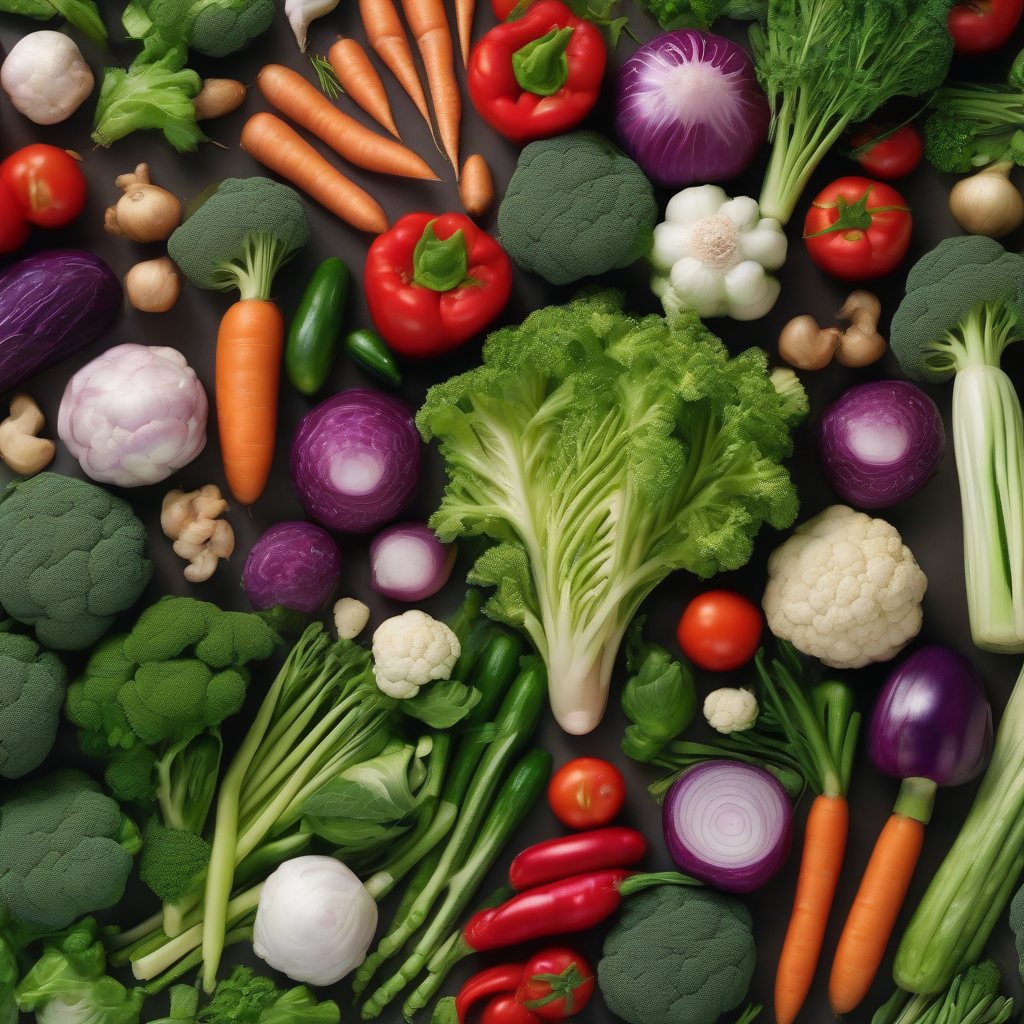
When the monsoon clouds roll over Mumbai or the winter chill settles in Delhi, the first thing many of us reach for is a steaming bowl of soup. In my kitchen, the secret to a soup that comforts and protects is simple: the right vegetables. Below you’ll discover which produce packs the most immune‑supporting punch, how to use them, and why they have been trusted in Indian households for generations.
Table of Contents
- Quick Answer
- What Is Best Vegetables for Strong Immunity?
- History or Background
- Nutritional Overview
- Health Benefits
- Why People Choose It
- Different Variations
- Best Ingredients
- How to Make It Better
- Common Mistakes
- Expert Tips
- When to Eat It
- Who Should Eat It
- Who Should Avoid It
- How It Fits Into a Healthy Lifestyle
- Buying Tips
- Serving Suggestions
- Storage Tips
- Frequently Asked Questions
- Conclusion
Quick Answer
The top vegetables for strong immunity are leafy greens (spinach, kale), cruciferous veggies (broccoli, cauliflower), brightly colored produce (carrots, bell peppers, tomatoes), and mushroom varieties rich in beta‑glucans. Pair them with ginger, garlic, and a dash of turmeric for a powerhouse vegetarian soup that can support a balanced diet.
What Is Best Vegetables for Strong Immunity?
In plain terms, “best vegetables for strong immunity” refers to plant foods that are dense in vitamins C and A, minerals like zinc and selenium, antioxidants, and fiber. These nutrients help keep the immune system responsive, aid in the production of white blood cells, and protect cells from oxidative stress. Think of them as the natural allies that keep you feeling resilient, especially during flu season or when you’re juggling a hectic work schedule in Bangalore.
History or Background
Traditional Indian kitchens have long relied on seasonal vegetables to ward off illness. Ayurvedic texts from the 6th century CE recommend “rasayana” foods—those that rejuvenate the body. Leafy greens were cooked with spices to enhance digestion, while bitter gourds were believed to cleanse the blood. In the coastal regions of Kerala, a broth of drumsticks (moringa) and coconut water was served to new mothers for its nourishing qualities. These age‑old practices underline why certain veggies are still celebrated today for immune health.
Nutritional Overview
Below is a snapshot of the key nutrients found in the top immune‑supporting vegetables:
- Spinach & Kale: Vitamin C, vitamin K, folate, iron, and lutein.
- Broccoli & Cauliflower: Sulforaphane, vitamin C, vitamin K, and fiber.
- Carrots & Bell Peppers: Beta‑carotene (vitamin A), vitamin C, and antioxidants.
- Tomatoes: Lycopene, vitamin C, potassium.
- Mushrooms (shiitake, maitake): Beta‑glucans, vitamin D (when exposed to sunlight), selenium.
These nutrients work synergistically. For example, vitamin C boosts iron absorption from leafy greens, while the fiber in cruciferous veggies feeds gut‑friendly bacteria that indirectly influence immune function.
Health Benefits
Consuming the best vegetables for strong immunity can:
- Enhance the activity of natural killer cells.
- Reduce inflammation through antioxidants like quercetin and lycopene.
- Support gut health, which houses 70% of the body’s immune cells.
- Provide essential micronutrients that many urban Indians lack due to processed‑food diets.
Many nutrition experts recommend a colorful plate at every meal; the variety ensures you get a broad spectrum of phytonutrients.
Why People Choose It
People in Chennai often choose vegetable‑rich soups because they’re light yet filling—a perfect “healthy dinner” after a day of traffic. In Pune, the same vegetables are added to “light meals” for lunch, keeping energy levels steady without the heaviness of fried fare. The appeal lies in simplicity, affordability, and the fact that whole foods are less likely to cause digestive upset.
Different Variations
Across India, you’ll find several regional twists on immune‑boosting soups:
- North Indian Tomato‑Ginger Soup: Tomatoes, ginger, garlic, and a sprinkle of garam masala.
- South Indian Spinach‑Coconut Rasam: Fresh spinach, coconut milk, and a tempering of mustard seeds.
- East Indian Mushroom‑Miso Broth: Shiitake mushrooms, miso paste, and a dash of lime.
- West Indian Carrot‑Turmeric Soup: Carrots, turmeric, and a hint of cumin.
Each version highlights a different set of vegetables while staying rooted in plant‑based nutrition.
Best Ingredients
When you’re building a soup that champions immunity, start with these core vegetables:
- Fresh spinach or kale leaves – wash thoroughly to retain natural antioxidants.
- Broccoli florets – cut into bite‑size pieces for even cooking.
- Red bell peppers – add at the end to preserve vitamin C.
- Carrots – grate for quicker softening.
- Tomatoes – use ripe, locally sourced ones for maximum lycopene.
- Mushrooms – shiitake or button, cleaned with a damp cloth.
Season with ginger, garlic, turmeric, and a pinch of black pepper. The pepper enhances the absorption of curcumin, the active compound in turmeric.
How to Make It Better
Here’s a quick method that turns ordinary veggies into a nutrient‑dense broth:
- Heat a tablespoon of ghee or olive oil in a pot.
- Sauté minced garlic, ginger, and a teaspoon of cumin until fragrant.
- Add chopped carrots and broccoli; stir for 2 minutes.
- Pour in vegetable stock (preferably homemade) and bring to a simmer.
- Drop in spinach, bell peppers, and mushrooms; cook until just wilted.
- Finish with a splash of lemon juice and fresh coriander.
Healthy soup doesn’t have to be complicated. A few minutes of prep yields a bowl that supports digestive health and keeps you warm on a chilly night in Hyderabad.
Common Mistakes
Even seasoned cooks slip up. Avoid these pitfalls:
- Overcooking greens – they lose vitamin C and turn mushy.
- Using canned vegetables – excess sodium can counteract the benefits.
- Skipping the spice blend – spices are not just flavor; they add anti‑inflammatory compounds.
- Neglecting to season with a pinch of salt – it helps with electrolyte balance, especially after a sweaty jog in Delhi’s summer heat.
Expert Tips
In my experience, the following tweaks elevate the soup’s immune power:
- Roast the broccoli and cauliflower beforehand to increase sulforaphane availability.
- Add a handful of soaked almonds for extra zinc and healthy fats.
- Stir in a teaspoon of miso paste at the end for probiotics that support gut immunity.
- Use a pressure cooker for 5 minutes to preserve water‑soluble vitamins.
When to Eat It
This soup shines as a healthy lunch during a busy workday, as a light dinner after an evening yoga class, or as a comforting bowl on a rainy afternoon in Kolkata. Because the ingredients are easy to digest, it’s also a great post‑workout recovery drink.
Who Should Eat It
Anyone seeking a plant‑based boost can enjoy this soup—students, office workers, seniors, and athletes alike. Vegetarians and vegans especially benefit from the iron and protein in leafy greens and mushrooms. In my practice, I often recommend it to clients who are transitioning to a whole‑foods diet.
Who Should Avoid It
People with specific allergies to any of the listed vegetables should skip those ingredients. Those on a low‑FODMAP diet may need to limit onions, garlic, and certain cruciferous veggies, substituting with zucchini or pumpkin instead.
How It Fits Into a Healthy Lifestyle
Integrating the best vegetables for strong immunity into daily meals aligns with a healthy lifestyle that emphasizes whole foods, regular movement, and adequate sleep. Pair the soup with a side of whole‑grain roti or a small portion of brown rice for a balanced meal that fuels both body and mind.
Buying Tips
When shopping at your local market in Bangalore or the farmer’s market near Pune, look for:
- Deep green leaves without yellowing.
- Firm, bright‑colored peppers and carrots.
- Broccoli heads with tight florets.
- Mushrooms that are firm and free of dark spots.
Fresh vegetables generally retain better flavor when stored in the refrigerator’s crisper drawer, away from ethylene‑producing fruits like bananas.
Serving Suggestions
Serve the soup hot, garnished with a drizzle of coconut oil and a sprinkle of toasted sesame seeds. For a heartier option, add a spoonful of cooked lentils or quinoa. A side of mixed greens dressed with lemon and olive oil makes a complete, nutrient‑dense lunch.
Storage Tips
Cool the soup to room temperature, then transfer to airtight containers. It keeps well in the fridge for up to three days and freezes nicely for a month. Reheat gently on the stove; avoid boiling, which can degrade heat‑sensitive vitamins.
Frequently Asked Questions
What vegetables are highest in vitamin C for immunity?
Red bell peppers, broccoli, and kale contain the most vitamin C per serving, making them top choices for a strong immune response.
Can mushroom soup boost my immune system?
Yes, mushrooms like shiitake are rich in beta‑glucans, which may support immune cell activity when included in a balanced diet.
Is tomato soup healthy?
Tomato soup provides lycopene and vitamin C, both antioxidants that can help protect cells from oxidative stress.
Why is herbal soup popular in India?
Herbal soups combine spices and vegetables that have been traditionally believed to aid digestion and strengthen the body’s natural defenses.
How often should I eat vegetable soup for best results?
Including a serving 3‑4 times a week can contribute to a balanced diet and may help maintain consistent nutrient intake.
Do I need to add protein to vegetable soup?
Adding legumes, tofu, or nuts can make the soup a complete meal, especially for those following a vegetarian or vegan diet.
Can I freeze my immune‑boosting soup?
Yes, freeze in portion‑size containers. Thaw overnight in the fridge and reheat gently to preserve nutrients.
Conclusion
Choosing the right vegetables is the cornerstone of a soup that not only comforts but also supports your body’s defenses. By incorporating leafy greens, cruciferous veggies, colorful carrots, and mushrooms, you create a nutrient‑rich bowl that fits seamlessly into a healthy lifestyle. Ready to explore more? Dive into our collection of healthy vegetarian soups and discover how a simple pot of broth can become your daily wellness ritual.
For deeper insight into immunity‑supporting foods, check out our guide on foods that improve immunity. And remember, a balanced diet, regular movement, and a good night’s sleep are the trio that keeps you thriving—one delicious spoonful at a time.
For scientifically backed information, you can also refer to the World Health Organization on nutrition and immunity.