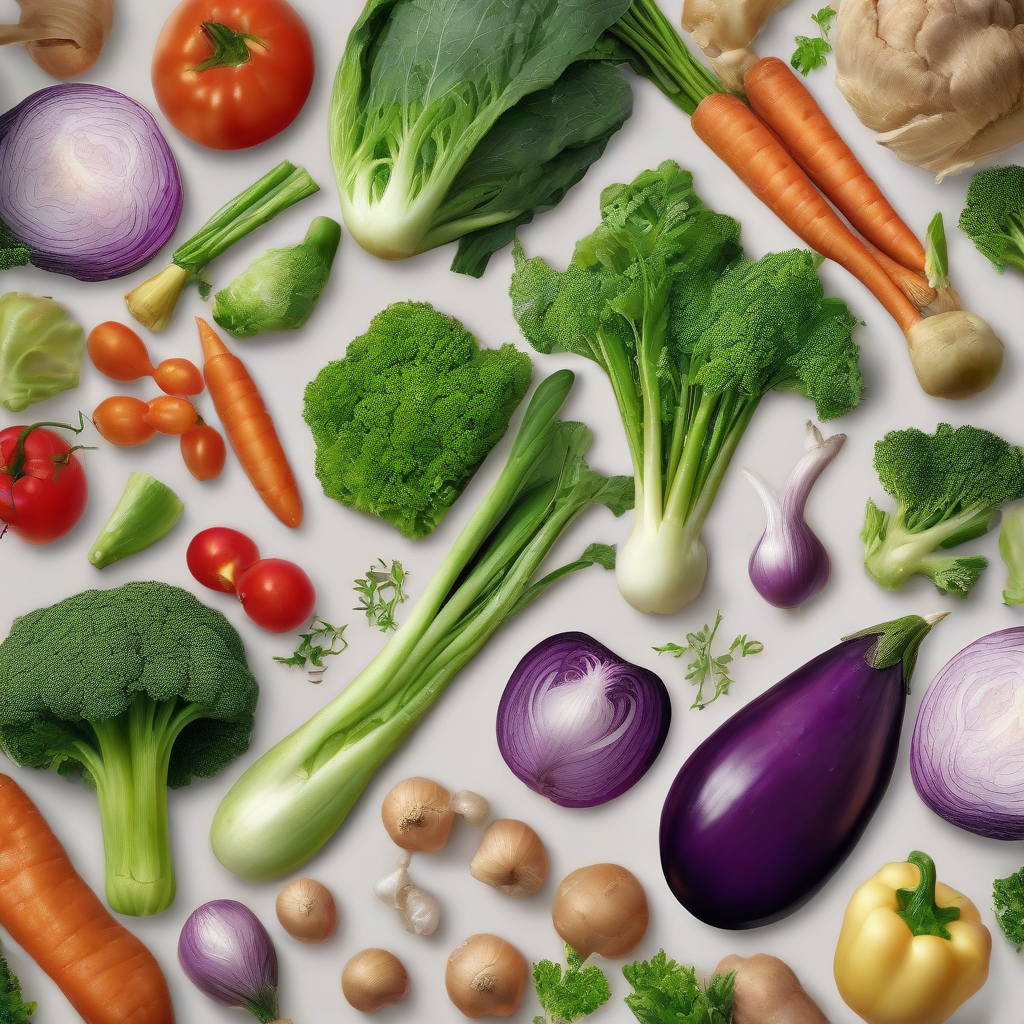
When the cold season rolls around or you simply want to keep your defenses up, the best vegetables for strong immunity become your secret weapon. In my years covering food markets from Delhi to Bengaluru, I’ve seen how a handful of fresh, plant‑based staples can turn an ordinary meal into a protective shield. Below you’ll discover why these veggies matter, how to choose them, and simple ways to weave them into soups that taste as good as they feel.
Table of Contents
- Quick Answer
- What Is “Best Vegetables for Strong Immunity”?
- History or Background
- Nutritional Overview
- Health Benefits
- Why People Choose It
- Different Variations
- Best Ingredients
- How to Make It Better
- Common Mistakes
- Expert Tips
- When to Eat It
- Who Should Eat It
- Who Should Avoid It
- How It Fits Into a Healthy Lifestyle
- Buying Tips
- Serving Suggestions
- Storage Tips
- Snippet‑Ready Definitions
- Frequently Asked Questions
- Conclusion
Quick Answer
The top immunity‑boosting vegetables are leafy greens (spinach, kale), cruciferous powerhouses (broccoli, cauliflower), brightly colored roots (carrots, sweet potatoes), and mushroom varieties rich in beta‑glucans. Pair them with ginger, garlic, and a splash of lemon for a quick, nutrient‑dense soup that supports a healthy lifestyle.
What Is “Best Vegetables for Strong Immunity”?
In nutrition research, the phrase refers to vegetables that supply high levels of vitamin C, vitamin A, zinc, selenium, and antioxidants—nutrients known to support the body’s natural defense mechanisms. While no single food can guarantee illness‑free days, a diet rich in these plant‑based foods may help the immune system respond more efficiently.
History or Background
Traditional Indian households have long relied on seasonal produce to keep families well. Ayurvedic texts describe “rasayana” foods—ingredients that rejuvenate the body’s vital energy. Many of those rasayana choices—like amaranth leaves, drumsticks, and turmeric‑spiced pumpkin—align perfectly with modern science’s view of immune‑supporting vegetables.
Nutritional Overview
Below is a snapshot of the key nutrients you’ll find in the top vegetables:
- Vitamin C: Bell peppers, broccoli, kale – essential for white‑blood‑cell function.
- Vitamin A (beta‑carotene): Carrots, sweet potatoes, pumpkin – supports mucosal barriers.
- Vitamin E: Spinach, Swiss chard – protects cell membranes from oxidative stress.
- Zinc & Selenium: Mushrooms, asparagus – cofactors for immune‑cell enzymes.
- Fiber: All listed veggies – feeds gut microbiota, which in turn influences immunity.
When you combine these vegetables in a single bowl, the synergy often exceeds the sum of its parts.
Health Benefits
Consistent consumption of these vegetables can:
- Enhance digestive health by providing fiber‑rich foods.
- Support skin integrity, the first line of defense, thanks to vitamin A and E.
- Reduce inflammation through antioxidants like quercetin and lutein.
- Maintain balanced blood sugar, especially when paired with legumes in a soup.
Many nutrition experts recommend at least five servings of vegetables daily for optimal immune function.
Why People Choose It
Beyond the science, there’s a cultural comfort. A steaming bowl of vegetable soup on a monsoon evening feels like a warm hug. It’s also budget‑friendly, especially when you shop at local markets in Mumbai or Chennai “near me.” Seasonal produce is usually cheaper, fresher, and more nutrient‑dense.
Different Variations
From a light, clear broth to a creamy, blended delight, the ways to showcase these vegetables are endless. Here are three popular styles you’ll find across Indian kitchens:
- Traditional Indian Soup: Tempered with cumin, mustard seeds, and curry leaves.
- Vegetarian Soup: A pureed mix of cauliflower, carrots, and a splash of coconut milk.
- Healthy Soup for Lunch: Quick sautéed spinach and mushroom broth, ready in 15 minutes.
Best Ingredients
When you’re building a immunity‑supporting soup, start with a base of these vegetables:
- Spinach or kale – iron‑rich leafy greens.
- Broccoli florets – high in vitamin C and sulforaphane.
- Carrots – beta‑carotene powerhouse.
- Sweet potatoes – complex carbs and vitamin A.
- Button or shiitake mushrooms – natural beta‑glucans.
- Red bell pepper – adds color and a vitamin C boost.
Fresh ingredients make all the difference. In my experience, vegetables purchased the same day from a local farmer’s market retain more antioxidants than those stored for weeks.
How to Make It Better
Simple tricks can lift a humble soup to restaurant quality:
- Start with a homemade vegetable stock; simmer onion, garlic, and ginger for depth.
- Finish with a drizzle of cold‑pressed olive oil or ghee for healthy fats.
- Add a squeeze of lemon just before serving to preserve vitamin C.
- Blend half the soup for a creamy texture without dairy.
Healthy eating doesn’t have to be complicated.
Common Mistakes
Even seasoned cooks slip up:
- Overcooking greens – they lose their bright color and some nutrients.
- Using canned vegetables with added sodium, which can counteract the health benefits.
- Skipping the spice layer; spices like turmeric and black pepper enhance absorption of nutrients.
Expert Tips
Many nutrition experts recommend rotating vegetables weekly to cover the full spectrum of micronutrients. Pairing iron‑rich greens with a source of vitamin C (like bell pepper) maximizes iron absorption—a tip I’ve heard from both dietitians and my grandmother’s kitchen.
When to Eat It
These soups shine as a light meal for lunch, a warm dinner after a busy day, or even as a post‑workout recovery drink. Because they are easy on digestion, they’re also suitable for early mornings when the stomach is still waking up.
Who Should Eat It
Anyone looking to maintain a balanced diet can benefit—from students pulling all‑night study sessions to senior citizens seeking gentle, fiber‑rich meals. Vegetarians and vegans especially appreciate the plant‑based nutrition packed in each bowl.
Who Should Avoid It
People with specific allergies to any of the listed vegetables should skip them. Those on low‑potassium diets (often advised for certain kidney conditions) might need to limit high‑potassium veggies like spinach and sweet potatoes after consulting a healthcare professional.
How It Fits Into a Healthy Lifestyle
Integrating these vegetables into daily meals supports a whole‑foods approach. Pair a bowl of vegetable soup with a side of whole‑grain roti, and you have a nutritious, fiber‑rich dinner that aligns with a healthy lifestyle and promotes digestive health.
Buying Tips
- Choose vegetables that are firm, vibrant, and free of blemishes.
- For leafy greens, look for crisp leaves and avoid wilting.
- Buy in season—broccoli in winter, tomatoes in summer—for the best flavor and price.
- If you’re in Delhi, check the local “Sabzi Mandi” for the freshest produce near you.
Serving Suggestions
Serve the soup hot, garnished with fresh cilantro, a sprinkle of toasted sesame seeds, or a dash of homemade chili oil for a little heat. Pair with a side salad of cucumber and mint for a light, refreshing contrast.
Storage Tips
Cool the soup to room temperature, then refrigerate in airtight containers for up to three days. For longer storage, freeze in portion‑size bags; the vegetables retain their nutrients when reheated gently on the stove.
Snippet‑Ready Definitions
What is Mushroom Soup? Mushroom soup is a broth‑based dish that uses mushrooms as the primary ingredient, often enriched with herbs, cream, or coconut milk for a smooth texture.
Is Tomato Soup Healthy? Tomato soup can be healthy when prepared with fresh tomatoes, low‑sodium stock, and minimal added fats, providing vitamin C, lycopene, and antioxidants.
Why is Herbal Soup Popular? Herbal soup is popular because it combines water‑soluble nutrients from herbs with the comforting warmth of broth, making it a gentle way to support wellness.
Frequently Asked Questions
Can I use frozen vegetables for immunity‑boosting soup? Yes, frozen vegetables retain most of their nutrients if they’re flash‑frozen at peak freshness. Just add them directly to the pot without thawing.
How many servings of these vegetables should I aim for each day? Nutrition guidelines suggest at least five servings of vegetables daily, mixing colors and types to cover a broad nutrient range.
Do spices affect the immune benefits of the soup? Certain spices like turmeric, ginger, and black pepper have anti‑inflammatory properties and can enhance the absorption of nutrients such as curcumin.
Is it okay to add lentils or beans to the soup? Absolutely. Adding legumes boosts protein and fiber, turning the soup into a complete, plant‑based meal.
Can children enjoy these soups? Yes, mild versions without excessive heat are perfect for kids, providing essential vitamins for growing bodies.
What’s the best way to reheat leftover soup? Gently warm on low heat, stirring occasionally. Avoid boiling, which can degrade some heat‑sensitive vitamins.
Conclusion
Choosing the best vegetables for strong immunity is less about a single “superfood” and more about variety, freshness, and thoughtful preparation. By incorporating leafy greens, cruciferous veggies, colorful roots, and mushrooms into your daily soups, you create a flavorful, nutrient‑dense habit that supports your body’s natural defenses. Ready to taste the difference? Explore our collection of healthy vegetarian soups and discover how a simple bowl can become your daily wellness ritual.
Looking for more ideas? Check out our menu, learn about our story on the about‑us page, or get in touch via contact. For deeper insights into immunity‑boosting foods, visit the World Health Organization site.