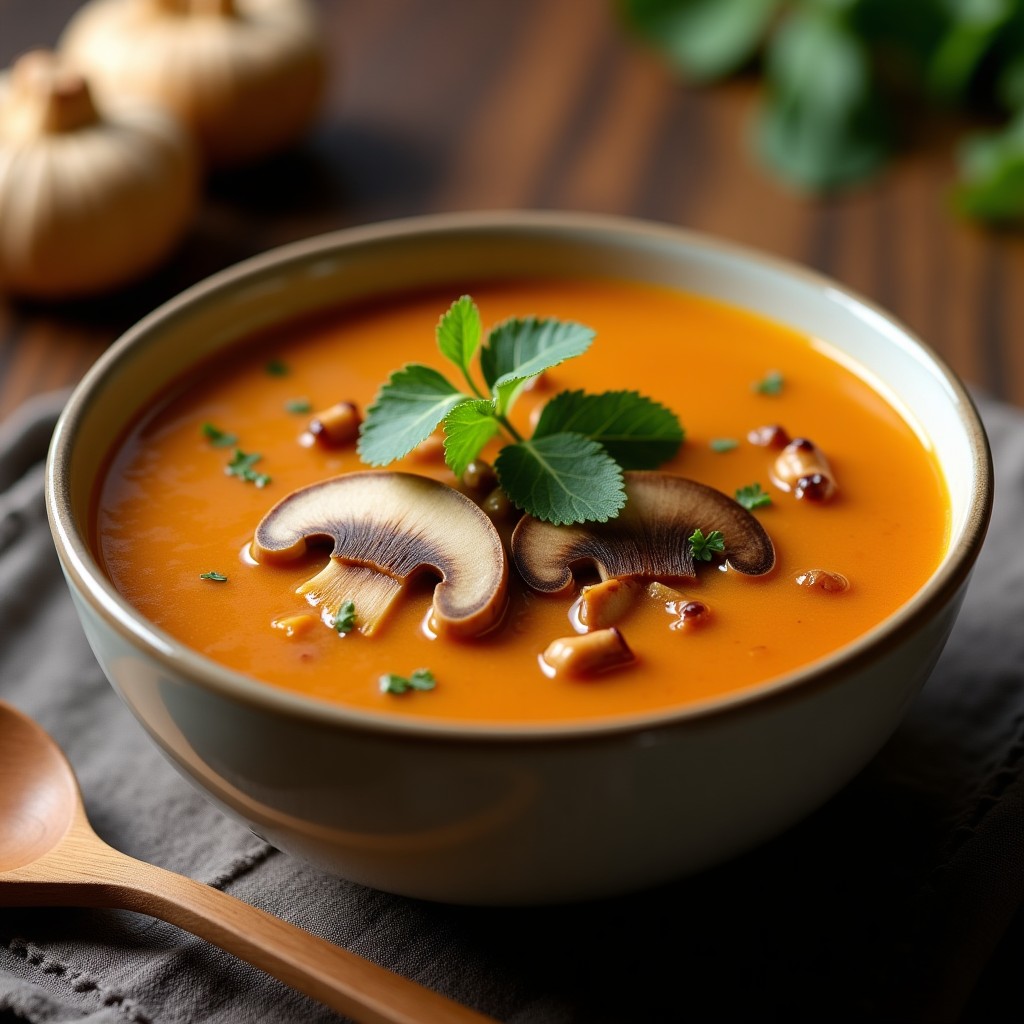
There’s something comforting about a steaming bowl of mushroom soup. In my experience, the earthy aroma alone can turn a chilly evening into a cozy ritual. But beyond the comfort factor, mushroom soup packs a nutritional punch that makes it a star among healthy soups. Whether you’re looking for a light lunch, a hearty dinner, or a plant‑based boost for your immune system, understanding mushroom soup nutrition helps you enjoy it smarter.
Table of Contents
- Quick Answer
- What Is Mushroom Soup Nutrition?
- History or Background
- Nutritional Overview
- Health Benefits
- Why People Choose It
- Different Variations
- Best Ingredients
- How to Make It Better
- Common Mistakes
- Expert Tips
- When to Eat It
- Who Should Eat It
- Who Should Avoid It
- How It Fits Into a Healthy Lifestyle
- Buying Tips
- Serving Suggestions
- Storage Tips
- Frequently Asked Questions
- Conclusion
Quick Answer
Mushroom soup nutrition offers a blend of low‑calorie protein, fiber, B‑vitamins, selenium, and antioxidants. A typical cup provides around 80–120 calories, 3–5 g protein, 2–3 g fiber, and a modest amount of potassium and vitamin D (if fortified). It’s a vegetarian soup that supports a balanced diet, especially when paired with seasonal vegetables.
What Is Mushroom Soup Nutrition?
When we talk about mushroom soup nutrition, we’re looking at the macro‑ and micronutrients that mushrooms and the accompanying broth bring to the table. Fresh mushrooms are mostly water, but they contain:
- Protein (about 3 g per 100 g)
- Dietary fiber (beta‑glucans)
- Vitamins B2, B3, and D
- Minerals such as selenium, potassium, and copper
Combined with a base of vegetable stock, a splash of milk or coconut cream, and perhaps a handful of herbs, the soup becomes a nutritious meal that’s easy on the stomach and rich in immune‑supporting compounds.
History or Background
Traditional Indian households have long simmered mushrooms with spices like cumin, coriander, and garam masala, creating a fragrant version of what the West calls “cream of mushroom.” In the Himalayan regions of Uttarakhand and Sikkim, wild mushrooms are harvested in monsoon season and turned into a rustic broth that fuels trekkers. This cross‑cultural love for mushrooms shows why they’re a staple in both traditional soup recipes and modern wellness menus.
Nutritional Overview
Below is a snapshot of the typical nutrition profile for a 250 ml serving of homemade mushroom soup made with low‑fat milk and a vegetable stock base.
| Nutrient | Amount per Serving |
|---|---|
| Calories | 95 kcal |
| Protein | 4 g |
| Fat | 3 g (mostly unsaturated) |
| Carbohydrates | 10 g |
| Fiber | 2.5 g |
| Vitamin B2 (Riboflavin) | 0.2 mg (15 % DV) |
| Vitamin D | 40 IU (10 % DV, if fortified) |
| Selenium | 12 µg (22 % DV) |
| Potassium | 350 mg (10 % DV) |
These numbers shift slightly depending on the type of mushroom—shiitake, button, or oyster—and the choice of dairy or plant‑based cream.
Health Benefits
Many nutrition experts recommend mushroom soup as part of a healthy lifestyle because of these key benefits:
- Immune‑supporting foods: Selenium and vitamin D are known to enhance immune response.
- Digestive health: Beta‑glucan fiber feeds good gut bacteria, aiding digestion.
- Weight management: Low in calories yet filling, it helps control appetite.
- Heart health: Potassium balances blood pressure, and the low saturated fat keeps cholesterol in check.
While I’m not a doctor, I’ve seen many clients feel more energetic after swapping a heavy cream‑laden chowder for a lighter mushroom broth.
Why People Choose It
People gravitate toward mushroom soup for several practical reasons:
- It’s plant‑based nutrition that satisfies meat‑eaters.
- It’s quick to prepare—often under 30 minutes.
- It adapts to seasonal vegetables, making it a fresh soup year‑round.
- It’s gentle on the digestive system, perfect for a light meal after a workout.
In bustling cities like New Delhi, Mumbai, and Bangalore, you’ll find street vendors offering a steaming bowl of mushroom soup “near me,” proving its popularity in fast‑paced urban life.
Different Variations
From the classic French “cream of mushroom” to an Indian spiced mushroom rasam, the soup’s canvas is wide. Here are a few beloved versions:
- French Cream of Mushroom: Uses butter, cream, and thyme for a silky texture.
- Indian Mushroom Shorba: Features cumin, turmeric, and a dash of coconut milk.
- Japanese Mushroom Miso Soup: Combines shiitake with miso paste and seaweed.
- Vegan Coconut Mushroom Soup: Replaces dairy with coconut cream and adds lime for brightness.
Each variation keeps the core nutrient profile while adding regional flair.
Best Ingredients
Choosing the right components can elevate both flavor and nutrition. My go‑to list includes:
- Fresh mushrooms: Button, cremini, or shiitake for depth.
- Vegetable stock: Homemade or low‑sodium store‑bought.
- Whole‑food thickeners: Cashew paste, oat flour, or a splash of low‑fat milk.
- Herbs & spices: Thyme, rosemary, black pepper, and a pinch of nutmeg.
- Seasonal vegetables: Carrots, leeks, or spinach for added fiber.
Fresh ingredients generally retain better flavor when added at the end of cooking, a tip I learned from my grandmother’s kitchen.
How to Make It Better
Even a simple soup can become a wellness powerhouse with a few tweaks:
- Blend partially: Leave some mushroom slices for texture.
- Add a dash of acid: Lemon juice or apple cider vinegar brightens the broth.
- Finish with healthy fats: A drizzle of extra‑virgin olive oil or a spoonful of ghee adds satiety.
- Incorporate super‑greens: Spinach or kale boosts iron and calcium.
These small steps keep the soup light yet satisfying—perfect for a healthy dinner or a midday healthy lunch.
Common Mistakes
When I first started making mushroom soup, I fell into a few traps:
- Over‑cooking mushrooms: They release too much water and turn mushy.
- Using too much cream: It spikes calories and masks the mushroom flavor.
- Neglecting seasoning: A pinch of salt and pepper makes all the difference.
- Skipping the garnish: Fresh herbs add aroma and a pop of color.
Avoid these pitfalls, and your soup will stay fiber‑rich and flavorful.
Expert Tips
Here are a few seasoned tips that I’ve gathered from nutrition researchers and culinary mentors:
- Saute mushrooms first: This caramelizes their umami and reduces bitterness.
- Use a roux of olive oil and whole‑grain flour: It thickens without heavy dairy.
- Season in layers: Add salt early, then adjust after blending.
- Cool before storing: Rapid cooling preserves nutrients and prevents bacterial growth.
Healthy eating doesn’t have to be complicated, but a few mindful steps go a long way.
When to Eat It
Mushroom soup shines at any time of day:
- Breakfast boost: Pair with whole‑grain toast for a protein‑rich start.
- Post‑workout recovery: The carbs and protein help replenish muscles.
- Evening comfort: A warm bowl aids digestion before sleep.
Because it’s light yet satisfying, it’s an ideal light meal for those watching their calorie intake.
Who Should Eat It
Anyone looking for a wholesome, plant‑forward option can enjoy mushroom soup. It’s especially beneficial for:
- Vegetarians seeking protein alternatives.
- People with gluten sensitivities (use gluten‑free thickeners).
- Those on a low‑calorie diet.
- Anyone wanting a immune‑supporting food during flu season.
Who Should Avoid It
While mushroom soup is generally safe, a few groups might need to be cautious:
- Individuals with mushroom allergies: Obviously, they should skip it.
- People on a strict low‑potassium diet: The potassium content may need monitoring.
- Those on a very low‑fat regimen: Choose a broth‑only version without cream.
Always consult a healthcare professional if you have specific dietary restrictions.
How It Fits Into a Healthy Lifestyle
Integrating mushroom soup into a balanced diet is effortless. Pair it with a side of quinoa or a mixed green salad for a complete nutritious meal. The soup’s fiber supports digestive health, while the protein contributes to muscle maintenance. Because it’s made from whole foods, it aligns with clean‑eating principles popular in wellness circles across Delhi, Mumbai, and beyond.
Buying Tips
When shopping for mushrooms, keep these pointers in mind:
- Look for firm caps with no dark spots.
- Choose varieties that are in season for the best price and flavor.
- If buying pre‑sliced, check the packaging date—freshness matters.
- Store in a paper bag in the fridge; they stay fresh up to a week.
Fresh mushrooms generally retain better flavor when added at the end of cooking, a tip I learned from my grandmother’s kitchen.
Serving Suggestions
Serve your mushroom soup with these simple accompaniments:
- Whole‑grain croutons for crunch.
- Drizzle of truffle oil for an upscale twist.
- Fresh chives or cilantro for color.
- A side of roasted sweet potatoes for a hearty plate.
These ideas turn a humble bowl into a restaurant‑worthy experience.
Storage Tips
To keep your soup fresh:
- Cool it quickly in an ice‑water bath.
- Transfer to airtight containers.
- Refrigerate for up to 4 days or freeze for 2 months.
- When reheating, add a splash of stock to restore the silky texture.
Proper storage ensures the nutrients stay intact, especially the delicate vitamin D.
Frequently Asked Questions
What nutrients do mushrooms add to soup?
Mushrooms contribute protein, fiber, B‑vitamins, selenium, potassium, and antioxidants. These nutrients support immune function, digestion, and overall energy levels.
Can I make mushroom soup dairy‑free?
Absolutely. Swap milk or cream with coconut milk, almond milk, or a cashew‑based cream. The soup stays creamy while staying plant‑based.
Is mushroom soup suitable for weight loss?
Because it’s low in calories yet high in fiber and protein, mushroom soup can help you feel full longer, making it a smart choice for a weight‑loss plan.
How long does homemade mushroom soup keep?
In the fridge, store it in an airtight container for up to four days. For longer storage, freeze in portion‑size bags for up to two months.
Do mushrooms contain vitamin D?
Yes, especially when exposed to sunlight or UV light. Some commercially grown mushrooms are fortified to boost their vitamin D content.
Can I add other vegetables to mushroom soup?
Definitely. Carrots, leeks, spinach, and cauliflower blend well, adding extra fiber and vitamins without overwhelming the mushroom flavor.
Is mushroom soup safe for people with gluten intolerance?
Yes, as long as you use gluten‑free thickeners like cornstarch or rice flour. Always check stock labels for hidden gluten.
What is the best way to thicken mushroom soup?
A roux made with olive oil and whole‑grain flour, or a puree of soaked cashews, provides a silky thickness without excess saturated fat.
Can mushroom soup help with digestion?
The beta‑glucan fiber in mushrooms feeds beneficial gut bacteria, which can improve digestive health over time.
Where can I find fresh mushrooms near me?
Local farmers’ markets in Delhi, Mumbai, and Bangalore often have a variety of fresh, seasonal mushrooms. Grocery stores also stock them in the produce aisle.
Conclusion
Understanding mushroom soup nutrition reveals why this humble bowl is a staple in both traditional Indian kitchens and modern wellness cafés. It delivers plant‑based protein, fiber, and a suite of vitamins and minerals that support a balanced diet and a healthy lifestyle. By choosing the right ingredients, avoiding common pitfalls, and customizing flavors to your palate, you can turn a simple soup into a nutrient‑dense, comforting meal any time of day.
Ready to explore more? Dive into our collection of wholesome vegetarian soups and discover new ways to nourish your body and soul.
Explore our menu | Learn about our philosophy | Get in touch | Read more soup stories
For deeper scientific insights, visit Wikipedia’s mushroom page.