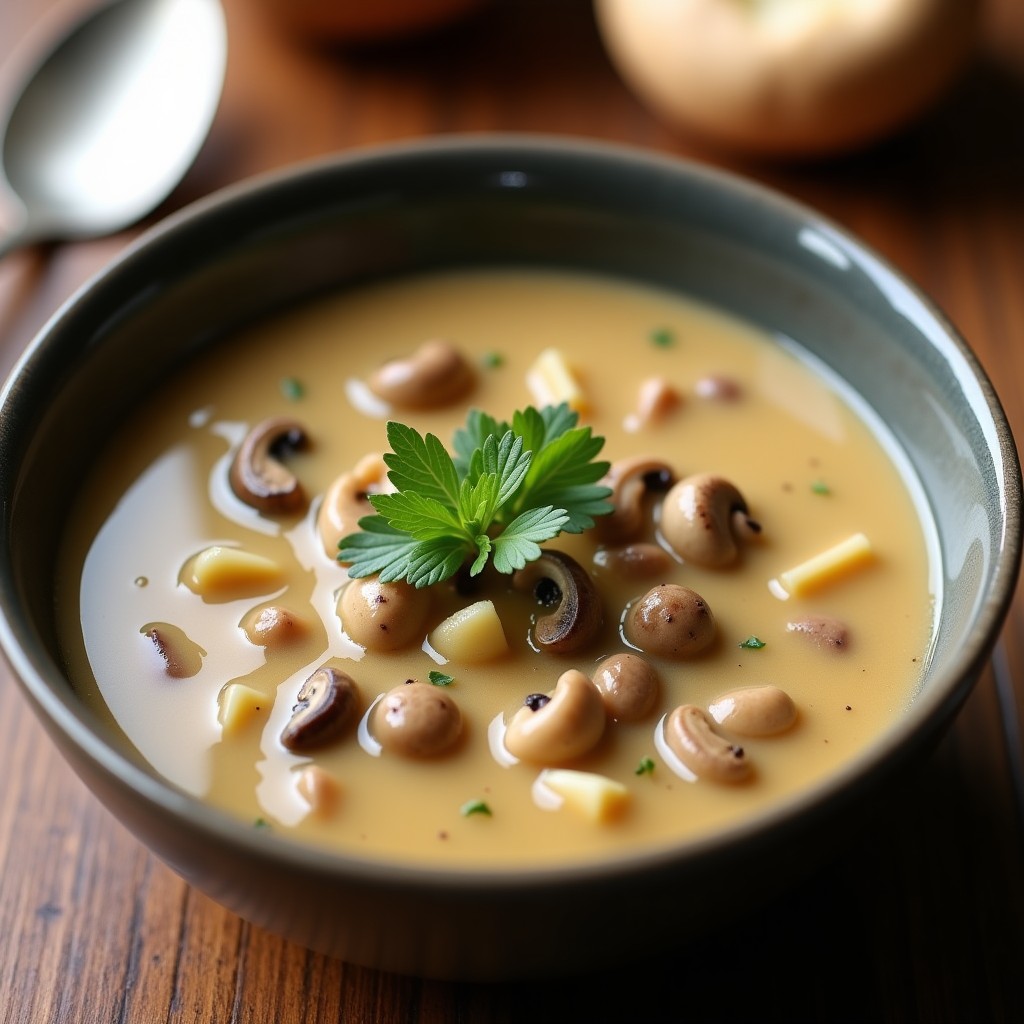
When you stir a pot of creamy mushroom soup, the aroma alone can make you wonder: Is mushroom soup healthy? As a food journalist who has spent years tasting soups from the streets of New Delhi to the cafés of Mumbai, I’ve learned that the answer isn’t just “yes” or “no.” It depends on the ingredients, the cooking method, and how the soup fits into your overall diet. Below, I unpack the science, share practical kitchen tricks, and show you why this humble bowl can be a star on any healthy lunch or dinner table.
Table of Contents
- Quick Answer
- What Is Mushroom Soup?
- History and Cultural Roots
- Nutritional Overview
- Health Benefits
- Why People Choose It
- Different Variations
- Best Ingredients for a Nutritious Bowl
- How to Make It Better
- Common Mistakes
- Expert Tips
- When to Eat It
- Who Should Eat It
- Who Should Avoid It
- How It Fits Into a Healthy Lifestyle
- Buying Tips
- Serving Suggestions
- Storage Tips
- Frequently Asked Questions
- Conclusion
Quick Answer
Definition: Mushroom soup is a broth‑based or cream‑based dish that features mushrooms as the primary ingredient, often combined with vegetables, herbs, and a liquid base such as stock or milk.
In short, mushroom soup can be a healthy soup when prepared with whole, natural ingredients and limited added fats or sodium. It delivers plant‑based nutrition, fiber‑rich foods, and immune‑supporting compounds that align well with a balanced diet.
What Is Mushroom Soup?
Mushroom soup comes in many shapes—from the velvety French crème de champignons to the spiced Indian mushroom rasam. The core idea is simple: sauté mushrooms, add aromatics like garlic or onion, pour in a liquid, and simmer until flavors meld. Some versions finish with a splash of cream or coconut milk for richness, while others stay clear and broth‑like for a lighter feel.
Because mushrooms are fungi, they bring a unique set of nutrients that differ from typical vegetables. This makes mushroom soup a standout vegetarian soup that can also satisfy those following a plant‑based diet.
History and Cultural Roots
In Indian households, especially in the North, mushroom soup has become a modern twist on traditional dal and rasam. Families in Delhi often add locally sourced button mushrooms to a spiced broth, creating a dish that’s both comforting and nutritious. Meanwhile, in Europe, mushroom soups have been served for centuries in royal courts, prized for their earthy flavor and perceived health‑boosting properties.
These cultural threads illustrate why mushroom soup enjoys global popularity: it adapts to local tastes, seasonal vegetables, and the health priorities of each region.
Nutritional Overview
Mushrooms are low in calories yet dense in nutrients. A typical cup of sliced white button mushrooms provides about 15 calories, 2 g of protein, 2 g of fiber, and a suite of B‑vitamins, selenium, and copper. When you blend them into a soup, you retain most of these benefits.
Below is a quick snapshot of the key nutrients you’ll find in a standard 1‑cup serving of homemade mushroom soup made with low‑fat milk:
- Calories: 80–120 (depending on cream or milk)
- Protein: 4–6 g
- Fiber: 2 g
- Vitamin D: 5–10 IU (if exposed to sunlight or fortified)
- Selenium: 10 % of the Daily Value
- Potassium: 300 mg
For a deeper dive into mushroom nutrition, see Mushroom nutrition.
Health Benefits
Many nutrition experts recommend mushroom soup as part of a healthy lifestyle because it packs several wellness‑boosting compounds.
- Immune‑supporting foods: Beta‑glucans in mushrooms may help modulate the immune system.
- Antioxidant power: Selenium and ergothioneine protect cells from oxidative stress.
- Digestive health: Fiber aids gut motility and supports a healthy microbiome.
- Weight‑friendly: Low calorie density makes it ideal for light meals or as a starter.
- Bone health: Vitamin D and calcium (when fortified milk is used) contribute to bone strength.
While individual results vary, incorporating mushroom soup into a balanced diet can may help support overall health.
Why People Choose It
In my experience, diners gravitate toward mushroom soup for three main reasons:
- It feels indulgent without the guilt of heavy cream.
- It’s a convenient way to add “whole foods” to a busy schedule.
- The earthy flavor pairs well with a range of cuisines, from Indian to Italian.
Because it’s both comforting and nutritious, mushroom soup often lands on the menu of health‑focused cafés in Bengaluru and the home‑cooking repertoire of families in Mumbai.
Different Variations
Here are a few popular styles you might encounter:
- Classic Creamy Mushroom Soup: Butter, flour, stock, and heavy cream create a silky texture.
- Indian Spiced Mushroom Soup: Mustard seeds, curry leaves, and a dash of turmeric give it a vibrant kick.
- Thai Coconut Mushroom Soup: Coconut milk, lemongrass, and lime deliver a fragrant, light broth.
- Vegan Mushroom Soup: Almond milk or oat cream replaces dairy for a plant‑based version.
Each variation can be tweaked to suit your taste and dietary goals, making mushroom soup a versatile staple.
Best Ingredients for a Nutritious Bowl
Choosing fresh, high‑quality components is the secret to a nutrient‑dense soup.
- Mushrooms: Button, cremini, shiitake, or oyster—mix for depth of flavor.
- Liquid base: Low‑sodium vegetable stock or homemade bone broth for extra minerals.
- Healthy fats: A drizzle of olive oil or a spoonful of coconut milk.
- Seasonings: Fresh herbs like thyme, parsley, or coriander; spices such as black pepper, cumin, or smoked paprika.
- Boosters: A handful of leafy greens (spinach, kale) or a sprinkle of nutritional yeast for added B‑vitamins.
Fresh ingredients make all the difference, especially when you’re aiming for a light meal that still feels satisfying.
How to Make It Better
Even a simple recipe can be elevated with a few pro tips:
- Sauté mushrooms first: This releases their natural umami and prevents soggy texture.
- Deglaze with a splash of white wine: Adds acidity and depth without extra calories.
- Blend partially: Keep some whole pieces for bite‑size texture while achieving a smooth base.
- Finish with a swirl of cold milk: This prevents the soup from curdling and gives a glossy finish.
- Season at the end: Salt can mask flavors; taste before adding more.
These adjustments keep the soup nutritious while enhancing flavor.
Common Mistakes
When I first tried making mushroom soup, I fell into a few traps that many home cooks share:
- Over‑cooking the mushrooms, which releases excess water and dilutes flavor.
- Using canned mushroom broth loaded with sodium.
- Adding too much cream, turning a light soup into a heavy dessert.
- Skipping the garnish, which can add both visual appeal and a nutritional boost.
Avoiding these pitfalls helps you keep the soup clean, fresh, and truly healthy.
Expert Tips
Nutrition researchers often suggest pairing mushroom soup with a source of vitamin C to improve iron absorption. A squeeze of lemon or a side of orange slices can make the meal even more immune‑supporting. Additionally, seasoned chefs recommend adding a pinch of smoked salt for a subtle depth without overwhelming the natural mushroom taste.
When to Eat It
Mushroom soup shines at any time of day. It’s a soothing breakfast on a chilly morning, a light lunch paired with a salad, or a comforting dinner starter. Because it’s easy on the stomach, many Indian families serve it after a heavy biryani feast to aid digestive health.
Who Should Eat It
Anyone seeking a plant‑based source of protein and fiber can benefit. Vegetarians, vegans (with dairy‑free alternatives), and those on a gluten‑free plan will find mushroom soup fits neatly into their meal planning. Athletes looking for a recovery drink often add a scoop of protein powder to a bowl for extra muscle‑building support.
Who Should Avoid It
People with mushroom allergies should steer clear. Those on a strict low‑potassium diet (e.g., certain kidney patients) might need to limit portion size, as mushrooms contain moderate potassium levels. Always consult a healthcare professional for personalized advice.
How It Fits Into a Healthy Lifestyle
Because mushroom soup is low in calories yet rich in micronutrients, it can be a cornerstone of nutritious meals throughout the week. Pair it with a whole‑grain roll or a side of quinoa for a complete, balanced plate that supports weight management and overall wellness.
Buying Tips
When shopping for mushrooms near you—whether at a market in New Delhi or a grocery store in Mumbai—look for caps that are firm, dry, and free of dark spots. Avoid any that feel slimy or emit a strong, unpleasant odor. If you’re buying frozen, check that there are no added sauces or excessive salt.
Serving Suggestions
Serve the soup hot, garnished with a drizzle of extra‑virgin olive oil, a sprinkle of fresh herbs, and a few toasted pumpkin seeds for crunch. Pair it with a slice of whole‑grain bread or a side of mixed greens for a satisfying lunch. For a festive touch, add a dollop of Greek yogurt and a pinch of smoked paprika.
Explore more soup ideas on our menu page and discover how a simple bowl can become a culinary adventure.
Storage Tips
Cool the soup to room temperature, then transfer it to an airtight container. It keeps well in the refrigerator for up to four days. For longer storage, freeze in portion‑size containers; the soup retains its flavor for up to three months. Reheat gently on the stovetop, adding a splash of water or stock if it thickens too much.
Frequently Asked Questions
Is mushroom soup low in calories?
Yes, a typical cup of mushroom soup made with low‑fat milk contains about 80–120 calories, making it a great option for light meals or as a starter.
Can I make mushroom soup vegan?
Absolutely. Substitute dairy milk with almond, oat, or coconut milk, and use vegetable broth instead of chicken stock. The soup stays creamy and nutritious.
Do mushrooms provide protein?
Mushrooms contain about 2 g of protein per cup. While not a complete protein source, they contribute to overall protein intake when combined with other plant foods.
Is mushroom soup good for the immune system?
Mushrooms are rich in beta‑glucans and selenium, compounds that may help support immune function, especially when part of a balanced diet.
How long can I keep homemade mushroom soup?
Stored in the refrigerator, it stays fresh for up to four days. For longer storage, freeze it in airtight containers for up to three months.
Can I add other vegetables to mushroom soup?
Yes. Adding carrots, celery, or leafy greens boosts fiber and vitamins, turning the soup into a more comprehensive healthy lunch option.
Is mushroom soup suitable for kids?
When prepared with low sodium and minimal spices, mushroom soup is gentle on young stomachs and provides essential nutrients like B‑vitamins and potassium.
Does mushroom soup help with weight loss?
Because it’s low in calories yet filling, mushroom soup can be included in a weight‑loss plan as a satisfying, nutrient‑dense meal.
Conclusion
So, is mushroom soup healthy? The answer is a confident yes—provided you choose fresh ingredients, keep added fats and salt in check, and enjoy it as part of a balanced diet. Whether you’re sipping a light broth in a Mumbai café or ladling a creamy bowl at home in New Delhi, mushroom soup offers a blend of flavor, nutrition, and comfort that few other dishes can match.
Ready to explore more wholesome, vegetarian soups? Dive into our blog for recipes, tips, and seasonal soup ideas that keep your meals exciting and your body thriving.