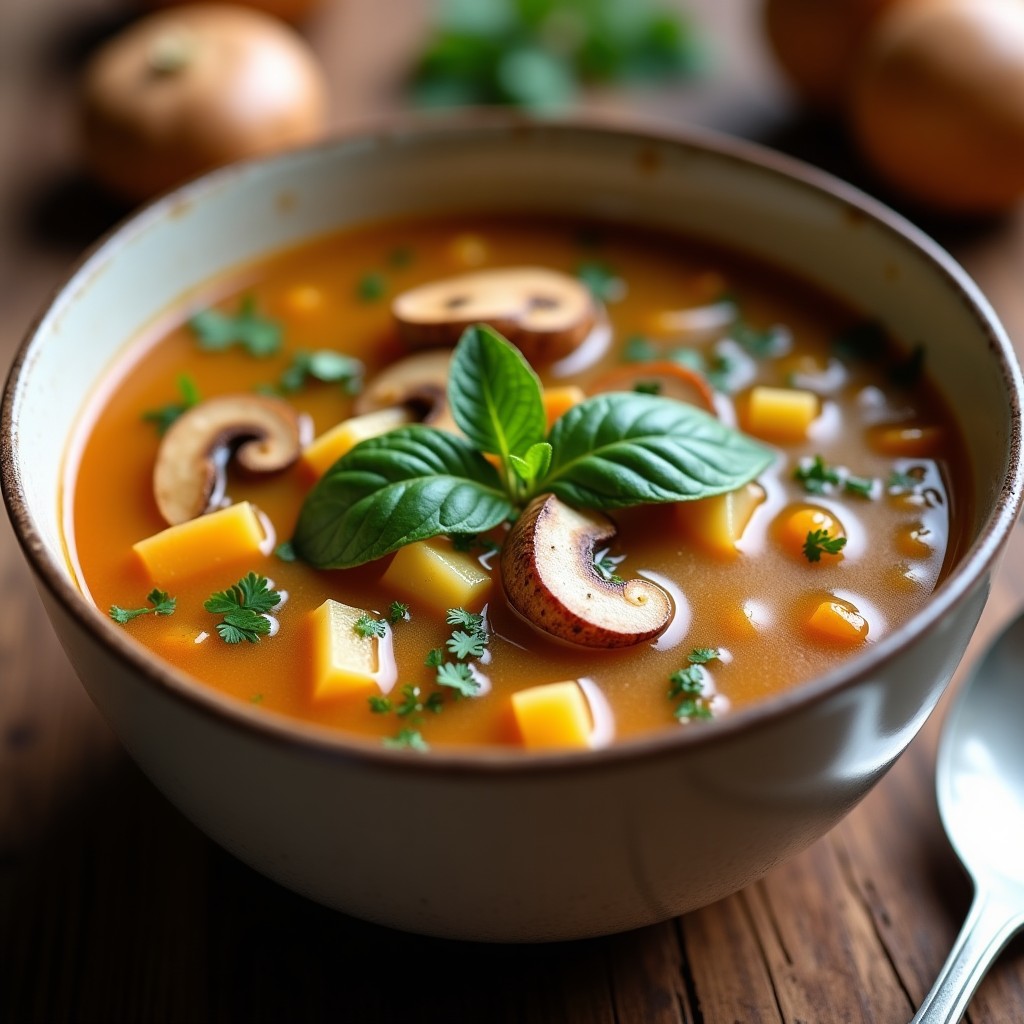
In my experience, a bowl of steaming mushroom soup can feel like a warm hug while quietly supporting your weight‑loss goals. The broth is light, the mushrooms are low‑calorie, and the fiber keeps you satisfied longer. If you’ve been searching for a healthy soup that fits a balanced diet and still tastes indulgent, you’re in the right place.
Table of Contents
- Quick Answer
- What Is Mushroom Soup for Weight Loss?
- History or Background
- Nutritional Overview
- Health Benefits
- Why People Choose It
- Different Variations
- Best Ingredients
- How to Make It Better
- Common Mistakes
- Expert Tips
- When to Eat It
- Who Should Eat It
- Who Should Avoid It
- How It Fits Into a Healthy Lifestyle
- Buying Tips
- Serving Suggestions
- Storage Tips
- Frequently Asked Questions
- Conclusion
Quick Answer
Mushroom soup for weight loss is a low‑calorie, nutrient‑dense dish that combines the umami richness of mushrooms with broth, herbs, and often a splash of plant‑based milk. Because it’s high in protein, fiber, and water, it can help curb cravings, support digestive health, and keep you feeling full without adding excess calories.
What Is Mushroom Soup for Weight Loss?
Simply put, it’s a vegetarian soup that uses mushrooms as the star ingredient. The base is usually a clear vegetable stock or a light coconut‑infused broth, seasoned with garlic, ginger, and spices that are common in Indian kitchens. The soup can be pureed for a velvety texture or left chunky for a rustic feel.
History or Background
Traditional Indian households have long used mushrooms in “kadhai” and “shorba” preparations, especially in the monsoon season when fresh greens are scarce. In the north, mushroom shorba is served after a day of fasting, while in the south, a thin mushroom rasam is paired with rice. The modern “weight‑loss” twist emerged from the global wellness movement, where chefs began highlighting the low‑calorie, high‑fiber profile of mushrooms.
Nutritional Overview
- Calories: 80‑120 per cup (depends on milk or coconut milk used)
- Protein: 4‑6 g
- Fiber: 2‑3 g
- Vitamin D: 10‑15 % of daily value (from UV‑exposed mushrooms)
- Potassium: 300‑400 mg
- Low in saturated fat and cholesterol
These numbers make mushroom soup a perfect light meal for lunch or dinner. The combination of protein and fiber supports digestive health and helps regulate blood sugar.
Health Benefits
Many nutrition experts recommend mushroom soup as part of a healthy lifestyle because:
- It’s immune‑supporting – selenium and beta‑glucans in mushrooms boost the body’s defenses.
- It’s low‑glycemic – steady energy without spikes.
- The broth hydrates, aiding skin health and metabolism.
- It’s rich in antioxidants that combat oxidative stress.
While no single food can guarantee weight loss, incorporating this soup into a nutritious meals plan may help you stay on track.
Why People Choose It
People often pick mushroom soup for its simplicity and versatility. “Healthy eating doesn’t have to be complicated,” I often tell my readers. The soup can be made in under 30 minutes, uses whole foods, and can be customized with seasonal vegetables.
Different Variations
From a classic Indian mushroom shorba to a creamy Thai‑style coconut mushroom soup, the options are endless. Below are three crowd‑pleasers that keep the calorie count low:
- Spicy Mushroom Shorba – flavored with cumin, coriander, and a pinch of garam masala.
- Creamy Coconut Mushroom Soup – uses light coconut milk, lemongrass, and kaffir lime leaves.
- Herb‑Infused Mushroom Broth – simmered with thyme, rosemary, and a splash of soy sauce.
Best Ingredients
Choosing fresh, local produce makes all the difference. Near Mumbai, you’ll find farm‑fresh button mushrooms, while in Delhi markets, oyster and shiitake varieties are popular. Pair them with:
- Low‑sodium vegetable stock
- Fresh ginger and garlic
- Seasonal greens like spinach or kale
- Plant‑based milk (almond or oat) for creaminess
- Spices: turmeric, black pepper, cumin
How to Make It Better
Here are a few tricks I swear by:
- Sauté mushrooms first. This releases their natural umami and reduces water content, keeping the soup from getting watery.
- Deglaze with a splash of white wine or lemon juice. It brightens the flavor without adding many calories.
- Blend half the soup. You get a creamy texture without the need for heavy cream.
- Finish with fresh herbs. A sprinkle of cilantro or parsley adds a burst of freshness.
Common Mistakes
Even seasoned cooks slip up. Avoid these pitfalls:
- Over‑cooking mushrooms – they become rubbery and lose nutrients.
- Using too much oil – a teaspoon of olive oil is enough for sautéing.
- Relying on canned broth with hidden sodium.
- Skipping the garnish – herbs not only add flavor but also extra antioxidants.
Expert Tips
Nutrition researcher Dr. Ananya Rao suggests adding a tablespoon of ground flaxseed to boost omega‑3s and fiber. “It’s a tiny tweak that makes the soup more satiating,” she says. I also love a dash of smoked paprika for a subtle depth that mimics the richness of meat‑based soups.
When to Eat It
This soup shines as a healthy lunch or a light dinner. Because it’s easy on the stomach, many wellness coaches recommend it after a workout to replenish fluids and protein. If you’re aiming for a healthy dinner, serve it with a side of quinoa or a small whole‑grain roll.
Who Should Eat It
Anyone looking for a nutrient‑dense, low‑calorie option can enjoy mushroom soup. It’s especially beneficial for:
- Vegetarians and vegans seeking plant‑based protein.
- People managing blood‑sugar levels.
- Those on a gluten‑free diet (just check the stock).
Who Should Avoid It
If you have a known mushroom allergy, steer clear. Also, individuals on a low‑potassium diet (e.g., certain kidney conditions) should monitor portion sizes, as mushrooms contain moderate potassium.
How It Fits Into a Healthy Lifestyle
In a balanced diet, soup can serve as a starter or a main. Pair it with a salad of seasonal vegetables for a complete meal that hits protein, fiber, and micronutrients. The low energy density means you can eat a generous portion without over‑eating.
Buying Tips
When shopping near Pune, look for mushrooms that are firm, dry, and free of dark spots. Avoid pre‑sliced packs that often contain excess water. If you’re buying online, choose “organic” labels to reduce pesticide exposure.
Serving Suggestions
Serve the soup in a shallow bowl, drizzle a teaspoon of extra‑virgin olive oil, and garnish with toasted pumpkin seeds for crunch. A side of sprouted lentil salad adds protein and texture, turning the soup into a full‑featured healthy lunch or dinner.
Storage Tips
The soup keeps well in the refrigerator for up to three days. Store it in an airtight container and reheat gently on the stove – avoid boiling, which can break down the delicate nutrients. For longer storage, freeze in portion‑size bags for up to two months.
Frequently Asked Questions
- What is mushroom soup?
- Mushroom soup is a broth‑based dish that highlights the flavor and nutrition of mushrooms, often blended with herbs, spices, and a touch of plant‑based milk for creaminess.
- Is mushroom soup low in calories?
- Yes, a typical cup contains between 80‑120 calories, making it suitable for weight‑loss plans when paired with other healthy meals.
- Can I use canned mushrooms?
- Canned mushrooms are convenient but often contain added sodium. Fresh mushrooms provide better texture and more nutrients, especially for a fresh soup experience.
- How many times a week can I eat mushroom soup?
- Most nutrition experts suggest 2‑3 servings per week as part of a varied diet that includes other fiber‑rich foods and proteins.
- Does mushroom soup help with digestion?
- The fiber in mushrooms and any added vegetables can support digestive health, helping regularity and satiety.
- Is mushroom soup suitable for vegans?
- Absolutely, as long as you use plant‑based broth and milk alternatives. It remains a hearty vegetarian soup that vegans love.
- Can I add noodles to keep it filling?
- You can, but choose whole‑grain or shirataki noodles to keep the calorie count low and add extra fiber.
- What spices work best with mushroom soup?
- Traditional Indian spices like cumin, coriander, and turmeric work well, as do Thai aromatics such as lemongrass and kaffir lime.
- Is mushroom soup good for the immune system?
- Mushrooms contain selenium and beta‑glucans, which are traditionally believed to support immune function when part of a balanced diet.
- How do I make the soup thicker without cream?
- Blend a portion of the soup with cooked cauliflower or add a tablespoon of ground oats; both thicken naturally and add nutrients.
Conclusion
Whether you’re cooking for a busy weekday lunch in Bangalore or preparing a soothing dinner after a jog in Hyderabad, mushroom soup for weight loss offers a tasty, nutrient‑rich solution that fits effortlessly into a healthy lifestyle. Its low calorie count, high fiber, and immune‑supporting compounds make it a smart choice for anyone seeking light meals without sacrificing flavor.
Ready to explore more? Check out our menu for a range of wholesome soups, visit the about us page to learn about our culinary philosophy, or drop a line on our contact form for personalized recipe ideas. And don’t miss our latest posts on healthy vegetarian soups – your next favorite bowl could be just a click away.