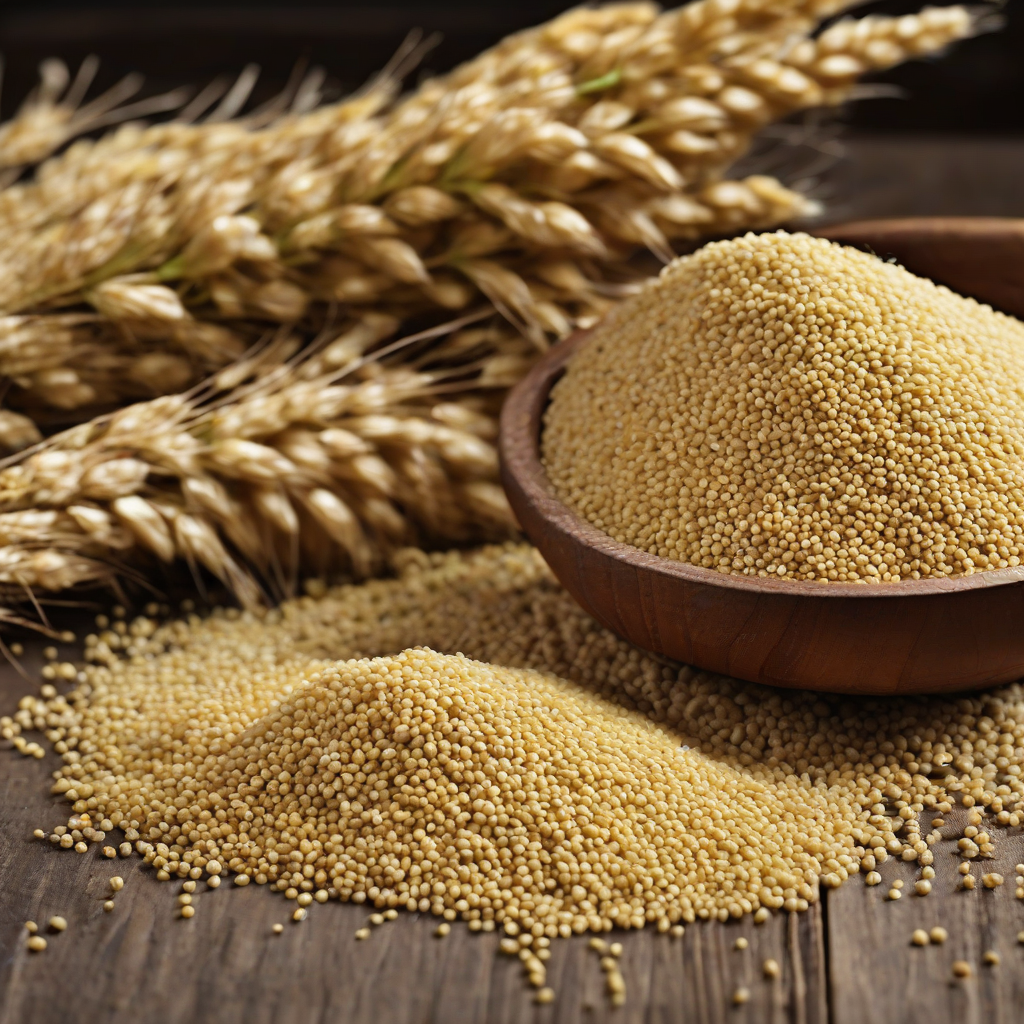
When I first started experimenting with ancient grains in my kitchen, millets surprised me with their earthy flavor and the way they fit seamlessly into a healthy lifestyle. In my experience, millets are more than just a side dish—they’re a powerhouse for plant‑based nutrition and can turn a simple healthy Indian grain into a star‑studded bowl of wellness.
Table of Contents
- Quick Answer
- What Is “Why Millets Are Healthy”?
- History and Background
- Nutritional Overview
- Health Benefits
- Why People Choose Millets
- Different Variations of Millets
- Best Ingredients to Pair with Millets
- How to Make Millet Dishes Better
- Common Mistakes to Avoid
- Expert Tips from Nutrition Researchers
- When to Eat Millet‑Based Meals
- Who Should Eat Millets
- Who Should Avoid Millets (When Medically Appropriate)
- How Millets Fit Into a Healthy Lifestyle
- Buying Tips
- Serving Suggestions
- Storage Tips
- Frequently Asked Questions
- Conclusion
Quick Answer
Why millets are healthy boils down to three core facts: they’re nutrient‑dense, naturally gluten‑free, and packed with fiber that supports digestive health. In less than a minute, you can add millets to a multigrain soup or a fresh vegetarian soup for a balanced, satisfying meal.
What Is “Why Millets Are Healthy”?
The phrase is simply a question that leads us to explore the science and tradition behind millets. Think of it as a roadmap that guides you from the grain’s humble origins to the modern kitchen where it shines in light meals and hearty healthy dinners.
History and Background
Millets have been cultivated for over 7,000 years across Africa and the Indian subcontinent. In traditional Indian households, millets were the staple during the monsoon season because they stored well and required minimal water—an early example of sustainable farming.
In the bustling streets of Mumbai or the farms around Bangalore, you’ll still find millet rotis and porridges on local menus. The resurgence of millets in urban cafés is a testament to their adaptability and timeless appeal.
Nutritional Overview
Here’s a snapshot of the typical nutrient profile for 100 g of cooked millet (values may vary by variety):
- Calories: 119 kcal
- Protein: 3.5 g
- Carbohydrates: 23 g
- Fiber: 1.3 g (increases with whole‑grain preparation)
- Iron: 1.1 mg (≈ 6 % DV)
- Magnesium: 44 mg (≈ 11 % DV)
- Phosphorus: 111 mg (≈ 11 % DV)
These numbers make millets a solid choice for anyone seeking nutritious meals without the gluten load of wheat.
Health Benefits
Below are the top five ways millets can support your well‑being:
- Fiber‑rich foods – The soluble fiber helps lower cholesterol and keeps blood sugar stable.
- Immune‑supporting foods – Minerals like zinc and selenium bolster the body’s natural defenses.
- Digestive health – The grain’s resistant starch feeds good gut bacteria.
- Heart health – Low glycemic index and potassium content can aid blood pressure regulation.
- Weight management – High satiety factor means you stay full longer, perfect for a healthy lunch or dinner.
Many nutrition experts recommend millets as part of a balanced diet because they provide a broad spectrum of micronutrients without excess calories.
Why People Choose Millets
Beyond the numbers, there’s a cultural and sensory appeal. The nutty aroma pairs beautifully with seasonal vegetables and aromatic spices. For vegans and vegetarians, millets deliver plant‑based protein that complements legumes, creating a complete amino‑acid profile.
In my kitchen, I often swap rice for millet in a traditional soup to add texture and a subtle crunch. The result? A bowl that feels both familiar and exciting.
Different Variations of Millets
India alone boasts several millet varieties, each with its own character:
- Foxtail millet (Kangni) – Light and fluffy, perfect for upma.
- Little millet (Kutki) – Tiny grains that blend well in khichdi.
- Proso millet (Chena) – Slightly sweet, great for porridges.
- Finger millet (Ragi) – Deep brown, high in calcium, ideal for rotis.
- Pearl millet (Bajra) – Robust and hearty, excellent in flatbreads.
Choosing the right millet depends on the dish you’re planning and the texture you desire.
Best Ingredients to Pair with Millets
When I craft a millet‑based soup, I reach for these natural ingredients:
- Fresh spinach or kale – adds iron and a pop of green.
- Carrots and sweet potatoes – bring sweetness and beta‑carotene.
- Turmeric and cumin – classic Indian spices that boost flavor and anti‑inflammatory properties.
- Ginger and garlic – immune‑supporting aromatics.
- Low‑fat yogurt or coconut milk – for creaminess without heavy dairy.
These components keep the soup fresh and nutrient‑dense, perfect for a quick healthy lunch.
How to Make Millet Dishes Better
Here are three practical tips that have transformed my millet recipes:
- Rinse and soak – A 15‑minute soak reduces phytic acid, improving mineral absorption.
- Toast before cooking – Lightly toasting millets in a dry pan releases a richer, nuttier flavor.
- Cook in broth – Using vegetable or chicken broth instead of water infuses the grains with depth, ideal for soups.
These steps are simple but make a noticeable difference in taste and nutrition.
Common Mistakes to Avoid
Even seasoned cooks slip up sometimes. Here are the pitfalls I see most often:
- Over‑cooking – Millets become mushy and lose their pleasant bite.
- Skipping the rinse – Residual dust can affect texture and flavor.
- Using too much water – Results in a porridge rather than fluffy grains.
- Neglecting seasoning – Millets are mild; they need herbs or spices to shine.
A little attention to these details ensures your millet dish stays light and enjoyable.
Expert Tips from Nutrition Researchers
According to recent studies from the National Institute of Nutrition (NIN), incorporating millets two to three times a week can improve glycemic control in adults. In my own kitchen, I follow these researcher‑backed tips:
- Combine millets with legumes for a complete protein punch.
- Pair millets with vitamin‑C‑rich veggies (like bell peppers) to boost iron absorption.
- Serve millets warm, as heat enhances digestibility.
When to Eat Millet‑Based Meals
Millets are versatile enough for any time of day:
- Breakfast – Millet porridge with nuts and fresh fruit.
- Lunch – A hearty millet and vegetable soup.
- Dinner – Millet pilaf with roasted seasonal vegetables.
Because millets are low‑glycemic, they’re especially good for an afternoon snack that won’t cause an energy crash.
Who Should Eat Millets
Anyone looking to enhance their plant‑based nutrition can benefit, especially:
- Vegetarians and vegans seeking protein alternatives.
- People with gluten intolerance or celiac disease.
- Fitness enthusiasts needing sustained energy.
- Those managing weight, thanks to high satiety.
Who Should Avoid Millets (When Medically Appropriate)
While millets are generally safe, a few groups should exercise caution:
- Individuals with known millet allergy – rare but documented.
- People on a low‑phosphorus diet (e.g., advanced kidney disease) – millets contain moderate phosphorus.
Always consult a healthcare professional if you have specific dietary restrictions.
How Millets Fit Into a Healthy Lifestyle
Millets align perfectly with a wellness‑focused routine. They are whole foods that provide steady energy, support gut health, and can be incorporated into light meals or hearty healthy dinners. Pair them with seasonal vegetables and a splash of lemon for a bright, immune‑supporting bowl.
Buying Tips
When you shop for millets near you—whether at a local market in Delhi or a grocery store in Chennai—keep these pointers in mind:
- Look for whole‑grain millets with intact husks; they retain more nutrients.
- Check the expiration date; millets can last up to a year if stored properly.
- Prefer organic options if available to avoid pesticide residues.
Fresh millets have a pleasant, slightly sweet aroma. If they smell musty, they may be old.
Serving Suggestions
Here are three quick ideas to serve millets in a way that feels fresh and exciting:
- Millet & Lentil Soup – Combine cooked millet with red lentils, tomatoes, and a dash of cumin.
- Millet Salad – Toss cooled millet with cucumber, cherry tomatoes, mint, and a lemon‑olive oil dressing.
- Millet Porridge – Simmer millet in almond milk, stir in honey, and top with berries.
Each dish can be a healthy lunch or a light dinner option.
Storage Tips
To keep millets fresh for months:
- Store in an airtight container away from direct sunlight.
- For longer shelf life, keep a small portion in the freezer.
- If you notice any insects, discard the batch—millets are hygroscopic and can attract pests.
Frequently Asked Questions
What makes millets different from other grains?
Millets are small, gluten‑free grains that thrive in arid climates. Their high fiber and mineral content set them apart, making them a staple for those seeking whole foods and a low‑glycemic alternative to rice or wheat.
Can millets help with weight loss?
Because millets are high in fiber and have a low glycemic index, they promote satiety and stable blood sugar, which can support weight management when part of a balanced diet.
How do I cook millets properly?
Rinse the grains, toast them for 2‑3 minutes, then simmer in a 2:1 liquid‑to‑grain ratio for about 20 minutes until fluffy. Adding a pinch of salt or broth enhances flavor.
Are millets suitable for children?
Yes, millets provide essential nutrients like iron and calcium. For younger kids, serve them as soft porridge or mixed into mini‑patties for easy chewing.
Do millets contain gluten?
No, millets are naturally gluten‑free, making them an excellent grain choice for people with celiac disease or gluten sensitivity.
What is the best way to store millets?
Keep millets in a sealed container in a cool, dry place. For extra protection, store a portion in the refrigerator or freezer to prevent moisture and insect infestation.
Can millets be used in baking?
Absolutely. Millet flour can replace a portion of wheat flour in breads, pancakes, and muffins, adding a subtle nutty flavor and boosting fiber content.
Are there any side effects of eating millets?
Most people tolerate millets well. However, those with a rare millet allergy may experience digestive discomfort. Start with small portions if you’re trying them for the first time.
How often should I include millets in my diet?
Nutrition experts suggest 2‑3 servings per week to reap the benefits without overloading on any single nutrient.
Where can I find millet recipes online?
Our site offers a range of protein‑rich vegetarian recipes that feature millets, from soups to salads and breakfast bowls.
Conclusion
Understanding why millets are healthy gives you a powerful tool to craft meals that are both nourishing and delicious. Whether you’re sipping a steaming Indian soup on a rainy evening in Kolkata or packing a quick millet salad for a workday in Pune, these grains bring plant‑based nutrition, fiber, and a touch of tradition to every bite.
Ready to explore more wholesome bowls? Dive into our collection of multigrain soups and discover how millets can elevate your everyday cooking. Happy, healthy eating!