Introduction
When the kettle whistles and the kitchen fills with the aroma of simmering grains, memories of family gatherings often surface. In many Indian households, a bowl of Traditional Grain Soup is more than just a starter—it’s a ritual that bridges generations. Whether you’re seeking a light lunch after a busy morning in Delhi or a comforting dinner on a chilly Bangalore evening, this soup delivers warmth, nutrition, and a touch of nostalgia.
Table of Contents
- Introduction
- Quick Answer
- What Is Traditional Grain Soup?
- History or Background
- Nutritional Overview
- Health Benefits
- Why People Choose It
- Different Variations
- Best Ingredients
- How to Make It Better
- Common Mistakes
- Expert Tips
- When to Eat It
- Who Should Eat It
- Who Should Avoid It
- How It Fits Into a Healthy Lifestyle
- Buying Tips
- Serving Suggestions
- Storage Tips
- Frequently Asked Questions
- Conclusion
Healthy eating doesn’t have to be complicated. A simple pot, a handful of whole grains, and seasonal vegetables can create a dish that satisfies both palate and wellness goals.
Quick Answer
Traditional Grain Soup is a vegetarian, plant‑based soup made with a blend of whole grains such as millets, barley, or rice, cooked together with aromatic spices, herbs, and seasonal vegetables. It is fiber‑rich, protein‑packed, and can be customized to suit regional tastes across India.
What Is Traditional Grain Soup?
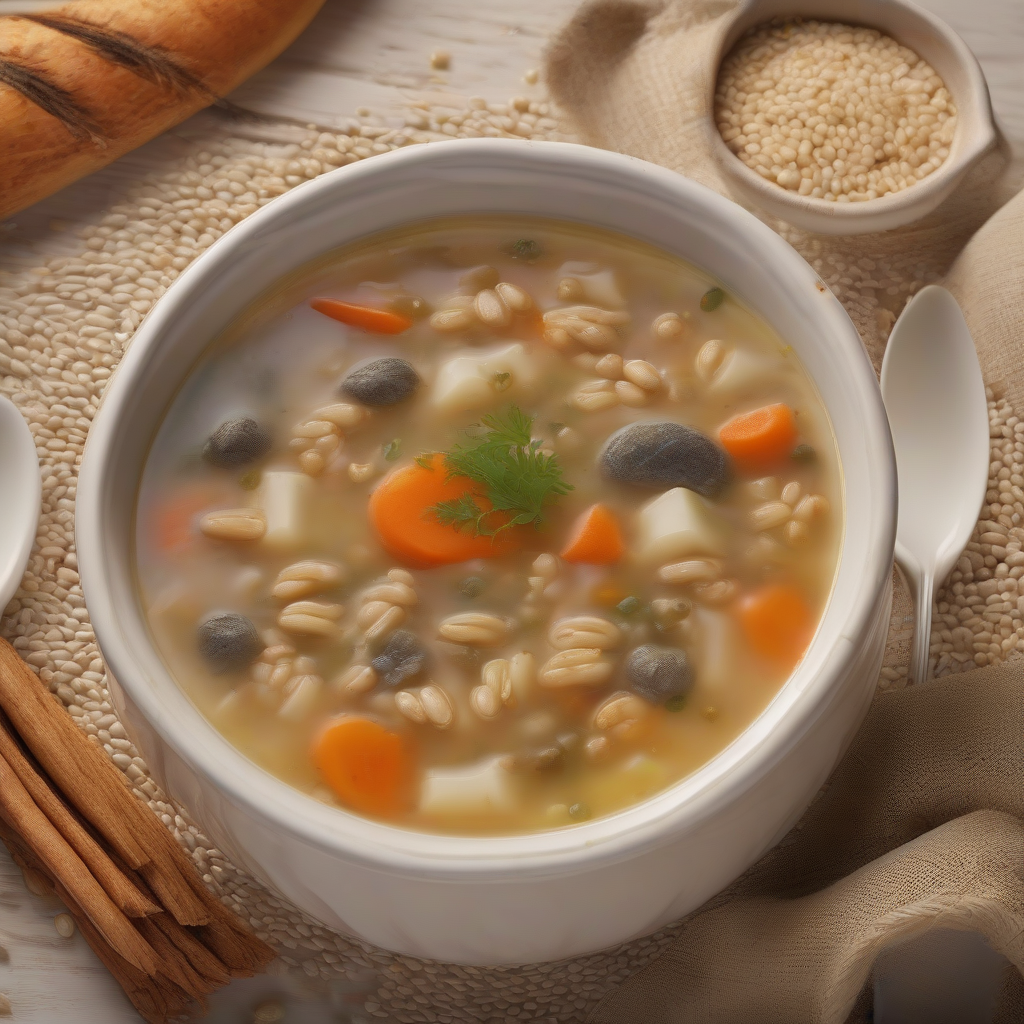
At its core, this soup is a healthy soup that celebrates the humble grains that have fed Indian families for centuries. The base typically includes:
- Millets (ragi, bajra, or foxtail millet)
- Barley or cracked wheat (dalia)
- Rice or broken rice
- Seasonal vegetables like carrots, beans, and spinach
- Spices such as cumin, mustard seeds, turmeric, and ginger
The result is a broth that is both hearty and soothing—a perfect example of a vegetarian soup that aligns with a balanced diet.
History or Background
Grains have been the backbone of Indian cuisine since the Indus Valley civilization. Ancient texts describe grain porridges and soups that were served to royalty and common folk alike. In the arid regions of Rajasthan, barley and millet soups were prized for their ability to sustain travelers on long caravans. In the lush valleys of Kerala, rice‑based soups paired with coconut milk became a staple during monsoon months.
Traditional Indian households have long prepared these soups during fasting periods, as they are naturally light yet nourishing. The practice of simmering grains with spices is also linked to Ayurvedic principles, which emphasize digestion and detoxification.
Nutritional Overview
Because the soup relies on whole grains, it is naturally high in fiber, complex carbohydrates, and essential micronutrients. A typical serving (about two cups) provides:
- 10–12 g of protein from grains and legumes (if added)
- 5–7 g of dietary fiber, supporting digestive health
- Vitamins B1, B2, and B6 from millets and barley
- Iron, magnesium, and zinc—minerals crucial for immune‑supporting foods
- Low saturated fat, especially when prepared without cream or butter
Many nutrition experts recommend incorporating such fiber‑rich foods into daily meals to help maintain steady blood sugar levels and promote satiety.
Health Benefits
While I’m not a medical professional, I can share observations from my own kitchen experiments and conversations with dietitians. Regular consumption of Traditional Grain Soup may help:
- Support digestive health – the soluble fiber forms a gentle gel that eases bowel movements.
- Boost energy – complex carbs release glucose slowly, providing sustained fuel for a busy day.
- Strengthen immunity – spices like turmeric and ginger have anti‑inflammatory properties that are traditionally believed to aid immune function.
- Maintain weight – the high satiety factor of whole grains can curb overeating, making it a great option for a light meal.
In my experience, a bowl after a morning walk feels both restorative and filling.
Why People Choose It
From health‑conscious millennials in Mumbai to retirees in Pune, the soup’s appeal is universal. People love it because:
- It’s plant‑based nutrition without compromising on protein.
- It uses natural ingredients that are often locally sourced.
- It adapts to seasonal produce, keeping the flavor fresh.
- It’s quick to prepare once the grains are pre‑soaked—ideal for busy lifestyles.
Different Variations
Across India, the soup takes on regional twists:
- Ragi & Coconut Soup – popular in Karnataka, where ragi is blended with coconut milk for a creamy texture.
- Barley & Lentil Soup – a North Indian version that adds moong dal for extra protein.
- Millet & Tomato Soup – a vibrant, tangy take from Gujarat, using crushed tomatoes and coriander.
- Rice & Spinach Soup – a South Indian favorite, featuring mustard greens and curry leaves.
These variations keep the dish exciting while staying true to the core concept of a wholesome grain broth.
Best Ingredients
Choosing the right ingredients can elevate the soup from good to unforgettable:
- Whole Grains – Opt for unpolished millets, barley, or brown rice for maximum nutrients.
- Seasonal Vegetables – Fresh carrots, beans, peas, or leafy greens add color and vitamins.
- Spices & Herbs – Cumin, mustard seeds, turmeric, ginger, and fresh cilantro provide aroma and health benefits.
- Healthy Fats – A drizzle of cold‑pressed mustard oil or a spoonful of ghee (used sparingly) enhances flavor.
Fresh vegetables generally retain better flavor when added in the last 10 minutes of cooking, preserving their crunch and nutrients.
How to Make It Better
Even if you follow a classic recipe, a few tweaks can turn the soup into a star dish:
- Soak grains overnight – reduces cooking time and improves digestibility.
- Toast grains lightly before simmering to bring out a nutty aroma.
- Finish with a splash of lemon juice – adds brightness and aids mineral absorption.
- Garnish with toasted nuts or seeds – pumpkin seeds or roasted peanuts add a pleasant crunch.
Sometimes the simplest soups are the most nourishing, and these small steps make a big difference.
Common Mistakes
Even seasoned cooks slip up. Avoid these pitfalls:
- Using polished white rice exclusively – you lose fiber and micronutrients.
- Over‑cooking vegetables – they become mushy and lose vitamins.
- Skipping the tempering (tadka) – you miss out on the depth of flavor that spices release.
- Adding too much salt early – it can make the broth too salty, masking subtle spice notes.
Expert Tips
Nutritionists often recommend pairing the soup with a side of probiotic‑rich yogurt or a small salad of raw vegetables. This combination balances the warm, cooked grains with fresh, raw nutrients, creating a complete meal for a healthy lifestyle. In my kitchen, I love sprinkling a pinch of asafoetida (hing) during tempering; it aids digestion and adds a unique aroma.
When to Eat It
This soup shines at any time of day:
- Breakfast – a warm bowl can replace heavy cereals, especially during winter mornings in Delhi.
- Lunch – pairs well with a light chapati or brown rice for a balanced, healthy lunch.
- Dinner – serves as a gentle, light meal that won’t weigh you down before sleep.
Who Should Eat It
Because it is plant‑based and nutrient‑dense, Traditional Grain Soup fits many dietary needs:
- Vegetarians and vegans (when prepared without ghee).
- People seeking immune‑supporting foods during flu season.
- Athletes looking for a recovery meal rich in carbs and protein.
- Anyone on a balanced diet who wants to increase fiber intake.
Who Should Avoid It
While generally safe, individuals with specific conditions should exercise caution:
- Those with celiac disease should use certified gluten‑free grains like millets.
- People on low‑potassium diets may need to limit certain vegetables.
- Anyone with a known allergy to a particular grain should substitute it accordingly.
How It Fits Into a Healthy Lifestyle
In the hustle of modern life, a bowl of soup can be a grounding ritual. It supports digestive health, offers sustained energy, and aligns with the principles of whole‑food eating. Pair it with a short walk after dinner, and you have a simple habit that promotes wellness without demanding extra time.
Buying Tips
When shopping for grains, look for:
- Bright, uniform color – indicates freshness.
- Whole, unbroken kernels – suggest minimal processing.
- Organic certification, especially for millets, to avoid pesticide residues.
Local markets in Mumbai and Delhi often have bulk bins where you can smell the grains before buying. Freshness makes a noticeable difference in flavor.
Serving Suggestions
Serve the soup hot, garnished with:
- Fresh cilantro and a drizzle of mustard oil.
- Toasted pumpkin seeds for crunch.
- A side of whole‑grain roti or a small portion of quinoa salad.
For a festive touch, add a spoonful of homemade chutney on top.
Storage Tips
Cool the soup to room temperature, then transfer to airtight containers. It keeps well in the refrigerator for up to three days. For longer storage, freeze in portion‑sized bags for up to two months. Reheat gently on the stovetop, adding a splash of water if the broth thickens too much.
Frequently Asked Questions
- What grains are best for Traditional Grain Soup?
- Millets like ragi, bajra, and foxtail millet, along with barley, cracked wheat, or brown rice, provide a balanced mix of protein, fiber, and minerals. Choose whole, unpolished grains for maximum nutrition.
- Can I make this soup gluten‑free?
- Yes. Substitute barley and cracked wheat with gluten‑free options such as quinoa, millet, or sorghum. Ensure all spices and added ingredients are also gluten‑free.
- Is Traditional Grain Soup suitable for kids?
- Absolutely. Its mild spices and soft texture make it kid‑friendly. Just keep the heat level low and avoid overly spicy tempering.
- How long does it take to cook the soup?
- After soaking the grains overnight, the soup usually simmers for 25‑30 minutes. If you skip soaking, expect a longer cooking time of 45‑60 minutes.
- Can I add protein sources like lentils or tofu?
- Yes. Adding a handful of moong dal, masoor dal, or cubed tofu boosts protein content and makes the soup more filling.
- What is the best way to store leftovers?
- Cool the soup quickly, then refrigerate in sealed containers for up to three days. For longer storage, freeze in portion‑size bags and thaw in the refrigerator before reheating.
- Is this soup considered a “light” meal?
- When served in moderate portions (about two cups) with a side of whole‑grain roti, it qualifies as a light yet nutrient‑dense meal suitable for dinner or lunch.
- Does the soup have any Ayurvedic benefits?
- Traditional Ayurvedic practice views grain soups as easy to digest, helping to balance the doshas and support overall vitality, especially when seasoned with ginger and turmeric.
- Can I find Traditional Grain Soup near me in Bangalore?
- Many health‑focused cafés in Bangalore now feature grain‑based soups on their menus. Look for “millet soup” or “barley broth” to enjoy a locally prepared version.
- How does this soup compare to store‑bought canned soups?
- Homemade grain soup contains no preservatives, excess sodium, or artificial flavors. It delivers whole‑food nutrition and can be tailored to your taste and dietary needs.
Conclusion
Traditional Grain Soup is a timeless dish that bridges the gap between heritage and health. By using whole grains, fresh vegetables, and mindful spices, you create a bowl that supports digestion, fuels the body, and comforts the soul. Whether you’re searching for a healthy dinner in Delhi, a quick healthy lunch in Mumbai, or a nourishing breakfast in Bangalore, this soup fits the bill.
Ready to explore more wholesome, plant‑based soups? Dive into our collection of healthy vegetarian soups and discover how simple ingredients can transform your meals. Your next bowl of comfort is just a click away.