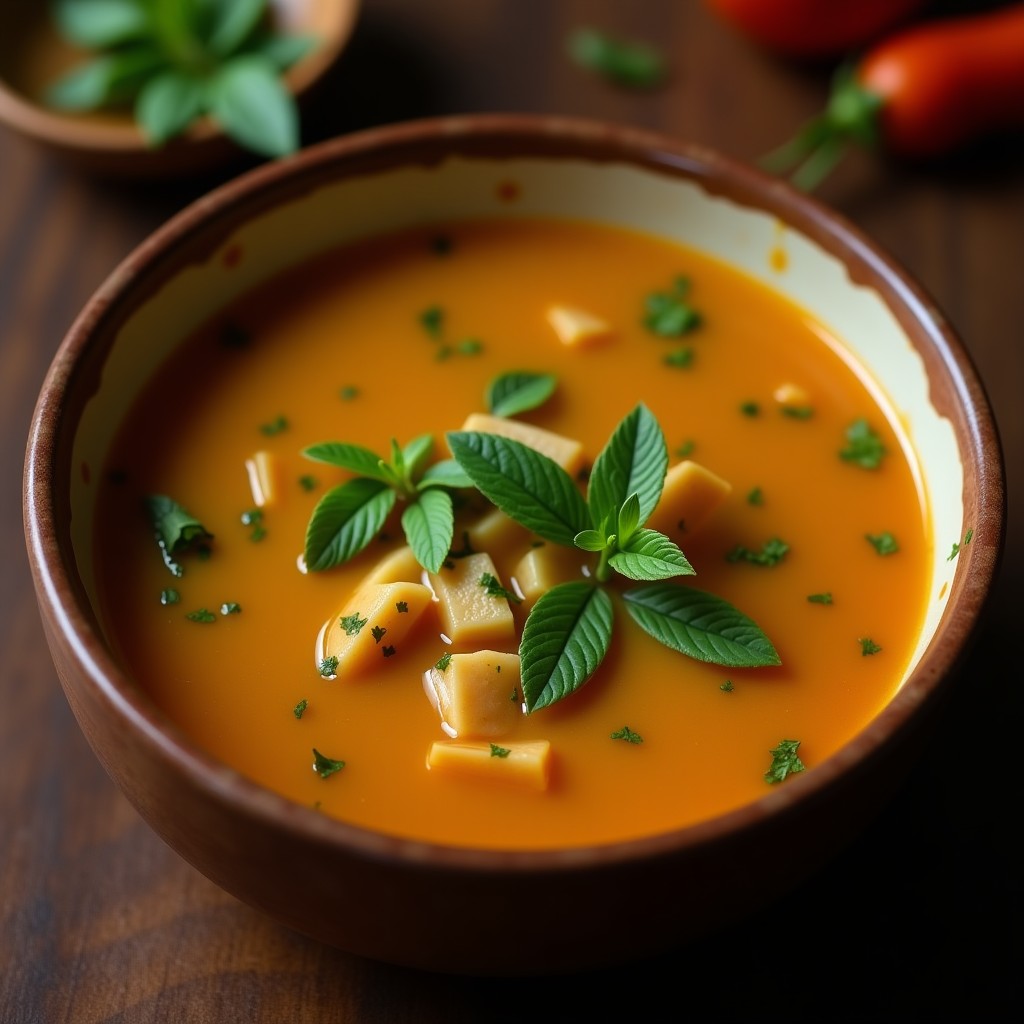
In the bustling streets of Chennai, you’ll often hear locals talk about a warm bowl of Traditional Tamil Herbal Soup that soothes the body after a long day. This humble brew, steeped in centuries‑old wisdom, blends seasonal vegetables, aromatic herbs, and spices to create a comforting, plant‑based nutrition powerhouse. Whether you’re searching “herbal soup near me” or simply craving a light, nutritious dinner, this soup fits right into a balanced diet and a healthy lifestyle.
Table of Contents
- Quick Answer
- What Is Traditional Tamil Herbal Soup?
- History and Cultural Roots
- Nutritional Overview
- Health Benefits
- Why People Choose It
- Different Variations
- Best Ingredients
- How to Make It Better
- Common Mistakes
- Expert Tips
- When to Eat It
- Who Should Eat It
- Who Should Avoid It
- How It Fits Into a Healthy Lifestyle
- Buying Tips
- Serving Suggestions
- Storage Tips
- Frequently Asked Questions
- Conclusion
Quick Answer
Traditional Tamil Herbal Soup is a vegetarian, herb‑infused broth from Tamil Nadu that uses fresh, whole foods like drumstick, amaranth leaves, and medicinal herbs such as neem and tulsi. It’s prized for its immune‑supporting qualities, gentle digestion, and ability to warm the body during monsoon or winter months.
What Is Traditional Tamil Herbal Soup?
At its core, this soup is a clear, aromatic broth made by simmering water with a medley of local vegetables, lentils, and a handful of herbs known for their therapeutic properties. Unlike creamy Western soups, the Tamil version stays light, allowing the natural flavors of each ingredient to shine. In my experience, the simplicity of the broth lets the nutrients stay intact, making it a perfect example of a healthy soup that feels like a hug from your grandmother.
History and Cultural Roots
The origins of this herbal brew trace back to the ancient Siddha system of medicine, which flourished in Tamil Nadu over 2,000 years ago. Siddha practitioners prescribed specific plant combinations to balance the three humors—vata, pitta, and kapha. Over time, families in villages around Madurai and Tirunelveli passed down recipes, adjusting herbs based on seasonal availability. Today, you’ll still find elders in Chennai’s coastal neighborhoods serving the soup during festivals, believing it can calm the mind and support digestive health.
Nutritional Overview
Because the soup relies on whole, unprocessed ingredients, it’s naturally rich in fiber, vitamins, and minerals. A typical serving (about 250 ml) provides:
- ~80 kcal, making it ideal for a light meal or a healthy lunch.
- 5–7 g of dietary fiber from vegetables like pumpkin and drumstick.
- Vitamin C from amaranth leaves and tomatoes, which boosts immunity.
- Iron and calcium from fenugreek seeds and sesame oil.
- Polyphenols and antioxidants from turmeric, coriander, and neem.
These nutrients contribute to a plant‑based nutrition profile that can support a balanced diet without feeling heavy.
Health Benefits
Many nutrition experts recommend this soup for its gentle, yet effective, health properties. While I’m not a doctor, I can share what traditional knowledge and modern research suggest:
- Immune‑supporting foods: Turmeric and black pepper enhance the absorption of curcumin, a potent anti‑inflammatory compound.
- Digestive health: Fenugreek and ginger stimulate digestive enzymes, helping the gut break down food more efficiently.
- Blood‑sugar balance: Drumstick (moringa) leaves have low glycemic impact, making the soup suitable for those watching glucose levels.
- Detoxification: Neem leaves are traditionally believed to aid liver function and cleanse the bloodstream.
- Stress relief: Tulsi (holy basil) aromatics calm the nervous system, which is why the soup is often served during exam season in Tamil schools.
These benefits may help you feel more energetic, especially when paired with regular physical activity.
Why People Choose It
From busy office workers in Guindy to retirees in Kanchipuram, the soup’s popularity stems from its versatility. It’s a healthy dinner that can be prepared quickly, a light lunch that won’t weigh you down, and a comforting remedy when the monsoon rains bring chills. The fact that it’s completely vegetarian also aligns with the growing demand for plant‑based meals across India.
Different Variations
Although the base remains the same, families add their own twists:
- Spicy Chettinad style: Extra red chilies and roasted cumin give a punchy finish.
- Coastal coconut version: A splash of coconut milk adds richness without compromising the broth’s clarity.
- Winter root blend: Adding carrots, sweet potatoes, and a pinch of jaggery creates a heartier, sweet‑savory balance.
Each variation still qualifies as a traditional soup because the core herbs—tulsi, neem, and curry leaves—remain unchanged.
Best Ingredients
Choosing fresh, seasonal produce makes all the difference. Here’s my go‑to list for an authentic bowl:
- Drumstick (Moringa) pods – packed with vitamins A and C.
- Amaranth leaves (Keerai) – a fiber‑rich green.
- Tomatoes – natural acidity that brightens the broth.
- Turmeric root or powder – for color and anti‑inflammatory power.
- Curry leaves – aromatic and digestive.
- Fenugreek seeds – for a subtle nutty flavor.
- Neem leaves – a tiny pinch for detox benefits.
- Garlic and ginger – classic immune‑supporting duo.
When shopping at the Chennai market, look for crisp leaves and firm drumstick pods. Fresh ingredients generally retain better flavor when added at the end of cooking.
How to Make It Better
Even a simple soup can be elevated with a few pro tips:
- Toast the spices: Lightly dry‑roast cumin, mustard, and fenugreek before grinding. This releases essential oils and deepens the aroma.
- Layer flavors: Sauté garlic, ginger, and onions first, then add the herbs. This builds a flavor base similar to a classic Indian masala.
- Control heat: Keep the broth at a gentle simmer; a rolling boil can break down delicate herbs, making the soup bitter.
- Finish with a drizzle: A teaspoon of sesame oil or ghee right before serving adds a silky mouthfeel.
- Season at the end: Add salt and pepper after the soup is off the heat to preserve the natural sweetness of vegetables.
These small adjustments keep the soup light yet full of depth—perfect for a healthy soup that doesn’t feel bland.
Common Mistakes
When I first tried making the soup, I fell into a few traps that many beginners share:
- Overcooking the greens: Amaranth wilts in under five minutes; longer cooking turns it mushy and loses nutrients.
- Using too much water: A thin broth dilutes flavor. Aim for a 1:4 ratio of vegetables to water.
- Skipping the tempering (tadka): Without the final spice burst, the soup can taste flat.
- Adding salt too early: Early salting can toughen the drumstick fibers.
Avoiding these pitfalls ensures each sip delivers the intended health boost.
Expert Tips
Here’s what seasoned cooks in Tamil Nadu recommend:
- Use a clay pot (uruli): The earthenware retains heat evenly, enhancing the infusion of herbs.
- Season with black pepper: Piperine in pepper improves curcumin absorption, making the anti‑inflammatory effect stronger.
- Incorporate a splash of lemon juice: The acidity brightens the broth and aids iron absorption from leafy greens.
- Serve with a side of brown rice or millets: Pairing with whole grains turns the soup into a complete, fiber‑rich meal.
When to Eat It
This soup shines at several moments:
- Morning starter: A warm bowl awakens digestion before a hearty breakfast.
- Post‑workout recovery: The electrolytes from vegetables help re‑hydrate.
- Evening wind‑down: Light and soothing, it’s ideal for a healthy dinner that won’t disturb sleep.
- During monsoon or winter: The heat and spices combat chills and seasonal sniffles.
Who Should Eat It
Virtually anyone can enjoy this broth, but it’s especially beneficial for:
- Vegetarians seeking a protein‑free, nutrient‑dense meal.
- People managing weight, as the soup is low‑calorie yet filling.
- Those with mild digestive concerns who need gentle, fiber‑rich foods.
- Students and professionals looking for a quick, immune‑supporting lunch.
Who Should Avoid It
While the soup is generally safe, a few groups might need caution:
- Individuals allergic to specific herbs such as neem or fenugreek.
- People on blood‑thinning medication should monitor turmeric intake.
- Those with severe kidney issues may want to limit drumstick consumption due to its potassium content.
Consult a healthcare professional if you have any concerns.
How It Fits Into a Healthy Lifestyle
Integrating Traditional Tamil Herbal Soup into daily meals can support a healthy lifestyle in several ways. Its high fiber content promotes satiety, helping you avoid late‑night snacking. The blend of herbs offers antioxidants that combat oxidative stress, a factor many wellness blogs link to aging. Pairing the soup with a walk after dinner or a short yoga session can turn a simple meal into a holistic wellness ritual.
Buying Tips
When you shop at local markets in Chennai or online grocery stores, keep these pointers in mind:
- Choose drumstick pods that are firm and free of blemishes.
- Look for bright green amaranth leaves without yellowing edges.
- Buy whole spices and grind them at home for maximum flavor.
- If you’re using dried herbs, check the expiration date—essential oils degrade over time.
Fresh, high‑quality ingredients ensure the soup stays nutrient‑dense and flavorful.
Serving Suggestions
Here are a few ways to enjoy the soup:
- With millet porridge: A small bowl of ragi or foxtail millet adds wholesome carbs.
- As a starter: Serve a petite cup before a larger South Indian feast.
- Garnished with roasted peanuts: Adds a crunchy texture and extra protein.
- Accompanied by a side of cucumber raita: The cool yogurt balances the soup’s warmth.
Storage Tips
To keep the soup fresh:
- Cool it to room temperature within two hours, then refrigerate in an airtight container. It lasts 3–4 days.
- For longer storage, freeze in portion‑size bags for up to two months. Thaw gently on the stove to preserve the herbs.
- Re‑heat only once; reheating multiple times can diminish the vitamin content.
Frequently Asked Questions
What makes Tamil herbal soup different from other Indian soups?
Traditional Tamil herbal soup relies on a clear broth infused with specific medicinal herbs like neem, tulsi, and curry leaves, whereas many other Indian soups use cream, coconut milk, or lentils as a base. This results in a lighter, more digestible soup that emphasizes whole, seasonal vegetables.
Can I make the soup vegan?
Absolutely. The classic recipe is already vegan, using only plant‑based ingredients. If a recipe calls for ghee, simply substitute with a drizzle of sesame oil to keep it fully vegan.
Is the soup suitable for children?
Yes, when prepared with mild spices. It provides essential vitamins and minerals, and the gentle flavor is usually well‑accepted by kids. Just avoid adding too much pepper or chili.
How long does it take to prepare?
From chopping to simmering, the soup typically takes 30–40 minutes. Using a pressure cooker can shave off 10 minutes, but the traditional simmer method preserves the delicate herbal aromas.
Can I add protein to the soup?
Many families add a handful of moong dal or split yellow peas for extra protein without compromising the light texture. Alternatively, a side of boiled eggs or paneer works well for non‑veg options.
Does the soup help with cold symptoms?
While it’s not a cure, the combination of ginger, garlic, and turmeric can support the immune system and may soothe a sore throat. Many locals drink it during the monsoon season for comfort.
What’s the best time to serve the soup?
It’s ideal as a light dinner or a mid‑day lunch. The warm broth aids digestion, making it a perfect pre‑ or post‑meal beverage.
Can I store leftovers for the next day?
Yes, refrigerate in a sealed container for up to four days. Reheat gently on the stove, adding a splash of water if the broth thickens.
Is it gluten‑free?
Traditional Tamil herbal soup contains no wheat or barley, so it’s naturally gluten‑free. Just ensure any added grains, like millets, are also gluten‑free.
Where can I learn more about Tamil culinary traditions?
For deeper insights, check out the Wikipedia page on Tamil cuisine, which covers a wide range of dishes and their cultural significance.
Conclusion
Whether you’re strolling through Marina Beach, searching “herbal soup near me” on your phone, or simply craving a nourishing bowl after a hectic day, Traditional Tamil Herbal Soup offers a flavorful, wholesome solution. Its blend of seasonal vegetables, immune‑supporting herbs, and mindful preparation makes it a staple of Indian home cooking that aligns perfectly with modern wellness goals.
Ready to explore more healthy vegetarian soups? Dive into our collection of recipes and discover how a simple bowl can transform your meals and boost your well‑being.
Best Herbal Soup in Chennai | Herbal Soup for Digestion | Herbal Soup for Stress