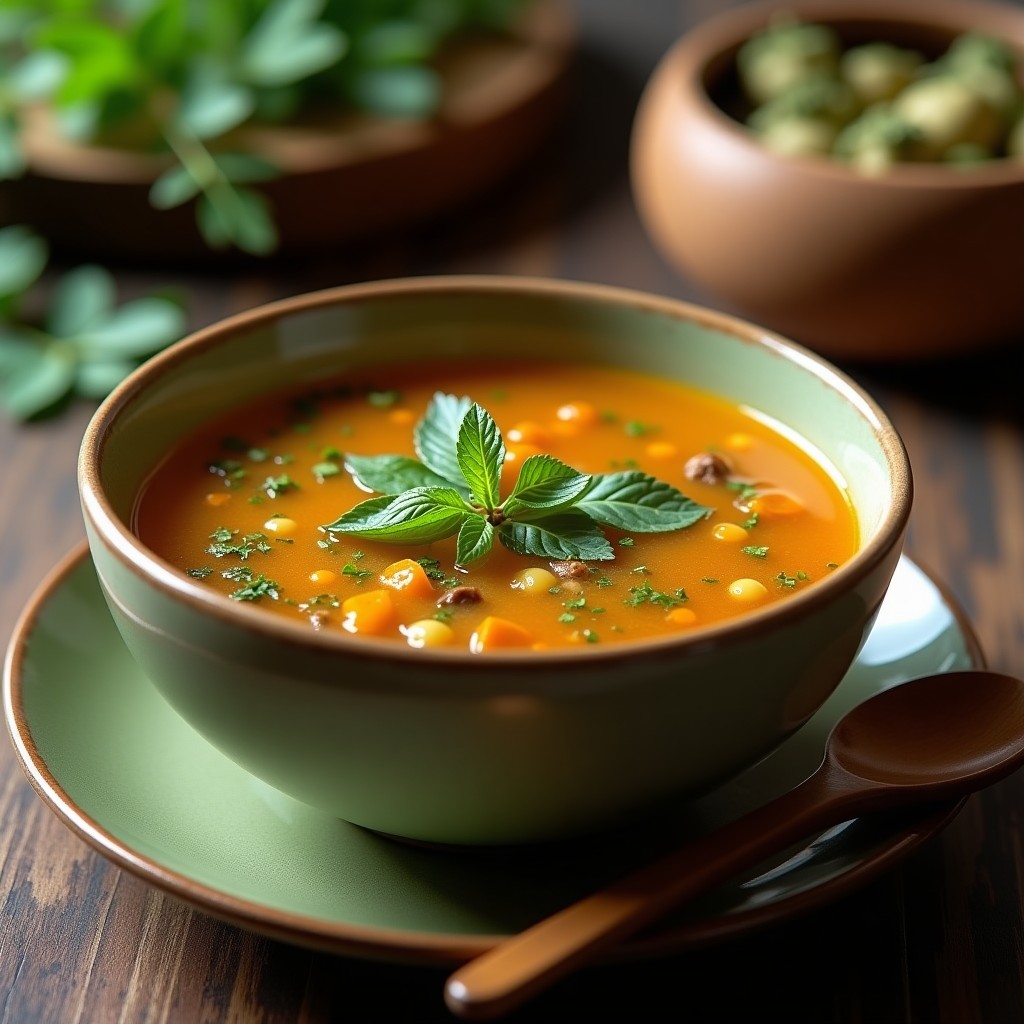
When the city buzz of Chennai or the monsoon humidity of Bangalore feels overwhelming, a warm bowl of herbal soup for stress can be the simplest rescue. In my experience as a food journalist and nutrition researcher, I’ve watched families turn to this gentle, plant‑based elixir to calm nerves, aid digestion, and simply enjoy a moment of peace. Below you’ll find everything you need to know—from the science behind the herbs to a step‑by‑step recipe that fits a busy, healthy lifestyle.
Table of Contents
- Quick Answer
- What Is Herbal Soup for Stress?
- History or Background
- Nutritional Overview
- Health Benefits
- Why People Choose It
- Different Variations
- Best Ingredients
- How to Make It Better
- Common Mistakes
- Expert Tips
- When to Eat It
- Who Should Eat It
- Who Should Avoid It
- How It Fits Into a Healthy Lifestyle
- Buying Tips
- Serving Suggestions
- Storage Tips
- Frequently Asked Questions
- Conclusion
Quick Answer
Herbal soup for stress is a light, vegetarian broth infused with adaptogenic herbs, aromatic spices, and seasonal vegetables. It’s low in calories, rich in fiber‑rich foods, and packed with immune‑supporting nutrients that may help the body cope with everyday tension.
What Is Herbal Soup for Stress?
Think of it as a culinary hug. The base is usually a clear vegetable stock, enhanced with herbs like tulsi (holy basil), ashwagandha, and mint—plants traditionally believed to balance the nervous system. Add a handful of fresh greens, a splash of lemon, and you have a soup that’s both healthy dinner material and a soothing ritual.
History or Background
Traditional Indian households have long used herbal infusions to support wellness. Ayurvedic texts from the 2nd century BCE describe “rasayana” soups—recipes that rejuvenate mind and body. In the coastal villages of Kerala, mothers would simmer coconut water with ginger and tulsi to calm restless children. Those ancient practices have resurfaced in modern urban kitchens, especially in Hyderabad where office stress runs high.
Nutritional Overview
A typical serving (about 250 ml) provides 80 kcal, 2 g protein, 4 g fiber, and a blend of vitamins A, C, and K from leafy greens. The herbs contribute antioxidants like flavonoids and adaptogens that may support cortisol regulation. Because the soup is water‑based, it also helps maintain hydration—a subtle but vital part of a balanced diet.
Health Benefits
- May help reduce perceived stress levels by delivering calming phytochemicals.
- Supports digestive health thanks to fiber‑rich vegetables and ginger’s carminative properties.
- Provides immune‑supporting foods such as garlic and turmeric, which are known for their anti‑inflammatory effects.
- Low‑sodium, making it suitable for heart‑healthy meals.
Many nutrition experts recommend pairing this soup with a side of whole‑grain roti for a complete, light meal that keeps blood sugar steady.
Why People Choose It
People often look for a healthy lunch that won’t leave them feeling sluggish. Herbal soup for stress checks that box: it’s quick to prepare, uses whole foods, and feels indulgent without the heaviness of cream‑based soups. Plus, the aroma of mint and tulsi can instantly lift mood—something I’ve personally witnessed in my own kitchen.
Different Variations
There isn’t a single “right” recipe. In Mumbai, cooks add coconut milk for a richer texture, while in Pune they prefer a clear broth with mustard seeds and curry leaves. Some like to toss in lentils for extra protein, turning the soup into a heartier, vegetarian soup. Feel free to experiment with regional spices to suit your palate.
Best Ingredients
Choosing fresh, seasonal vegetables makes a world of difference. Here’s a quick rundown of the star players:
- Tulsi (holy basil) – adaptogenic, aromatic.
- Ashwagandha powder – may support cortisol balance.
- Mint leaves – cooling, aids digestion.
- Ginger – anti‑inflammatory, warms the body.
- Turmeric – provides curcumin, a potent antioxidant.
- Leafy greens (spinach, kale, methi) – fiber‑rich and iron‑dense.
- Carrots and beans – add natural sweetness and texture.
How to Make It Better
Start with a homemade vegetable stock: simmer carrots, celery, onion, and a couple of bay leaves in water for 30 minutes. Strain, then return to the pot and add your herbs. Let the mixture steep for five minutes—like brewing tea—so the phytochemicals fully infuse. Finish with a squeeze of lemon; the acidity brightens the flavors and enhances mineral absorption.
Common Mistakes
Even seasoned cooks slip up. Overcooking the greens turns them bitter, and adding salt too early can mask the subtle herb notes. Also, avoid using pre‑packed stock cubes that are high in sodium; they defeat the purpose of a light, health‑supporting soup.
Expert Tips
1. Toast cumin seeds in a dry pan before adding them to the broth for a deeper aroma.
2. Use a hand‑held blender to puree half the soup, creating a creamy texture without dairy.
3. Store the herbs separately and add them just before serving to preserve their volatile oils.
When to Eat It
This soup shines as a light meal during lunch or early dinner. Because it’s easy on the stomach, it’s perfect after a stressful meeting or before a yoga session. In colder months, a steaming bowl can also serve as a comforting bedtime ritual.
Who Should Eat It
Anyone seeking a plant‑based nutrition boost can enjoy this soup. It’s especially beneficial for students, office workers, and seniors who need gentle, digestible nourishment. Vegetarians and vegans will appreciate the protein from lentils or chickpeas added to the broth.
Who Should Avoid It
People with specific herb sensitivities—such as to ashwagandha or tulsi—should skip those ingredients. If you’re on blood‑thinning medication, consult a healthcare professional before consuming large amounts of ginger or turmeric, as they can have mild anticoagulant effects.
How It Fits Into a Healthy Lifestyle
Integrating this soup into a balanced diet aligns with the principles of whole foods and mindful eating. Pair it with a side of quinoa or millet for a complete protein profile, and you have a meal that supports both physical and mental well‑being. As many wellness coaches suggest, the act of sipping a warm broth can trigger the parasympathetic nervous system, promoting relaxation.
Buying Tips
When shopping for herbs, look for vibrant leaves without wilting. Fresh tulsi should smell sweet, not bitter. For powdered herbs, check the expiration date—potency fades over time. Local markets in Hyderabad often have the best quality at lower prices, especially during the monsoon season.
Serving Suggestions
Serve the soup in a shallow bowl, garnish with a drizzle of sesame oil, and sprinkle toasted pumpkin seeds for crunch. A slice of whole‑grain bread or a small portion of brown rice can turn it into a satisfying dinner. For a festive touch, add a few strands of saffron infused in warm water.
Storage Tips
Cool the soup quickly—place the pot in an ice bath—then transfer to airtight containers. It keeps well in the refrigerator for up to three days and freezes nicely for a month. Reheat gently on the stovetop; avoid boiling, which can degrade delicate herbs.
Frequently Asked Questions
- What makes a soup “herbal”?
- Herbal soups are built on a clear broth infused with plant‑based herbs and spices rather than meat or dairy. The focus is on delivering phytochemicals that may support stress relief and overall wellness.
- Can I use dried herbs instead of fresh?
- Dried herbs work, but they are less aromatic. If you use them, increase the quantity by about 1.5‑2 times and add them early in the cooking process to release their flavors.
- Is this soup suitable for a low‑sodium diet?
- Yes, because you control the salt. Opt for a homemade stock and season lightly with sea salt or a pinch of black salt.
- How long does it take to prepare?
- From chopping to simmering, the soup can be ready in 30‑40 minutes. Using pre‑made stock can shave off 10‑15 minutes.
- Can I add protein sources?
- Absolutely. Add cooked lentils, chickpeas, or tofu cubes for a protein boost without compromising the light nature of the soup.
- Does the soup help with sleep?
- The calming herbs, especially tulsi and mint, may support relaxation, which can contribute to better sleep when enjoyed an hour before bedtime.
- Is it safe for children?
- Yes, as long as the herbs are introduced in small amounts and there are no known allergies. Mild versions without ashwagandha are ideal for younger kids.
- What side dishes pair well?
- A small serving of quinoa pilaf, roasted sweet potatoes, or a fresh cucumber salad complement the soup’s light profile.
- Can I make this soup vegan?
- All ingredients listed are plant‑based, so the soup is naturally vegan. Just ensure any stock you use is vegetable‑based.
Conclusion
Whether you’re navigating the traffic of Chennai, the tech hubs of Bangalore, or the bustling markets of Hyderabad, a bowl of herbal soup for stress offers a simple, nutritious way to unwind. Its blend of adaptogenic herbs, seasonal vegetables, and mindful preparation fits seamlessly into a healthy lifestyle and can become a staple in your weekly menu. Ready to explore more soothing, plant‑based bowls? Dive into our other recipes and discover how a variety of healthy vegetarian soups can brighten your table and calm your mind.
Vazhaithandu Soup Benefits: A Nutritious Indian Classic
Manathakkali Soup Benefits: A Comprehensive Guide to This Healing Indian Classic
Vallarai Soup Benefits: A Deep Dive into This Healing Indian Classic
For scientific background on herbal adaptogens, see the Wikipedia article on adaptogens.