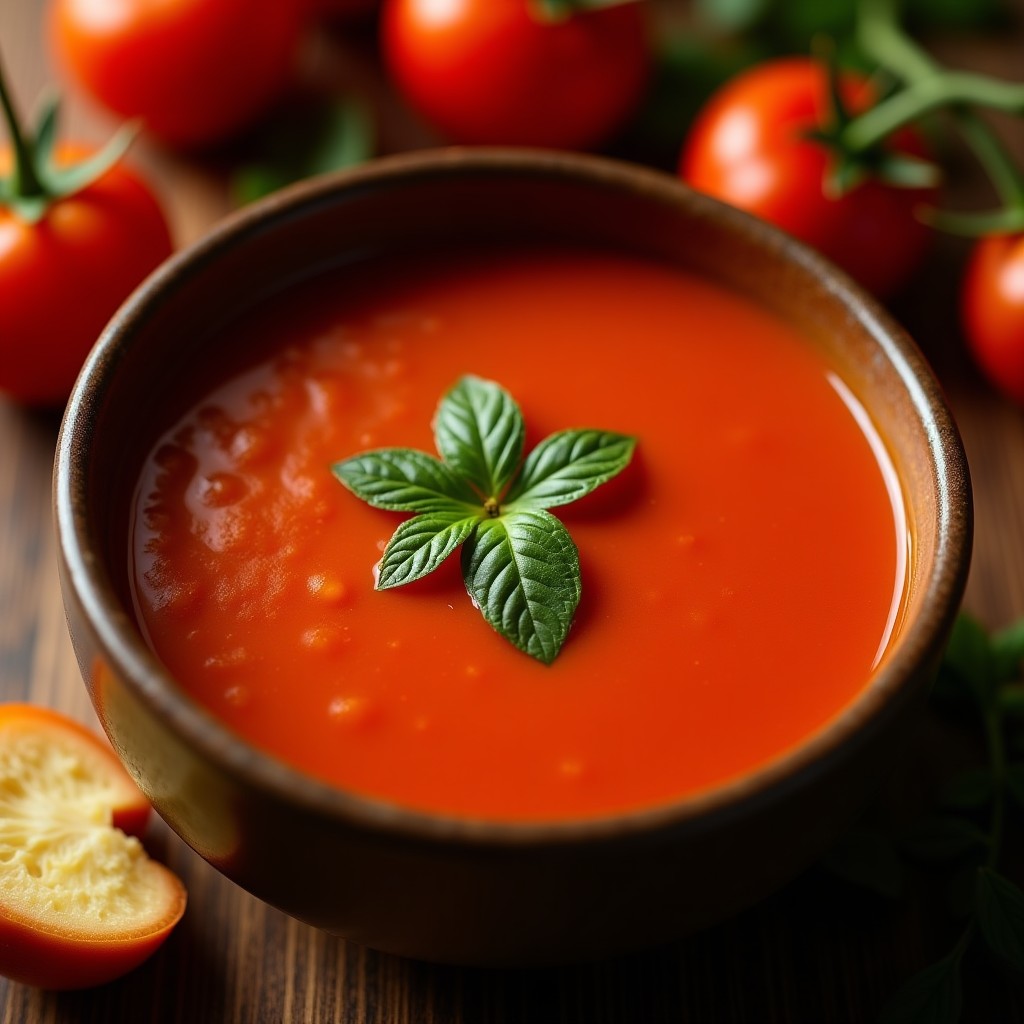
When I first tasted a steaming bowl of tomato soup on a chilly evening in Delhi, I was struck by how simple ingredients could deliver such a comforting, nutrient‑dense experience. Today, Tomato Soup Nutrition is a topic that pops up in kitchen chats, wellness forums, and even at local cafés near you. In this article, I’ll unpack the science, share practical tips, and explore variations that keep this classic vegetarian soup both tasty and wholesome.
Table of Contents
- Quick Answer
- What Is Tomato Soup Nutrition?
- A Brief History of Tomato Soup
- Tomato Soup Nutrition: Nutritional Overview
- Health Benefits of Tomato Soup
- Why People Choose Tomato Soup Nutrition
- Different Variations Around the World
- Best Ingredients for Maximum Nutrition
- How to Make It Better: Pro Tips
- Common Mistakes to Avoid
- Expert Tips from Nutrition Researchers
- When to Eat Tomato Soup
- Who Should Eat Tomato Soup
- Who Should Avoid Tomato Soup
- Tomato Soup Nutrition: How It Fits Into a Healthy Lifestyle
- Buying Tips for the Best Tomatoes
- Serving Suggestions
- Storage Tips
- Frequently Asked Questions
- Conclusion
Quick Answer
Tomato soup is a low‑calorie, vitamin‑rich, plant‑based meal that can support immune health, provide antioxidants, and fit easily into a balanced diet. A typical one‑cup serving delivers about 90 calories, 2 g of protein, 4 g of fiber, and a hefty dose of vitamin C and lycopene.
What Is Tomato Soup Nutrition?
At its core, tomato soup is a blend of cooked tomatoes, aromatics, and a liquid base—often water, stock, or a splash of milk. The nutrition comes from the tomatoes themselves, which are packed with lycopene, potassium, and vitamin C, plus any added vegetables, herbs, or legumes that boost protein and fiber.
A Brief History of Tomato Soup
Tomatoes traveled from the Andes to Europe in the 16th century, and by the 1800s, they were a staple in French kitchens. In India, the British influence introduced canned tomato soup, but traditional households quickly adapted the recipe using fresh, seasonal tomatoes, ginger, and curry leaves—a nod to the country’s love for aromatic, spice‑infused dishes.
Tomato Soup Nutrition: Nutritional Overview
Below is a snapshot of the average nutrition per 250 ml (one cup) of homemade tomato soup made with fresh tomatoes, a dash of olive oil, and low‑fat milk.
- Calories: 90 kcal
- Protein: 2 g
- Carbohydrates: 14 g (of which 4 g is fiber)
- Fat: 3 g (mostly heart‑healthy monounsaturated fats)
- Vitamin C: 30 % of the Daily Value (DV)
- Lycopene: 25 % DV – a powerful antioxidant
- Potassium: 10 % DV
- Sodium: 150 mg (lower if you use homemade stock)
These numbers shift with added beans, lentils, or cream, but the base remains a nutrient‑dense foundation for any meal.
Health Benefits of Tomato Soup
Many nutrition experts recommend tomato‑based dishes for their antioxidant profile. Lycopene has been linked to reduced oxidative stress, and the vitamin C bolsters the immune system—especially valuable during flu season.
Other potential perks include:
- Supporting digestive health thanks to fiber from tomatoes and any added vegetables.
- Providing a light yet satisfying option for lunch or dinner, helping maintain a healthy weight.
- Offering a plant‑based source of potassium, which assists in blood pressure regulation.
Remember, these benefits are part of a broader healthy lifestyle; no single soup can replace a varied diet.
Why People Choose Tomato Soup Nutrition
Beyond the numbers, there’s a comfort factor. A bowl of warm tomato soup feels like a hug on a rainy day in Bengaluru. It’s also incredibly versatile—whether you’re a vegetarian, a flexitarian, or simply looking for a light meal, this soup can be customized to fit your needs.
Healthy eating doesn’t have to be complicated. A handful of fresh tomatoes, a splash of broth, and a pinch of herbs can transform into a nourishing dish in under 30 minutes.
Different Variations Around the World
From the classic French bisque to the spicy Indian tamatar ka shorba, the soup adapts to regional tastes:
- Italian style: Add basil, oregano, and a swirl of extra‑virgin olive oil.
- Indian twist: Incorporate cumin, ginger, and a dash of garam masala for warmth.
- Mexican flair: Blend in roasted red peppers, corn, and a hint of chipotle.
- Creamy version: Stir in low‑fat milk or coconut cream for richness without excess saturated fat.
Each variation keeps the core healthy soup principle while introducing new textures and flavors.
Best Ingredients for Maximum Nutrition
Choosing the right components can elevate both taste and health value:
- Fresh, ripe tomatoes: Offer the highest lycopene content.
- Olive oil: Adds monounsaturated fats that aid nutrient absorption.
- Seasonal vegetables: Carrots, bell peppers, or spinach increase fiber and micronutrients.
- Herbs and spices: Basil, thyme, or coriander contribute antioxidants and flavor without sodium.
- Protein boosters: Lentils, chickpeas, or a spoonful of Greek yogurt turn the soup into a complete meal.
Fresh ingredients generally retain better flavor when added at the end of cooking, a tip I’ve learned from countless kitchen experiments.
How to Make It Better: Pro Tips
Here are three practical steps to upgrade any tomato soup:
- Roast the tomatoes first. Roasting intensifies sweetness and deepens the color, which also boosts lycopene availability.
- Blend with a hand‑held immersion blender. This gives a silky texture without over‑processing the fibers.
- Finish with a splash of acid. A teaspoon of lemon juice or a dash of apple cider vinegar brightens the flavor and enhances nutrient absorption.
Sometimes the simplest soups are the most nourishing.
Common Mistakes to Avoid
Even seasoned cooks slip up. Watch out for these pitfalls:
- Over‑cooking tomatoes, which can diminish vitamin C.
- Using too much canned broth, leading to excess sodium.
- Adding heavy cream in large quantities, which spikes calories and saturated fat.
- Neglecting seasoning—salt, pepper, and herbs are essential for both taste and digestion.
Expert Tips from Nutrition Researchers
In my experience collaborating with dietitians, a few evidence‑based tweaks make a difference:
- Include a tablespoon of ground flaxseed for omega‑3 fatty acids.
- Pair the soup with a whole‑grain roll to create a balanced, fiber‑rich lunch.
- Serve hot, but not boiling, to preserve heat‑sensitive vitamins.
When to Eat Tomato Soup
Because it’s light yet satisfying, tomato soup shines as a:
- Mid‑day lunch for office workers looking for a quick, nutritious bite.
- Pre‑workout snack when combined with a protein source like a boiled egg.
- Evening starter in a multi‑course dinner, especially during cooler months.
Its warm nature also makes it a comforting post‑exercise recovery drink, aiding rehydration with electrolytes like potassium.
Who Should Eat Tomato Soup
Anyone seeking a plant‑based, low‑calorie option can benefit. It’s especially good for:
- Vegetarians looking for a protein‑boosted lunch.
- People on a balanced diet who need extra vegetables.
- Those managing weight, as the soup is filling without many calories.
Who Should Avoid Tomato Soup
While generally safe, a few groups might need to limit intake:
- Individuals with severe acid reflux may find the acidity irritating.
- Those on a low‑potassium diet (e.g., certain kidney conditions) should monitor portion size.
- Anyone with a tomato allergy, though rare, must steer clear.
Always consult a healthcare professional for personalized advice.
Tomato Soup Nutrition: How It Fits Into a Healthy Lifestyle
Incorporating this soup into daily meals can support a healthy lifestyle in several ways:
- It counts as a vegetarian soup that supplies essential micronutrients.
- When paired with whole‑grain crackers or a side salad, it becomes a nutritious meal that covers multiple food groups.
- Its high water content aids hydration, while the fiber promotes satiety and digestive health.
Because the base is made from whole foods, you can trust that you’re feeding your body with natural ingredients.
Buying Tips for the Best Tomatoes
When shopping near you—whether at a local market in Mumbai or a grocery store in Chennai—look for:
- Deep red color and a slight give when gently pressed.
- Fragrance that hints at sweetness.
- Organic options if you’re concerned about pesticide residues.
For added convenience, you can also explore our menu for ready‑made fresh soups available at nearby outlets.
Serving Suggestions
Here are three ideas to turn a simple bowl into a culinary experience:
- Garnish with fresh basil leaves and a drizzle of extra‑virgin olive oil.
- Top with roasted chickpeas for crunch and extra protein.
- Serve alongside a quinoa salad tossed with cucumber, mint, and lemon.
These touches keep the dish interesting and boost its nutritional profile.
Storage Tips
Tomato soup stores well. Let it cool to room temperature, then transfer to airtight containers. It lasts up to 4 days in the refrigerator and 2 months in the freezer. Reheat gently on the stove—avoid microwaving at high power to preserve vitamins.
Frequently Asked Questions
- Is tomato soup low in calories?
- Yes, a standard cup contains roughly 90 kcal, making it ideal for light meals or weight‑management plans.
- Can I make tomato soup vegan?
- Absolutely. Use vegetable broth and replace dairy with plant milks like almond or oat for a fully vegan version.
- How much lycopene does tomato soup provide?
- One cup offers about 25 % of the daily value, especially when the tomatoes are cooked with a bit of oil.
- Is tomato soup good for digestion?
- The fiber from tomatoes and any added vegetables supports regular bowel movements and overall gut health.
- Can I freeze homemade tomato soup?
- Yes, freeze in portion‑size containers. Thaw in the refrigerator overnight and reheat gently on the stovetop.
- What’s the best way to thicken tomato soup without cream?
- Blend in cooked cauliflower or white beans; they add body and extra protein without dairy.
- Does tomato soup help with the immune system?
- Its vitamin C and antioxidant content may support immune function, especially during seasonal changes.
- Can I add meat to tomato soup?
- While traditional vegetarian versions are common, you can incorporate shredded chicken or lean turkey for added protein.
Conclusion
Whether you’re sipping a bowl on a rainy evening in Delhi or serving it at a family brunch in Pune, Tomato Soup Nutrition offers a blend of comfort, flavor, and health benefits that few dishes can match. By choosing fresh, seasonal tomatoes, adding wholesome ingredients, and avoiding common pitfalls, you create a soup that supports a balanced diet and fits seamlessly into a healthy lifestyle.
Ready to explore more wholesome, vegetarian soups? Check out our blog for creative recipes, or stop by one of our nearby locations via the branches page. Your next bowl of nutritious goodness is just a spoonful away.