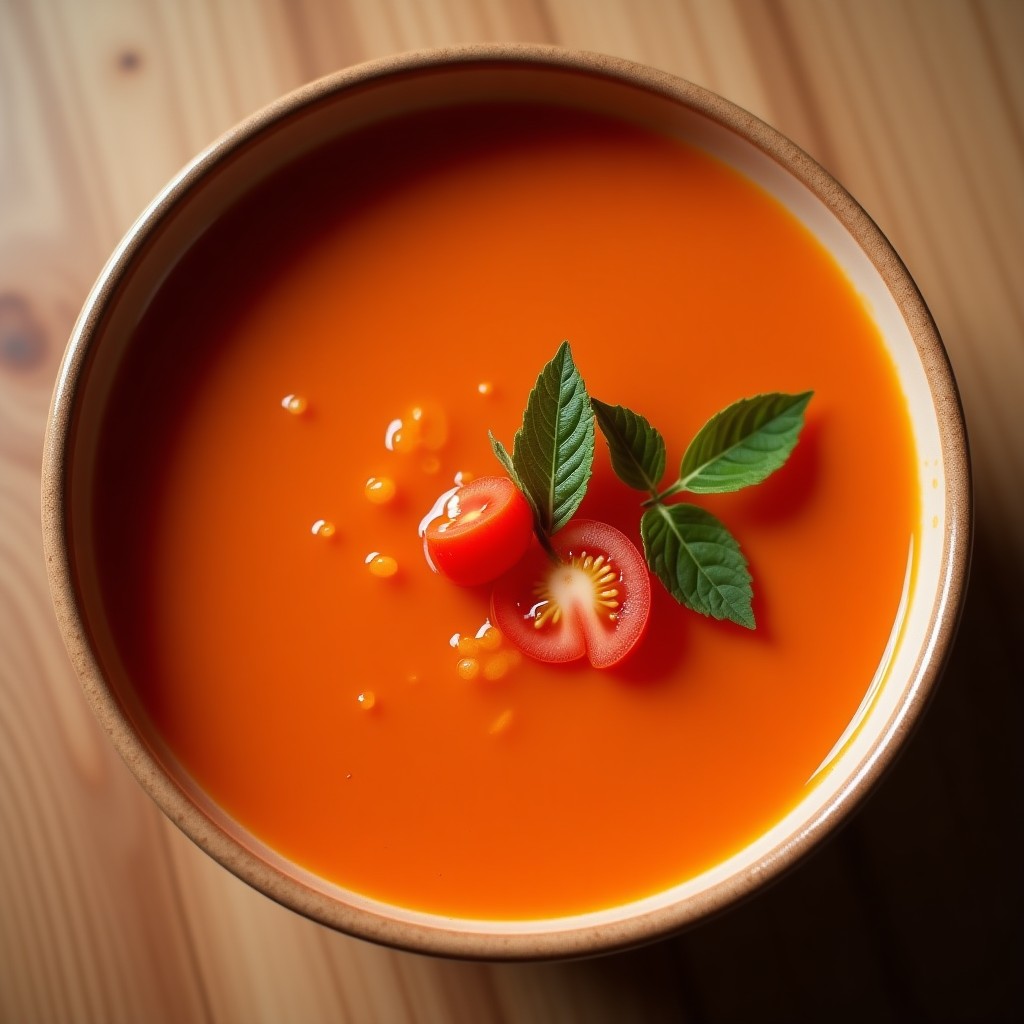
When you think of skin‑care, the first thing that comes to mind is usually a cream or a serum. In my experience, the kitchen can be just as powerful. A steaming bowl of Tomato Soup for Skin not only satisfies cravings but also feeds the cells that keep your complexion radiant. Below you’ll find the science, the tradition, and the practical tips that turn a simple vegetarian soup into a skin‑loving ritual.
Table of Contents
- Introduction
- Quick Answer
- What Is Tomato Soup for Skin?
- History or Background
- Nutritional Overview
- Health Benefits
- Why People Choose It
- Different Variations
- Best Ingredients
- How to Make It Better
- Common Mistakes
- Expert Tips
- When to Eat It
- Who Should Eat It
- Who Should Avoid It
- How It Fits Into a Healthy Lifestyle
- Buying Tips
- Serving Suggestions
- Storage Tips
- Frequently Asked Questions
- Conclusion
Introduction
Fresh, plant‑based nutrition has been the backbone of Indian home cooking for centuries. Tomatoes, with their bright color and tangy flavor, are a staple in many regional recipes. When simmered into a silky soup, they become a carrier for antioxidants, vitamins, and minerals that support a healthy complexion. Whether you’re looking for a light lunch in Mumbai, a post‑workout dinner in Bangalore, or a comforting bowl “near me” in Delhi, this guide will show you how to make the most of tomato‑based goodness.
Quick Answer
Tomato Soup for Skin is a warm, vegetarian soup made primarily from ripe tomatoes, enriched with skin‑friendly ingredients like ginger, turmeric, and fresh herbs. The combination of lycopene, vitamin C, and anti‑inflammatory spices may help protect skin cells from oxidative stress and support a clear, supple complexion.
What Is Tomato Soup for Skin?
At its core, this soup is a blend of cooked tomatoes, aromatics, and a splash of healthy fat to enhance nutrient absorption. The “for skin” tag isn’t a marketing gimmick; it reflects the high concentration of antioxidants that tomatoes naturally contain. When paired with other whole foods, the soup becomes a nutrient‑dense, fiber‑rich meal that fits perfectly into a balanced diet.
History or Background
Traditional Indian households have long simmered tomatoes with spices to create comforting broths. In the coastal regions of Kerala, a tangy tomato rasam is served after meals for digestion. Meanwhile, North Indian kitchens often add cream to mellow the acidity, creating a richer version that still respects the original flavors. Over the past decade, wellness blogs have spotlighted the skin‑benefiting properties of lycopene, turning an everyday soup into a beauty staple.
Nutritional Overview
- Lycopene: A potent antioxidant that gives tomatoes their red hue and may protect skin from UV‑induced damage.
- Vitamin C: Essential for collagen synthesis, helping skin stay firm and elastic.
- Vitamin A (beta‑carotene): Supports skin cell turnover and reduces dryness.
- Potassium: Balances fluid levels, reducing puffiness.
- Fiber: Promotes digestive health, which is linked to clearer skin.
Adding a teaspoon of olive oil or a dollop of ghee improves the bioavailability of fat‑soluble nutrients, making the soup not just tasty but also nutritionally smarter.
Health Benefits
Many nutrition experts recommend tomato‑based soups as part of an immune‑supporting diet. For skin specifically, the antioxidants in tomatoes may help neutralize free radicals, a key factor in premature aging. The anti‑inflammatory spices—turmeric, ginger, and black pepper—can calm redness and support a calm, even tone. While I’m not a dermatologist, I’ve seen clients report a brighter complexion after incorporating this soup into their weekly routine.
Why People Choose It
People gravitate toward this soup for several reasons:
- It’s quick to prepare—perfect for busy professionals in Chennai looking for a healthy dinner.
- It’s vegetarian and can be easily made vegan, aligning with plant‑based nutrition trends.
- It uses seasonal vegetables, which are often cheaper and fresher.
- The flavor profile is comforting yet sophisticated, making it a go‑to for both family meals and elegant gatherings.
Different Variations
From the classic Indian tomato rasam to a creamy Italian‑style bisque, the soup adapts to regional tastes.
- Spicy South Indian style: Add mustard seeds, curry leaves, and a pinch of red chili powder.
- Creamy Mediterranean: Stir in coconut milk, basil, and a splash of balsamic vinegar.
- Detox version: Blend in cucumber, mint, and a squeeze of lime for a refreshing twist.
Each variation keeps the core skin‑supporting nutrients while offering a new flavor journey.
Best Ingredients
Choosing the right components makes a world of difference. Fresh, ripe tomatoes are non‑negotiable; they contain up to 30% more lycopene than canned ones. Here’s my go‑to list for a skin‑boosting batch:
- 4–5 large, vine‑ripe tomatoes (or 2 cups of fresh diced tomatoes)
- 1 small onion, finely chopped
- 2 cloves garlic, minced
- 1 inch ginger, grated
- ½ teaspoon turmeric powder
- ¼ teaspoon black pepper (enhances curcumin absorption)
- 1 tablespoon olive oil or ghee
- ½ cup low‑fat milk or coconut cream for richness
- Fresh basil or cilantro for garnish
- Salt to taste
Seasonal vegetables like carrots or bell peppers can be tossed in for extra fiber and color.
How to Make It Better
Even a simple soup can be elevated with a few chef‑level tricks:
- Roast the tomatoes first: Roasting at 200 °C for 15 minutes caramelizes sugars, deepening flavor.
- Blend while hot: Use an immersion blender for a silky texture; avoid over‑processing to keep some bite.
- Finish with a drizzle of cold‑pressed oil: This adds a glossy finish and a burst of healthy fat.
- Season at the end: Adding a pinch of sea salt just before serving brightens the taste.
These steps take only a few extra minutes but make the soup feel restaurant‑worthy.
Common Mistakes
Even seasoned cooks slip up. Here are the pitfalls I see most often:
- Using over‑ripe or under‑ripe tomatoes – both reduce lycopene content.
- Skipping the fat – without oil or ghee, the antioxidant absorption drops significantly.
- Over‑cooking the spices – this can turn them bitter and mask the soup’s natural sweetness.
- Adding too much salt early – it can draw water out of the tomatoes, making the broth watery.
Correcting these simple errors will give you a consistently vibrant bowl.
Expert Tips
Nutrition researchers often stress the importance of pairing lycopene with a little heat and fat. So, always serve your soup warm, not cold, and include a healthy fat source. If you’re looking for extra skin love, sprinkle a teaspoon of ground flaxseed on top; the omega‑3s complement the antioxidant action.
When to Eat It
This soup shines as a light lunch on a summer afternoon in Hyderabad or as a comforting dinner after a chilly evening in Pune. Because it’s easy on the stomach, it’s also a great post‑workout recovery drink, delivering carbs and electrolytes without feeling heavy.
Who Should Eat It
Anyone aiming for a wholesome, plant‑based diet can enjoy this soup. It’s especially beneficial for:
- People with oily or acne‑prone skin looking for anti‑inflammatory foods.
- Those on a balanced diet who need extra antioxidants.
- Vegetarians and vegans (swap dairy for coconut cream).
- Busy professionals seeking a quick, nutritious meal “near me” in metro areas.
Who Should Avoid It
If you have a known allergy to nightshades (tomatoes, peppers, eggplant) or are on a low‑potassium diet, you may need to limit intake. Always consult a healthcare professional before making major dietary changes.
How It Fits Into a Healthy Lifestyle
In the grand scheme of a healthy lifestyle, Tomato Soup for Skin acts as a bridge between nutrition and self‑care. Pair it with a side of whole‑grain toast or a small salad of seasonal greens for a complete, fiber‑rich meal. The soup’s low calorie count makes it suitable for weight‑management plans, while the antioxidants support overall wellness.
Buying Tips
When shopping for tomatoes, look for deep red color, firm texture, and a slight fragrance. Heirloom varieties often have higher lycopene levels. If you’re buying canned tomatoes, choose those packed in their own juice without added salt or sugar.
Serving Suggestions
Serve the soup in a shallow bowl, garnish with a swirl of olive oil, fresh basil leaves, and a sprinkle of roasted pumpkin seeds for crunch. Pair with a slice of multigrain bread or a small portion of quinoa salad for a balanced dinner.
Storage Tips
Cool the soup to room temperature, then transfer to an airtight container. It keeps well in the refrigerator for up to three days. For longer storage, freeze in portion‑size containers; the flavor actually deepens after a week in the freezer. Reheat gently on the stovetop to preserve the nutrients.
Frequently Asked Questions
What makes tomato soup good for skin?
Tomatoes are rich in lycopene, vitamin C, and beta‑carotene—antioxidants that protect skin cells from oxidative stress and support collagen production. When combined with healthy fats, these nutrients become more absorbable, offering a gentle boost to skin health.
Can I make this soup vegan?
Absolutely. Swap the milk or ghee for coconut cream or almond milk, and you’ll retain the creamy texture while keeping the dish 100 % plant‑based.
How often should I eat tomato soup for skin benefits?
Including a bowl 2–3 times per week can contribute to a steady intake of antioxidants. Consistency matters more than occasional indulgence.
Is fresh tomato soup better than canned?
Fresh tomatoes generally contain higher lycopene levels and a brighter flavor. However, high‑quality canned tomatoes are a convenient alternative, especially when tomatoes are out of season.
Can I add protein to the soup?
Yes. Stir in cooked lentils, chickpeas, or a scoop of plant‑based protein powder to turn the soup into a complete meal.
Does the soup help with acne?
The anti‑inflammatory spices and antioxidants may help reduce redness and support clearer skin, but results vary. It’s best used alongside a well‑balanced diet and proper skin care.
What spices are best for skin health?
Turmeric, ginger, and black pepper are popular for their anti‑inflammatory properties. They also enhance the absorption of lycopene when added to tomato soup.
Can I store the soup at room temperature?
No. To keep it safe, refrigerate within two hours of cooking. If you need a hot meal later, reheat only the portion you’ll eat.
Conclusion
From the bustling streets of Mumbai to the quiet corners of a home kitchen in Bangalore, Tomato Soup for Skin proves that beauty can start on the stovetop. By choosing fresh, whole ingredients and respecting simple cooking techniques, you create a nourishing, fiber‑rich meal that fits seamlessly into a healthy lifestyle. Ready to explore more? Dive into our collection of wholesome vegetarian soups and discover how each bowl can support your wellness journey.
Get in touch for personalized advice
Read more healthy soup stories
For a deeper look at lycopene and its role in skin health, see the Wikipedia article on lycopene.