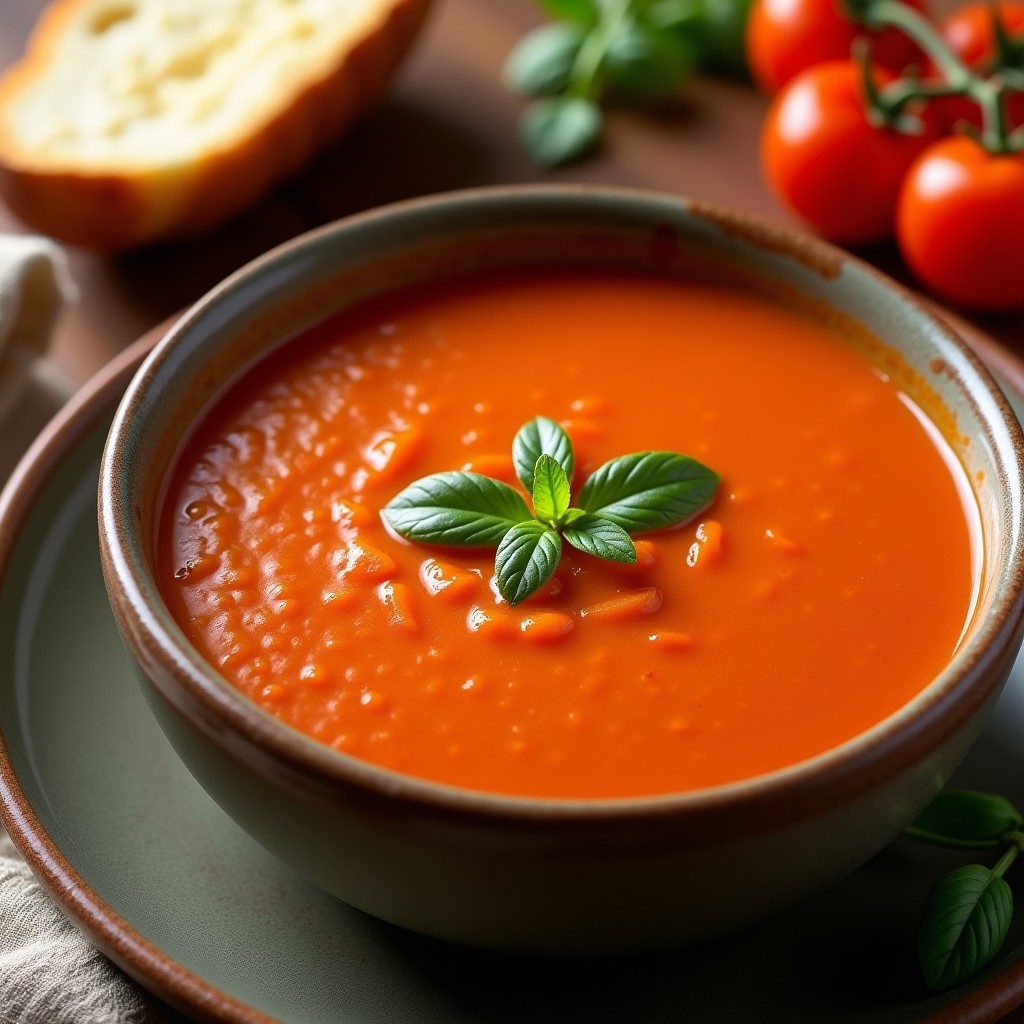
When you think of a healthy soup that can fit into a balanced diet, tomato soup often tops the list. In my experience as a food journalist and nutrition researcher, the bright, tangy broth not only satisfies cravings but can also support a healthy lifestyle focused on weight management. Below you’ll find everything you need to know about using tomato soup for weight loss, from nutrition facts to cooking tips, all written in a friendly, down‑to‑earth tone.
Table of Contents
- Quick Answer
- What Is Tomato Soup for Weight Loss?
- History or Background
- Nutritional Overview
- Health Benefits
- Why People Choose It
- Different Variations
- Best Ingredients
- How to Make It Better
- Common Mistakes
- Expert Tips
- When to Eat It
- Who Should Eat It
- Who Should Avoid It
- How It Fits Into a Healthy Lifestyle
- Buying Tips
- Serving Suggestions
- Storage Tips
- Frequently Asked Questions
- Conclusion
Quick Answer
Tomato Soup for Weight Loss is a low‑calorie, fiber‑rich, plant‑based meal that can help you feel full while providing antioxidants and vitamins. Pair it with a side of whole‑grain toast or a handful of nuts, and you have a light yet satisfying lunch or dinner.
What Is Tomato Soup for Weight Loss?
Tomato soup is a vegetarian soup made primarily from ripe tomatoes, aromatics, and broth. When prepared with minimal oil and added fiber‑rich vegetables, it becomes a nutritious meal that supports Menu options for those watching their waistline.
History or Background
Traditional Indian households have long simmered tomatoes with spices like cumin, coriander, and black pepper to create a comforting broth. In the coastal regions of Kerala, the soup is often enriched with coconut milk, turning it into a creamy, immune‑supporting dish. Over the decades, health‑conscious chefs worldwide have adapted the recipe, emphasizing fresh ingredients and low‑fat cooking methods.
Nutritional Overview
A typical 1‑cup serving of homemade tomato soup contains roughly 80–100 calories, 2–3 g of protein, 5 g of fiber, and a generous dose of vitamin C, potassium, and lycopene. Lycopene, the antioxidant that gives tomatoes their red hue, is linked to heart health and may aid in metabolic function.
Health Benefits
- Low in calories – ideal for light meals and calorie‑controlled diets.
- High in fiber – promotes digestive health and keeps you feeling full longer.
- Rich in antioxidants – supports immune‑supporting foods and may reduce inflammation.
- Hydrating – the broth contributes to daily fluid intake.
Why People Choose It
Many nutrition experts recommend tomato soup as a starter because it “sets the tone” for a meal, preventing overeating later. The combination of sweet acidity and savory herbs makes it satisfying without the need for heavy cream or cheese.
Different Variations
From a classic Italian bisque to a spicy Indian “tamatar ka shorba,” the soup can be tweaked to match regional palates. Below are three popular styles:
- Classic Italian – simmer tomatoes with garlic, basil, and a splash of extra‑virgin olive oil.
- Indian Spiced – add cumin, turmeric, and a pinch of garam masala for warmth.
- Thai Twist – blend in lemongrass, ginger, and a dash of coconut milk for a fragrant finish.
Best Ingredients
- Ripe, seasonal tomatoes – the fresher, the better flavor.
- Low‑sodium vegetable broth – keeps sodium levels in check.
- Fresh herbs (basil, cilantro, mint) – add aroma without extra calories.
- Fiber‑rich add‑ins: carrots, bell peppers, or lentils.
- Healthy fats: a teaspoon of olive oil or a few drops of sesame oil.
How to Make It Better
1. Roast the tomatoes first. Roasting intensifies sweetness and reduces the need for added sugar.
2. Blend with a hand‑held immersion blender for a silky texture without the hassle of transferring hot liquid.
3. Finish with a splash of lemon juice to brighten the flavor and boost vitamin C.
Common Mistakes
- Using canned tomatoes with added salt and sugar – opt for “no‑salt added” varieties.
- Over‑cooking the broth – high heat can break down lycopene.
- Adding too much cream – defeats the low‑calorie goal.
Expert Tips
Many dietitians suggest pairing tomato soup with a small portion of whole‑grain crackers or a side salad. The extra protein and complex carbs help stabilize blood sugar, making the soup a more effective component of a weight‑loss plan.
When to Eat It
Tomato soup shines as a healthy lunch or early dinner. Its light nature makes it perfect for a post‑workout refuel or a comforting meal on a chilly evening.
Who Should Eat It
Anyone looking for a plant‑based, low‑calorie option can enjoy this soup. Vegans, vegetarians, and flexitarians alike appreciate its versatility.
Who Should Avoid It
People with severe tomato allergies or those on a low‑acid diet may need to skip it. If you have a medical condition that requires strict sodium monitoring, choose a homemade broth with no added salt.
How It Fits Into a Healthy Lifestyle
Incorporating tomato soup into a weekly meal plan adds variety and ensures you’re consuming seasonal vegetables. Combined with regular exercise and mindful eating, it can be a tasty ally in achieving weight‑loss goals.
Buying Tips
When shopping near you in New Delhi or Mumbai, look for tomatoes that are firm, deep red, and free of bruises. For the broth, read labels to avoid hidden sugars and excessive sodium.
Serving Suggestions
Serve the soup hot, garnished with fresh basil leaves and a drizzle of olive oil. Pair it with a slice of whole‑grain toast or a small quinoa salad for a complete, balanced meal.
Storage Tips
Cool the soup quickly, then store in airtight containers in the fridge for up to three days. For longer storage, freeze in portion‑size bags for up to two months. Reheat gently on the stovetop to preserve nutrients.
Frequently Asked Questions
Is tomato soup low in calories?
Yes, a typical cup of homemade tomato soup contains about 80–100 calories, making it an excellent choice for a light meal or snack.
Can I add protein to tomato soup?
Absolutely. Adding cooked lentils, chickpeas, or a scoop of Greek yogurt boosts protein without adding many extra calories.
Does tomato soup help with digestion?
The fiber from tomatoes and any added vegetables supports digestive health and can help maintain regular bowel movements.
Is it okay to eat tomato soup every day?
When prepared with fresh, whole‑food ingredients and low sodium, it can be part of a daily routine, especially as a starter before a larger meal.
What’s the best way to keep the soup creamy without cream?
Blend a small amount of cooked cauliflower or white beans into the soup; they add thickness and a silky mouthfeel.
Can I use canned tomatoes?
You can, but choose “no‑salt added” and “no sugar added” varieties. Roasting fresh tomatoes yields a richer flavor.
How many servings of tomato soup are safe for weight loss?
One to two cups per day fits well within most calorie‑controlled plans, especially when paired with protein and fiber‑rich sides.
Is tomato soup suitable for a vegan diet?
Yes, as long as you use vegetable broth and avoid dairy‑based toppings.
Does the soup need to be hot to be healthy?
Temperature doesn’t affect the nutrient profile, but a warm bowl can be more comforting and may aid satiety.
Can I add spices for extra flavor?
Spices like cumin, smoked paprika, or a pinch of chili flakes enhance taste without adding calories.
Conclusion
Tomato Soup for Weight Loss is more than a comfort food; it’s a versatile, nutrient‑dense option that can fit seamlessly into a healthy lifestyle. By choosing fresh, whole ingredients and mindful preparation, you can enjoy a satisfying bowl that supports your wellness goals. Ready to explore more vegetarian soups? Visit our About Us page, check out the Contact section for personalized tips, and discover a world of flavorful, wholesome soups that keep you feeling light and nourished.
For a deeper dive into the science behind tomatoes, see Wikipedia’s tomato soup article.