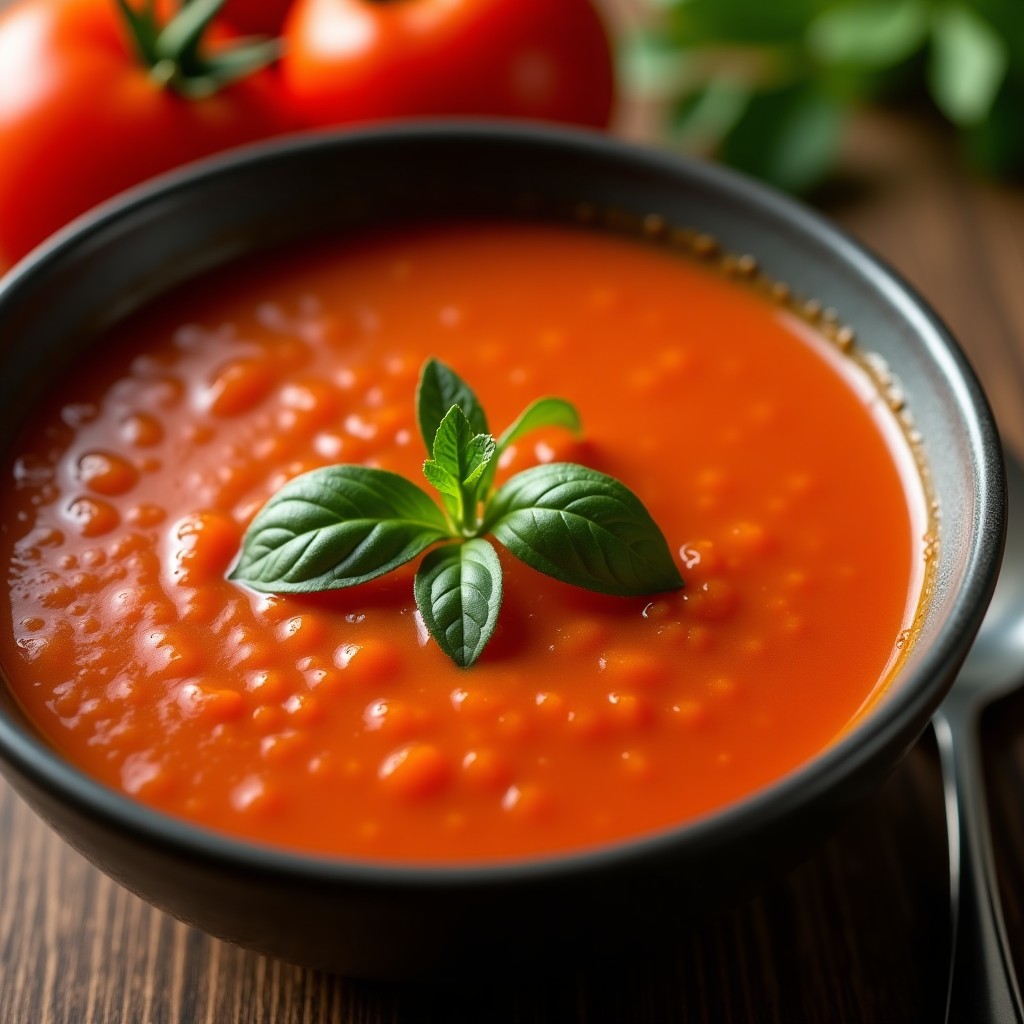
When you think of heart‑friendly foods, leafy greens and oily fish often steal the spotlight. Yet, in my kitchen and in many Indian households, a steaming bowl of Tomato Soup for Heart Health is a daily ritual that quietly fuels the heart. Fresh tomatoes, aromatic spices, and a splash of wholesome broth combine into a comforting, plant‑based nutrition powerhouse. Below you’ll discover why this humble soup deserves a permanent spot on your menu, especially if you’re searching “tomato soup near me” in Mumbai, Delhi, or Bangalore.
Table of Contents
- Quick Answer
- What Is Tomato Soup for Heart Health?
- History or Background
- Nutritional Overview
- Health Benefits
- Why People Choose It
- Different Variations
- Best Ingredients
- How to Make It Better
- Common Mistakes
- Expert Tips
- When to Eat It
- Who Should Eat It
- Who Should Avoid It
- How It Fits Into a Healthy Lifestyle
- Buying Tips
- Serving Suggestions
- Storage Tips
- Frequently Asked Questions
- Conclusion
Quick Answer
Tomato Soup for Heart Health is a low‑calorie, fiber‑rich vegetarian soup that provides lycopene, potassium, and antioxidants—nutrients known to support healthy blood pressure and vascular function. When prepared with heart‑smart ingredients like olive oil, whole‑grain pasta, or lentils, it can become a regular ally in a balanced diet.
What Is Tomato Soup for Heart Health?
At its core, this soup is a blend of ripe tomatoes, aromatics (onion, garlic, ginger), and a light broth. What makes it “heart‑healthy” is the intentional inclusion of ingredients that lower saturated fat, boost fiber, and add potassium. The result is a silky, slightly tangy bowl that satisfies cravings without overloading the arteries.
History or Background
Tomatoes arrived in India via Portuguese traders in the 16th century, quickly finding a home in regional cuisines. Traditional Indian households have long simmered tomatoes with spices to create “tamatar ka shorba,” a thin, spiced broth served after fasting. Over time, the recipe evolved, embracing Western-style creamy textures while retaining the Indian spice palette—perfect for modern, health‑conscious diners.
Nutritional Overview
- Lycopene: A potent antioxidant that may help reduce LDL oxidation.
- Potassium: Supports blood‑pressure regulation by counteracting sodium.
- Vitamin C & A: Boost immune‑supporting foods and skin health.
- Fiber: From tomatoes, carrots, and optional whole‑grain additions, aiding digestive health.
- Healthy Fats: Olive oil or mustard oil provides monounsaturated fats that can improve lipid profiles.
A typical 1‑cup serving (about 250 ml) contains roughly 90 calories, 3 g protein, 2 g fiber, and 400 mg potassium—making it an ideal light meal or side dish.
Health Benefits
Many nutrition experts recommend Tomato Soup for Heart Health as part of a plant‑based diet. Here’s how it may help:
- Supports healthy blood pressure thanks to potassium‑rich tomatoes.
- Lowers inflammation with lycopene and spice‑derived curcumin (if turmeric is added).
- Improves cholesterol balance when cooked with olive oil instead of butter.
- Provides satiety without excess calories, aiding weight management—a key factor for cardiovascular risk.
While no single food can guarantee a disease‑free life, incorporating this soup into a balanced diet can be a tasty step toward wellness.
Why People Choose It
From busy professionals in Bangalore’s tech parks to retirees in Pune, the appeal is universal:
- Convenience: Ready in under 30 minutes.
- Versatility: Can be served hot or chilled.
- Affordability: Tomatoes are seasonal and inexpensive.
- Flavor: The combination of sweet tomatoes and warm spices satisfies both palate and nutrition goals.
Healthy eating doesn’t have to be complicated.
Different Variations
While the classic version shines on its own, you can experiment with regional twists:
- South Indian style: Add curry leaves, mustard seeds, and a dash of coconut milk.
- North Indian style: Incorporate cumin, coriander, and a pinch of garam masala.
- Western twist: Blend in roasted red peppers and finish with a swirl of low‑fat Greek yogurt.
- Protein boost: Stir in cooked red lentils or quinoa for a heart‑healthy, plant‑based protein source.
Best Ingredients
Choosing the right components elevates both taste and nutrition:
- Ripe tomatoes: Look for deep red, slightly soft fruits—these have the highest lycopene content.
- Extra‑virgin olive oil: A small drizzle provides monounsaturated fats.
- Fresh herbs: Basil, cilantro, or mint add antioxidants and aroma.
- Spices: Turmeric, cumin, and black pepper enhance anti‑inflammatory potential.
- Low‑sodium broth: Homemade vegetable stock keeps sodium in check.
Fresh ingredients generally retain better flavor when added at the end of cooking.
How to Make It Better
Even a seasoned cook can fine‑tune the soup for maximum heart health:
- Roast the tomatoes first: This deepens flavor without extra oil.
- Blend with a hand blender: Keeps the texture smooth while preserving fiber.
- Finish with a splash of lemon juice: Vitamin C improves lycopene absorption.
- Use whole‑grain pasta or barley: Adds fiber and a pleasant bite.
Sometimes the simplest soups are the most nourishing.
Common Mistakes
Avoid these pitfalls to keep your soup heart‑friendly:
- Adding too much cream or butter—this spikes saturated fat.
- Using canned tomatoes with added sugar or salt.
- Over‑cooking the spices, which can turn bitter.
- Skipping the garnish; fresh herbs not only look appealing but also boost antioxidant content.
Expert Tips
In my experience, a few pro tricks make a world of difference:
- Season with sea salt after blending, not before, to control sodium.
- Store the soup in glass jars; plastic can leach unwanted chemicals.
- Pair the soup with a small side of whole‑grain toast for a complete, balanced meal.
When to Eat It
This soup shines as a:
- Light lunch: Pair with a mixed greens salad for a nutritious midday break.
- Pre‑workout snack: The carbs and potassium provide quick energy.
- Evening dinner: Serve a smaller bowl with a protein‑rich side like grilled paneer or tofu.
Who Should Eat It
Anyone looking to incorporate more plant‑based nutrition into their diet can benefit. Athletes, seniors, and busy parents alike find the soup satisfying and easy to digest.
Who Should Avoid It
People with severe tomato allergies or those on a low‑potassium diet (e.g., certain kidney conditions) should limit intake. Always consult a healthcare professional for personalized advice.
How It Fits Into a Healthy Lifestyle
When combined with regular physical activity, adequate sleep, and stress‑management practices, Tomato Soup for Heart Health can be a staple of a heart‑smart routine. It aligns with the Mediterranean diet’s emphasis on vegetables, healthy fats, and whole foods, making it an easy bridge between Indian flavors and global wellness trends.
Buying Tips
When you shop at local markets in Delhi or Mumbai, keep these pointers in mind:
- Choose tomatoes that are firm yet give slightly under pressure.
- Opt for organic produce when possible to reduce pesticide exposure.
- Pick low‑sodium vegetable broth or make your own using fresh carrots, celery, and herbs.
Fresh produce generally retains more nutrients than frozen, especially when used within a day or two of purchase.
Serving Suggestions
Elevate the soup with simple accompaniments:
- Garnish with a drizzle of olive oil and a sprinkle of toasted pumpkin seeds.
- Serve alongside a small quinoa salad with cucumber, mint, and lemon.
- For a festive touch, add a dollop of low‑fat ricotta and a few basil leaves.
Storage Tips
Cool the soup to room temperature, then refrigerate in an airtight glass container for up to three days. For longer storage, freeze in portion‑size bags for up to two months. Thaw gently on the stovetop and give it a quick blend before serving.
Frequently Asked Questions
Is tomato soup good for lowering blood pressure?
Tomatoes are rich in potassium, which can help balance sodium levels and support healthy blood pressure. While the soup alone isn’t a cure, regular consumption as part of a low‑sodium diet may contribute to better cardiovascular outcomes.
Can I make this soup dairy‑free?
Absolutely. Use olive oil instead of butter and skip cream. A splash of coconut milk or almond milk adds creaminess without dairy, keeping the soup suitable for vegans and lactose‑intolerant individuals.
How much lycopene does a bowl contain?
A typical serving of cooked tomatoes provides about 5 mg of lycopene, though the exact amount varies with tomato variety and cooking method. Roasting and adding a bit of healthy fat (like olive oil) can increase absorption.
What’s the best way to thicken the soup without flour?
Blend in cooked red lentils or a handful of rolled oats. Both add thickness, fiber, and plant‑based protein while keeping the soup heart‑healthy.
Is it safe to eat this soup every day?
For most people, a daily bowl fits well within a balanced diet, especially if you vary the ingredients (different herbs, grains, or legumes) to avoid monotony and ensure a broad nutrient intake.
Can I add cheese for extra flavor?
A modest sprinkle of low‑fat paneer or feta can add texture, but keep portions small to avoid excess saturated fat. Opt for reduced‑fat options whenever possible.
Does the soup help with weight loss?
Low in calories and high in fiber, the soup can promote satiety and help control overall calorie intake, which may support weight‑management goals when paired with a healthy lifestyle.
How do I make it suitable for kids?
Reduce the spice level, blend until ultra‑smooth, and add a tiny pinch of sweet paprika for color. Serve with whole‑grain crackers for a fun, balanced snack.
What other vegetables pair well with tomatoes?
Carrots, bell peppers, spinach, and zucchini blend seamlessly, adding extra vitamins, minerals, and fiber to the soup.
Is canned tomato soup as healthy as homemade?
Commercial canned versions often contain added sugars, sodium, and preservatives that diminish heart‑healthy benefits. Homemade soup gives you full control over ingredients, making it the superior choice.
Conclusion
Whether you’re strolling through a market in Kolkata or ordering takeout “near me” in Hyderabad, Tomato Soup for Heart Health offers a simple, flavorful route to support cardiovascular wellness. By choosing fresh, whole ingredients, avoiding excess fats, and pairing the soup with other nutritious foods, you create a balanced, plant‑based meal that fits effortlessly into a healthy lifestyle.
Ready to explore more? Dive into our collection of nourishing vegetarian soups and discover how each bowl can become a stepping stone toward a healthier you.
Explore our menu | Learn about our story | Get in touch
For deeper scientific insight on lycopene and heart health, see Wikipedia.