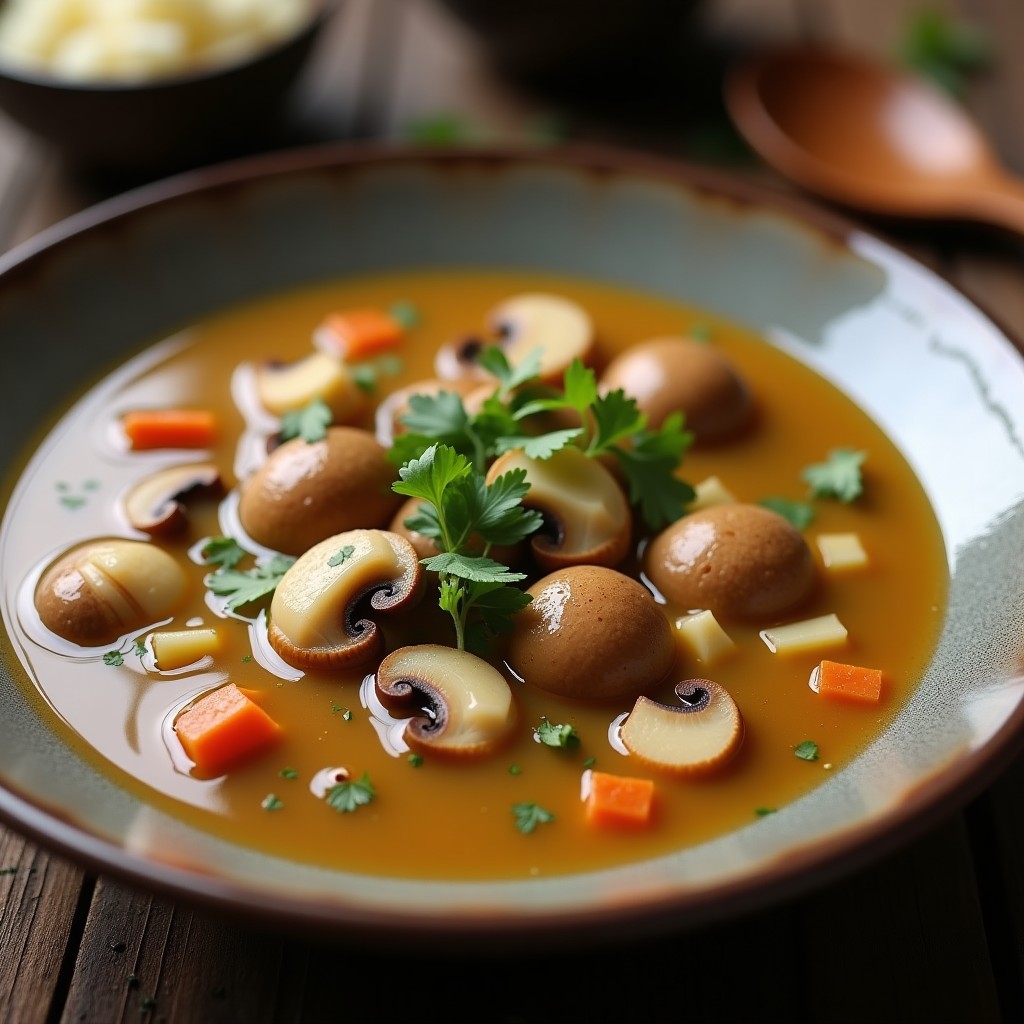
When the weather turns crisp or you simply crave something comforting, a bowl of mushroom soup can feel like a warm hug. Beyond its soothing texture, mushroom soup benefits extend to nutrition, immunity, and even mental well‑being. In my years as a food journalist and nutrition researcher, I’ve tasted countless versions—from rustic Indian rasam‑style broths to velvety French bisques. Each tells a story of health, tradition, and the power of whole foods.
Table of Contents
- Quick Answer
- What Is Mushroom Soup Benefits?
- History and Cultural Roots
- Nutritional Overview
- Health Benefits
- Why People Choose Mushroom Soup
- Different Variations Around the World
- Best Ingredients for Maximum Benefits
- How to Make It Better: Pro Tips
- Common Mistakes to Avoid
- Expert Tips from Nutrition Researchers
- When to Eat Mushroom Soup
- Who Should Eat Mushroom Soup
- Who Should Avoid It (When Medically Appropriate)
- How It Fits Into a Healthy Lifestyle
- Buying Tips for Fresh Mushrooms
- Serving Suggestions
- Storage Tips
- Frequently Asked Questions
- Conclusion
Quick Answer
Mushroom soup benefits include a boost in immune‑supporting nutrients, fiber for digestive health, plant‑based protein, and antioxidants that may help reduce inflammation. It’s a low‑calorie, nutrient‑dense option that fits easily into a balanced diet, whether you’re enjoying it for lunch, dinner, or a light snack.
What Is Mushroom Soup Benefits?
In plain terms, mushroom soup is a dish where mushrooms are the star ingredient, combined with broth, herbs, and sometimes dairy or plant‑based milk to create a creamy or clear soup. The “benefits” part refers to the nutritional and wellness advantages that come from the mushrooms and the supporting ingredients.
What is mushroom soup?
Mushroom soup is a savory broth or puree made primarily from mushrooms, stock, and seasonings, enjoyed hot or cold.
What are mushroom soup benefits?
The benefits include immune‑supporting vitamins, antioxidants, fiber, and plant‑based protein that contribute to overall wellness.
Why is mushroom soup considered healthy?
Because it’s low in calories, rich in nutrients, and made from whole, natural ingredients.
History and Cultural Roots
Mushrooms have been prized in Indian kitchens for centuries, especially in the Himalayan regions where wild varieties grow abundantly. Traditional Indian households have long prepared “mushroom rasam” or “mushroom shorba,” using local spices like cumin, coriander, and mustard seeds. In Europe, mushroom soups evolved into creamy bisques, often finished with a splash of cream or sherry. These cross‑cultural adaptations show that mushroom soup is both a comfort food and a vessel for regional flavors.
Nutritional Overview
One cup (≈240 ml) of homemade mushroom soup typically contains:
- Calories: 80–120 kcal
- Protein: 3–5 g
- Fiber: 1–2 g
- Vitamin D: 10–20 IU (higher if fortified)
- Vitamin B12: minimal unless added
- Potassium: 300–400 mg
- Antioxidants: Selenium, ergothioneine, and polyphenols
These numbers shift depending on whether you use dairy, coconut milk, or a broth base, but the core nutrients remain impressive.
Health Benefits
Below are the most commonly cited mushroom soup benefits backed by nutrition science and traditional wisdom.
- Immune support: Selenium and vitamin D help modulate immune function.
- Antioxidant power: Ergothioneine scavenges free radicals, protecting cells from oxidative stress.
- Digestive health: Fiber promotes regularity and feeds beneficial gut bacteria.
- Weight management: Low calorie density makes it satisfying without excess calories.
- Heart health: Potassium helps regulate blood pressure, while low saturated fat protects arteries.
- Plant‑based protein: Complements other vegetarian sources for a balanced diet.
Many nutrition experts recommend incorporating mushroom soup into weekly meal plans as a simple way to increase vegetable intake.
Why People Choose Mushroom Soup
Beyond health, there are practical reasons why mushroom soup is a go‑to for many:
- It’s quick to prepare with pantry staples.
- It adapts to seasonal vegetables—add carrots, leeks, or spinach for extra nutrients.
- It’s naturally gluten‑free when made with rice or corn flour thickener.
- Vegetarians and vegans can enjoy it by swapping dairy for coconut or almond milk.
In bustling cities like New Delhi, you’ll often find street‑side stalls serving a steaming bowl of mushroom soup “near me,” a testament to its growing popularity.
Different Variations Around the World
Here are a few beloved twists you might encounter:
- Indian mushroom shorba: Light broth with cumin, turmeric, and fresh cilantro.
- French mushroom bisque: Creamy, finished with a dash of brandy.
- Japanese miso‑mushroom soup: Kombu dashi, miso paste, and shiitake mushrooms.
- Thai coconut mushroom soup: Coconut milk, lemongrass, and kaffir lime leaves.
Each version highlights how the same base can become a regional specialty while retaining the core mushroom soup benefits.
Best Ingredients for Maximum Benefits
Choosing fresh, high‑quality components amplifies the soup’s nutritional punch.
- Mushrooms: Button, cremini, shiitake, or oyster—each brings a unique flavor and nutrient profile.
- Stock: Homemade vegetable or chicken stock adds depth without excess sodium.
- Healthy fats: Olive oil, ghee, or coconut milk for richness and fat‑soluble vitamin absorption.
- Herbs & spices: Garlic, ginger, thyme, and black pepper boost antioxidant content.
- Seasonal vegetables: Carrots, celery, or kale increase fiber and vitamins.
Fresh ingredients generally retain better flavor when added at the end of cooking, a tip I’ve learned from my grandmother’s kitchen.
How to Make It Better: Pro Tips
Elevate a simple bowl with these tricks:
- Sauté mushrooms first: This caramelizes their natural sugars and deepens flavor.
- Deglaze with wine or soy sauce: Adds umami without extra salt.
- Blend partially: Keep some chunks for texture while achieving creaminess.
- Finish with a splash of acid: Lemon juice or a dash of apple cider vinegar brightens the palate.
- Season at the end: Salt and pepper after blending prevent bitterness.
Healthy eating doesn’t have to be complicated—these small steps make a world of difference.
Common Mistakes to Avoid
- Over‑cooking mushrooms, which can make them rubbery.
- Using too much cream, turning a light soup into a calorie bomb.
- Neglecting to season gradually, leading to blandness.
- Skipping the blend—texture matters for a satisfying mouthfeel.
Expert Tips from Nutrition Researchers
Many nutrition researchers recommend pairing mushroom soup with a source of vitamin C (like a squeeze of lemon) to enhance iron absorption from the mushrooms. Also, adding a handful of leafy greens boosts fiber and micronutrients without altering the classic taste.
When to Eat Mushroom Soup
Mushroom soup shines as a:
- Light lunch during a busy workday.
- Pre‑workout snack that provides steady energy.
- Comforting dinner when you need something gentle on the stomach.
- Post‑exercise recovery meal when paired with whole‑grain toast.
Sometimes the simplest soups are the most nourishing.
Who Should Eat Mushroom Soup
Anyone looking for a plant‑based, nutrient‑dense option can enjoy mushroom soup. It’s especially beneficial for:
- Vegetarians seeking protein and vitamin D.
- People on a weight‑loss journey needing low‑calorie meals.
- Those with digestive concerns who benefit from fiber‑rich foods.
- Individuals aiming for an immune‑supporting diet during seasonal changes.
Who Should Avoid It (When Medically Appropriate)
If you have a known mushroom allergy, obviously skip it. Those on a low‑potassium diet (e.g., certain kidney conditions) should monitor portion size, as mushrooms contain moderate potassium levels.
How It Fits Into a Healthy Lifestyle
Incorporating mushroom soup into a balanced diet aligns with the principles of whole‑food, plant‑based nutrition. Pair it with a side of whole‑grain crackers or a mixed salad for a complete meal that supports a healthy lifestyle.
Buying Tips for Fresh Mushrooms
When shopping near you—say, at a local market in Bangalore—look for mushrooms that are firm, dry, and free of dark spots. Avoid those that are slimy or emit a strong odor. If you’re buying online, check the harvest date and choose suppliers that guarantee freshness.
Serving Suggestions
Serve mushroom soup hot, garnished with:
- Fresh chives or cilantro.
- A drizzle of truffle oil for an indulgent twist.
- Toasted pumpkin seeds for crunch.
- Whole‑grain bread or naan for dipping.
These additions keep the dish interesting while adding extra nutrients.
Storage Tips
Cool the soup to room temperature, then refrigerate in an airtight container for up to 3 days. For longer storage, freeze in portion‑size containers for up to 2 months. Reheat gently on the stovetop; avoid microwaving at high power to preserve texture.
Frequently Asked Questions
- What makes mushroom soup a good source of vitamin D?
- Mushrooms synthesize vitamin D when exposed to sunlight, and some varieties (like shiitake) contain higher levels. Fortified versions boost this further, making the soup a modest source of this essential nutrient.
- Can I make mushroom soup vegan?
- Absolutely. Use vegetable broth, plant‑based milk (such as oat or almond), and skip any dairy‑based thickeners. The result is just as creamy and nutritious.
- Is mushroom soup suitable for a gluten‑free diet?
- Yes, as long as you use a gluten‑free thickener like cornstarch or rice flour and ensure your broth is gluten‑free.
- How many servings of mushroom soup should I have per week?
- One to two bowls a week can contribute to your daily vegetable intake and provide a variety of nutrients without excess calories.
- Does mushroom soup help with weight loss?
- Its low calorie density and high satiety factor can support weight‑loss goals when incorporated into a balanced diet.
- Can I add protein to mushroom soup?
- Yes—add lentils, chickpeas, or tofu cubes for extra plant‑based protein, turning the soup into a complete meal.
- Is mushroom soup safe for children?
- Kids can enjoy it, but keep seasoning mild and ensure the texture is appropriate for their age. A pureed version works well for younger children.
- What herbs pair best with mushroom soup?
- Thyme, rosemary, and sage complement the earthiness, while a pinch of smoked paprika adds depth without overpowering.
Conclusion
From immune‑supporting antioxidants to comforting warmth on a chilly evening, the mushroom soup benefits are both diverse and delicious. By choosing fresh, seasonal ingredients and applying a few chef‑approved tricks, you can turn a simple bowl into a powerhouse of nutrition. Ready to explore more healthy vegetarian soups? Dive into our Fresh Soup Benefits guide, discover the Best Vegetarian Healthy Foods, or learn about Vitamin C‑rich foods for an extra boost. Happy sipping!
For a deeper dive into mushroom nutrition, see Wikipedia’s mushroom page.