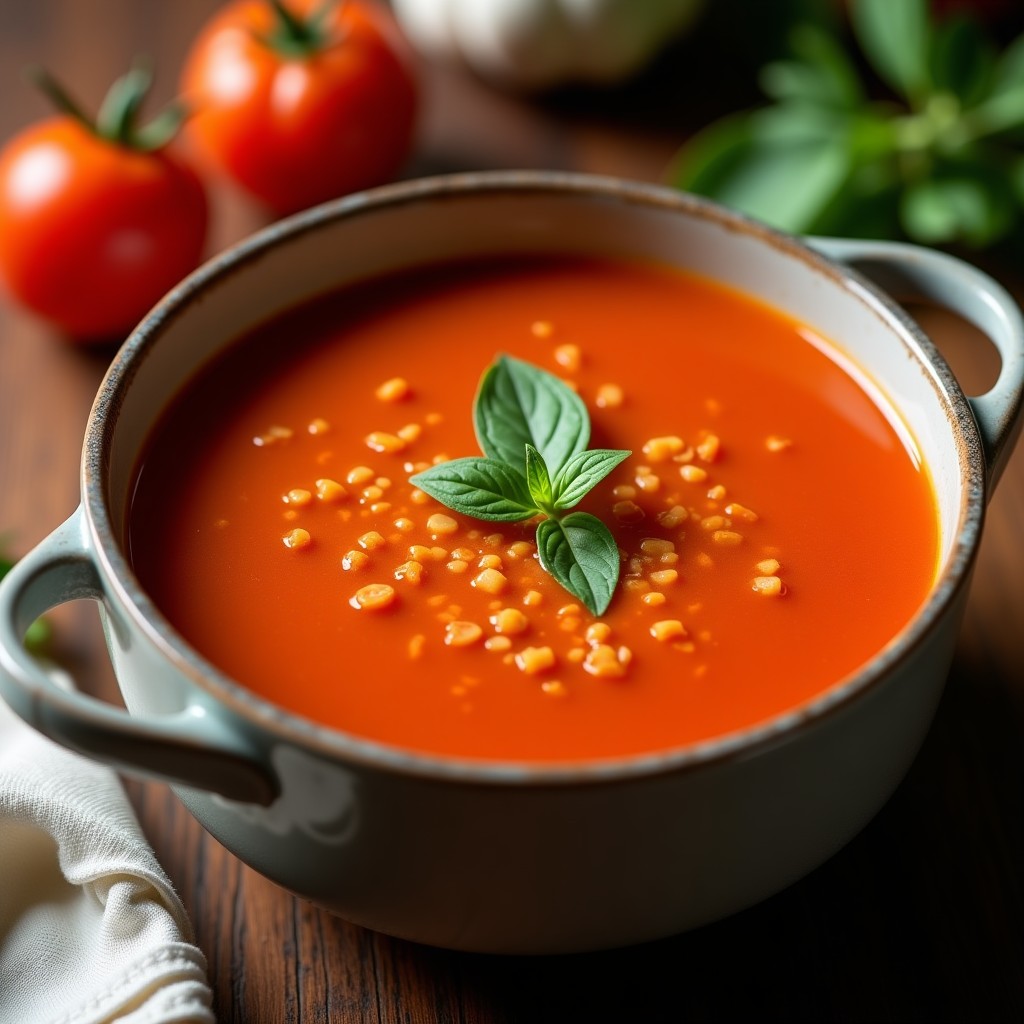
There’s something universally comforting about a bowl of Homemade Tomato Soup. Whether you’re in a bustling Chennai apartment or a quiet suburb of Coimbatore, the aroma of simmering tomatoes, fresh herbs, and a splash of cream can turn a rainy afternoon into a culinary hug. In my years as a food journalist and nutrition researcher, I’ve tasted dozens of store‑bought versions, but nothing beats the depth of flavor that comes from using whole, seasonal vegetables.
Table of Contents
- Quick Answer
- What Is Homemade Tomato Soup?
- History or Background
- Nutritional Overview
- Health Benefits
- Why People Choose It
- Different Variations
- Best Ingredients
- How to Make It Better
- Common Mistakes
- Expert Tips
- When to Eat It
- Who Should Eat It
- Who Should Avoid It
- How It Fits Into a Healthy Lifestyle
- Buying Tips
- Serving Suggestions
- Storage Tips
- Frequently Asked Questions
- Conclusion
Quick Answer
Homemade Tomato Soup is a blended, cooked mixture of ripe tomatoes, aromatics like onion and garlic, and optional enrichments such as cream, herbs, or Indian spices. It’s a healthy soup that can be served hot or chilled, making it perfect for a light lunch, a nourishing dinner, or a soothing snack.
What Is Homemade Tomato Soup?
At its core, this soup is a vegetarian soup built on the natural sweetness of tomatoes. The basic technique involves sautéing aromatics, adding chopped tomatoes (fresh or canned), simmering until the flavors meld, and then pureeing to a silky texture. From there, you can customize it with Indian flavors like cumin and curry leaves, or keep it classic with basil and a drizzle of olive oil.
History or Background
Tomato soup entered Indian kitchens during the British colonial era, but it quickly adopted local twists. In many traditional Indian households, a pinch of turmeric and a handful of fresh coriander turn the soup into a bright, immune‑supporting dish. In the south, especially in Chennai, you’ll often find a tempering of mustard seeds and dried red chilies—an homage to the region’s love for spice.
Nutritional Overview
One cup of Homemade Tomato Soup (about 240 ml) typically provides:
- Calories: 80–120 kcal (depending on added cream or oil)
- Protein: 2–3 g
- Fiber: 2–3 g (fiber‑rich foods for digestive health)
- Vitamin C: 30 % of the Daily Value (fresh tomatoes retain more vitamin C)
- Vitamin A: 15 % of the Daily Value
- Potassium: 10 % of the Daily Value
Because the soup is mostly water and vegetables, it’s low in saturated fat and high in antioxidants like lycopene, which many nutrition experts say may support heart health.
Health Benefits
Here are a few ways this simple bowl can fit into a balanced diet:
- Immune‑supporting foods: The vitamin C and lycopene boost your body’s natural defenses.
- Plant‑based nutrition: It’s a wholesome way to get vegetables without heavy calories.
- Digestive health: Fiber‑rich tomatoes aid regularity and gut flora.
- Weight management: A cup of soup can fill you up with fewer calories than a typical entrée.
- Heart‑friendly: Potassium helps regulate blood pressure, while low sodium versions protect cardiovascular health.
Healthy eating doesn’t have to be complicated.
Why People Choose It
Beyond nutrition, the soup is beloved for its convenience. A batch can be prepared in under an hour, frozen in portion‑size containers, and reheated in minutes. It’s also a light meal that pairs well with a side salad or whole‑grain toast, making it a go‑to for busy professionals in Bangalore or students in Hyderabad.
Different Variations
While the classic version stays true to tomatoes, many cooks experiment:
- Spicy Indian style: Add cumin, garam masala, and a tempering of mustard seeds.
- Creamy roasted: Roast tomatoes and onions first for a caramelized depth, then swirl in coconut milk.
- Cold gazpacho twist: Chill the soup, blend with cucumber and bell pepper for a summer refresher.
- Herb‑infused: Finish with fresh basil, thyme, or mint for an aromatic lift.
Sometimes the simplest soups are the most nourishing.
Best Ingredients
Choosing the right produce makes all the difference. Look for:
- Ripe, deep‑red tomatoes (heirloom varieties add complexity).
- Fresh garlic and onions for a fragrant base.
- Organic vegetable broth or homemade stock for a clean flavor.
- Extra‑virgin olive oil or ghee for a smooth mouthfeel.
- Seasonal herbs like basil, coriander, or curry leaves.
Fresh vegetables generally retain better flavor when they’re in season, so check your local market in Chennai or nearby farms for the best picks.
How to Make It Better
Follow these steps for a soup that tastes restaurant‑ready:
- Sauté aromatics: Heat 1 tbsp olive oil, add finely chopped onion and garlic, and cook until translucent.
- Add tomatoes: Toss in diced fresh tomatoes (or a 400 g can of whole peeled tomatoes) and a pinch of salt.
- Simmer: Pour in 2 cups low‑sodium vegetable broth, bring to a gentle boil, then reduce heat and let it bubble for 15 minutes.
- Blend: Use an immersion blender for a rustic texture or a countertop blender for silkiness.
- Finish: Stir in a splash of cream, coconut milk, or a drizzle of olive oil. Adjust seasoning with pepper, a pinch of sugar (if tomatoes are too acidic), and fresh herbs.
For an Indian twist, finish with a tempering of mustard seeds, dried red chilies, and a few curry leaves poured over the soup just before serving.
Common Mistakes
- Over‑cooking the tomatoes, which can make the soup taste bitter.
- Using canned tomatoes with added salt or sugar, leading to an unbalanced flavor.
- Skipping the blend step and ending up with a chunky texture that feels unfinished.
- Adding cream too early; it can curdle if the soup is boiling.
- Neglecting to taste and adjust seasoning at the end.
Expert Tips
- Roast first: Roasting tomatoes and onions at 200 °C for 20 minutes deepens sweetness.
- Use a splash of acidity: A teaspoon of balsamic vinegar brightens the final taste.
- Blend in stages: Start on low speed, then increase to avoid splatter.
- Cool before freezing: Let the soup reach room temperature, then portion into airtight containers.
- Serve with texture: Top with toasted pumpkin seeds, a drizzle of pesto, or a few croutons for crunch.
When to Eat It
This soup shines as a healthy lunch on a workday, a comforting starter for dinner, or a soothing bowl after a yoga session. In Chennai’s monsoon season, a hot bowl paired with a soft naan feels especially restorative, while a chilled version pairs perfectly with a summer salad in Hyderabad.
Who Should Eat It
Anyone looking for a light, nutritious meal can enjoy Homemade Tomato Soup. It’s ideal for:
- Vegetarians seeking plant‑based protein sources.
- Fitness enthusiasts needing quick post‑workout carbs and electrolytes.
- Families wanting a kid‑friendly, low‑fat dinner.
- Those on a healthy lifestyle who prioritize whole foods.
Who Should Avoid It
People with severe tomato allergies should steer clear. If you have a history of acid reflux, you may want to limit the amount of tomato or add a pinch of baking soda to neutralize acidity. Always consult a healthcare professional for personalized advice.
How It Fits Into a Healthy Lifestyle
Because the soup is low in calories yet high in vitamins and antioxidants, it can be a staple in a balanced diet. Pair it with a whole‑grain roll or a side of sautéed greens for a complete, nutrient‑dense meal. Many nutrition experts recommend a bowl of soup as the first course to help control overall calorie intake.
Buying Tips
When shopping for ingredients near you, consider these pointers:
- Choose tomatoes that are firm, heavy for their size, and have a deep red hue.
- Opt for organic onions and garlic if possible—they have fewer pesticide residues.
- Check the label on canned tomatoes; look for “no added salt” and “no added sugar.”
- For broth, select low‑sodium options or make your own stock from vegetable scraps.
Explore local markets in Chennai for the freshest produce, or visit a nearby grocery store that sources from regional farms.
Serving Suggestions
Here are a few ideas to elevate your bowl:
- Garnish: Fresh basil leaves, a swirl of cream, or a sprinkle of toasted cumin seeds.
- Side: Whole‑grain garlic toast, a quinoa salad, or a simple cucumber raita.
- Pairing: A crisp white wine like Sauvignon Blanc or a glass of chilled buttermilk for Indian flair.
Visit our menu page for more soup pairings that complement this classic.
Storage Tips
Proper storage keeps the soup tasting fresh for weeks:
- Refrigerate: Store in airtight containers for up to 4 days.
- Freeze: Portion into 250 ml containers; freeze for up to 3 months. Thaw in the fridge overnight before reheating.
- Reheat: Warm gently on the stovetop, stirring frequently. Avoid boiling, especially if you added cream.
Frequently Asked Questions
- Is homemade tomato soup gluten‑free?
- Yes, as long as you use gluten‑free broth and avoid adding bread crumbs or croutons that contain gluten. It’s naturally a gluten‑free, vegetarian soup.
- Can I make this soup vegan?
- Absolutely. Replace dairy cream with coconut milk or cashew cream, and use olive oil instead of butter for a plant‑based version.
- How long does the soup stay fresh in the fridge?
- Stored in a sealed container, it stays good for about four days. Reheat only once to preserve flavor and texture.
- What’s the difference between canned and fresh tomatoes?
- Fresh tomatoes give a brighter, more nuanced flavor, while high‑quality canned tomatoes are convenient and consistent, especially out of season.
- Can I add protein to the soup?
- Yes—stir in cooked lentils, chickpeas, or a handful of shredded paneer for extra protein without compromising the soup’s lightness.
- Is tomato soup good for kids?
- Most children enjoy the mild sweetness. Just keep the spice level low and serve with a side of whole‑grain crackers for a balanced snack.
- How do I make the soup thicker without cream?
- Blend in a cooked potato or a spoonful of rolled oats; both naturally thicken the soup while adding fiber.
- What herbs work best with tomato soup?
- Basil, oregano, thyme, and cilantro are classic choices. For an Indian twist, add fresh coriander or a pinch of fenugreek leaves.
- Can I use a slow cooker?
- Yes—combine all ingredients in the slow cooker on low for 6‑8 hours, then blend and finish with your chosen garnish.
- Is tomato soup a good post‑workout meal?
- It provides carbs and electrolytes, especially if you add a protein source like beans or tofu. Pair with a protein shake for a complete recovery meal.
Conclusion
From the bustling streets of Chennai to a quiet kitchen in Coimbatore, Homemade Tomato Soup offers a simple, nutritious, and deeply satisfying way to incorporate seasonal vegetables into your daily routine. By choosing fresh ingredients, mastering a few key techniques, and customizing the flavor to suit your palate, you can turn this humble soup into a star of your healthy dinner rotation.
Ready to explore more wholesome, vegetarian soups? Dive into our blog for recipes that celebrate whole foods, plant‑based nutrition, and the joy of cooking at home.