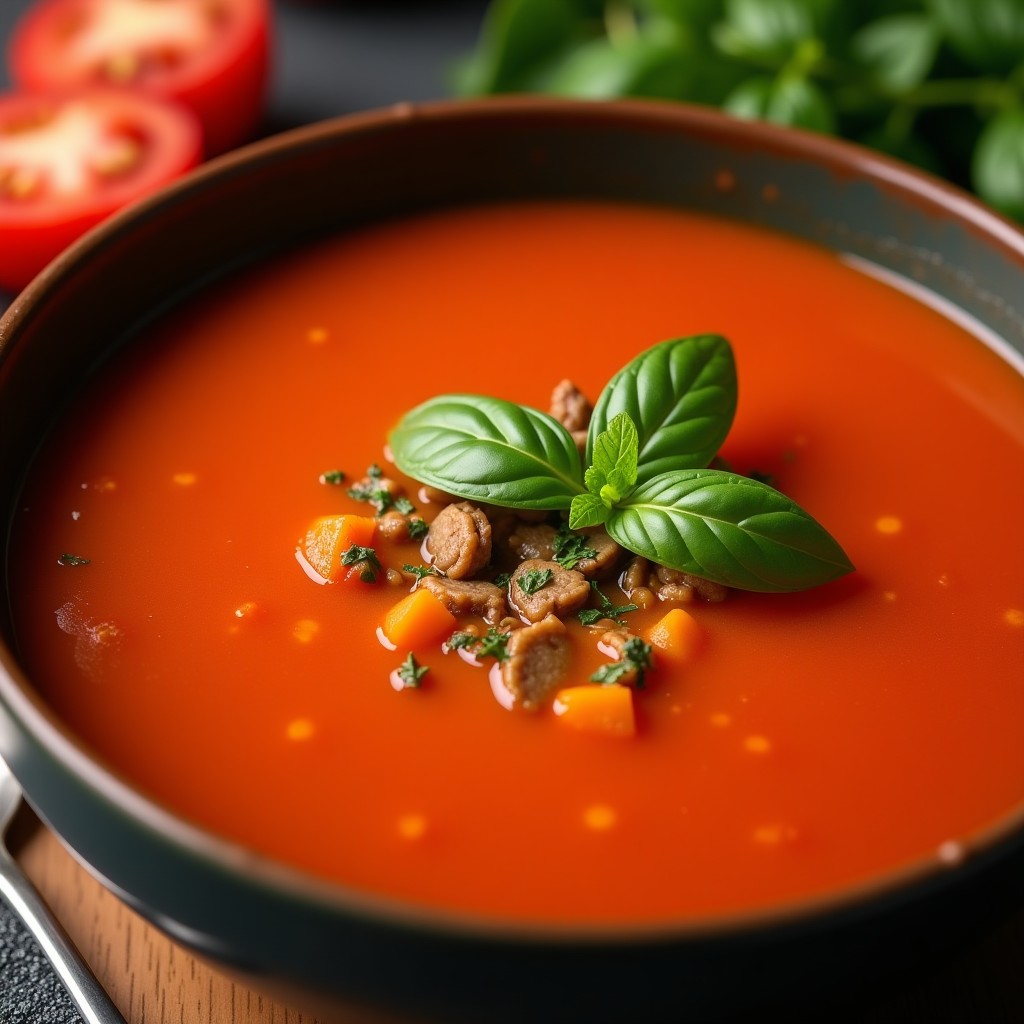
When you ask yourself, “Tomato Soup Calories—how many am I really taking in?
Table of Contents
- Quick Answer
- What Is Tomato Soup Calories?
- A Brief History of Tomato Soup
- Nutritional Overview
- Health Benefits of Tomato Soup
- Why People Choose Tomato Soup
- Different Variations Around the World
- Best Ingredients for a Low‑Calorie Tomato Soup
- How to Make Tomato Soup Better (and Still Light)
- Common Mistakes That Inflate Calories
- Expert Tips from a Nutrition Researcher
- When to Eat Tomato Soup
- Who Should Eat Tomato Soup
- Who Should Avoid It (When Medically Appropriate)
- How Tomato Soup Fits Into a Balanced Diet
- Buying Tips for Store‑Bought Tomato Soup
- Serving Suggestions
- Storage Tips
- Frequently Asked Questions
- Conclusion
In my kitchen, that question has sparked countless experiments, from a quick canned bowl to a slow‑cooked, spice‑laden pot that reminds me of my grandmother’s kitchen in Chennai. Whether you’re watching your waistline, fueling a post‑workout recovery, or simply craving comfort, understanding the calorie profile of tomato soup helps you fit it into a balanced diet without guesswork.
Quick Answer
A standard 1‑cup (240 ml) serving of homemade tomato soup made with fresh tomatoes, a splash of low‑fat milk, and a drizzle of olive oil contains roughly 90–110 Tomato Soup Calories. Canned versions can range from 70 to 150 calories depending on added sugars and cream.
What Is Tomato Soup Calories?
“Tomato Soup Calories” refers to the amount of energy—measured in kilocalories—provided by a serving of tomato soup. Calories come from three macronutrients: carbohydrates, protein, and fat. In a typical tomato‑based broth, most calories stem from natural sugars in the fruit and a modest amount of healthy fats if olive oil or a dairy splash is used.
A Brief History of Tomato Soup
Tomato soup entered Western kitchens in the late 1800s after the tomato became a staple in Europe and North America. In India, especially in the southern states, the soup evolved with the addition of mustard seeds, curry leaves, and a pinch of garam masala, creating a bright, aromatic version that’s now a common starter in Chennai cafés.
Nutritional Overview
Below is a snapshot of the typical nutrient breakdown for a 1‑cup serving of a classic, low‑fat homemade tomato soup:
- Calories: 90–110
- Carbohydrates: 14 g (mostly natural sugars and fiber)
- Protein: 2 g
- Fat: 3 g (primarily from olive oil)
- Fiber: 2 g
- Vitamin C: 30 % of the Daily Value
- Vitamin A: 25 % of the Daily Value
These numbers shift when you add cream, cheese, or croutons, which is why reading the label—or calculating your own recipe—matters.
Health Benefits of Tomato Soup
Tomatoes are a powerhouse of lycopene, an antioxidant linked to heart health. Pair that with the soup’s high water content, and you have a low‑calorie, hydrating starter that can support weight management. In my experience, a bowl before dinner can curb overeating, while the vitamin C boosts iron absorption from plant‑based meals later on.
Why People Choose Tomato Soup
People reach for tomato soup for many reasons:
- It’s quick—a 10‑minute stovetop version is ready in a flash.
- It’s versatile—you can go creamy, spicy, or sweet.
- It’s seasonal—peak tomato season (March to June in India) brings the richest flavor.
- It’s comforting—warm broth feels like a hug on a rainy Chennai evening.
Different Variations Around the World
From the classic French “Soupe de Tomates” to the Indian “Thakkali Rasam” style, each culture tweaks the base to suit local palates. In Bangalore, you’ll find a version spiked with roasted cumin and coriander; in Mumbai, a dash of coconut milk adds richness without a calorie surge.
Best Ingredients for a Low‑Calorie Tomato Soup
Choosing whole, fresh ingredients keeps the calorie count honest. Here’s my go‑to list:
- Ripe tomatoes (or canned No‑Salt‑Added tomatoes)
- Onion and garlic for depth
- Low‑fat milk or unsweetened almond milk
- Extra‑virgin olive oil (just a teaspoon)
- Fresh basil or cilantro
- Seasonings: black pepper, sea salt, a pinch of smoked paprika
Fresh herbs make a world of difference—nothing beats the aroma of basil plucked from the garden.
How to Make Tomato Soup Better (and Still Light)
Want to keep the soup light while adding flavor? Try these tricks:
- Blend the soup after simmering to achieve a silky texture without cream.
- Swap half the olive oil for a splash of vegetable broth.
- Stir in a tablespoon of Greek yogurt at the end for tang without many extra calories.
- Roast the tomatoes first; caramelization adds sweetness, reducing the need for added sugar.
Healthy eating doesn’t have to be complicated.
Common Mistakes That Inflate Calories
Even a well‑intentioned soup can sneak in extra calories:
- Using full‑fat dairy or heavy cream.
- Adding store‑bought croutons drenched in butter.
- Relying on canned soups with hidden sugars.
Sometimes the simplest soups are the most nourishing.
Expert Tips from a Nutrition Researcher
1. Measure your oil. One teaspoon of olive oil adds about 40 calories—easy to over‑pour.
2. Include a protein boost. A spoonful of lentils or a few chickpeas adds satiety without a huge calorie jump.
3. Season at the end. Salt draws out water; adding it too early can make the soup watery, prompting you to add more thickening agents like flour, which adds calories.
When to Eat Tomato Soup
Tomato soup shines as a light lunch paired with a whole‑grain roll, or as a pre‑dinner starter that primes your appetite. It’s also a comforting post‑workout recovery drink when you blend in a scoop of plant‑based protein powder.
Who Should Eat Tomato Soup
Vegetarians, vegans (use plant‑based milk), and anyone on a healthy lifestyle can enjoy it. Its fiber‑rich profile supports digestive health, and the low‑calorie count fits well into weight‑management plans.
Who Should Avoid It (When Medically Appropriate)
If you have a severe tomato allergy or are on a low‑potassium diet (common in certain kidney conditions), you may need to limit intake. Always consult a healthcare professional for personalized advice.
How Tomato Soup Fits Into a Balanced Diet
Because it’s plant‑based nutrition at its core, tomato soup can be a staple in a nutritious meals plan. Pair it with a side of quinoa salad for a complete, immune‑supporting lunch that covers protein, carbs, and healthy fats.
Buying Tips for Store‑Bought Tomato Soup
When you shop, look for these cues:
- “No added sugar” or “low‑sodium” on the label.
- Ingredients list that starts with tomatoes, water, and herbs.
- Absence of cream, coconut milk, or cheese if you’re counting calories.
For locals in Chennai, the menu at nearby cafés often highlights “fresh‑tomato” soups made in‑house, which usually have fewer hidden calories.
Serving Suggestions
Serve your soup with:
- A sprinkle of toasted pumpkin seeds for crunch.
- A side of whole‑grain garlic toast.
- Fresh cucumber slices for a refreshing contrast.
These additions keep the meal satisfying while staying under 250 calories per plate.
Storage Tips
Cool the soup quickly, then store in an airtight container in the fridge for up to three days. Reheat gently on the stove—avoid boiling, which can break down vitamin C.
Frequently Asked Questions
- What are the average Tomato Soup Calories in a canned version?
- Canned tomato soup typically ranges from 70 to 150 calories per cup, depending on added cream, sugar, and sodium.
- Is tomato soup good for weight loss?
- Because it’s low in calories and high in water, a bowl can help you feel full while keeping your total intake modest, supporting a calorie‑controlled diet.
- Can I make tomato soup vegan and still keep the calories low?
- Yes—use water or vegetable broth as the base and finish with a splash of unsweetened almond milk. The calorie count stays around 80–100 per cup.
- How many grams of fiber does a cup of tomato soup provide?
- Approximately 2 grams of fiber, which contributes to digestive health and satiety.
- Do spices add calories?
- No, spices like cumin, paprika, or black pepper add flavor without calories, making them perfect for low‑calorie soups.
- Is it safe to freeze tomato soup?
- Yes, freeze in portion‑size containers. Thaw in the fridge and reheat; the texture may change slightly but the calorie content remains the same.
- Can I add cheese without blowing up the calorie count?
- A small sprinkle (about 10 g) of low‑fat feta adds roughly 25 calories, which is manageable if you track the total.
- What is the best time of day to enjoy tomato soup?
- It works well as a light lunch or as a warm starter before dinner, especially during cooler evenings in Mumbai or Chennai.
Conclusion
Understanding Tomato Soup Calories empowers you to enjoy this timeless comfort food without compromising your health goals. By choosing fresh ingredients, watching portion sizes, and swapping high‑fat add‑ons for smarter alternatives, you can keep the calorie count low while reaping the antioxidant and vitamin benefits of tomatoes.
Ready to explore more healthy vegetarian soups? Check out our blog for creative recipes, or swing by the contact page to share your own twists. Your next bowl of nourishing soup is just a click away.