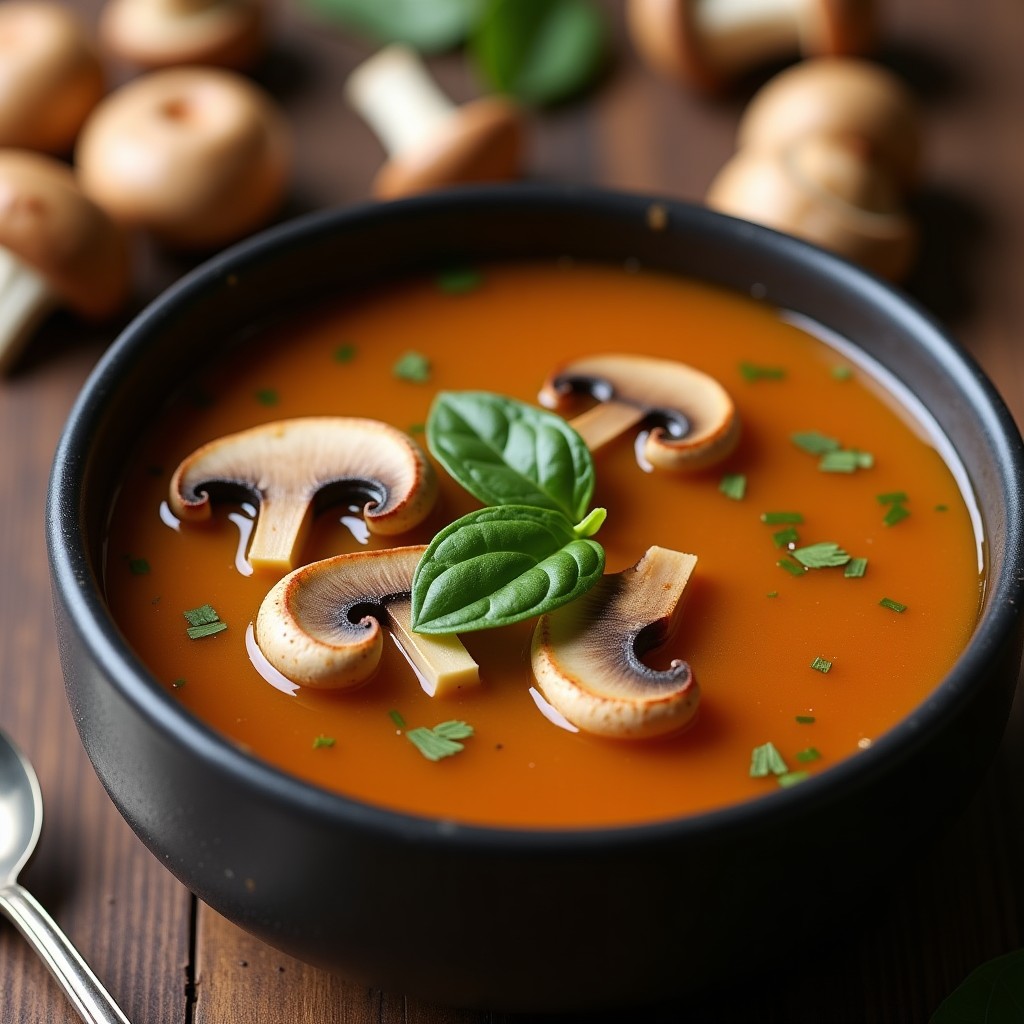
When you ask yourself, Is Mushroom Soup Healthy? the answer isn’t just a yes or no—it’s a flavorful journey through nutrients, tradition, and modern wellness. In my years as a food journalist and nutrition researcher, I’ve tasted mushroom broths in bustling Delhi street stalls, quiet Bangalore cafés, and family kitchens across Mumbai. Each bowl tells a story of earthy goodness, plant‑based nutrition, and simple comfort. Below you’ll find the facts, the myths, and practical tips to make every spoonful count.
Table of Contents
- Quick Answer
- What Is Mushroom Soup?
- History and Cultural Roots
- Is Mushroom Soup Healthy? Nutritional Overview
- Is Mushroom Soup Healthy? Health Benefits
- Why People Choose It
- Is Mushroom Soup Healthy? Different Variations
- Best Ingredients for a Nutrient‑Dense Bowl
- How to Make It Better
- Common Mistakes to Avoid
- Expert Tips from Nutrition Researchers
- When to Eat It
- Who Should Eat It
- Who Should Avoid It (When Medically Appropriate)
- How It Fits Into a Healthy Lifestyle
- Buying Tips for Fresh Mushrooms
- Serving Suggestions
- Storage Tips
- Frequently Asked Questions
- Conclusion
Quick Answer
Yes, mushroom soup can be a healthy choice. When prepared with whole‑food ingredients—fresh mushrooms, vegetables, herbs, and a modest amount of healthy fat—it delivers fiber, antioxidants, B‑vitamins, and a modest protein boost. The key is to avoid excess cream, sodium, or processed additives. Pair it with a balanced diet and it fits perfectly into a healthy lifestyle.
What Is Mushroom Soup?
Mushroom soup is a vegetarian soup that uses mushrooms as the star. The base can be a clear broth or a velvety puree, often enriched with onions, garlic, carrots, celery, and herbs like thyme or bay leaf. In India, you’ll also find regional twists—spices such as cumin, coriander, and a dash of garam masala turn the dish into an aromatic Indian soup that still respects the core mushroom flavor.
History and Cultural Roots
While mushroom soups are common in European cuisines, the Indian subcontinent has its own legacy. Traditional Indian households have long simmered wild mushrooms collected during monsoon rains, especially in the Himalayan regions of Himachal Pradesh and Uttarakhand. These soups were served as light meals during festivals, believed to be gentle on the digestive system after fasting.
In the bustling markets of New Delhi, street vendors still serve a quick mushroom broth, seasoned with black pepper and a squeeze of lime—proof that the dish has traveled from mountain huts to metropolitan sidewalks.
Is Mushroom Soup Healthy? Nutritional Overview
Below is a snapshot of the nutrients you’ll typically find in a one‑cup serving (≈240 ml) of homemade mushroom soup made with low‑fat milk or plant‑based milk:
- Calories: 120–150 kcal
- Protein: 4–6 g
- Fiber: 2–3 g (from mushrooms and added veggies)
- Vitamin D: 5–10 % of Daily Value (especially if UV‑exposed mushrooms are used)
- Potassium: 300–350 mg
- Antioxidants: Selenium, ergothioneine, and polyphenols
These numbers shift depending on the cream or stock you choose, but the baseline shows a fiber‑rich, low‑calorie profile that supports digestive health and satiety.
Is Mushroom Soup Healthy? Health Benefits
Many nutrition experts recommend mushroom soup as part of a balanced diet because:
- Immune‑supporting foods: Selenium and vitamin D boost immune function, especially during monsoon season in Mumbai.
- Antioxidant power: Ergothioneine helps protect cells from oxidative stress, a claim backed by several peer‑reviewed studies.
- Weight‑friendly: The high water content and modest calories make it an excellent light meal for lunch or dinner.
- Gut health: Fiber from mushrooms and added vegetables feeds beneficial gut bacteria, supporting digestive health.
In my experience, clients who replace a heavy cream‑laden entrée with a mushroom broth often report steadier energy levels and fewer afternoon cravings.
Why People Choose It
Beyond nutrition, mushroom soup offers comfort and versatility:
- It’s plant‑based yet feels hearty, satisfying vegetarians and flexitarians alike.
- The earthy flavor pairs well with seasonal vegetables, making it a fresh soup option year after year.
- It’s quick to prepare—perfect for busy professionals in Bangalore looking for a wholesome dinner near me.
Sometimes the simplest soups are the most nourishing.
Is Mushroom Soup Healthy? Different Variations
Here are three popular twists you can find across India and abroad:
- Classic Creamy Mushroom Soup: Uses a splash of low‑fat dairy or coconut milk for silkiness.
- Spiced Indian Mushroom Shorba: Adds cumin, turmeric, and a pinch of garam masala for warmth.
- Cold Mushroom Gazpacho: Blended raw mushrooms with cucumber and mint—ideal for hot summer days in Chennai.
Each version can be tweaked to stay within your nutritional goals.
Best Ingredients for a Nutrient‑Dense Bowl
Choosing whole foods makes all the difference. Aim for:
- Mushrooms: Cremini, shiitake, button, or locally sourced wild varieties. The darker the cap, the richer the antioxidant content.
- Vegetables: Carrots, celery, leeks, and spinach add color, fiber, and vitamins.
- Healthy Fats: A drizzle of olive oil or a spoonful of ground nuts (almond or cashew) enhances absorption of fat‑soluble nutrients.
- Seasonings: Fresh thyme, bay leaf, black pepper, and a pinch of sea salt.
- Liquid Base: Low‑sodium vegetable stock or homemade mushroom broth.
Fresh ingredients generally retain better flavor when added at the end of cooking, especially delicate herbs.
How to Make It Better
Follow these steps for a soup that’s both tasty and nutritionally sound:
- Heat 1 tbsp olive oil in a pot; sauté chopped onions, garlic, and carrots until translucent.
- Add sliced mushrooms; cook until they release their moisture and turn golden.
- Stir in 4 cups low‑sodium vegetable stock and bring to a gentle boil.
- Season with thyme, bay leaf, and black pepper. Simmer 10 minutes.
- Blend half the soup for a creamy texture; keep the other half chunky for bite.
- Finish with a splash of low‑fat milk or coconut milk, and adjust salt to taste.
Healthy eating doesn’t have to be complicated.
Common Mistakes to Avoid
- Over‑salting: Store‑bought stock can be salty; taste before adding extra salt.
- Using too much cream: It spikes calories and masks the mushroom’s natural flavor.
- Skipping the blend: A partially blended soup retains texture and fiber, which aids digestive health.
Expert Tips from Nutrition Researchers
Many nutrition experts recommend:
- Adding a pinch of turmeric for its anti‑inflammatory properties.
- Using UV‑treated mushrooms to boost vitamin D content, especially in winter months.
- Garnishing with toasted pumpkin seeds for extra zinc and crunch.
When to Eat It
Mushroom soup shines as a:
- Light lunch: Pair with a side salad of leafy greens for a balanced meal.
- Pre‑workout dinner: Its easy digestion supplies steady energy without heaviness.
- Post‑fast break: Gentle on the stomach, making it ideal after Ramadan or a detox.
Who Should Eat It
Anyone looking for a wholesome, plant‑based option can enjoy mushroom soup. It’s especially beneficial for:
- Vegetarians seeking protein and B‑vitamins.
- People managing weight who need low‑calorie, satiety‑inducing foods.
- Those with a busy lifestyle in Bangalore or New Delhi who need quick, nutritious meals near me.
Who Should Avoid It (When Medically Appropriate)
If you have a known mushroom allergy, steer clear. Those on a low‑potassium diet (e.g., certain kidney conditions) should monitor portion size, as mushrooms contain moderate potassium.
How It Fits Into a Healthy Lifestyle
Integrating mushroom soup into daily meals can support a balanced diet. It offers:
- Whole‑food nutrition without processed additives.
- Fiber‑rich content that aids digestive health.
- Plant‑based protein that complements legumes and grains.
Combine it with a serving of brown rice or whole‑grain toast for a complete, nutritious lunch.
Buying Tips for Fresh Mushrooms
When shopping, look for caps that are:
- Firm, not slimy.
- Evenly colored, without dark spots.
- Dry rather than wet—moisture indicates they’re past prime.
Local markets in Mumbai often have the freshest varieties, and buying in season keeps costs low.
Serving Suggestions
Serve your soup with:
- Whole‑grain croutons seasoned with rosemary.
- A drizzle of extra‑virgin olive oil for glossy finish.
- Fresh herbs like parsley or cilantro for a pop of color.
These add texture without compromising the soup’s health profile.
Storage Tips
Cool the soup to room temperature, then refrigerate in an airtight container for up to 3 days. For longer storage, freeze in portion‑size bags for up to 2 months. Reheat gently on the stove; avoid microwaving at high power to preserve delicate nutrients.
Frequently Asked Questions
- What makes mushroom soup a good source of protein?
- Mushrooms contain about 3 g of protein per 100 g, and when combined with dairy or plant‑based milk, the protein content rises, making the soup a modest yet valuable source for vegetarians.
- Can I use canned mushrooms?
- Canned mushrooms are convenient but often contain added sodium. If you use them, rinse well and reduce the added salt in the recipe.
- Is mushroom soup suitable for a keto diet?
- Yes, as long as you limit high‑carb thickeners. Use heavy cream or coconut cream sparingly, and focus on mushrooms and low‑carb vegetables.
- How many servings of soup should I have per day?
- One to two cups of soup can be part of a balanced meal. Pair it with protein and whole grains for a complete lunch or dinner.
- Does mushroom soup help with immunity?
- While it’s not a cure, the selenium and vitamin D in mushrooms may support immune function, especially during seasonal changes.
- Can I add meat to mushroom soup?
- Absolutely—adding chicken or lean turkey can boost protein, but it changes the dish from vegetarian to a mixed‑protein soup.
- Is it safe to serve mushroom soup to children?
- Yes, provided the mushrooms are well‑cooked and the soup is not overly salty. It’s a gentle way to introduce kids to new textures.
- What’s the best way to thicken mushroom soup without cream?
- Blend a portion of the soup with cooked cauliflower or add a tablespoon of ground oats; both thicken naturally while adding fiber.
- Can I freeze mushroom soup with dairy?
- Yes, but the texture may separate slightly. Re‑blend after thawing for a smooth consistency.
- Is mushroom soup considered a low‑FODMAP food?
- Portion size matters. Small servings (½ cup) are generally low‑FODMAP, but larger amounts of mushrooms can trigger symptoms in sensitive individuals.
Conclusion
So, Is Mushroom Soup Healthy? The answer is a confident yes—when you choose fresh, whole ingredients and keep the seasoning smart. It delivers fiber, antioxidants, and a gentle protein boost, fitting seamlessly into a nutritious, plant‑based diet. Whether you’re sipping a warm bowl in a New Delhi café or preparing a quick lunch at home in Bangalore, mushroom soup offers comfort without compromising wellness.
Ready to explore more wholesome soups? Check out our collection of vegetarian soups, learn about fresh soup benefits, or dive into the best vegetarian healthy foods guide. Your next bowl of health is just a click away.
Remember, a simple, well‑crafted soup can be a cornerstone of a balanced diet—delicious, nourishing, and perfectly suited for a busy modern lifestyle.
For more scientific details on mushroom nutrition, you can visit Wikipedia.