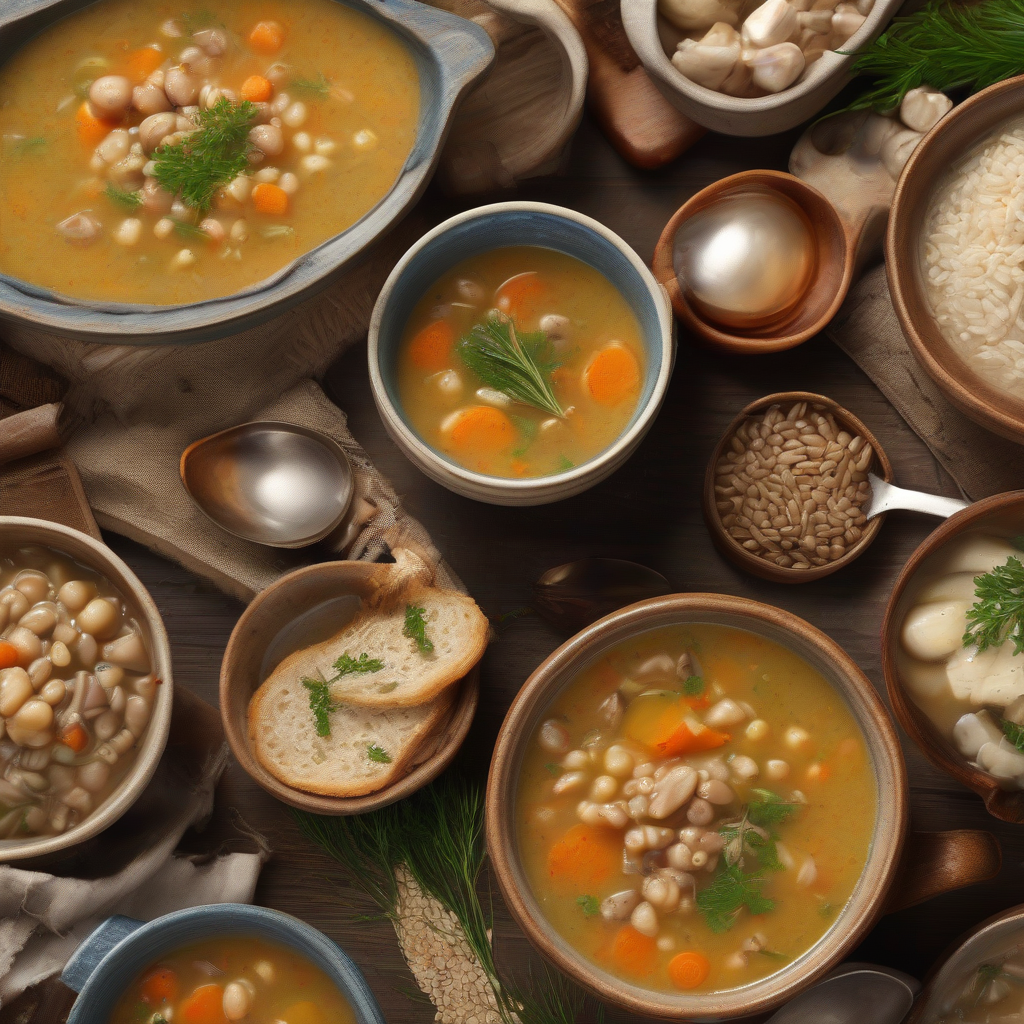
In my experience, the Traditional Grain Soup is the kind of comfort food that never feels out of season. Whether you’re sipping it on a chilly evening in Delhi or enjoying a light lunch near the Marina Beach in Chennai, this soup brings together whole grains, seasonal vegetables, and aromatic spices into a bowl of pure nourishment. Below you’ll find everything you need to know – from its cultural roots to practical tips for making the perfect pot at home.
Table of Contents
- Quick Answer
- What Is Traditional Grain Soup?
- History and Cultural Roots
- Nutritional Overview
- Health Benefits
- Why People Choose It
- Different Variations
- Best Ingredients
- How to Make It Better
- Common Mistakes
- Expert Tips
- When to Eat It
- Who Should Eat It
- Who Should Avoid It
- How It Fits Into a Healthy Lifestyle
- Buying Tips
- Serving Suggestions
- Storage Tips
- Frequently Asked Questions
- Conclusion
Quick Answer
Traditional Grain Soup is a vegetarian, plant‑based broth that combines cooked grains such as barley, millet, or rice with vegetables, lentils, and Indian spices. It is celebrated for being fiber‑rich, immune‑supporting, and easy to digest, making it an ideal choice for a balanced diet.
What Is Traditional Grain Soup?
Traditional Grain Soup is a staple in many Indian households, especially in the western and southern regions where millets and barley have been cultivated for centuries. The soup is typically clear or lightly thickened, featuring a base of simmered grains, a medley of fresh vegetables, and a whisper of cumin, coriander, and black pepper. It can be served hot as a wholesome dinner or as a light lunch to keep you energized throughout the day.
History and Cultural Roots
Many nutrition experts recommend looking at the history of a dish to understand its lasting appeal. The tradition of cooking grains in broth dates back to the Indus Valley Civilization, where barley and wheat were staple crops. Over time, regional variations emerged – in Gujarat, you’ll find pearl millet (bajra) paired with fenugreek; in Kerala, rice and coconut milk create a silkier texture. These regional twists reflect the local climate, available produce, and the Indian philosophy of “food as medicine.”
Nutritional Overview
When you break down the components, the soup offers a balanced mix of macronutrients and micronutrients:
- Whole grains: Provide complex carbs and soluble fiber that support digestive health.
- Lentils and legumes: Add plant‑based protein and iron.
- Seasonal vegetables: Contribute vitamins A, C, and K, plus antioxidants.
- Spices: Turmeric, cumin, and ginger bring anti‑inflammatory compounds.
Overall, a serving of Traditional Grain Soup can deliver roughly 250–300 calories, 8–10 g of protein, and 5–7 g of fiber – perfect for a light yet satisfying meal.
Health Benefits
While I’m not a doctor, many studies suggest that the ingredients in this soup may help with:
- Digestive health – the fiber from grains and vegetables promotes regularity.
- Immune support – vitamin C from tomatoes and carrots, plus zinc from lentils.
- Weight management – low‑calorie, high‑satiety profile keeps cravings at bay.
- Blood‑sugar stability – complex carbs release glucose slowly.
In short, this soup can be a cornerstone of a healthy lifestyle, especially when paired with other whole‑food choices.
Why People Choose It
People often turn to Traditional Grain Soup for its simplicity and versatility. It’s a plant‑based nutrition powerhouse that doesn’t require fancy equipment – just a pot, a stove, and fresh ingredients. “Sometimes the simplest soups are the most nourishing,” my grandmother would say, and she was right. The soup also fits well into modern meal‑prep routines; you can make a big batch on a Sunday and enjoy it for lunch or dinner all week.
Different Variations
Across India, you’ll encounter several beloved versions:
- Millet & Spinach Soup – uses foxtail millet and fresh spinach, perfect for a spring menu.
- Barley & Tomato Soup – a tangy, red‑hued bowl popular in the north.
- Rice & Coconut Soup – a creamy, South Indian style with coconut milk and curry leaves.
- Quinoa & Mixed Veg Soup – a contemporary twist that adds extra protein.
Each variation respects the core principle: whole grains, seasonal produce, and aromatic spices.
Best Ingredients
Choosing the right components can elevate the soup from good to unforgettable. Here’s my go‑to list:
- Grains: Barley, millet, brown rice, or quinoa – pick one that’s in season locally.
- Lentils: Red lentils cook quickly and add creaminess.
- Vegetables: Carrots, beans, spinach, cauliflower, and tomatoes – fresh is always better.
- Spices: Cumin seeds, turmeric, ginger, and a pinch of garam masala.
- Herbs: Fresh cilantro or mint for garnish.
Fresh ingredients make all the difference, and buying locally sourced produce in Mumbai’s markets ensures the brightest flavors.
How to Make It Better
Even a simple soup can benefit from a few pro tricks:
- Toast the grains for 2–3 minutes before adding liquid to deepen the nutty flavor.
- Deglaze with a splash of lemon juice at the end to brighten the palate.
- Finish with a drizzle of ghee or olive oil for a silky mouthfeel.
Healthy eating doesn’t have to be complicated, and these steps add layers of taste without extra calories.
Common Mistakes
When I first started cooking this soup, I made a few blunders that many beginners repeat:
- Adding too much water – the soup becomes watery and loses its body.
- Overcooking the vegetables – they turn mushy and lose nutrients.
- Skipping the spice bloom – without frying spices in oil, the flavors stay muted.
Avoiding these pitfalls ensures a hearty, flavorful bowl every time.
Expert Tips
Here are three quick tips from seasoned chefs:
- Use a pressure cooker for the grains if you’re short on time – it reduces cooking time by half.
- Season in layers: add a pinch of salt after the grains, then adjust at the end.
- Store the soup in glass jars; it keeps the flavor fresher than plastic.
These nuggets of wisdom can turn a regular pot into a restaurant‑quality experience.
When to Eat It
Traditional Grain Soup shines as a healthy dinner after a long day, but it also works as a light lunch that won’t weigh you down. Because it’s easy on the stomach, many Indian families serve it during monsoon evenings when a warm, soothing bowl feels especially comforting.
Who Should Eat It
This soup is perfect for:
- Vegetarians seeking plant‑based protein.
- Anyone looking for a fiber‑rich, immune‑supporting meal.
- Fitness enthusiasts who need a balanced post‑workout refuel.
- Kids and seniors alike, thanks to its gentle texture.
Who Should Avoid It
While generally safe, people with specific conditions should be mindful:
- Those on a low‑carb diet may want to limit the grain portion.
- Individuals with gluten intolerance should choose millet or rice instead of barley.
- Anyone allergic to a particular spice should omit it.
How It Fits Into a Healthy Lifestyle
Many nutrition experts recommend incorporating a bowl of soup into daily meals for its hydration and nutrient density. Pair the soup with a side of whole‑grain roti or a small salad, and you have a complete, balanced plate that supports a healthy lifestyle. The soup’s high water content also helps with satiety, making it easier to maintain a balanced diet.
Buying Tips
When shopping for ingredients near you, keep these pointers in mind:
- Choose grains that are whole and unprocessed – look for a golden hue and a firm texture.
- Pick vegetables that are firm, brightly colored, and free from blemishes.
- If buying lentils, opt for those stored in airtight containers to preserve freshness.
Visit your local market in Bengaluru for the freshest produce, and you’ll taste the difference instantly.
Serving Suggestions
Here are a few ideas to make the soup feel special:
- Garnish with toasted pumpkin seeds for a crunchy contrast.
- Serve with a wedge of lime and a sprinkle of chaat masala for an extra zing.
- Accompany with a small bowl of homemade pickle for a burst of flavor.
Storage Tips
The soup keeps well in the refrigerator for up to 4 days. To reheat, use a gentle simmer on the stove and add a splash of water if it thickens too much. For longer storage, freeze in portion‑size containers; it maintains quality for up to 2 months. Thaw overnight in the fridge for best results.
Frequently Asked Questions
- What grains work best in Traditional Grain Soup?
- Barley, millet, brown rice, and quinoa are popular choices. Each adds a unique texture and nutritional profile, so feel free to experiment based on what’s locally available.
- Can I make this soup vegan?
- Absolutely. Use a plant‑based oil for sautéing spices and skip any ghee garnish. The soup remains hearty and flavorful without animal products.
- Is Traditional Grain Soup suitable for kids?
- Yes, its mild spices and soft vegetables make it kid‑friendly. Just adjust the heat level and cut the veggies into bite‑size pieces.
- How long does it take to cook?
- Typically 30–40 minutes, including grain prep. Using a pressure cooker can cut the time to about 20 minutes.
- Can I add meat or seafood?
- You can, but that turns it into a non‑vegetarian version. The classic Indian recipe stays plant‑based, preserving its traditional identity.
- What are the best spices for flavor?
- Cumin seeds, turmeric, ginger, and a pinch of garam masala create the signature aroma. Adjust to taste, but keep the spice blend balanced.
- Is this soup good for weight loss?
- Its high fiber and moderate calorie count can support weight‑management goals when part of a balanced diet.
- Can I store the soup at room temperature?
- No, for safety keep it refrigerated or frozen. Bacteria can grow quickly at room temperature.
Conclusion
Traditional Grain Soup is more than just a comforting bowl; it’s a celebration of whole foods, seasonal vegetables, and centuries‑old Indian culinary wisdom. By choosing fresh, local ingredients and following a few expert tips, you can create a nutritious, immune‑supporting meal that fits perfectly into a healthy lifestyle. Ready to explore more wholesome, plant‑based soups? Visit our menu page for a variety of options, check out the about us section to learn about our philosophy, or drop us a line on the contact page. For more soup inspiration, head over to our blog. Discover the joy of nourishing your body with traditional flavors – one spoonful at a time.
For a deeper dive into the science of soups, you can read more on Wikipedia.