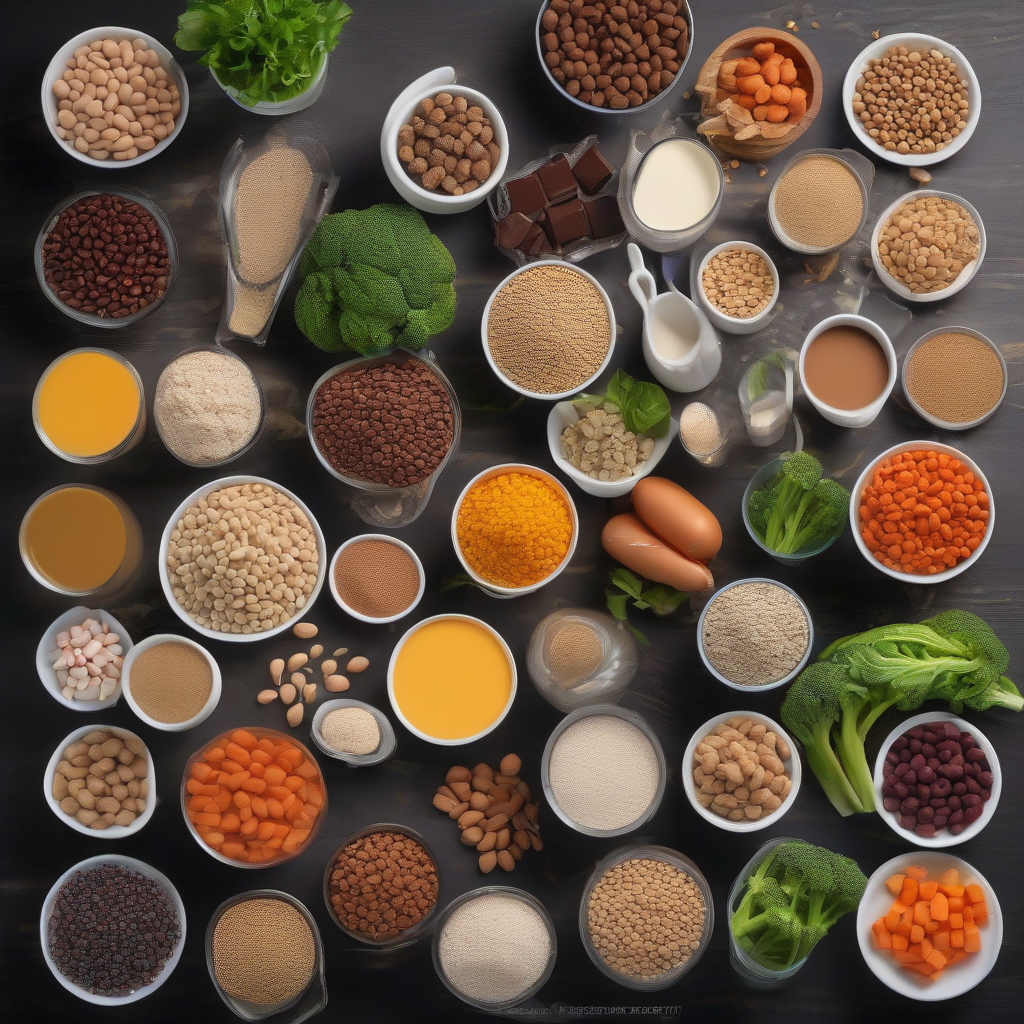
When you’re building a balanced diet without meat, the question that pops up most often is: “Where do I get enough protein?” In my experience as a food journalist and nutrition researcher, the answer lies in a colorful mix of legumes, nuts, seeds, dairy, and even some surprising vegetables. This guide walks you through the best vegetarian protein sources, why they matter, and how you can weave them into delicious soups, salads, and everyday meals.
Table of Contents
- Quick Answer
- What Is Best Vegetarian Protein Sources?
- History or Background
- Nutritional Overview
- Health Benefits
- Why People Choose It
- Different Variations
- Best Ingredients
- How to Make It Better
- Common Mistakes
- Expert Tips
- When to Eat It
- Who Should Eat It
- Who Should Avoid It (only when medically appropriate)
- How It Fits Into a Healthy Lifestyle
- Buying Tips
- Serving Suggestions
- Storage Tips
- Frequently Asked Questions
- Conclusion
Quick Answer
The top vegetarian protein powerhouses are lentils, chickpeas, beans, tofu, tempeh, Greek yogurt, paneer, quinoa, nuts, and seeds. Pair any of these with whole grains or seasonal vegetables for a protein-packed, immune‑supporting meal that fits a healthy lifestyle.
What Is Best Vegetarian Protein Sources?
“Best” here means foods that deliver a high amount of protein per serving, contain all essential amino acids (or combine well with other foods), and bring additional nutrients like fiber, iron, and calcium. Think of them as the building blocks for muscle repair, digestive health, and overall wellness.
History or Background
Traditional Indian households have long relied on pulses and dairy to meet protein needs. Recipes such as dal, sambar, and paneer bhurji showcase how centuries‑old cooking techniques already knew the value of plant‑based protein. In the West, the rise of tofu and tempeh in the 1970s reflected a growing interest in soy as a complete protein source.
Nutritional Overview
- Lentils: 18 g protein per cooked cup, plus 15 g fiber.
- Chickpeas: 15 g protein per cup, rich in folate.
- Tofu: 20 g protein per ½ cup, calcium‑fortified varieties available.
- Greek Yogurt: 10 g protein per 100 g, high in probiotics.
- Quinoa: 8 g protein per cup, a complete protein grain.
These numbers are averages; cooking methods and brand choices can shift them slightly.
Health Benefits
Plant‑based proteins are typically low in saturated fat and high in fiber, which may help lower cholesterol and support digestive health. Many of the sources listed also contain antioxidants, magnesium, and potassium—nutrients that can support blood pressure regulation and bone health.
Why People Choose It
Beyond the obvious ethical reasons, many turn to vegetarian proteins for weight management, heart health, and the sheer variety they bring to the table. A bowl of vegetarian soup enriched with lentils feels comforting yet light—a perfect example of a healthy dinner that doesn’t feel like a chore.
Different Variations
From a classic Indian dal to a creamy quinoa‑based bisque, the same protein can take many forms. Below are three ways to reinterpret the same source:
- Spiced Lentil Soup: Red lentils simmered with turmeric, cumin, and fresh coriander.
- Cold Chickpea Salad: Chickpeas tossed with lemon, mint, and diced cucumber.
- Grilled Tofu Skewers: Marinated tofu cubes grilled with bell peppers and a splash of lime.
Best Ingredients
When you’re looking for a protein boost, start with these staples:
- Red, green, or brown lentils
- Black beans, kidney beans, or navy beans
- Chickpeas (garbanzo beans)
- Firm tofu or tempeh
- Greek yogurt or low‑fat paneer
- Quinoa, amaranth, or buckwheat
- Almonds, walnuts, pumpkin seeds, and hemp seeds
Fresh herbs, seasonal vegetables, and a dash of citrus can turn any protein base into a fresh soup or a vibrant bowl.
How to Make It Better
Here are three tricks that elevate protein‑rich dishes:
- Soak and sprout: Soaking beans reduces antinutrients and can increase digestibility.
- Combine grains and legumes: Pair rice with beans or quinoa with lentils for a complete amino‑acid profile.
- Season smartly: Use spices like cumin, fennel, and asafoetida to aid digestion and add flavor without extra salt.
Healthy eating doesn’t have to be complicated.
Common Mistakes
Even seasoned cooks slip up. Watch out for these pitfalls:
- Over‑cooking legumes, which can turn them mushy and lose texture.
- Relying on a single protein source for every meal—variety ensures a broader nutrient intake.
- Skipping the soak for beans, leading to longer cooking times and possible gas.
Expert Tips
Many nutrition experts recommend a “protein plate” at each meal: half vegetables, a quarter whole grains, and a quarter protein. In my kitchen, I keep a small jar of roasted chickpeas on the counter—perfect for sprinkling over salads or soups.
When to Eat It
Protein‑rich foods are great any time of day, but they shine after a workout, at lunch for sustained energy, or as a warm dinner when you need something comforting yet light. A bowl of vegetarian soup with quinoa and kale makes a perfect post‑gym recovery meal.
Who Should Eat It
Anyone looking to boost protein without animal products can benefit—students, athletes, seniors, and busy professionals alike. For pregnant women, incorporating calcium‑rich paneer or fortified tofu helps meet both protein and mineral needs.
Who Should Avoid It (only when medically appropriate)
People with soy allergies should steer clear of tofu and tempeh. Those on a low‑phosphorus diet (often recommended for kidney disease) may need to limit certain nuts and seeds. Always consult a registered dietitian for personalized advice.
How It Fits Into a Healthy Lifestyle
Integrating these protein sources supports a healthy lifestyle by providing steady energy, supporting muscle maintenance, and offering fiber that aids digestive health. Pairing them with seasonal vegetables creates meals that are both nutrient‑dense and visually appealing.
Buying Tips
When shopping for beans, look for airtight packages and check the expiration date. For tofu, choose firm blocks for grilling and silken for soups. Fresh herbs should be vibrant, not wilted—fresh ingredients generally retain better flavor when added at the end of cooking.
Serving Suggestions
Here are three quick ideas:
- Lentil & Spinach Soup: Serve with a drizzle of olive oil and a slice of whole‑grain bread.
- Quinoa Power Bowl: Layer quinoa, roasted chickpeas, avocado, and a tahini dressing.
- Paneer Tikka Wrap: Grill paneer cubes, wrap in a whole‑wheat tortilla with mint‑yogurt sauce.
Storage Tips
Cooked beans and lentils keep well in the fridge for up to five days. Store tofu in water, changing the water daily, to keep it fresh for a week. Freeze portioned quinoa or cooked quinoa‑based soups for up to three months.
Frequently Asked Questions
- What is a complete protein?
- A complete protein contains all nine essential amino acids in sufficient amounts. Soy products like tofu and tempeh, as well as quinoa, are naturally complete.
- Is soy a good protein source for everyone?
- Soy is a high‑quality protein, but those with soy allergies should avoid it. Otherwise, it can be part of a balanced diet.
- Can I get enough protein from vegetables alone?
- While many vegetables contain protein, they’re usually lower in quantity. Combining them with legumes, nuts, or dairy ensures adequate intake.
- How much protein do I need daily?
- General guidelines suggest 0.8 g per kilogram of body weight for adults, but active individuals may need 1.2–1.7 g per kilogram.
- Are protein powders necessary for vegetarians?
- Most people can meet protein needs through whole foods. Powders can be convenient for athletes or those with higher requirements.
- What’s the difference between Greek yogurt and regular yogurt?
- Greek yogurt is strained, giving it more protein (about double) and a thicker texture, making it ideal for smoothies and soups.
- Does cooking destroy protein?
- Cooking denatures protein but does not eliminate it. In fact, cooking beans makes their protein more digestible.
- Can I use lentils in desserts?
- Yes! Red lentils can be pureed and added to brownies for extra moisture and protein without a strong lentil flavor.
Conclusion
Choosing the best vegetarian protein sources doesn’t mean sacrificing taste or variety. From hearty lentil soups to creamy tofu curries, the options are endless and fit seamlessly into a balanced diet. By mixing legumes, soy, dairy, nuts, and whole grains, you’ll enjoy meals that are nourishing, immune‑supporting, and delicious.
Ready to put these ideas into practice? Dive into our collection of healthy soups, explore the latest vegetarian recipes, or find a near‑me location for fresh, seasonal ingredients. Your next nutritious bowl is just a click away.
Remember, fresh soup made with whole foods can be the cornerstone of a healthy lunch or dinner. Keep experimenting, stay curious, and let plant‑based protein become your culinary ally.
For more science‑backed nutrition information, visit World Health Organization.