Introduction
In my experience as a food journalist and a lifelong lover of Indian kitchens, millets have always felt like the unsung heroes of the pantry. While quinoa and oats dominate the global health conversation, millets quietly power traditional meals across Mumbai, Delhi, and Bengaluru. If you’ve ever wondered why millets are healthy, this article unpacks the science, the stories, and the simple ways you can bring these tiny grains to your table.
Table of Contents
- Introduction
- Quick Answer
- What Is Millet?
- History and Cultural Background
- Nutritional Overview
- Health Benefits
- Why People Choose Millets
- Different Variations of Millets
- Best Ingredients to Pair with Millets
- How to Make Millet Dishes Better
- Common Mistakes
- Expert Tips
- When to Eat Millets
- Who Should Eat Millets
- Who Should Avoid Millets
- How Millets Fit Into a Healthy Lifestyle
- Buying Tips
- Serving Suggestions
- Storage Tips
- Frequently Asked Questions
- Conclusion
Quick Answer
Why millets are healthy can be summed up in one sentence: they are nutrient‑dense, gluten‑free whole grains that support digestive health, steady energy, and a balanced diet. Think of them as the perfect base for a healthy soup or a light meal that keeps you satisfied without the heaviness of refined carbs.
What Is Millet?
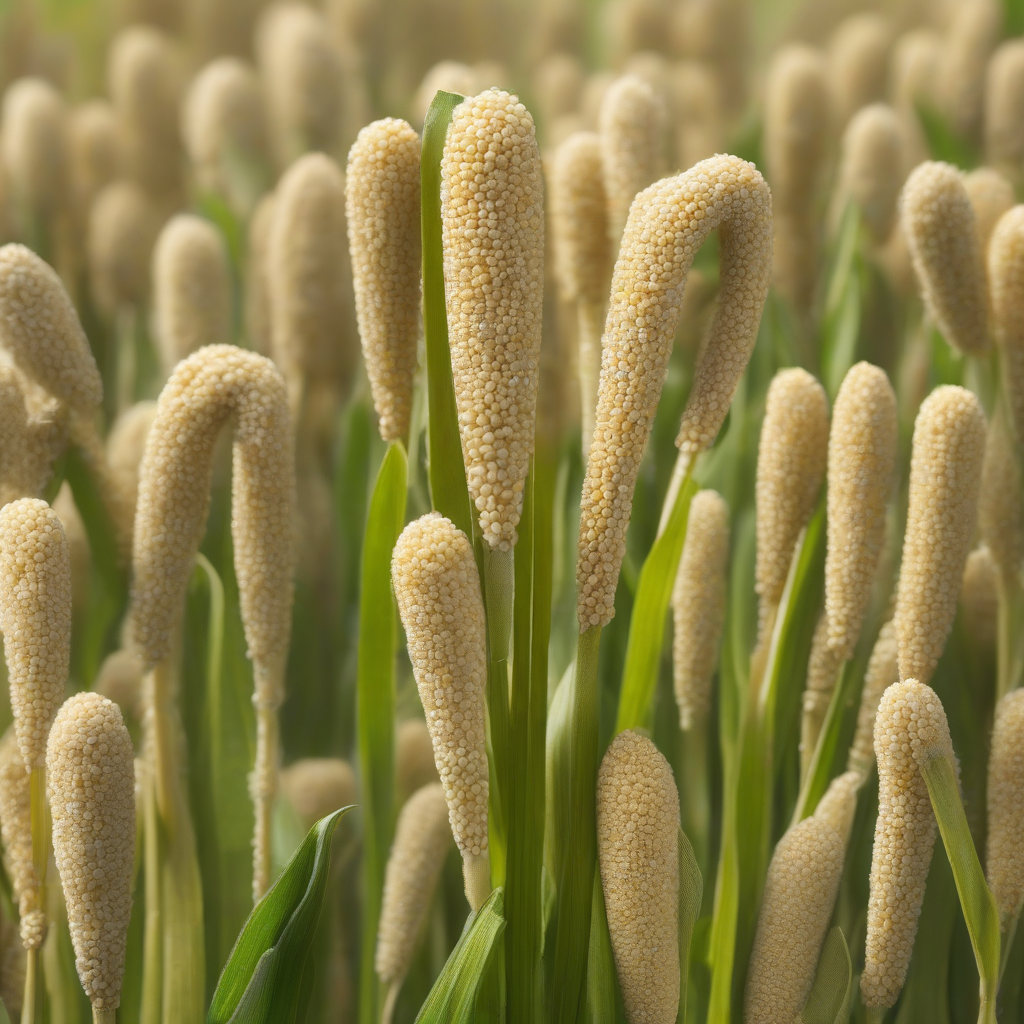
Millet is a collective name for several small‑seeded grasses cultivated for their edible grains. The most common varieties in Indian kitchens are pearl millet (bajra), finger millet (ragi), foxtail millet, and little millet. Each grain carries a slightly different flavor profile—some nutty, some mildly sweet—but all share a robust nutritional backbone.
History and Cultural Background
Traditional Indian households have long prepared millet‑based dishes, especially in regions where water is scarce and wheat struggles to thrive. In the arid lands of Rajasthan, bajra rotis are a daily staple, while the southern states cherish ragi porridge for its warming properties during monsoon evenings. Even today, you’ll find millet stalls near me in Mumbai offering fresh, steaming bowls of millet‑laden vegetarian soup that locals swear by for seasonal wellness.
Nutritional Overview
Millets pack a punch when it comes to micronutrients. A single cup of cooked pearl millet provides:
- ≈ 6 g protein – a plant‑based boost for muscle repair.
- ≈ 2.5 g dietary fiber – supports digestive health.
- Rich levels of iron, magnesium, phosphorus, and B‑vitamins.
- Low glycemic index – helps maintain steady blood sugar.
According to Wikipedia, millets contain up to 30 % more calcium than most other cereals, making them an excellent choice for bone health without relying on dairy.
Health Benefits
When you ask nutrition experts why millets are healthy, they point to several key advantages:
- Digestive health: The fiber‑rich nature of millets feeds good gut bacteria, which may help reduce bloating and improve regularity.
- Heart support: Magnesium and potassium in millets can aid in blood pressure regulation.
- Weight management: Their low calorie density and high satiety factor make millets ideal for a healthy dinner or light lunch.
- Immune‑supporting foods: Antioxidants such as phenolics and flavonoids help combat oxidative stress.
- Gluten‑free nutrition: Perfect for those with celiac disease or gluten sensitivity.
Many nutrition experts recommend incorporating millets a few times a week as part of a balanced diet.
Why People Choose Millets
Beyond the numbers, there’s a cultural comfort. The earthy aroma of a steaming millet porridge reminds many of childhood mornings. Modern foodies also love the versatility—millets can be ground into flour, popped like popcorn, or simmered into a hearty traditional soup. In fast‑growing cities, busy professionals near me in Delhi appreciate how quickly millet cooks, turning a pantry staple into a nourishing meal in under 20 minutes.
Different Variations of Millets
Each millet brings its own texture and taste:
- Pearl millet (bajra): Slightly coarse, ideal for flatbreads and robust soups.
- Finger millet (ragi): Deep reddish hue, perfect for creamy porridges and sweet desserts.
- Foxtail millet: Light and fluffy, great for pilafs or mixed grain salads.
- Little millet: Tiny, quick‑cooking, works well in upma or as a base for a vegetable stir‑fry.
Best Ingredients to Pair with Millets
When creating a healthy soup or a wholesome bowl, combine millets with:
- Seasonal vegetables – carrots, spinach, pumpkin, and beans add color and vitamins.
- Legumes – lentils or chickpeas boost protein and make the dish more filling.
- Spices – cumin, turmeric, and mustard seeds enhance digestion and flavor.
- Healthy fats – a drizzle of cold‑pressed sesame oil or a handful of nuts.
Fresh ingredients generally retain better flavor when added at the end of cooking, a tip I learned from my grandmother’s kitchen.
How to Make Millet Dishes Better
Here are a few practical tricks:
- Rinse thoroughly: Removes any residual dust and reduces bitterness.
- Toast before cooking: A quick dry‑roast in a pan releases a nutty aroma.
- Use the right water ratio: Typically 1 part millet to 2.5 parts water for a fluffy texture.
- Finish with a splash of lemon: Brightens the flavor and adds a dose of vitamin C.
Healthy eating doesn’t have to be complicated.
Common Mistakes
Even seasoned cooks slip up. Avoid these pitfalls:
- Over‑cooking – turns millets mushy and loses their pleasant bite.
- Skipping the rinse – can leave a gritty mouthfeel.
- Using too much oil – defeats the purpose of a light, nutritious meal.
- Neglecting seasoning – millets are mild; they thrive on herbs and spices.
Expert Tips
Many dietitians suggest pairing millets with a source of vitamin C to improve iron absorption. So, toss in bell peppers or a squeeze of lime. Also, rotate millets with other whole grains like brown rice or quinoa to keep your gut microbiome happy.
When to Eat Millets
Millets are flexible. Enjoy them as a warm vegetarian soup for breakfast, a hearty bowl for lunch, or a light side dish at dinner. Their low glycemic load makes them especially suitable for post‑workout recovery meals.
Who Should Eat Millets
Anyone looking for plant‑based nutrition can benefit. Athletes, seniors, and children all find millets a gentle source of energy and essential minerals. In my practice, I’ve seen families in Chennai incorporate millet porridge as a daily staple for growing kids.
Who Should Avoid Millets
People with specific allergies to certain millet varieties should exercise caution. Those on potassium‑restricted diets may need to monitor portion sizes, as millets contain moderate potassium levels.
How Millets Fit Into a Healthy Lifestyle
Millets align perfectly with a balanced diet focused on whole foods. Their fiber‑rich profile supports digestive health, while the complex carbs provide sustained energy for an active lifestyle. Swap refined rice for millet in your weekly meal plan and notice a steadier energy curve throughout the day.
Buying Tips
When you shop for millets near me in Mumbai or any local market, keep these pointers in mind:
- Choose grains that are uniformly colored and free from mold.
- Buy from reputable stores that store grains in airtight containers.
- Prefer organic millets if you’re concerned about pesticide residues.
- Check the packaging date – fresher millets retain more nutrients.
Serving Suggestions
Here are three quick ideas to get you started:
- Millet & Lentil Soup: Simmer millet with red lentils, diced carrots, and cumin for a comforting bowl.
- Millet Upma: Roast millet, then stir‑fry with mustard seeds, peas, and a handful of curry leaves.
- Millet Porridge: Cook millet with almond milk, sweeten with jaggery, and top with toasted nuts.
Sometimes the simplest soups are the most nourishing.
Storage Tips
Store millets in a cool, dry place in an airtight jar. They stay fresh for up to a year, but for optimal flavor, use them within six months. If you buy in bulk, consider dividing the grain into smaller containers to avoid repeated exposure to air.
Frequently Asked Questions
- Are millets gluten‑free?
- Yes, millets naturally contain no gluten, making them safe for people with celiac disease or gluten sensitivity.
- Can millets help with weight loss?
- Millets are high in fiber and low in calories, which can promote satiety and support a balanced calorie intake.
- How long does millet take to cook?
- Most millets cook in 15‑20 minutes after a quick rinse and toast; some varieties like little millet may be ready in under 10 minutes.
- Is millet suitable for children?
- Millet porridge is a gentle, nutrient‑dense option for kids, but introduce it gradually to monitor any potential allergies.
- Can I replace rice with millet in biryani?
- Absolutely. Use pearl millet or foxtail millet as a base; the texture holds up well with spices and vegetables.
- Do millets contain any anti‑nutrients?
- Like many grains, millets have phytic acid, but soaking or sprouting reduces its effect and improves mineral absorption.
Conclusion
Understanding why millets are healthy reveals a grain that blends tradition, nutrition, and culinary versatility. From a hearty traditional soup to a quick lunch bowl, millets can be the cornerstone of a wholesome, plant‑based diet. Ready to explore more? Dive into our collection of healthy vegetarian soups and discover how a simple millet base can transform everyday meals into nourishing experiences.