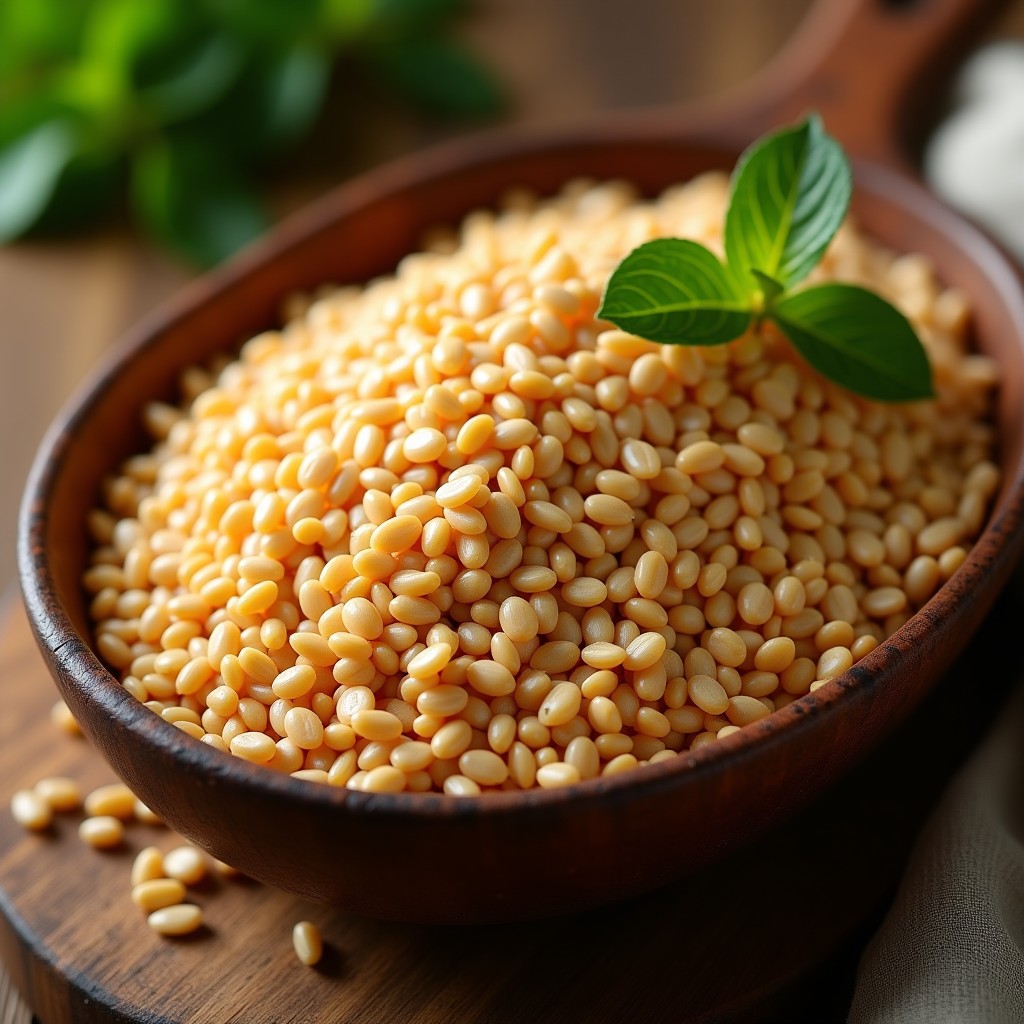
India’s pantry is a treasure chest of ancient grains that have fed generations across Delhi, Mumbai, Bengaluru, and Kolkata. When you hear “Healthy Indian Grains,” think of millet, sorghum, foxtail millet, little millet, barnyard millet, amaranth, and of course, the beloved brown rice and whole wheat. These grains are the backbone of many regional dishes and, in my experience, the secret to a balanced diet that feels both comforting and energizing.
Table of Contents
- Quick Answer
- What Is Healthy Indian Grains?
- History or Background
- Nutritional Overview
- Health Benefits
- Why People Choose It
- Different Variations
- Best Ingredients to Pair With Grains
- How to Make It Better
- Common Mistakes
- Expert Tips
- When to Eat It
- Who Should Eat It
- Who Should Avoid It
- How It Fits Into a Healthy Lifestyle
- Buying Tips
- Serving Suggestions
- Storage Tips
- Frequently Asked Questions
- Conclusion
Quick Answer
Healthy Indian Grains are whole, minimally processed cereals and pseudo‑cereals native to the subcontinent, rich in fiber, protein, vitamins, and minerals. They support digestive health, provide steady energy, and can be incorporated into soups, salads, and everyday meals.
What Is Healthy Indian Grains?
Simply put, these are the grains that have survived centuries of Indian agriculture without losing their nutritional punch. Unlike refined white rice or maida, they retain the bran and germ, making them fiber‑rich foods that help keep blood sugar stable. Think of them as the original whole foods that modern nutritionists now champion.
History or Background
Traditional Indian households have long relied on millets during droughts because they need less water than rice. In the arid regions of Rajasthan and Gujarat, pearl millet (bajra) was the staple, while the humid plains of Bengal favored rice and little millet. Over the last decade, a resurgence of interest—spurred by chefs in Mumbai’s “near me” healthy cafés—has brought these grains back to city tables.
Nutritional Overview
Below is a snapshot of the key nutrients you’ll find in the most popular Indian grains (per 100 g, uncooked):
- Foxtail millet: 11 g protein, 7 g fiber, 378 calories, rich in iron and magnesium.
- Little millet: 7 g protein, 8 g fiber, 350 calories, high in phosphorus.
- Amaranth: 14 g protein, 6 g fiber, 371 calories, calcium powerhouse.
- Brown rice: 2.6 g protein, 3.5 g fiber, 111 calories, B‑vitamins.
- Whole wheat: 13 g protein, 10 g fiber, 340 calories, selenium source.
These numbers illustrate why many nutrition experts recommend swapping refined grains for these options.
Health Benefits
Incorporating Healthy Indian Grains into your diet can support:
- Digestive health: The fiber promotes regular bowel movements and feeds good gut bacteria.
- Immune‑supporting foods: Minerals like zinc and selenium boost the body’s defenses.
- Weight management: High satiety means you feel fuller longer, aiding a healthy lunch or dinner.
- Blood‑sugar control: Low glycemic index grains help avoid spikes, a benefit for those watching glucose levels.
Many nutrition researchers note that a diet rich in these grains may reduce the risk of chronic diseases, though individual results can vary.
Why People Choose It
Beyond the health angle, there’s a cultural pride in using grains that have fed our ancestors. In Bangalore’s “near me” organic markets, shoppers pick up finger millet (ragi) flour for its earthy flavor and the nostalgia it brings. Chefs love the texture; home cooks love the simplicity.
Different Variations
Here’s a quick look at the most common Indian grains you’ll encounter:
- Bajra (Pearl Millet): Perfect for flatbreads and hearty soups.
- Jowar (Sorghum): Light, fluffy when cooked; great for upma.
- Ragi (Finger Millet): High calcium; ideal for porridges and smoothies.
- Kodo Millet: Subtle flavor; excellent in pilafs.
- Barley (Jau): Classic in traditional Indian “dal” soups.
Best Ingredients to Pair With Grains
When you’re building a healthy soup or a light meal, combine grains with:
- Seasonal vegetables – carrots, beans, pumpkin, and leafy greens.
- Spices – turmeric, cumin, coriander, and black pepper for both flavor and antioxidant boost.
- Legumes – lentils, chickpeas, or mung beans for extra protein.
- Fresh herbs – cilantro, mint, and curry leaves for aroma.
Fresh ingredients generally retain better flavor when added at the end of cooking.
How to Make It Better
Cooking whole grains can be intimidating, but a few tricks make the process foolproof:
- Rinse the grain thoroughly to remove dust.
- Soak for 30 minutes to reduce cooking time and improve digestibility.
- Use a 2:1 water‑to‑grain ratio for most millets; adjust for rice.
- Finish with a splash of ghee or a drizzle of olive oil for richness.
These steps turn a simple bowl into a restaurant‑quality dish.
Common Mistakes
Even seasoned cooks slip up. Avoid these pitfalls:
- Skipping the soak – leads to uneven texture.
- Over‑cooking – turns grains mushy, losing that pleasant bite.
- Using too much salt early – can make the grains tough.
- Neglecting spices – the grain’s mild flavor shines when paired with aromatic herbs.
Expert Tips
Many dietitians recommend rotating grains weekly to cover a broader nutrient spectrum. In my kitchen, I keep a “grain jar” with equal parts foxtail millet, little millet, and amaranth, and I pull a different blend each night.
Also, try toasting the grains lightly before boiling. This “dry roast” technique adds a nutty depth that elevates even the simplest soup.
When to Eat It
These grains are versatile:
- Breakfast: Warm millet porridge with fresh fruit.
- Lunch: A bowl of barley dal with seasonal vegetables.
- Dinner: Light millet soup with spinach and tofu.
Because they’re low‑glycemic, they work well for a healthy dinner that won’t keep you up.
Who Should Eat It
Anyone looking for plant‑based nutrition can benefit. Vegetarians, vegans, and flexitarians often turn to these grains for protein and iron. Athletes in Mumbai’s “near me” gyms also appreciate the sustained energy they provide.
Who Should Avoid It
People with specific grain allergies or celiac disease should steer clear of wheat‑based whole grains. For those with a known millet sensitivity, it’s best to consult a nutrition professional before adding large amounts.
How It Fits Into a Healthy Lifestyle
When paired with a balanced diet of vegetables, legumes, and lean proteins, Healthy Indian Grains become a cornerstone of wellness. They are especially useful for those aiming for a healthy lunch or light meals that keep you satisfied without feeling heavy.
Buying Tips
Look for grains that are:
- Stored in airtight containers.
- Free from off‑odors or discoloration.
- Labelled “organic” or “non‑GMO” if you prefer.
In Delhi’s local markets, you’ll often find bulk bins where you can smell the grain before buying – a simple way to ensure freshness.
Serving Suggestions
Here are three quick ideas to incorporate grains into your meals:
- Millet Soup: Cook foxtail millet with carrot, ginger, and a dash of cumin. Blend for a velvety vegetarian soup.
- Barley Salad: Toss cooked barley with cucumber, tomato, lemon juice, and fresh cilantro.
- Ragi Pancakes: Mix ragi flour with yogurt, spices, and chopped spinach for a protein‑packed breakfast.
Storage Tips
Keep grains in a cool, dark pantry. Once cooked, store leftovers in an airtight container in the refrigerator for up to four days. For longer shelf life, freeze portions in freezer‑safe bags; they thaw quickly in the microwave.
Frequently Asked Questions
What makes millet a better choice than white rice?
Millet retains its bran and germ, giving it more fiber, protein, and micronutrients than polished white rice. This can support digestive health and provide longer‑lasting energy.
Can I use whole wheat flour to make soups?
Whole wheat flour can be used as a thickener, but it changes the texture. For a smoother, lighter broth, try adding a spoonful of roasted barley or millet flour instead.
Is amaranth suitable for a gluten‑free diet?
Yes, amaranth is naturally gluten‑free and works well in soups, porridges, and as a protein boost in vegetarian dishes.
How many servings of grains should I eat daily?
Most dietary guidelines suggest 3‑4 servings of whole grains per day for adults, which can be split across meals like breakfast, lunch, and dinner.
Do these grains help with weight loss?
Because they are high in fiber and protein, they can increase satiety, which may help reduce overall calorie intake when part of a balanced diet.
Can I substitute millet for quinoa in recipes?
Yes, millet cooks in a similar time frame and has a comparable texture, making it a great quinoa alternative in salads and soups.
Are there any traditional Indian soups that feature these grains?
Traditional dishes like “kadhi” often include rice, while “bajra khichdi” uses pearl millet with lentils, creating a hearty, immune‑supporting soup.
What’s the best way to reheat cooked grains?
Stir them into a little water or broth and warm gently on the stovetop. This restores moisture and prevents them from drying out.
Conclusion
Exploring Healthy Indian Grains opens a world of flavor, nutrition, and cultural richness. From a comforting millet soup on a chilly Delhi evening to a quick barley salad for a busy Mumbai lunch, these grains fit seamlessly into a modern, health‑focused lifestyle. Ready to try a new grain‑based soup? Browse our menu for inspiration, learn more about our philosophy, or find a nearby store on our branches page. For personalized tips, feel free to contact us. Happy cooking, and may your bowl always be full of wholesome, plant‑based goodness!
For a deeper dive into the science behind millets, see this Wikipedia article.