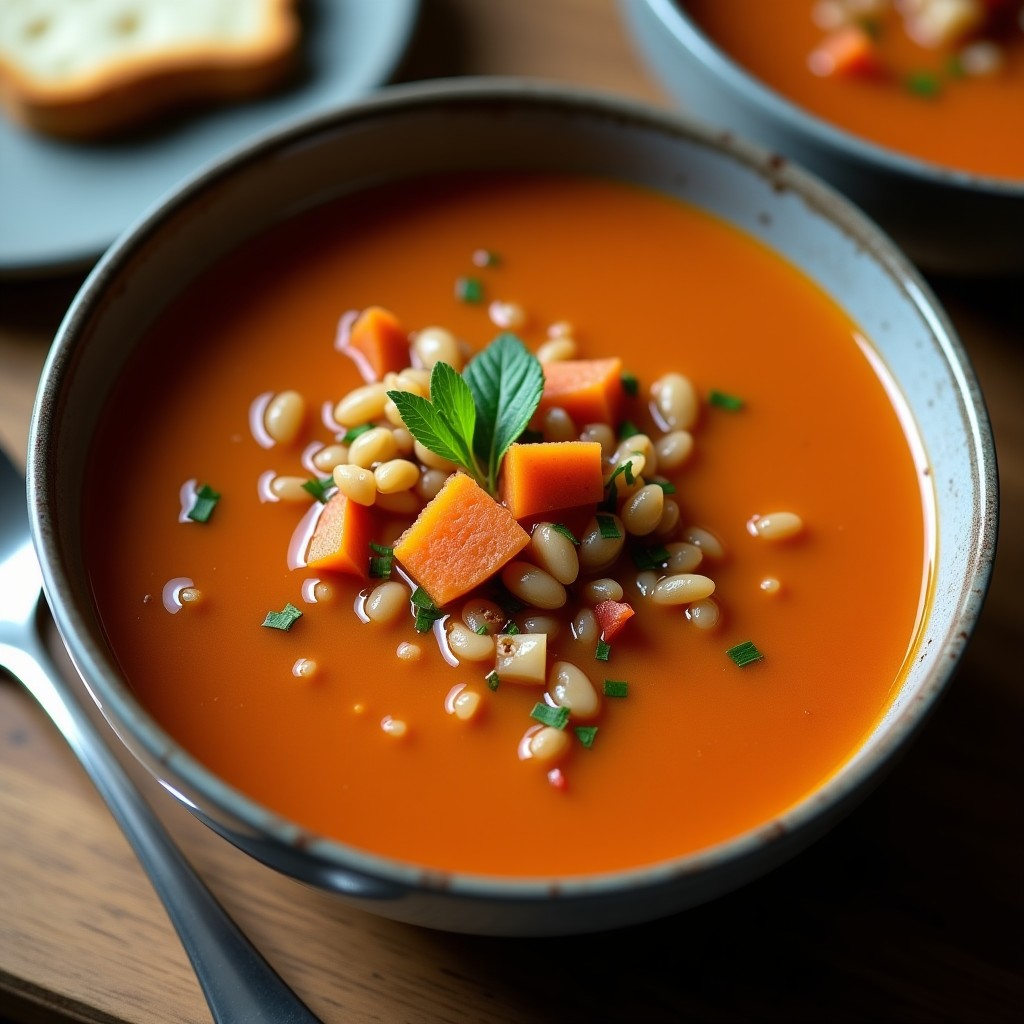
When the weather turns crisp or you simply crave a comforting bowl, the best multigrain soup steps in as a perfect ally. In my experience, this soup marries the earthiness of ancient grains with the brightness of seasonal vegetables, creating a dish that feels both traditional and modern. Whether you’re scrolling “multigrain soup near me” in Mumbai, Delhi, or Bengaluru, you’ll find that a well‑balanced bowl can be both a warm hug and a powerhouse of plant‑based nutrition.
Table of Contents
- Quick Answer
- What Is Best Multigrain Soup?
- History or Background
- Nutritional Overview
- Health Benefits
- Why People Choose It
- Different Variations
- Best Ingredients
- How to Make It Better
- Common Mistakes
- Expert Tips
- When to Eat It
- Who Should Eat It
- Who Should Avoid It
- How It Fits Into a Healthy Lifestyle
- Buying Tips
- Serving Suggestions
- Storage Tips
- Frequently Asked Questions
- Conclusion
Quick Answer
What is the best multigrain soup? It is a soup that combines at least three whole grains—such as brown rice, millet, barley, or quinoa—with vegetables, legumes, and aromatic spices. The result is a fiber‑rich, protein‑packed, and immune‑supporting meal that fits seamlessly into a healthy lifestyle.
What Is Best Multigrain Soup?
The term “multigrain” doesn’t just mean “more than one grain.” It signals a thoughtful blend of grains that complement each other’s texture and nutritional profile. In the best multigrain soup, each grain contributes a unique benefit: barley offers soluble fiber for digestive health, quinoa adds complete protein, and millet supplies magnesium for muscle function. When simmered together, they create a velvety base that absorbs the flavors of herbs, spices, and vegetables.
History or Background
Traditional Indian households have long used grains as the backbone of hearty soups, especially during monsoon months. The ancient practice of “khichdi,” a one‑pot dish of rice and lentils, laid the groundwork for today’s multigrain soups. Over time, regional cooks introduced barley in the north, millets in the south, and quinoa in the coastal kitchens, turning a simple porridge into a globally loved soup.
Nutritional Overview
Below is a snapshot of the typical macro‑ and micronutrient breakdown for a 2‑cup serving of the best multigrain soup:
- Calories: 250–300 kcal
- Protein: 12–15 g
- Carbohydrates: 45–55 g
- Fiber: 8–10 g
- Fat: 4–6 g (mostly from olive oil)
- Key vitamins: A, C, B‑complex
- Key minerals: iron, magnesium, zinc, potassium
These numbers make the soup a balanced option for a light meal or a nourishing dinner.
Health Benefits
Many nutrition experts recommend multigrain soups for their ability to support digestive health, stabilize blood sugar, and provide sustained energy. The fiber‑rich grains act like a broom for the gut, while the plant‑based proteins help maintain muscle mass. Additionally, the antioxidants from tomatoes, carrots, and leafy greens can may help reduce inflammation—a cornerstone of wellness.
Why People Choose It
People gravitate toward the best multigrain soup for several reasons:
- It’s a convenient way to get whole foods in one bowl.
- The soup stays satiating longer than plain broth.
- It’s easily adaptable for vegetarian, vegan, or gluten‑free diets.
- Seasonal vegetables make each batch feel fresh and seasonal.
Healthy eating doesn’t have to be complicated, and this soup proves that.
Different Variations
From the spicy lentil‑barley blend of Rajasthan to the coconut‑millet version of Kerala, the soup can be tailored to regional tastes. Here are three popular twists:
- South Indian Coconut Millets: Coconut milk, little millet, and curry leaves create a fragrant, slightly sweet broth.
- North Indian Spiced Barley: Barley, red kidney beans, and garam masala give a robust, warming flavor.
- Western Quinoa‑Veggie: Quinoa, kale, and roasted tomatoes make a light, protein‑rich version ideal for a quick lunch.
Best Ingredients
Choosing the right ingredients elevates the soup from ordinary to extraordinary. Below is a bullet‑list of pantry staples and fresh produce that work best together:
- Whole grains: brown rice, barley, millet, quinoa, farro
- Legumes: split red lentils, mung beans, chickpeas
- Vegetables: carrots, celery, onions, tomatoes, spinach, kale
- Spices: cumin, coriander, turmeric, black pepper, bay leaf
- Healthy fats: extra‑virgin olive oil or mustard seed oil
- Fresh herbs: cilantro, mint, parsley (added at the end)
Fresh vegetables generally retain better flavor when added in stages, starting with the harder ones and finishing with leafy greens.
How to Make It Better
Even a seasoned cook can boost the soup’s depth with a few tricks:
- Toast the grains: Lightly dry‑roast barley and millet before simmering; this releases nutty aromas.
- Build layers of flavor: Sauté aromatics in oil, deglaze with a splash of tomato puree, then add spices before the liquid.
- Finish with acidity: A squeeze of lemon or a dash of tamarind paste brightens the broth.
- Garnish smartly: Sprinkle toasted seeds, a drizzle of ghee, or fresh herbs for texture.
Sometimes the simplest soups are the most nourishing, and these steps keep the process straightforward.
Common Mistakes
When preparing the best multigrain soup, avoid these pitfalls:
- Overcooking the grains, which turns them mushy.
- Using too much water, resulting in a watery broth.
- Skipping the spice bloom, leading to flat flavor.
- Adding leafy greens too early, causing them to lose color and nutrients.
Expert Tips
Here are five nuggets of advice from nutritionists and chefs alike:
- Rinse grains thoroughly to remove excess starch.
- Use low‑sodium vegetable stock for a heart‑healthy base.
- Batch‑cook grains ahead of time; they store well in the fridge for up to three days.
- Adjust seasoning after the soup cools; flavors meld as it sits.
- Pair the soup with a side of sprouted lentil salad for extra protein.
When to Eat It
The soup works beautifully as a light lunch, a comforting dinner, or even a post‑workout recovery meal. Its balanced macronutrients provide steady energy, making it suitable for busy weekdays or relaxed weekends.
Who Should Eat It
Anyone seeking a plant‑based, fiber‑rich option can benefit. Athletes, students, and seniors alike find the soup satisfying and easy to digest. It’s also a great choice for vegetarians looking for a complete protein source.
Who Should Avoid It
People with specific grain allergies (e.g., barley or millet) should substitute with gluten‑free alternatives like buckwheat or amaranth. Those on a strict low‑FODMAP diet may need to limit certain legumes and onions.
How It Fits Into a Healthy Lifestyle
Integrating the best multigrain soup into your routine can support a balanced diet and immune‑supporting foods. Its high fiber content aids digestive health, while the mix of vitamins and minerals contributes to overall wellness. Pair it with a side of roasted nuts for a heart‑healthy lunch.
Buying Tips
When shopping for grains and vegetables, keep these pointers in mind:
- Choose whole, unprocessed grains; avoid pre‑flavored packets that contain additives.
- Look for firm, brightly colored vegetables without bruises.
- Buy organic herbs when possible; they retain more essential oils.
- Check the expiration date on canned tomatoes; fresh or low‑sodium varieties are best.
Finding quality ingredients near me is easier than ever—most supermarkets in Mumbai, Delhi, and Bengaluru stock a good selection of whole grains.
Serving Suggestions
Serve the soup hot, garnished with a drizzle of olive oil and a sprinkle of toasted pumpkin seeds. Accompany it with:
- Whole‑grain flatbread or naan for dipping.
- A small salad of cucumber, mint, and lemon.
- A glass of buttermilk or kefir for probiotic boost.
These pairings turn a simple bowl into a complete, nutritious meal.
Storage Tips
The soup stores well for up to four days in the refrigerator and freezes beautifully for three months. To reheat, bring it to a gentle boil and add a splash of water if it thickens too much. Always cool the soup quickly and store in airtight containers.
Frequently Asked Questions
- What makes a soup “multigrain”?
- A multigrain soup includes two or more whole grains, such as barley, millet, quinoa, or brown rice, cooked together with vegetables and spices.
- Can I make the soup vegan?
- Absolutely. Use vegetable broth, omit ghee, and rely on olive oil or coconut oil for richness.
- Is the best multigrain soup high in protein?
- Yes, the combination of grains and legumes typically provides 12–15 g of protein per serving, making it a solid plant‑based protein source.
- How long does it take to prepare?
- From chopping to simmering, the soup usually takes 30–40 minutes, plus any grain pre‑soaking time if required.
- Can I freeze the soup?
- Yes, freeze in portion‑size containers; it retains flavor and nutrition for up to three months.
- What vegetables work best?
- Root vegetables like carrots and sweet potatoes, leafy greens such as spinach or kale, and aromatics like onions and garlic create a balanced flavor profile.
- Is this soup suitable for kids?
- Definitely. Its mild spices and soft textures make it kid‑friendly, and you can blend it slightly for a smoother consistency.
- How does it support digestive health?
- The fiber from whole grains and vegetables promotes regular bowel movements and feeds beneficial gut bacteria.
Conclusion
The best multigrain soup is more than a comfort food; it’s a versatile, nutrient‑dense dish that fits into any healthy lifestyle. By choosing quality grains, fresh seasonal vegetables, and mindful spices, you create a bowl that supports digestion, fuels the body, and satisfies the soul. Ready to explore more wholesome vegetarian soups? Visit our menu for creative ideas, learn about our story on the about‑us page, or drop us a line at contact. For daily inspiration, check out the latest posts on our blog. Happy sipping!