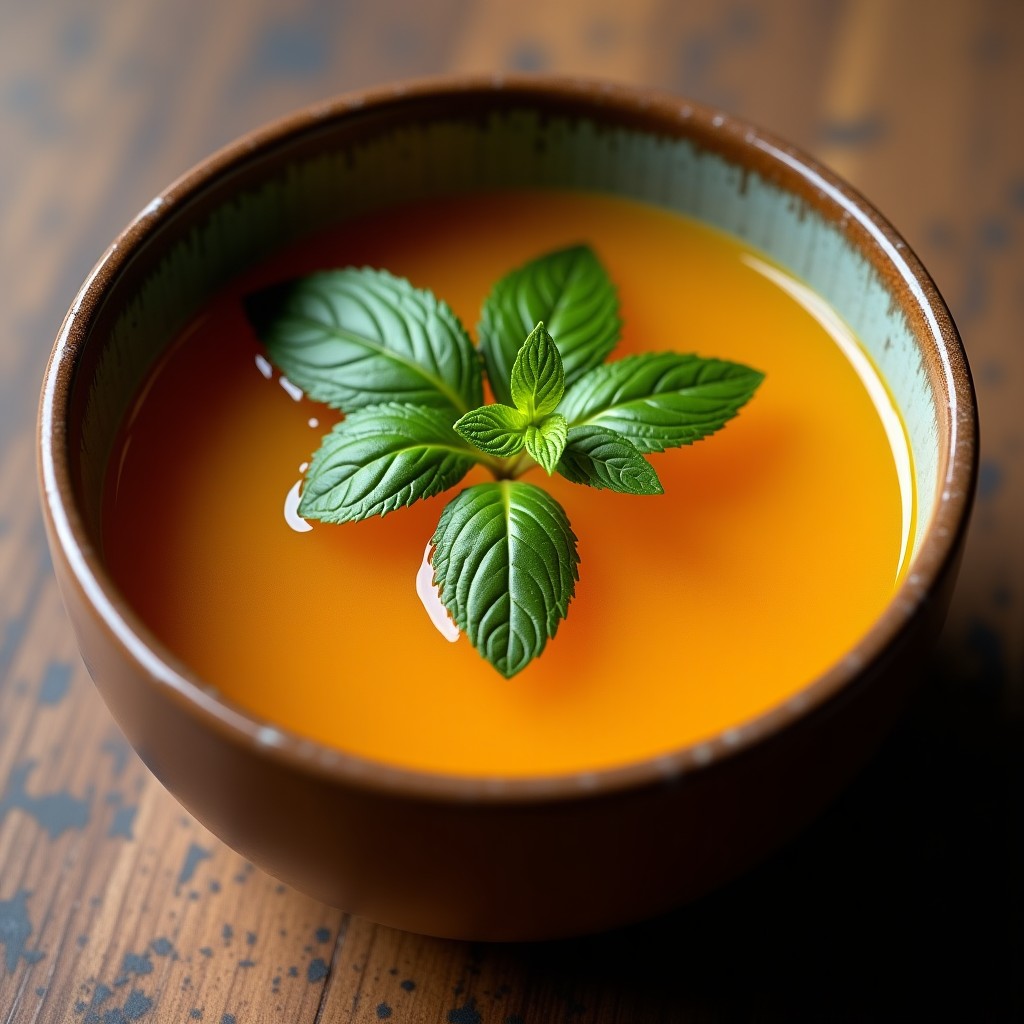
When the stomach feels heavy after a festive feast or a long day of office lunches, a steaming bowl of herbal soup for digestion can feel like a gentle hug from the inside. In my years covering food trends from Delhi’s bustling markets to Bangalore’s health cafés, I’ve seen this humble dish evolve from a kitchen‑corner remedy to a menu staple for wellness‑focused diners.
Table of Contents
- Quick Answer
- What Is Herbal Soup for Digestion?
- History or Background
- Nutritional Overview
- Health Benefits
- Why People Choose It
- Different Variations
- Best Ingredients
- How to Make It Better
- Common Mistakes
- Expert Tips
- When to Eat It
- Who Should Eat It
- Who Should Avoid It
- How It Fits Into a Healthy Lifestyle
- Buying Tips
- Serving Suggestions
- Storage Tips
- Frequently Asked Questions
- Conclusion
Quick Answer
Herbal soup for digestion is a light, plant‑based broth infused with digestive‑friendly herbs like ginger, fennel, and ajwain, combined with seasonal vegetables and a touch of whole‑grain or lentil protein. It’s easy to make, soothing to the gut, and fits perfectly into a balanced diet.
What Is Herbal Soup for Digestion?
At its core, this soup is a healthy soup that marries the soothing properties of traditional Indian herbs with the nutrient density of fresh, fiber‑rich vegetables. Think of it as a vegetarian soup that not only warms you up but also supports digestive health through natural ingredients—no synthetic additives, no heavy creams.
History or Background
Traditional Indian households have long prepared broth‑based drinks called “kaadha” or “rasam” after meals. These were meant to aid digestion and boost immunity. Over time, the concept migrated from thin watery drinks to heartier soups, especially in the coastal regions of Kerala and Goa where coconut milk and local herbs added richness without compromising the gut‑friendly profile.
In recent years, urban cafés in Mumbai and Hyderabad have revived these recipes, branding them as “herbal soup for digestion” to appeal to health‑conscious diners looking for immune‑supporting foods and plant‑based nutrition. The rise of Ayurvedic cooking classes has also helped spread the knowledge of which herbs truly aid digestion.
Nutritional Overview
Below is a snapshot of the typical macro‑ and micronutrient makeup of a 2‑cup serving:
- Calories: 120‑150 kcal
- Protein: 6‑8 g (from lentils or quinoa)
- Carbohydrates: 20‑25 g (mostly complex, fiber‑rich)
- Fat: 3‑5 g (from a drizzle of cold‑pressed mustard oil)
- Fiber: 4‑6 g
- Key vitamins: A, C, K, B‑complex
- Key minerals: potassium, magnesium, iron
Because the soup relies on whole foods, it delivers a spectrum of phytonutrients that can support digestive health and contribute to a healthy lifestyle.
Health Benefits
Many nutrition experts recommend herbal soups as part of a balanced diet for the following reasons:
- Gentle on the gut: Warm broth stimulates peristalsis, while ginger and fennel relax the intestinal muscles.
- Fiber boost: Seasonal vegetables and lentils add soluble fiber, which can help regulate bowel movements.
- Hydration: The high water content aids in flushing toxins and maintaining electrolyte balance.
- Immune support: Turmeric, cumin, and black pepper have anti‑inflammatory properties that may enhance immune function.
While I’m not a medical doctor, I’ve observed that regular consumers of this soup often report reduced bloating and a steadier energy level throughout the day.
Why People Choose It
From busy professionals in Bangalore looking for a light meal to retirees in Chennai seeking a soothing dinner, the appeal is universal:
- It’s quick to prepare—under 30 minutes for most versions.
- It’s adaptable to any season, using whatever fresh produce is at the market.
- It aligns with vegan or vegetarian preferences without compromising flavor.
- It feels comforting yet remains nutritious, making it a go‑to for “healthy lunch” or “healthy dinner” options.
Healthy eating doesn’t have to be complicated.
Different Variations
Across India, you’ll find regional twists:
- South Indian Style: Coconut milk, curry leaves, and mustard seeds create a fragrant, slightly sweet broth.
- North Indian Style: A tomato‑based base with asafoetida (hing) and fenugreek leaves adds depth.
- Goan Coastal Style: Tamarind and kokum give a tangy edge, perfect for hot weather.
- Modern Fusion: Adding quinoa or millet for extra protein, or topping with toasted pumpkin seeds for crunch.
Each version respects the core principle—using natural ingredients that are easy on digestion.
Best Ingredients
When I shop at the farmer’s market near Pune, I look for these staples:
- Herbs: Fresh ginger, fennel seeds, ajwain (carom), holy basil (tulsi).
- Vegetables: Carrots, zucchini, spinach, pumpkin, and seasonal greens.
- Protein: Red lentils (masoor dal), split peas, or quinoa.
- Spices: Turmeric, cumin, coriander, black pepper.
- Liquid: Low‑sodium vegetable broth or homemade stock.
Fresh ingredients generally retain better flavor when added at the end of cooking, so keep a handful of chopped cilantro or mint ready for garnish.
How to Make It Better
Here’s a quick tip I share with cooking classes in Delhi: toast the whole spices in a dry pan for 30 seconds before adding them to the broth. This releases essential oils and deepens the soup’s aroma without extra fat.
Another trick: blend half of the cooked vegetables into a smooth puree, then stir it back into the pot. The result is a velvety texture that feels luxurious yet stays light.
Common Mistakes
Even seasoned cooks slip up sometimes. Avoid these pitfalls:
- Over‑cooking the greens: They turn mushy and lose vital nutrients. Add them in the last five minutes.
- Using too much salt: It can counteract the soothing effect of the herbs. Opt for low‑sodium broth and season gradually.
- Skipping the spice toast: Missing this step can make the soup taste flat.
Expert Tips
According to Ayurvedic nutritionist Dr. Ananya Rao, “Pairing ginger with a pinch of black pepper enhances bioavailability of gingerol, the active compound that supports digestion.” So, a dash of pepper isn’t just for heat—it’s functional.
For a richer mouthfeel without dairy, drizzle a teaspoon of cold‑pressed almond oil just before serving. The nutty aroma complements the herbal notes beautifully.
When to Eat It
Because the broth is warm and easy to digest, it’s ideal:
- After a heavy lunch—think butter chicken or biryani.
- As a pre‑workout snack to fuel without feeling sluggish.
- During colder months as a comforting healthy dinner option.
Sometimes the simplest soups are the most nourishing.
Who Should Eat It
This soup suits a wide audience:
- Vegetarians and vegans seeking plant‑based nutrition.
- People with mild digestive discomfort looking for natural relief.
- Anyone aiming for a fiber‑rich meal that supports gut flora.
Who Should Avoid It
If you have a known allergy to any of the listed herbs—especially fennel or ajwain—skip those or substitute with safe alternatives. Those on anticoagulant medication should consult a healthcare professional before consuming large amounts of turmeric.
How It Fits Into a Healthy Lifestyle
Integrating herbal soup for digestion into your weekly meal plan can act as a reset button for the gut. Pair it with a side of sprouted moong salad for extra protein, and you have a nutritious meal that supports overall wellness.
For those searching “herbal soup for digestion near me” in Mumbai, many local cafés now list it under “wellness bowls,” making it easy to enjoy without cooking.
Buying Tips
When purchasing herbs:
- Choose bright, firm ginger roots—no soft spots.
- Look for whole fennel seeds; they retain flavor longer than pre‑ground.
- If buying pre‑packed vegetable broth, read labels for “no added MSG” or “low sodium.”
Fresh herbs from a local market in Delhi or a farmer’s stall in Bangalore will always outshine packaged versions.
Serving Suggestions
Serve the soup in a shallow bowl, garnish with a swirl of almond oil, a sprinkle of toasted pumpkin seeds, and a few fresh cilantro leaves. Accompany with a slice of whole‑grain rye toast or a small portion of brown rice for a complete healthy lunch.
Storage Tips
Cool the soup to room temperature, then refrigerate in an airtight container for up to three days. Reheat gently on the stove—avoid boiling, as high heat can degrade delicate herbs.
If you want to prep ahead, freeze individual portions in zip‑lock bags. Thaw overnight in the fridge and warm up for a quick, gut‑friendly meal.
Frequently Asked Questions
- What makes herbal soup good for digestion?
- Warm broth stimulates gut motility, while herbs like ginger, fennel, and ajwain contain compounds that relax the intestinal muscles and reduce gas. Combined with fiber‑rich veggies, the soup offers a gentle, holistic approach to digestive comfort.
- Can I use chicken broth instead of vegetable broth?
- Yes, but the soup will shift from a vegetarian to a non‑vegetarian profile. For a truly plant‑based version, stick with low‑sodium vegetable broth to keep the flavors clean and the dish suitable for vegans.
- Is this soup suitable for a low‑carb diet?
- Absolutely. By swapping lentils for cauliflower rice or reducing the amount of starchy vegetables, you can keep the carbohydrate count low while preserving the digestive benefits.
- How long does it take to prepare?
- From chopping to the final garnish, most recipes are ready in 25‑30 minutes. The key is to have all ingredients pre‑prepped, which makes it perfect for busy weekdays.
- Can I add dairy for creaminess?
- You can, but many people prefer plant‑based alternatives like coconut milk or almond cream. These keep the soup light and align with the traditional Ayurvedic principle of easy digestion.
- What are the best herbs for gut health?
- Ginger, fennel seeds, ajwain, and holy basil are the most commonly used in Indian herbal soups. Each offers unique anti‑inflammatory and carminative properties that may support gut health.
- Is herbal soup for digestion popular outside India?
- Yes. Health cafés in Singapore, Dubai, and even New York have added it to their menus, often branding it as “digestive broth” or “herbal wellness soup.”
- Can I make this soup vegan and gluten‑free?
- Definitely. Use gluten‑free grains like quinoa or millet, and ensure any broth you buy is labeled gluten‑free. The soup remains nutrient‑dense and soothing.
- Does the soup help with weight management?
- While it’s not a magic weight‑loss solution, its low calorie density, high water content, and fiber can promote satiety, making it a useful component of a balanced diet.
- Where can I find fresh herbs in Mumbai?
- Local markets such as Crawford Market and the Dadar vegetable market offer fresh ginger, fennel, and other herbs daily. Look for vibrant green leaves and firm roots for the best flavor.
Conclusion
Whether you’re a busy professional in Bangalore, a student in Delhi, or a retiree in Chennai, a bowl of herbal soup for digestion offers a simple, tasty way to support gut health and enjoy a healthy lifestyle. By choosing fresh, whole‑food ingredients and respecting traditional Indian wisdom, you can create a soup that feels both comforting and nourishing.
Ready to explore more? Check out our menu for a variety of vegetarian soups, visit the about us page to learn about our culinary philosophy, find a nearby outlet on our branches page, or drop us a line via contact. For deeper insights into the science behind herbs, see the herbal medicine article.
Enjoy the warmth, savor the flavors, and let each sip remind you that healthy eating can be both simple and delicious.