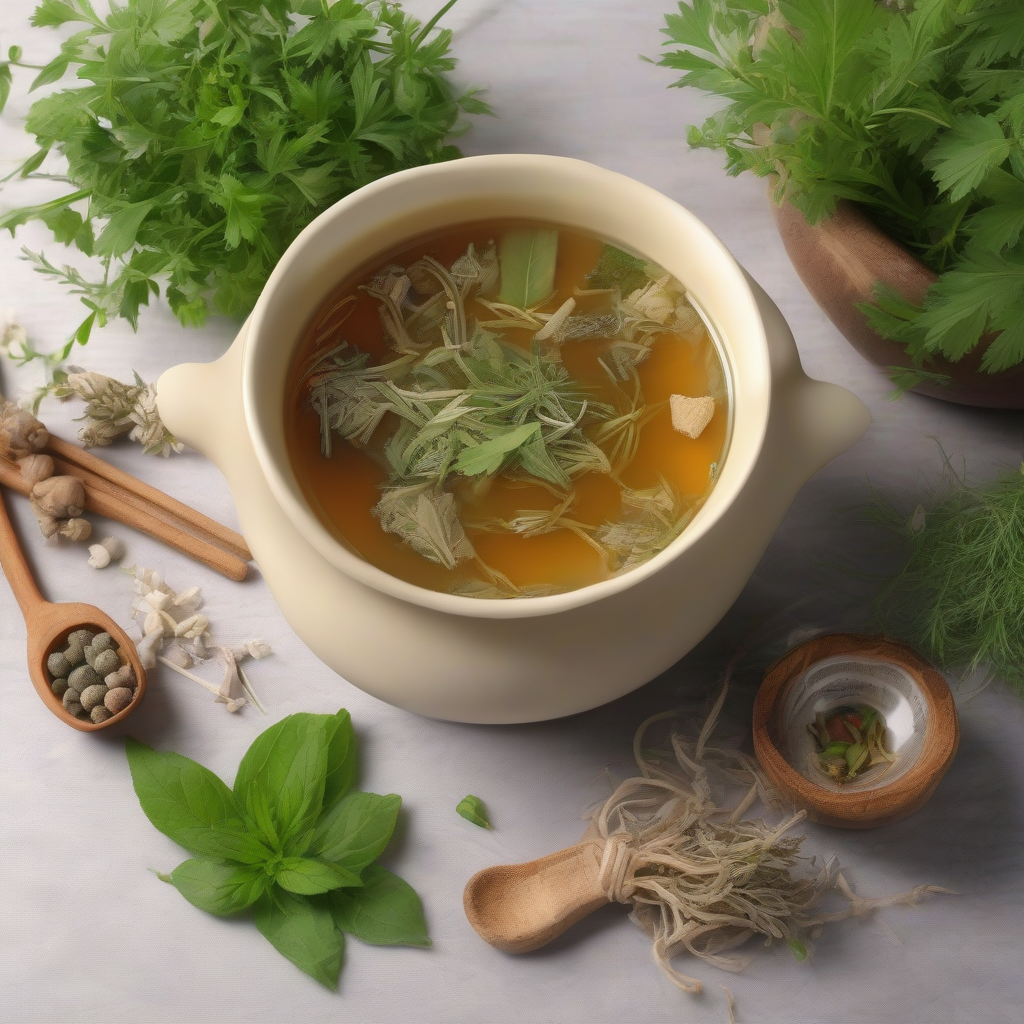
When the day feels chaotic, a warm bowl of Herbal Soup for Stress can be the calm you didn’t know you needed. In my years covering kitchens from Delhi to Bangalore, I’ve seen how a simple, plant‑based broth can quiet the mind, settle the stomach, and lift the spirit. Below you’ll find everything you need to know—history, nutrition, variations, and tips to make the perfect cup—so you can serve yourself a stress‑relieving meal any time you crave it.
Table of Contents
- Quick Answer
- What Is Herbal Soup for Stress?
- History or Background
- Nutritional Overview
- Health Benefits
- Why People Choose It
- Different Variations
- Best Ingredients
- How to Make It Better
- Common Mistakes
- Expert Tips
- When to Eat It
- Who Should Eat It
- Who Should Avoid It
- How It Fits Into a Healthy Lifestyle
- Buying Tips
- Serving Suggestions
- Storage Tips
- Frequently Asked Questions
- Conclusion
Quick Answer
Herbal Soup for Stress is a light, vegetarian broth infused with calming herbs such as tulsi, ashwagandha, and mint, combined with seasonal vegetables and spices. It’s designed to be easy on digestion, boost mood, and support a balanced diet.
What Is Herbal Soup for Stress?
At its core, this soup is a healthy soup that uses natural ingredients known in Ayurvedic tradition for their soothing properties. The base is usually a clear vegetable stock, enriched with herbs that are believed to help the nervous system. Think of it as a vegetarian soup that doubles as a gentle adaptogen drink.
History or Background
Traditional Indian households have long simmered herbs in water to create “kadha”—a kind of medicinal broth. In the hot climate of Mumbai and the monsoon‑laden streets of Kolkata, people would sip a warm, spiced decoction after a long day. Over time, these kadhas evolved into the more soup‑like versions you find on restaurant menus today, especially in health‑focused cafés in New Delhi and Chennai.
Nutritional Overview
Because the soup is mostly water, the calorie count stays low—perfect for a light meal or a post‑workout recovery drink. The real nutrition comes from the herbs and vegetables:
- Tulsi (holy basil): rich in antioxidants and vitamin C.
- Ashwagandha: a plant‑based source of adaptogens that may support stress response.
- Spinach and kale: packed with iron, calcium, and fiber‑rich foods.
- Carrots and sweet potatoes: provide beta‑carotene and natural sweetness.
All together, the soup offers a blend of plant‑based nutrition that contributes to a balanced diet without feeling heavy.
Health Benefits
Many nutrition experts recommend this broth for its potential to:
- Promote digestive health through gentle fiber.
- Support the immune system with vitamin‑rich vegetables.
- Provide a calming effect thanks to adaptogenic herbs.
- Hydrate the body while delivering electrolytes.
While it’s not a miracle cure, regular inclusion can be part of a healthy lifestyle that includes other immune‑supporting foods.
Why People Choose It
People often look for a soup that feels both nourishing and light. In my experience, the appeal lies in its versatility: you can have it for lunch, dinner, or even as a mid‑day snack. It’s also a great way to incorporate seasonal produce without the fuss of a heavy sauce. “Healthy eating doesn’t have to be complicated,” I often tell my readers.
Different Variations
From the classic North Indian version with ginger and cumin to a South Indian twist featuring curry leaves and coconut milk, there’s a style for every palate. Some like to add lentils for extra protein, turning the broth into a hearty healthy lunch option. Others keep it crystal clear, focusing on the aroma of fresh herbs.
Best Ingredients
Choosing the right components can elevate a simple bowl into a therapeutic experience. Here’s my go‑to list:
- Fresh herbs: Tulsi, mint, coriander, and ashwagandha powder.
- Seasonal vegetables: Carrots, zucchini, spinach, and cauliflower.
- Spices: Cumin seeds, black pepper, and a pinch of turmeric.
- Healthy fats: A drizzle of cold‑pressed sesame oil or ghee (optional).
Fresh ingredients generally retain better flavor when added at the end of cooking.
How to Make It Better
Start by sautéing cumin seeds in a splash of oil until they pop. Add chopped onions, ginger, and garlic, cooking until translucent. Toss in the vegetables, pour in water or low‑sodium vegetable broth, and bring to a gentle boil. Reduce the heat and let the herbs steep for 10‑15 minutes. Finish with a squeeze of lemon for brightness.
For an extra soothing touch, stir in a teaspoon of ashwagandha powder just before serving. The heat will help release its aroma without destroying the delicate compounds.
Common Mistakes
Even seasoned cooks slip up. Here are a few pitfalls to avoid:
- Over‑cooking the herbs—high heat can diminish their calming properties.
- Using too much salt—over‑seasoning masks the subtle flavors of the herbs.
- Adding heavy cream or cheese—this turns a light broth into a rich stew, defeating the purpose of a stress‑relieving soup.
Expert Tips
From my conversations with Ayurvedic practitioners:
- Use filtered water to ensure the broth stays pure.
- Season with lemon at the end to enhance the bioavailability of iron from leafy greens.
- Pair with whole‑grain toast for a balanced meal that includes fiber‑rich foods.
Sometimes the simplest soups are the most nourishing.
When to Eat It
This soup shines as a light meal after a stressful meeting, or as a warm starter before a festive dinner. Because it’s easy on the stomach, it’s also ideal for early mornings when you need a gentle wake‑up.
Who Should Eat It
Anyone looking for a plant‑based, low‑calorie option can enjoy this broth. It’s especially beneficial for:
- Students pulling all‑night study sessions.
- Professionals with high‑pressure jobs.
- Parents juggling household chores and work.
Who Should Avoid It
While the soup is generally safe, people with specific herb sensitivities—such as an allergy to tulsi or ashwagandha—should skip those ingredients. Pregnant women should consult a healthcare provider before consuming large amounts of adaptogenic herbs.
How It Fits Into a Healthy Lifestyle
Integrating Herbal Soup for Stress into your routine can be as easy as swapping a fried snack for a bowl of broth. It aligns with a healthy lifestyle by providing hydration, nutrients, and a calming ritual. Pair it with a side of quinoa or a small salad for a complete, nutritious meal.
Buying Tips
If you shop at local markets in Mumbai or Bangalore, look for fresh, organic herbs. Avoid pre‑packed herb mixes that contain additives. When selecting vegetables, choose firm, bright‑colored produce—these are indicators of peak freshness.
Serving Suggestions
Serve the soup hot, garnished with a few fresh mint leaves and a drizzle of sesame oil. Accompany it with a slice of whole‑grain bread or a small bowl of sprouted lentils for extra protein. A side of fresh fruit can turn the meal into a delightful, balanced dinner.
Storage Tips
Cool the soup to room temperature before refrigerating. It will keep for up to three days in an airtight container. Reheat gently on the stove—avoid boiling, as high heat can degrade the delicate herbs.
Frequently Asked Questions
- What makes herbal soup good for stress? The combination of adaptogenic herbs like ashwagandha and calming aromatics such as tulsi can support the body’s response to stress, while the warm broth promotes relaxation.
- Can I make this soup vegan? Absolutely. Use vegetable broth and skip any dairy fats. A splash of coconut milk adds creaminess without animal products.
- Is it safe to drink daily? For most people, a daily cup is fine. However, if you have a medical condition or take medication, check with a professional before consuming large amounts of adaptogens.
- How long does it take to prepare? From chopping to simmering, you can have a pot ready in about 30 minutes.
- Can I freeze the soup? Yes, but freeze without the fresh herbs; add them after reheating for the best flavor.
- What are the best herbs for stress relief? Tulsi, mint, coriander, and ashwagandha are traditionally believed to have calming effects.
Conclusion
Whether you’re navigating the bustling streets of New Delhi or working from home in Pune, a bowl of Herbal Soup for Stress can be a simple, soothing ritual that fits right into a healthy lifestyle. By choosing fresh, whole foods and mindful preparation, you create a nutritious, stress‑supporting meal that feels both comforting and energizing. Ready to explore more wholesome soups? Check out our menu for a variety of vegetarian soups, read the latest health tips on our blog, learn about our story at About Us, find a nearby outlet on our branches page, or contact us with your favorite recipes.
Remember, a warm bowl of soup is more than just food—it’s an invitation to pause, breathe, and nourish both body and mind.