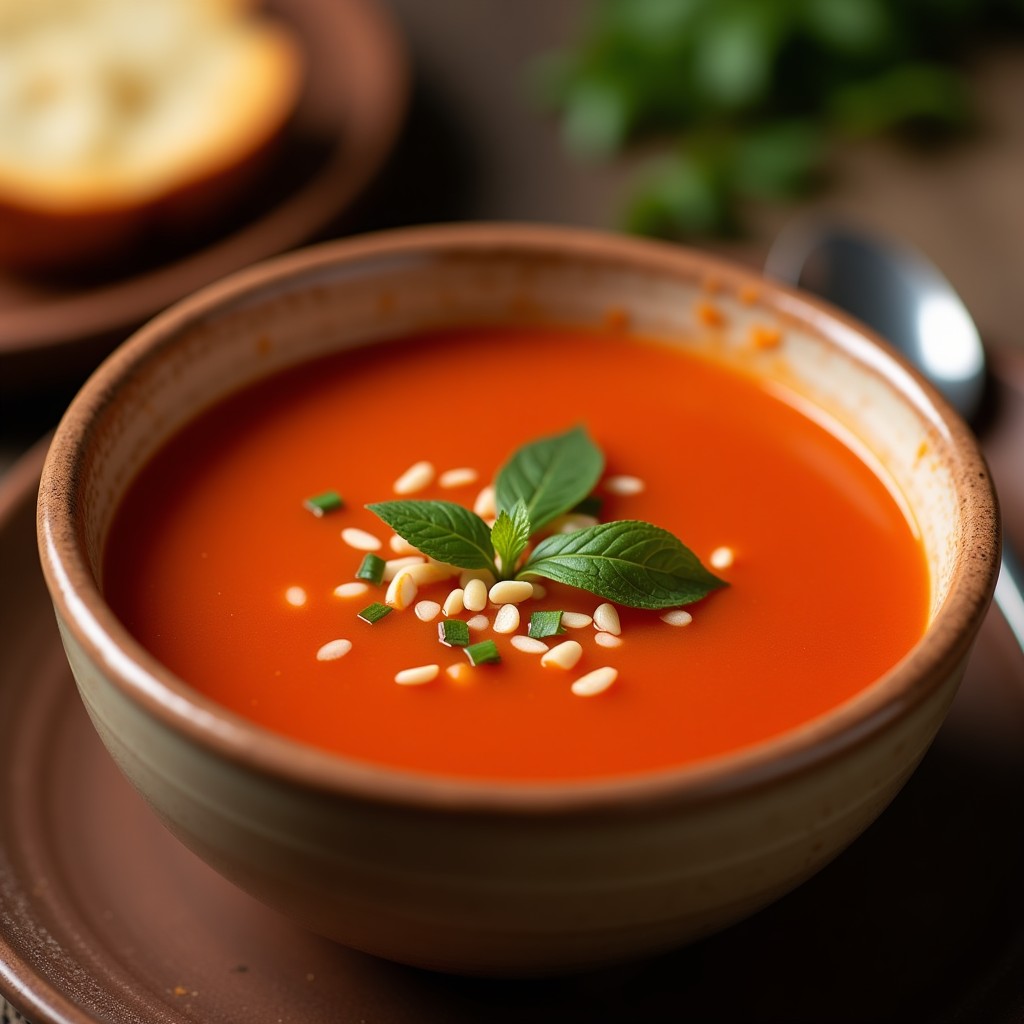
There’s something magical about a bowl of Homemade Tomato Soup that instantly feels like comfort on a chilly evening and a refreshing boost on a sunny afternoon. In my kitchen, the scent of simmering tomatoes, a hint of garlic, and a splash of fresh basil is a daily reminder that healthy eating doesn’t have to be complicated. Whether you’re in New York, Bangalore, or searching “tomato soup near me,” this guide will help you master a soup that’s both tasty and nourishing.
Table of Contents
- Quick Answer
- What Is Homemade Tomato Soup?
- History or Background
- Nutritional Overview
- Health Benefits
- Why People Choose It
- Different Variations
- Best Ingredients
- How to Make It Better
- Common Mistakes
- Expert Tips
- When to Eat It
- Who Should Eat It
- Who Should Avoid It
- How It Fits Into a Healthy Lifestyle
- Buying Tips
- Serving Suggestions
- Storage Tips
- Frequently Asked Questions
- Conclusion
Quick Answer
Homemade Tomato Soup is a blended, plant‑based soup made from ripe tomatoes, aromatics, and optional herbs or spices. It’s typically low in calories, rich in vitamin C, and can be customized for a vegetarian or vegan diet. Ready in under an hour, it’s perfect for a light meal or a starter.
What Is Homemade Tomato Soup?
At its core, this soup is a pureed mixture of cooked tomatoes, onions, garlic, and broth. The beauty lies in its simplicity: you can keep it classic or add a twist—like roasted red peppers, coconut milk, or Indian spices. Because you control every ingredient, it stays a whole‑food, fiber‑rich option that fits a balanced diet.
History or Background
Tomatoes arrived in Europe from the Americas in the 16th century, but it wasn’t until the 19th century that they became a staple in European kitchens. The first recorded tomato soup recipes appeared in French cookbooks, and by the early 1900s, canned versions made the soup a pantry essential worldwide. In Indian households, especially in the south, a spiced version known as “tamatar ka soup” has been served alongside rice or roti for generations.
Nutritional Overview
One cup of Homemade Tomato Soup (about 240 ml) typically provides:
- 90 kcal
- 2 g protein
- 4 g carbohydrates (2 g fiber)
- 0 g fat (unless you add oil or cream)
- Vitamin C: 30 % of the Daily Value
- Vitamin A: 15 % DV
- Potassium: 10 % DV
These numbers shift slightly with added ingredients, but the base soup remains a low‑calorie, nutrient‑dense choice.
Health Benefits
Many nutrition experts recommend tomato‑based soups for their antioxidant profile. Lycopene, the red pigment in tomatoes, is linked to heart health and may support immune function. Combined with the fiber from tomatoes and the soothing warmth, the soup can aid digestive health and keep you feeling satisfied without excess calories. It’s a smart addition to a healthy lifestyle.
Why People Choose It
People gravitate toward this soup for three main reasons:
- Convenience: A handful of ingredients and a single pot are all you need.
- Versatility: It can be served hot or cold, spiced or sweet.
- Nutrition: It packs vitamins, minerals, and antioxidants in a comforting package.
Sometimes the simplest soups are the most nourishing.
Different Variations
Below are a few popular twists that keep the soup exciting:
- Indian‑style Tomato Soup: Add cumin, mustard seeds, and a dash of garam masala for a fragrant, warming bowl.
- Creamy Coconut Tomato Soup: Stir in coconut milk for a silky texture and a subtle tropical note.
- Roasted Red Pepper Tomato Soup: Blend roasted peppers for extra sweetness and depth.
- Cold Gazpacho: Serve chilled with cucumber, bell pepper, and a drizzle of olive oil for a summer refresher.
Best Ingredients
Choosing the right components makes all the difference. Here’s my go‑to list for a vibrant, flavorful batch:
- Ripe plum tomatoes (about 2 kg for 6 servings)
- Yellow onion, finely chopped
- Garlic cloves, minced
- Extra‑virgin olive oil (or ghee for an Indian touch)
- Low‑sodium vegetable broth
- Fresh basil leaves or cilantro, torn
- Sea salt and freshly ground black pepper
- Optional: a pinch of smoked paprika or a splash of cream
Fresh vegetables generally retain better flavor when you add them at the end of cooking, just before blending.
How to Make It Better
Follow these steps for a soup that sings:
- Roast the tomatoes: Halve them, drizzle with oil, and roast at 200 °C for 20 minutes. This concentrates their sweetness.
- Sauté aromatics: In the same pot, soften onion and garlic until translucent.
- Deglaze: Add a splash of broth, scraping up browned bits for extra flavor.
- Simmer: Return roasted tomatoes, pour in the remaining broth, and let everything bubble gently for 15 minutes.
- Blend: Use an immersion blender for a smooth texture, or leave it chunky for a rustic feel.
- Finish: Stir in fresh herbs, adjust seasoning, and drizzle a little olive oil for shine.
Pro tip: If you like a richer mouthfeel, swirl in a tablespoon of Greek yogurt or cashew cream just before serving.
Common Mistakes
Avoid these pitfalls to keep your soup from turning bland or gritty:
- Using over‑ripe or under‑ripe tomatoes – they affect acidity and sweetness.
- Skipping the roasting step – you lose caramelized depth.
- Blending hot soup in a regular blender without venting – can cause splatters.
- Over‑seasoning early – flavors concentrate as the soup reduces.
- Adding cream too early – it may curdle.
Expert Tips
In my experience, a splash of balsamic vinegar at the end brightens the flavor profile, especially when the tomatoes are slightly sweet. For an Indian spin, temper mustard seeds and curry leaves in hot oil before adding onions; the aroma instantly lifts the whole pot.
When to Eat It
This soup works for any mealtime. Serve it as a light lunch paired with a whole‑grain roll, or as a starter before a hearty dinner. In colder months, a hot bowl can be a soothing post‑workout recovery drink, while in summer, a chilled version works wonderfully as a light dinner.
Who Should Eat It
Vegetarians, vegans (omit dairy), and anyone seeking a plant‑based, nutrient‑dense meal will find this soup satisfying. Athletes appreciate the quick carbs and electrolytes, and families love the mild flavor that pleases even picky eaters.
Who Should Avoid It
People with severe tomato allergies should steer clear. Those on a low‑potassium diet may need to limit portions, as tomatoes contain moderate potassium levels. As always, consult a healthcare professional for personalized advice.
How It Fits Into a Healthy Lifestyle
Because it’s low in calories yet high in vitamins, Homemade Tomato Soup can be a cornerstone of a balanced diet. Pair it with a side of quinoa salad or a slice of whole‑grain toast for a complete, immune‑supporting lunch. It’s also an excellent base for adding extra protein, such as lentils or tofu, turning it into a more substantial meal.
Buying Tips
When shopping for tomatoes, look for firm, deep‑red fruit with a slight give when pressed. Avoid any with cracks or soft spots. For the freshest flavor, buy from local farmers’ markets in your area—whether you’re in Mumbai, Delhi, or a nearby grocery store “near me.”
Serving Suggestions
Here are three ways to plate your soup beautifully:
- Classic: Garnish with a swirl of olive oil, fresh basil, and a sprinkle of grated Parmesan.
- Indian flair: Top with a drizzle of ghee, toasted cumin seeds, and a few cilantro leaves.
- Vegan twist: Add roasted chickpeas and a dash of smoked paprika for crunch.
Storage Tips
Cool the soup to room temperature, then transfer it to airtight containers. It keeps for up to 4 days in the refrigerator. For longer storage, freeze in portion‑size bags for up to 3 months. Reheat gently on the stovetop; avoid boiling, which can break down the delicate flavors.
Frequently Asked Questions
- What makes homemade tomato soup healthier than canned?
- Fresh tomatoes retain more vitamin C and lycopene, and you control added salt, sugar, and preservatives. This makes the soup lower in sodium and richer in antioxidants.
- Can I make this soup vegan?
- Absolutely. Use vegetable broth, skip dairy, and finish with a splash of coconut milk or cashew cream for creaminess.
- Is tomato soup good for immune support?
- Tomatoes are a source of vitamin C and antioxidants, which can support a healthy immune system when part of a balanced diet.
- How long does it take to prepare?
- From prep to finish, expect about 45 minutes, including a quick roasting step. You can speed it up by using pre‑roasted tomatoes.
- Can I add protein to the soup?
- Yes. Stir in cooked lentils, shredded chicken, or tofu cubes during the final simmer for a protein boost.
- What spices work well with tomato soup?
- Classic choices include basil, oregano, and thyme. For a warm twist, try cumin, smoked paprika, or a pinch of garam masala.
- Is it safe to serve to children?
- Definitely. The mild flavor and smooth texture make it kid‑friendly. Just ensure it’s not too hot and avoid adding excessive salt.
- Can I use canned tomatoes instead of fresh?
- You can, but fresh tomatoes give a brighter taste. If using canned, choose no‑salt varieties and add a splash of fresh lemon juice to brighten the flavor.
Conclusion
Whether you’re craving comfort on a rainy night in New York or a quick, nutritious lunch in Bangalore, Homemade Tomato Soup delivers flavor, health benefits, and culinary flexibility. By choosing fresh, whole ingredients and following a few expert tips, you’ll create a soup that supports a balanced diet and satisfies the soul.
Ready to explore more wholesome, plant‑based soups? Visit our menu for a variety of vegetarian soups, learn about our story on the about us page, read the latest blog posts at blog, or get in touch through our contact page. Dive deeper into the world of healthy soups and discover how simple, natural foods can elevate your wellness journey.
For a deeper dive into the science behind lycopene and its benefits, check out Wikipedia.