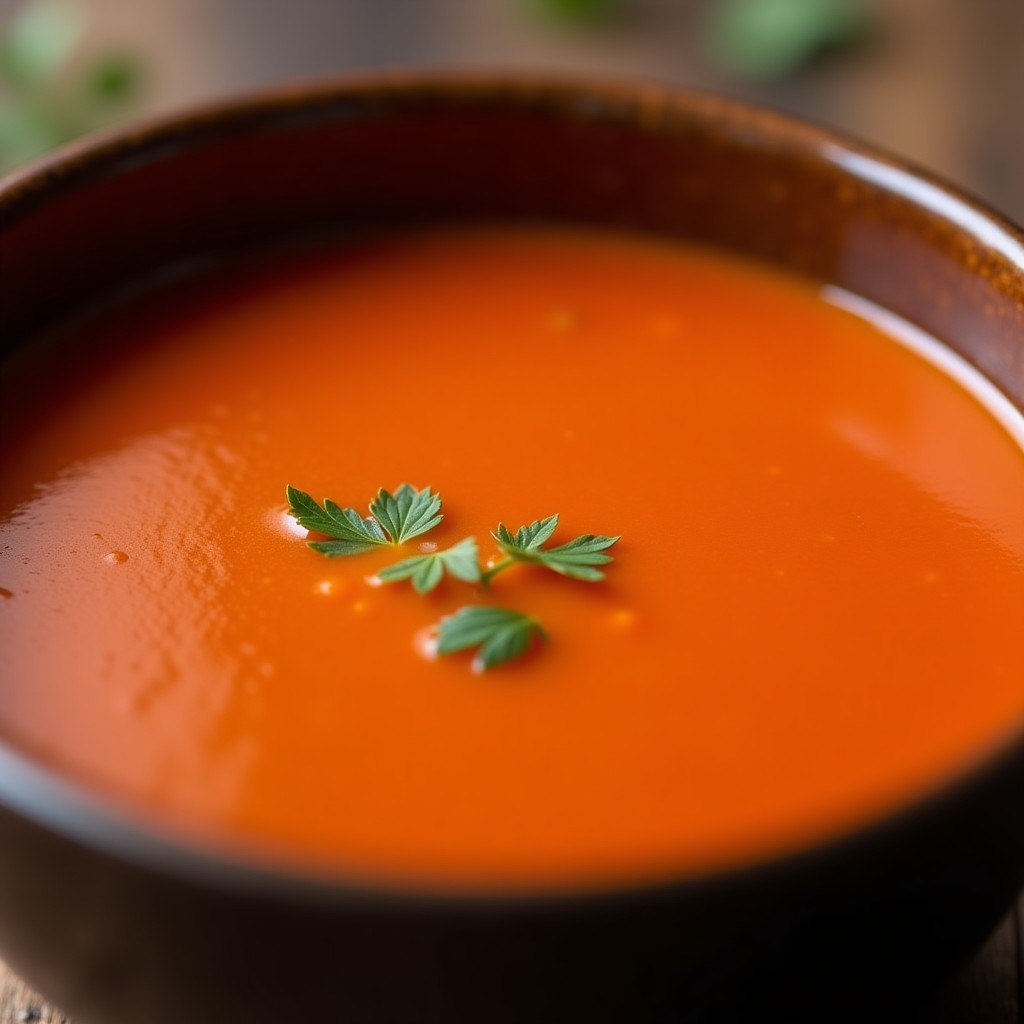
Tomato soup is a staple on many dinner tables, from a quick lunch in a Mumbai office pantry to a comforting bowl in a New Delhi home. But when you’re watching your calorie intake, the question that pops up most often is: Tomato Soup Calories. In this guide I’ll break down the numbers, share the health angles, and give you practical tips to keep the soup both tasty and light.
Table of Contents
- Quick Answer
- What Is Tomato Soup Calories?
- History or Background
- Nutritional Overview
- Health Benefits
- Why People Choose It
- Different Variations
- Best Ingredients
- How to Make It Better
- Common Mistakes
- Expert Tips
- When to Eat It
- Who Should Eat It
- Who Should Avoid It
- How It Fits Into a Healthy Lifestyle
- Buying Tips
- Serving Suggestions
- Storage Tips
- Frequently Asked Questions
- Conclusion
Quick Answer
A typical 1‑cup (240 ml) serving of homemade tomato soup contains roughly 80–120 calories, depending on the amount of oil, cream, or sugar you add. Store‑bought canned versions often sit around 90–130 calories per cup. The key is the ingredients you choose.
What Is Tomato Soup Calories?
When nutrition labels list “calories,” they’re measuring the energy your body can extract from the food. Tomato soup’s calorie count comes mainly from three sources:
- Carbohydrates – the natural sugars in tomatoes and any added sweeteners.
- Fats – oil, butter, or cream used to enrich the texture.
- Proteins – usually a small amount from any added beans or dairy.
Because tomatoes themselves are low‑calorie (about 22 kcal per 100 g), the bulk of the calories in a bowl usually come from the cooking fat and any dairy you stir in.
History or Background
Tomato soup made its debut in the United States in the early 1900s, thanks to canned tomato products. In India, the soup traveled with the British colonial influence and was quickly adapted with local spices. Traditional Indian households have long added cumin, coriander, and a dash of garam masala, turning the classic into a fragrant, masaledar delight that still stays light on calories.
Nutritional Overview
Below is a snapshot of the typical nutrition profile for a 1‑cup serving of a basic, low‑fat tomato soup made with fresh tomatoes, a teaspoon of olive oil, and herbs:
| Nutrient | Amount |
|---|---|
| Calories | 90 kcal |
| Carbohydrates | 14 g |
| Protein | 2 g |
| Fat | 3 g |
| Fiber | 3 g |
| Vitamin C | 25 % DV |
| Potassium | 350 mg |
Those numbers shift if you add cream (boosts fat and calories) or beans (adds protein and fiber). The good news? Even a richer version can stay under 150 kcal per cup if you watch portion sizes.
Health Benefits
Many nutrition experts recommend tomato soup as part of a balanced diet because it’s:
- Rich in lycopene – an antioxidant linked to heart health.
- High in vitamin C – supports immune‑function and skin health.
- Fiber‑rich – aids digestive health and keeps you full longer.
- Low‑sodium (when homemade) – can help maintain healthy blood pressure.
In my experience, a warm bowl after a workout can be a gentle, plant‑based source of recovery nutrients without overloading on protein or fat.
Why People Choose It
People reach for tomato soup for many reasons:
- Convenience – a can or a quick stovetop blend is ready in minutes.
- Comfort – the bright color and gentle flavor are soothing on a rainy day.
- Versatility – it pairs well with grilled cheese, salads, or a side of quinoa.
- Calorie control – a single cup can fit easily into a light meal plan.
Healthy eating doesn’t have to be complicated.
Different Variations
Here are four popular takes on tomato soup, each with a different calorie profile:
- Classic Creamy – adds half a cup of heavy cream; ~150 kcal.
- Spicy Indian (Masala) – includes cumin, turmeric, and a splash of coconut milk; ~120 kcal.
- Roasted Garlic – roasted garlic and a drizzle of olive oil; ~100 kcal.
- Cold Gazpacho – blended raw tomatoes, cucumber, and bell pepper; ~70 kcal.
Sometimes the simplest soups are the most nourishing.
Best Ingredients
To keep your soup both nutritious and low‑calorie, focus on whole foods:
- Ripe tomatoes or canned whole tomatoes with no added sugar.
- Extra‑virgin olive oil – a teaspoon adds flavor without excess calories.
- Fresh herbs – basil, thyme, or cilantro for aroma.
- Vegetable broth – low‑sodium, preferably homemade.
- Optional protein boost – a handful of red lentils or a spoonful of Greek yogurt.
Fresh vegetables generally retain better flavor when added at the end of cooking.
How to Make It Better
Follow these steps for a silky, satisfying bowl that stays under 120 kcal:
- Heat 1 tsp olive oil in a pot; sauté minced garlic and a pinch of cumin for 30 seconds.
- Add 4 cups chopped tomatoes (fresh or canned) and 2 cups low‑sodium vegetable broth.
- Simmer 15 minutes; season with salt, pepper, and a handful of fresh basil.
- Blend with an immersion blender until smooth; stir in 2 tbsp plain Greek yogurt for creaminess.
- Serve hot, garnished with a drizzle of olive oil and a sprinkle of black pepper.
That method yields about 4 servings, each with roughly 90 kcal.
Common Mistakes
Even seasoned cooks slip up:
- Using too much oil or butter – a quick spoonful can add 40 kcal.
- Adding sugary ketchup or sweetened tomato paste – spikes the calorie count.
- Over‑cooking the tomatoes – can turn the soup bitter and reduce vitamin C.
- Relying on canned soups with hidden sodium and preservatives.
Expert Tips
Nutrition researchers suggest these tricks to keep the soup light yet flavorful:
- Replace half the broth with water to cut calories without sacrificing volume.
- Stir in a teaspoon of chia seeds after blending – they add omega‑3s and fiber with minimal calories.
- Use a splash of almond milk instead of cream for a dairy‑free, low‑fat finish.
When to Eat It
Tomato soup shines as a:
- Light lunch – pair with a side salad for a balanced meal.
- Pre‑workout snack – the carbs give quick energy.
- Post‑dinner dessert alternative – warm, sweet, but not heavy.
Who Should Eat It
Anyone looking for a plant‑based, nutrient‑dense option can enjoy tomato soup. It’s especially good for:
- Vegetarians seeking a fiber‑rich, vitamin‑packed dish.
- People on a weight‑management plan who need low‑calorie comfort food.
- Those recovering from a cold – the warm broth can be soothing.
Who Should Avoid It
If you have a severe allergy to nightshades (tomatoes, peppers, eggplant), you should steer clear. Also, individuals on a very low‑sodium diet may need to watch canned versions that contain added salt.
How It Fits Into a Healthy Lifestyle
In a balanced diet, a cup of tomato soup can count as a healthy lunch or a light dinner. Pair it with a whole‑grain roll or a quinoa salad for protein, and you have a complete, satisfying meal that supports a healthy lifestyle.
Buying Tips
When you shop for ready‑made tomato soup, look for these cues:
- “No added sugar” or “unsweetened.”
- Low‑sodium or “no salt added.”
- Ingredient list that starts with tomatoes, water, and herbs.
In Bangalore, many local grocery stores stock organic canned tomatoes that meet these standards.
Serving Suggestions
Elevate your bowl with simple toppings:
- Crushed roasted pumpkin seeds – adds crunch and healthy fats.
- Fresh basil leaves – aromatic and calorie‑free.
- Whole‑grain croutons – a small handful for texture.
These ideas keep the meal interesting without piling on calories.
Storage Tips
Store leftovers in an airtight container in the fridge for up to 4 days. Reheat gently on the stove or in the microwave; avoid boiling, which can degrade vitamin C. For longer storage, freeze in portion‑size bags for up to 3 months.
Frequently Asked Questions
- How many calories are in a cup of canned tomato soup?
- Most low‑sodium canned varieties contain between 90 and 130 calories per 1‑cup serving. Check the label for exact numbers.
- Is tomato soup suitable for a keto diet?
- Traditional tomato soup can be keto‑friendly if you skip added sugars and use a high‑fat dairy substitute like heavy cream. Aim for under 5 g net carbs per cup.
- Can I make tomato soup without any oil?
- Yes. Sauté the aromatics in a splash of water or vegetable broth, or roast the tomatoes first for natural sweetness.
- What is the best way to boost protein in tomato soup?
- Add cooked red lentils, a scoop of plant‑based protein powder, or a dollop of Greek yogurt after blending.
- Does tomato soup help with digestion?
- The fiber from tomatoes and any added vegetables can support digestive health, especially when paired with probiotic yogurt.
- Is it okay to serve tomato soup to children?
- Absolutely, as long as the soup is not too hot and you avoid added salt or sugar. It provides vitamin C and lycopene, which are beneficial for growing kids.
Conclusion
Understanding Tomato Soup Calories helps you enjoy this classic dish without guilt. By choosing fresh, whole ingredients, watching the amount of added fat, and pairing the soup with nutrient‑dense sides, you can keep each bowl under 120 kcal while still getting a boost of antioxidants, fiber, and vitamin C. Whether you’re sipping it in a cozy Mumbai café or preparing it in your kitchen in New Delhi, tomato soup can be a cornerstone of a healthy, balanced diet.
Ready to explore more wholesome, vegetarian soups? Check out our menu for a variety of nutritious options, learn about our story on the about us page, or find a nearby outlet on our branches map. For any questions, feel free to contact us. Happy sipping!
For further reading on the science behind tomatoes, see the Wikipedia article on tomatoes.