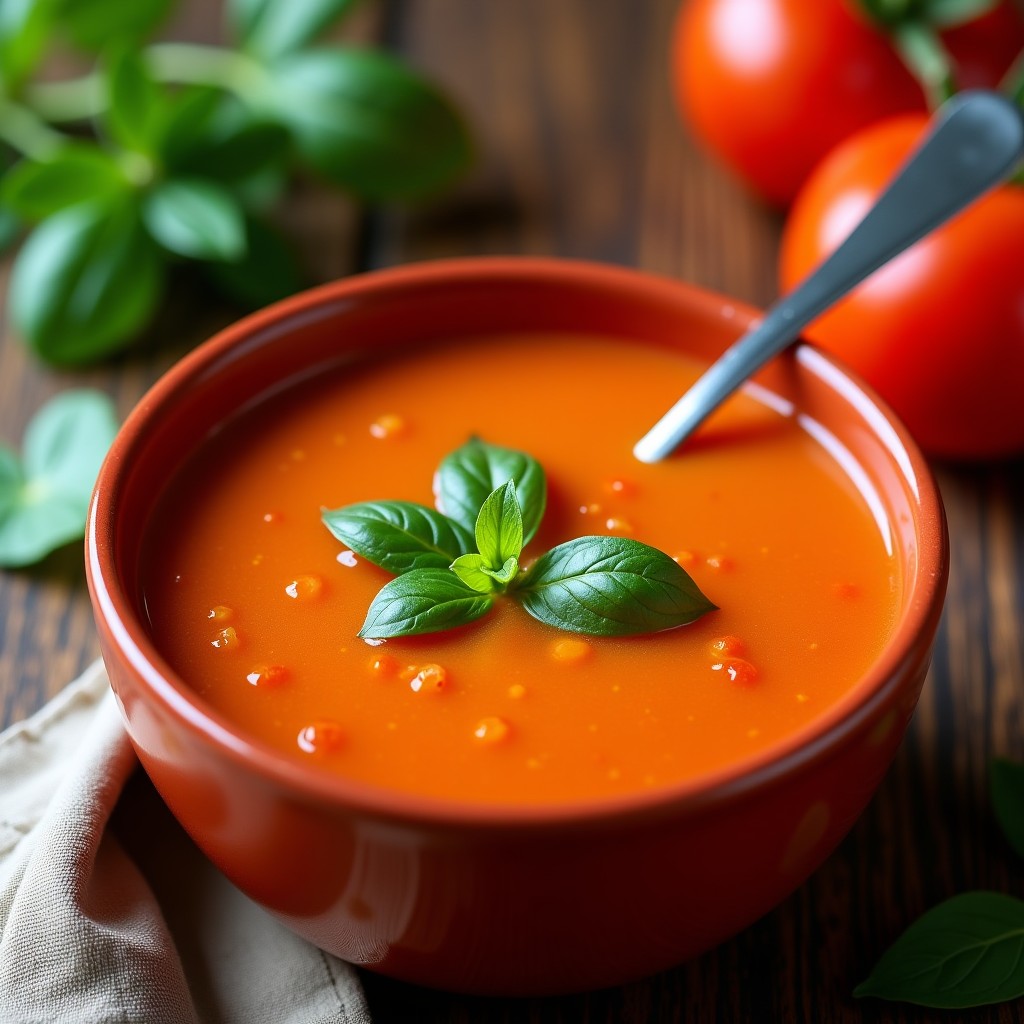
When you think of weight‑loss foods, a steaming bowl of tomato soup might not be the first thing that pops into mind. Yet, in my experience as a food journalist and nutrition researcher, this humble healthy soup has earned a spot at many tables across Delhi, Mumbai, and Bangalore for its comforting flavor and supportive nutrition profile. Below you’ll discover why tomato soup can be a smart ally in a balanced diet, how to boost its benefits, and practical tips that keep you coming back for more.
Table of Contents
- Quick Answer
- What Is Tomato Soup for Weight Loss?
- History or Background
- Nutritional Overview
- Health Benefits
- Why People Choose It
- Different Variations
- Best Ingredients
- How to Make It Better
- Common Mistakes
- Expert Tips
- When to Eat It
- Who Should Eat It
- Who Should Avoid It
- How It Fits Into a Healthy Lifestyle
- Buying Tips
- Serving Suggestions
- Storage Tips
- Frequently Asked Questions
- Conclusion
Quick Answer
Tomato soup for weight loss works because it’s low in calories, high in water and fiber, and packed with antioxidants that support metabolism and digestive health. A typical cup provides about 80–100 calories, making it an ideal light meal or healthy lunch when paired with a protein source.
What Is Tomato Soup for Weight Loss?
At its core, tomato soup for weight loss is a vegetarian soup that emphasizes fresh, whole‑food ingredients—ripe tomatoes, aromatic herbs, and a splash of healthy fats—while keeping added sugars and heavy creams to a minimum. The goal is to create a nutritious meal that satisfies cravings without derailing a calorie‑controlled plan.
History or Background
Tomato soup has a surprisingly global pedigree. In the United States, Campbell’s introduced the first commercial version in 1895, but the concept of simmering tomatoes into a broth dates back to medieval Italy. In India, traditional households have long simmered ripe tomatoes with spices like cumin, mustard seeds, and curry leaves, turning the dish into a fragrant Indian soup that doubles as a comfort food and a digestive aid.
Nutritional Overview
- Calories: 80–100 per cup (depending on added oil)
- Protein: 2–3 g
- Carbohydrates: 12–15 g (mostly from natural sugars)
- Fiber: 2–3 g, supporting satiety and gut health
- Vitamins & Minerals: Vitamin C, potassium, lycopene, and folate
Because the soup is water‑rich, it helps keep you hydrated—a subtle but often overlooked factor in weight management.
Health Benefits
Many nutrition experts recommend tomato soup as a regular part of a healthy lifestyle. Here are a few ways it may help you on your journey:
- Low‑calorie density: Fills the stomach with volume while delivering few calories.
- Lycopene power: This antioxidant is linked to improved metabolic function and reduced inflammation.
- Fiber boost: Supports digestive health and steadier blood‑sugar levels.
- Immune‑supporting foods: Vitamin C and zinc help keep the immune system robust.
- Hydration: A warm broth contributes to daily fluid intake, which can curb overeating.
Why People Choose It
Beyond the numbers, people love tomato soup because it’s quick, comforting, and versatile. “Sometimes the simplest soups are the most nourishing,” my grandmother used to say, and she was right—one pot, a few pantry staples, and you have a meal that feels indulgent without the guilt.
Different Variations
From a classic cream‑free version to a spiced Indian style, the soup adapts to regional tastes and dietary needs. Below are three popular twists you might find near me in Mumbai or Delhi:
- Classic Italian: Tomatoes, garlic, basil, a drizzle of olive oil.
- Indian Masala: Tomatoes, cumin, mustard seeds, curry leaves, a hint of ginger.
- Roasted Red Pepper: Adds roasted bell peppers for extra sweetness and vitamin C.
Best Ingredients
Choosing the right components makes all the difference. Fresh, ripe tomatoes are the star—look for deep red, slightly soft fruits. Pair them with these allies:
- Olive oil: A tablespoon adds healthy monounsaturated fats.
- Onion & garlic: Provide flavor and prebiotic fiber.
- Spices: Cumin, black pepper, and a pinch of turmeric for anti‑inflammatory benefits.
- Fresh herbs: Basil, cilantro, or mint for aroma and extra nutrients.
- Vegetable broth: Low‑sodium, preferably homemade, for depth without excess salt.
How to Make It Better
Even a seasoned cook can elevate a simple soup. Follow these steps for a restaurant‑quality bowl that supports weight loss:
- Roast the tomatoes: Halve them, drizzle with a teaspoon of olive oil, and roast at 200 °C for 20 minutes. Roasting deepens flavor and reduces the need for added salt.
- Sauté aromatics: In a pot, heat a splash of oil, add diced onion and minced garlic until translucent.
- Combine and simmer: Add the roasted tomatoes, spices, and broth. Let it bubble gently for 10 minutes.
- Blend: Use an immersion blender for a silky texture. If you prefer a chunkier feel, blend half and leave the rest whole.
- Finish with a dash: A squeeze of lemon juice brightens the soup and adds a touch of vitamin C.
Pro tip: Add a handful of spinach or kale at the end for extra greens without many calories.
Common Mistakes
Even a well‑intentioned kitchen can slip into habits that sabotage the weight‑loss goal:
- Over‑adding cream: While it makes the soup richer, it also spikes calories. Stick to a tablespoon of coconut milk if you need creaminess.
- Using canned tomatoes with added sugar: Opt for “no‑salt, no‑sugar added” varieties or fresh tomatoes.
- Skipping seasoning: A bland soup may leave you unsatisfied, prompting extra snacking.
Expert Tips
Many nutrition experts recommend pairing tomato soup with a protein source to keep blood‑sugar stable. A side of grilled paneer, a boiled egg, or a sprinkle of roasted chickpeas adds satiety without excessive carbs.
Also, remember that “fresh ingredients generally retain better flavor when added at the end of cooking.” Toss in fresh basil or cilantro just before serving for a burst of aroma.
When to Eat It
Tomato soup shines as a healthy dinner after a busy day, but it can also serve as a light lunch or even a pre‑workout snack when paired with whole‑grain toast. Because it’s warm and soothing, it’s especially comforting during monsoon season in Kolkata or the cooler evenings in Shimla.
Who Should Eat It
Anyone looking for a plant‑based, low‑calorie meal can enjoy this soup. It’s ideal for vegetarians, vegans (use plant‑based broth), and those following a balanced diet that emphasizes whole foods and seasonal vegetables.
Who Should Avoid It
People with severe tomato allergies or those on a low‑potassium diet (e.g., certain kidney conditions) should limit intake. As always, consult a healthcare professional if you have specific medical concerns.
How It Fits Into a Healthy Lifestyle
In the grand tapestry of wellness, tomato soup is a thread that ties together hydration, nutrition, and satisfaction. It can be part of a weekly meal‑prep routine, helping you stay on track with your weight‑loss goals while still enjoying flavorful meals.
Buying Tips
If you’re shopping near me in Delhi’s Sarojini Nagar market or Mumbai’s Crawford market, look for:
- Firm, deep‑red tomatoes with no cracks.
- Organic or pesticide‑free produce when possible.
- Low‑sodium vegetable broth or make your own using fresh herbs.
Fresh herbs should be bright green, not wilting, as they lose potency quickly.
Serving Suggestions
Serve the soup in a shallow bowl, drizzle a teaspoon of extra‑virgin olive oil, and garnish with a sprinkle of toasted pumpkin seeds for crunch and extra fiber. Pair it with a slice of whole‑grain toast or a small side salad of cucumber and mint for a complete healthy lunch.
Storage Tips
Cool the soup to room temperature before transferring to airtight containers. It keeps well in the refrigerator for up to four days. For longer storage, freeze in portion‑sized bags for up to three months. Thaw gently on the stove and give it a quick stir before serving.
Frequently Asked Questions
What makes tomato soup good for weight loss?
Tomato soup is low in calories but high in water and fiber, which helps you feel full longer. The lycopene and vitamin C also support metabolism and immune health, making it a smart choice for a balanced diet.
Can I add cream to my tomato soup and still lose weight?
A small amount of cream or coconut milk can add richness, but it also adds calories. Stick to one tablespoon per serving, or use a plant‑based milk alternative to keep the soup light.
Is homemade tomato soup healthier than canned?
Generally, yes. Homemade versions let you control sodium, sugar, and additives, while fresh tomatoes retain more nutrients than many canned varieties.
How many calories are in a typical bowl?
A standard one‑cup serving contains roughly 80–100 calories, depending on the amount of oil and any added cream.
Can I make tomato soup ahead of time?
Absolutely. It stores well in the fridge for four days and freezes for up to three months. Reheat gently on the stove to preserve the fresh flavor.
Is tomato soup suitable for vegans?
Yes, as long as you use a vegetable broth and avoid dairy. Coconut milk or oat cream are excellent vegan alternatives.
Does tomato soup help with digestion?
The fiber in tomatoes, combined with warm broth, can aid digestive health and promote regularity, especially when paired with probiotic foods.
Can I add protein to the soup?
Adding beans, lentils, or a scoop of Greek yogurt (if you’re not vegan) boosts protein, making the soup more satiating and balanced.
What spices boost the health benefits?
Cumin, turmeric, and black pepper not only enhance flavor but also add anti‑inflammatory compounds that complement the antioxidants in tomatoes.
Is tomato soup safe for children?
Yes, it’s a gentle, nutritious option for kids. Just ensure the temperature is appropriate and avoid adding excessive salt.
Conclusion
Tomato soup for weight loss isn’t a gimmick; it’s a time‑tested, plant‑based dish that blends flavor, nutrition, and comfort. By choosing fresh ingredients, watching portions, and pairing the soup with protein or whole grains, you can create a satisfying meal that supports a healthy lifestyle and keeps cravings at bay.
Ready to explore more? Dive into our collection of wholesome vegetarian soups and discover how a simple bowl can become the cornerstone of your wellness journey.
Explore our soup menu | Learn about our philosophy | Find a location near you | Get in touch | Read more healthy recipes
For scientific backing on the benefits of lycopene and antioxidants, see the World Health Organization’s nutrition guidelines: who.int.