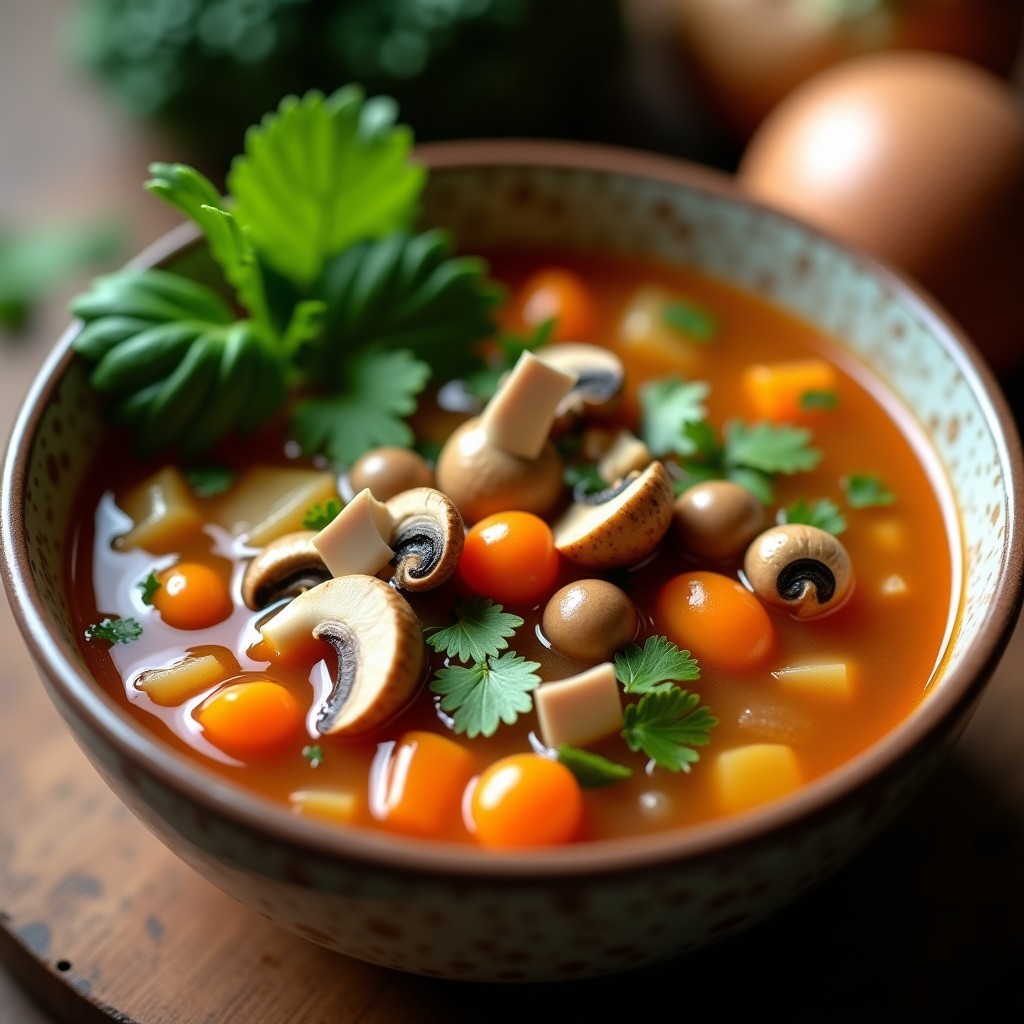
When you hear Mushroom vs Vegetable Soup, the mind instantly pictures a steaming bowl of comfort. But is the earthy depth of mushrooms really better than the bright, garden‑fresh punch of mixed vegetables? In my years as a food journalist and a nutrition researcher, I’ve tasted both sides of this tasty debate in bustling Delhi markets, quiet Bangalore cafés, and family kitchens across India. Below you’ll find a practical, science‑backed guide that helps you decide which soup fits your palate, your health goals, and your local pantry.
Table of Contents
- Quick Answer
- What Is Mushroom vs Vegetable Soup?
- History or Background
- Nutritional Overview
- Health Benefits
- Why People Choose It
- Different Variations
- Best Ingredients
- How to Make It Better
- Common Mistakes
- Expert Tips
- When to Eat It
- Who Should Eat It
- Who Should Avoid It
- How It Fits Into a Healthy Lifestyle
- Buying Tips
- Serving Suggestions
- Storage Tips
- Frequently Asked Questions
- Conclusion
Quick Answer
If you crave a silky, umami‑rich broth that feels indulgent yet stays light, mushroom soup usually takes the lead. If you prefer a bright, fiber‑packed bowl that showcases seasonal produce, a vegetable soup wins. Both can be part of a healthy lifestyle, and the best choice often depends on the occasion, your nutritional needs, and what’s fresh near you.
What Is Mushroom vs Vegetable Soup?
At its core, the comparison is simple: a mushroom‑centric broth versus a medley of vegetables. Yet the nuance lies in the ingredients, cooking techniques, and cultural twists. Mushroom soup typically leans on sautéed mushrooms, a stock base, and sometimes a splash of cream or coconut milk for richness. Vegetable soup, on the other hand, can be a kaleidoscope of carrots, beans, tomatoes, leafy greens, and herbs, simmered until the flavors meld.
History or Background
In Indian households, the tradition of simmering vegetables into a thin, spiced broth dates back centuries. Ayurvedic texts mention “shorba” – a light, digestive soup made with seasonal produce. Mushrooms, however, entered the Indian palate more recently, thanks to colonial trade routes and the rise of gourmet cafés in metros like Mumbai and Bengaluru. Today, you’ll find mushroom‑based soups on the menu of upscale restaurants while street‑side stalls still serve hearty vegetable shorbas.
Nutritional Overview
Both soups are low‑calorie, but they shine in different nutrient categories.
- Mushroom Soup: Rich in B‑vitamins (especially riboflavin and niacin), selenium, and antioxidants like ergothioneine. A cup can provide up to 15% of the daily iron requirement.
- Vegetable Soup: Packed with fiber, vitamin C, potassium, and phytonutrients. Depending on the veggies, a single serving may deliver 30% of your recommended daily fiber.
When you blend them together, you get a powerhouse of plant‑based nutrition that supports immune‑supporting foods and digestive health.
Health Benefits
Many nutrition experts recommend incorporating both types into a balanced diet. Here are some of the top benefits:
- Supports immune health through beta‑glucans in mushrooms and vitamin C in tomatoes.
- Promotes digestive health thanks to fiber‑rich vegetables and prebiotic compounds in certain mushroom varieties.
- Helps maintain a healthy weight as both soups are low in calories yet filling.
- Provides antioxidant protection that may reduce oxidative stress.
In my experience, a warm bowl after a brisk morning walk feels like a gentle reset for the gut.
Why People Choose It
People pick mushroom soup when they want a velvety texture without adding heavy cream. It’s especially popular among those following a plant‑based diet but craving a “meaty” mouthfeel. Vegetable soup wins for those seeking a quick, nutrient‑dense lunch that uses whatever is in the fridge – a true seasonal vegetables champion.
Different Variations
Across India, you’ll encounter regional spins:
- North Indian mushroom shorba: Often flavored with cumin, coriander, and a hint of garam masala.
- South Indian tomato‑onion vegetable rasam: Light, tangy, and perfect with rice.
- Goan coconut mushroom soup: Creamy, with coconut milk and a dash of green chilies.
- Kerala vegetable stew: Slow‑cooked with coconut, curry leaves, and mustard seeds.
These variations prove that both soups can be traditional Indian or globally inspired, depending on the spices you reach for.
Best Ingredients
Choosing the right components makes all the difference. Below is a quick checklist for a nutrient‑dense bowl.
- Mushrooms: Cremini, shiitake, button, or oyster – each brings a unique umami level.
- Vegetables: Carrots, spinach, zucchini, bell peppers, and tomatoes – aim for a rainbow of colors.
- Broth: Homemade vegetable stock or mushroom broth for depth.
- Herbs & Spices: Thyme, bay leaf, cumin, ginger, and fresh cilantro.
- Healthy Fats: A drizzle of extra‑virgin olive oil or a spoonful of coconut milk.
Fresh ingredients make all the difference, especially when you shop at local markets near you in Mumbai or Hyderabad.
How to Make It Better
Even a simple soup can be elevated with a few pro tricks:
- Roast the mushrooms: Toss them with a pinch of salt and olive oil, then roast at 200 °C for 15 minutes. This intensifies the umami.
- Deglaze with wine or soy sauce: Adds depth without extra sodium.
- Blend partially: For a creamy texture without dairy, blend half the soup and stir back in.
- Finish with a splash of acidity: A squeeze of lemon or a dash of apple cider vinegar brightens the flavor.
These small steps turn a regular bowl into a restaurant‑quality experience.
Common Mistakes
Here are pitfalls I see often, especially among beginners:
- Over‑cooking mushrooms – they become rubbery and lose their nutrients.
- Using too much water – results in a watery broth that lacks body.
- Skipping the sauté step – you miss out on caramelized flavors that build depth.
- Neglecting seasoning – a pinch of salt early on helps extract flavors from vegetables.
Avoiding these errors ensures a satisfying, fiber‑rich soup every time.
Expert Tips
From my dual perspective as a journalist and nutrition researcher, I recommend:
- Incorporate a handful of leafy greens in the last 5 minutes of cooking to preserve vitamins.
- Use a pressure cooker for a faster, nutrient‑preserving method – especially handy for busy weekdays.
- Season with spices that aid digestion, like fennel seeds or asafoetida, for an extra wellness boost.
These tips keep the soup wholesome and aligned with a balanced diet.
When to Eat It
A light mushroom broth works beautifully as a starter before a heavy Indian thali. A hearty vegetable soup, loaded with beans and lentils, can serve as a main course for a healthy lunch or a light dinner on a rainy evening. Pair it with whole‑grain toast for extra fiber.
Who Should Eat It
Anyone looking for a nutritious meal can enjoy these soups. They are especially suitable for:
- Vegetarians and vegans seeking protein‑rich mushrooms.
- Fitness enthusiasts needing post‑workout recovery foods.
- Elderly individuals who need easy‑to‑digest, nutrient‑dense options.
Who Should Avoid It
If you have a known mushroom allergy, steer clear of mushroom‑based soups. People on low‑potassium diets (often advised for certain kidney conditions) should monitor the amount of tomatoes and potatoes in vegetable soups. Always consult a healthcare professional for personalized advice.
How It Fits Into a Healthy Lifestyle
Both soups are perfect examples of whole foods that support a healthy lifestyle. They can be part of a healthy dinner plan, a light meal before a workout, or a soothing snack during a busy work‑from‑home day. Because they’re low in calories yet high in micronutrients, they help maintain energy levels without the crash.
Buying Tips
When you shop for ingredients near you, keep these pointers in mind:
- Choose mushrooms that are firm, dry, and free of dark spots.
- Pick vegetables that are crisp, brightly colored, and free of bruises.
- Consider buying organic produce from local farms in Delhi’s farmer’s market for the freshest flavor.
- Store broth in glass jars to avoid plastic leaching.
Freshness translates directly into taste and nutrition.
Serving Suggestions
Serve mushroom soup with a drizzle of truffle oil and toasted sourdough for an upscale feel. Pair vegetable soup with a side of quinoa‑pulao or a sprouted lentil salad for a protein boost. Looking for more ideas? Check out our menu for complementary dishes.
Storage Tips
Both soups store well:
- Refrigerate in airtight containers for up to 4 days.
- Freeze in portion‑size bags for up to 3 months – just thaw and reheat gently.
- Avoid reheating more than once to preserve nutrient integrity.
Label each container with the date; it saves you from the “guess‑the‑freshness” dilemma.
Frequently Asked Questions
- What is mushroom soup?
- Mushroom soup is a broth‑based dish where sautéed mushrooms are simmered with stock, herbs, and often a touch of cream or coconut milk to create a velvety, umami‑rich bowl.
- Is vegetable soup healthy?
- Yes, vegetable soup is typically low in calories, high in fiber, and packed with vitamins and minerals from a variety of fresh produce.
- Can I make mushroom soup dairy‑free?
- Absolutely. Use coconut milk, almond milk, or simply blend the soup for a creamy texture without dairy.
- How many calories are in a cup of vegetable soup?
- On average, a cup contains 80‑120 calories, depending on the ingredients and whether oil or cream is added.
- Which soup is better for weight loss?
- Both can support weight loss when portion‑controlled. Mushroom soup offers a richer mouthfeel with fewer carbs, while vegetable soup provides more fiber, which promotes satiety.
- Do mushrooms have protein?
- Yes, mushrooms contain about 3 grams of protein per 100 grams, making them a valuable protein source for vegetarians.
- Can I add lentils to vegetable soup?
- Adding lentils boosts protein and fiber, turning a light soup into a hearty, balanced meal.
- Is mushroom soup safe for kids?
- Yes, as long as the mushrooms are well‑cooked and the soup is seasoned mildly, it’s a kid‑friendly option.
- How long does homemade soup stay fresh?
- Refrigerated soup stays good for 3‑4 days; frozen soup retains quality for up to 3 months.
- Where can I find mushroom recipes near me?
- Local cafés in Bangalore and Mumbai often feature mushroom‑based soups on their seasonal menus. Check online listings or visit our branches for the latest offerings.
Conclusion
Choosing between mushroom and vegetable soup isn’t about picking a winner; it’s about matching flavor, nutrition, and convenience to your day. Whether you’re craving the earthy depth of mushrooms or the bright, fiber‑filled goodness of mixed vegetables, both soups can anchor a healthy lunch or a comforting dinner. Experiment with local, seasonal produce, try the pro tips above, and you’ll discover a new favorite that supports your wellness journey.
Ready to explore more wholesome, plant‑based soups? Dive into our collection of healthy vegetarian soups and keep your bowl both nourishing and exciting.