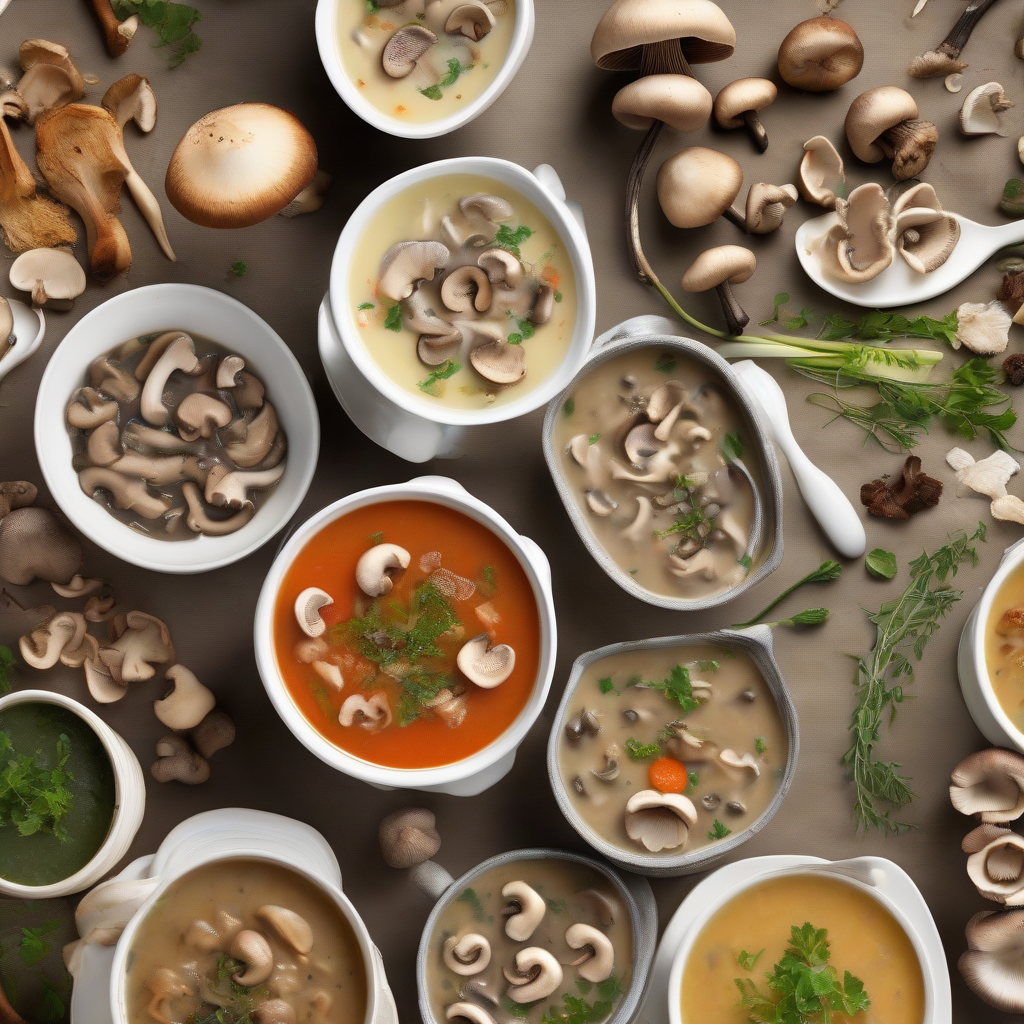
In my kitchen, the humble mushroom has become a star player. Whether it’s a rainy evening in Mumbai or a brisk morning in Bangalore, a bowl of mushroom‑laden soup feels like a warm hug. Below you’ll find everything you need to master healthy mushroom recipes that fit a healthy lifestyle and delight the whole family.
Table of Contents
- Quick Answer
- What Is Healthy Mushroom Recipes?
- History and Cultural Roots
- Health Benefits
- Why People Choose Healthy Mushroom Recipes
- Different Variations
- Best Ingredients for Flavor and Nutrition
- How to Make It Better
- Common Mistakes to Avoid
- Expert Tips from Chefs and Nutritionists
- When to Enjoy Mushroom Soups
- Who Should Include These Soups
- Who Might Need Caution
- How It Fits Into a Healthy Lifestyle
- Buying Tips for Fresh Mushrooms
- Serving Suggestions
- Storage Tips
- Frequently Asked Questions
- Conclusion
Quick Answer
What are healthy mushroom recipes? They are soups or stews that use fresh mushrooms as the main protein‑rich, fiber‑rich ingredient, combined with seasonal vegetables, herbs, and wholesome broth. The result is a nutritious meal that supports immune‑supporting foods and digestive health.
What Is Healthy Mushroom Recipes?
At its core, a healthy mushroom recipe is a vegetarian soup that leverages the umami depth of mushrooms while keeping the calorie count modest. Think of it as a bridge between traditional Indian flavors and modern plant‑based nutrition.
History and Cultural Roots
Traditional Indian households have long simmered mushrooms with spices for a comforting traditional soup. In the hills of Himachal Pradesh, wild shiitake and oyster mushrooms were dried in the sun and rehydrated into hearty broths during winter. Over the past decade, global food trends have lifted these humble fungi onto the world stage, and today they appear in everything from Thai tom yum to Italian risotto.
Nutritional Overview
- Protein: 3 g per 100 g fresh mushroom
- Fiber: 1 g per 100 g, supporting digestive health
- Vitamins: B‑complex, D (when exposed to sunlight)
- Minerals: Selenium, potassium, copper
- Low in fat and calories, making it ideal for a light meal
Because mushrooms are a whole food, they blend seamlessly into a balanced diet. Pair them with seasonal vegetables and a splash of coconut milk, and you’ve got a bowl that’s both filling and nutrient dense.
Health Benefits
Many nutrition experts recommend mushroom soups for their potential to support immunity and promote a feeling of wellness. The selenium in button mushrooms acts as an antioxidant, while the beta‑glucans may help modulate the immune response. Combined with fiber, these soups can aid in steady blood‑sugar levels, making them a smart choice for a healthy lunch or dinner.
Why People Choose Healthy Mushroom Recipes
People gravitate toward these soups for three main reasons:
- Flavor: The natural umami reduces the need for excess salt.
- Convenience: One‑pot meals are quick, especially when you have pre‑sliced mushrooms on hand.
- Nutrition: They are plant‑based, fiber‑rich, and fit neatly into a healthy lifestyle.
Different Variations
From a creamy cream‑of‑mushroom to a spicy mushroom rasam, the possibilities are endless. Here are a few fan‑favorites:
- Shiitake & Spinach Soup: A light broth with ginger, garlic, and a splash of lemon.
- Masala Mushroom Stew: Tomatoes, cumin, coriander, and a pinch of garam masala for an Indian twist.
- Thai Coconut Mushroom Soup: Coconut milk, kaffir lime leaves, and chilies for a fragrant kick.
Best Ingredients for Flavor and Nutrition
Choosing the right components can elevate a simple pot of soup into a restaurant‑quality dish.
- Mushrooms: Button, cremini, shiitake, oyster, or the exotic lion’s mane.
- Broth: Homemade vegetable stock or low‑sodium mushroom broth.
- Seasonal Vegetables: Carrots, cauliflower, kale, or pumpkin—whatever is fresh at the market.
- Herbs & Spices: Thyme, rosemary, cumin, turmeric, and fresh cilantro.
- Healthy Fats: A drizzle of cold‑pressed olive oil or a spoonful of coconut milk.
How to Make It Better
Fresh soup tastes better when you follow a few simple tricks:
- Sauté mushrooms first to develop a deep, caramelized flavor.
- Add a splash of dry white wine or sherry before the broth for acidity.
- Finish with a handful of fresh herbs right before serving to preserve their bright notes.
Healthy eating doesn’t have to be complicated. A quick stir‑fry of mushrooms and garlic can turn an ordinary broth into a gourmet experience.
Common Mistakes to Avoid
Even seasoned cooks slip up. Here are the pitfalls I see most often:
- Overcooking mushrooms, which makes them rubbery.
- Using canned broth loaded with sodium, which defeats the purpose of a healthy soup.
- Skipping the deglazing step, losing out on flavor layers.
Expert Tips from Chefs and Nutritionists
In my experience, the secret to a silky texture is to blend only half of the soup, leaving some chunks for texture. Nutritionists also suggest pairing mushrooms with a source of vitamin C (like lemon juice) to enhance iron absorption.
When to Enjoy Mushroom Soups
These soups are versatile:
- Healthy lunch: A light bowl with a side of whole‑grain toast.
- Healthy dinner: Serve as a starter before a protein‑rich main.
- Post‑workout: Replenish electrolytes with a pinch of sea salt.
Who Should Include These Soups
Anyone looking for a plant‑based source of protein and fiber can benefit. Vegetarians, vegans (use coconut or almond milk), and those managing weight find these soups especially satisfying.
Who Might Need Caution
If you have a known mushroom allergy, avoid these recipes. People on blood‑thinning medication should monitor their intake of vitamin K‑rich mushrooms and consult a healthcare professional.
How It Fits Into a Healthy Lifestyle
Integrating mushroom soups into your weekly menu supports a balanced diet. Pair a bowl with a side salad of leafy greens and nuts for a complete, nutrient‑dense meal. Many wellness coaches recommend a soup‑based lunch on busy workdays to keep energy steady.
Buying Tips for Fresh Mushrooms
When you’re searching for healthy mushroom recipes near me in New Delhi, keep these pointers in mind:
- Look for firm caps without dark spots.
- Smell the mushrooms; they should have an earthy, fresh aroma.
- If buying in bulk, store them in a paper bag in the fridge to keep them dry.
Serving Suggestions
Serve your soup in a rustic bowl with a sprinkle of toasted pumpkin seeds for crunch. A drizzle of truffle oil adds luxury without extra calories. Pair with whole‑grain naan or a slice of rye bread for a satisfying healthy dinner.
Storage Tips
Cool the soup to room temperature, then refrigerate in an airtight container for up to three days. For longer storage, freeze in portion‑size bags; the texture holds up well after reheating on low heat.
Frequently Asked Questions
What is mushroom soup? Mushroom soup is a liquid dish where mushrooms are the primary ingredient, simmered with broth, vegetables, and seasonings to create a flavorful, often creamy, soup.
Are mushroom soups low in calories? Generally, yes. A typical serving contains 100‑150 calories, depending on added fats or creams, making it ideal for light meals.
Can I use dried mushrooms? Absolutely. Rehydrate dried mushrooms in warm water, then use both the mushrooms and soaking liquid for extra depth.
Is mushroom soup suitable for vegans? It can be, as long as you use plant‑based broth and dairy‑free milk alternatives like coconut or oat milk.
How long can I keep mushroom soup in the fridge? Store it in a sealed container for 3‑4 days. Reheat gently to preserve texture.
Do mushrooms contain gluten? No, fresh mushrooms are naturally gluten‑free, making them safe for those with celiac disease.
Conclusion
Healthy mushroom recipes offer a delicious pathway to wellness and comfort. By choosing fresh, seasonal ingredients and following a few expert tips, you can create soups that nourish the body and soothe the soul. Ready to explore more? Visit our menu for a range of vegetarian soups, check out the about us page to learn about our culinary philosophy, and dive into our blog for fresh ideas. For more scientific insight, see the Mushroom Wikipedia page. Happy cooking, and may your next bowl be as vibrant as the season!