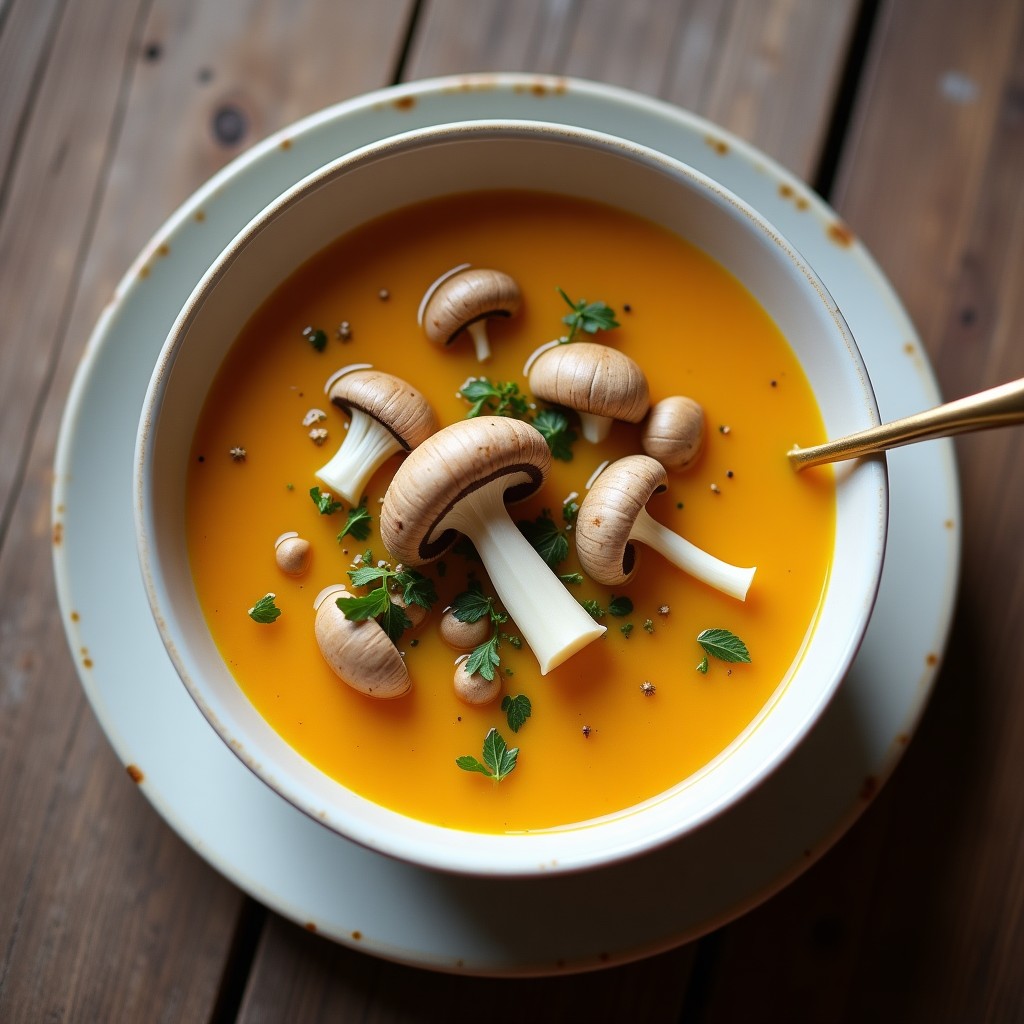
When I first introduced my 5‑year‑old to a creamy bowl of mushroom soup, his eyes lit up the way they do for any food that looks like a warm hug. Mushroom Soup for Kids isn’t just a way to sneak vegetables onto a plate; it’s a gentle gateway to plant‑based nutrition that fits perfectly into a balanced diet. Below you’ll find everything a busy parent, a curious caregiver, or a health‑conscious teacher needs to know – from the science behind the nutrients to simple tips that make the soup a star at any lunchbox.
Table of Contents
- Quick Answer
- What Is Mushroom Soup for Kids?
- History or Background
- Nutritional Overview
- Health Benefits
- Why People Choose It
- Different Variations
- Best Ingredients
- How to Make It Better: Pro Tips for Mushroom Soup for Kids
- Common Mistakes to Avoid
- Expert Tips from Nutrition Researchers
- When to Eat It
- Who Should Eat It
- Who Should Avoid It (When Medically Appropriate)
- How It Fits Into a Healthy Lifestyle
- Buying Tips
- Serving Suggestions
- Storage Tips
- Frequently Asked Questions
- Conclusion
Quick Answer
What is Mushroom Soup for Kids? It’s a mild, creamy (or broth‑based) soup made with fresh mushrooms, wholesome vegetables, and a touch of dairy or plant‑based milk, seasoned lightly so the flavor stays kid‑friendly. The soup supplies protein, fiber, B‑vitamins, and antioxidants, making it a great addition to a healthy lunch or dinner.
What Is Mushroom Soup for Kids?
In the simplest terms, this soup is a blend of sautéed mushrooms, carrots, onions, and a gentle broth that’s pureed to a smooth consistency. The goal is to keep the texture velvety and the taste mild, while preserving the natural goodness of the ingredients. Many families in Delhi and Bangalore serve it as a starter during weekend brunches, and schools in Mumbai are now adding it to their “healthy lunch” menus.
History or Background
Mushrooms have been part of Indian cuisine for centuries, especially in the North‑East where they’re called “chhatu”. Traditional Indian households have long prepared mushroom‑based gravies for festivals, but the idea of a light, blended soup is relatively modern, inspired by European “cream of mushroom” dishes. Over the last decade, health‑focused parents have adapted the recipe to suit younger palates, swapping heavy cream for low‑fat milk or coconut water to keep the soup light and digestible.
Nutritional Overview
One cup (≈240 ml) of homemade mushroom soup for kids typically provides:
- Calories: 80–110 kcal
- Protein: 4–6 g
- Fiber: 2–3 g
- Vitamin D: 10 % of the daily value (if fortified)
- Riboflavin (B2) and Niacin (B3): 15–20 % of the daily value
- Potassium: 200 mg
These numbers shift slightly depending on whether you use dairy or a plant‑based milk, but the core benefits remain the same – a nutrient‑dense, low‑calorie option that supports growth and immune health.
Health Benefits
Many nutrition experts recommend mushroom soup as an immune‑supporting food because mushrooms contain beta‑glucans, natural compounds that may help the body’s defense mechanisms. The fiber in the soup promotes digestive health, while the B‑vitamins aid energy metabolism – a win for active kids who need steady fuel for school and play. In my experience, children who regularly enjoy a bowl of this soup show fewer mid‑day energy crashes.
Why People Choose It
Parents often look for a healthy soup that feels like a treat. Mushroom soup checks several boxes:
- Vegetarian-friendly and easy to make dairy‑free.
- Uses whole foods – no artificial flavors or preservatives.
- Quick to prepare, perfect for busy weekdays.
- Adaptable to seasonal vegetables, making it a fresh soup year‑round.
Because the flavor is subtle, picky eaters tend to accept it more readily than stronger‑tasting soups.
Different Variations
While the classic version stays close to the original, you can experiment with these kid‑approved twists:
- Creamy Coconut Mushroom Soup – swap milk for coconut milk for a tropical note.
- Spiced Tomato‑Mushroom Blend – add a spoonful of tomato puree and a pinch of mild paprika.
- Herb‑Infused Mushroom Soup – finish with fresh dill or coriander for a fragrant lift.
All these options keep the soup light and nutritious, while letting you tailor the taste to your child’s preferences.
Best Ingredients
Choosing the right components makes the difference between a bland broth and a soup that sings. Here’s a quick checklist you can keep on your fridge:
- Fresh mushrooms – button, cremini, or shiitake work well; look for firm caps and no dark spots.
- Seasonal vegetables – carrots, peas, and sweet potatoes add natural sweetness.
- Low‑sodium vegetable broth – homemade broth is best for controlling salt.
- Healthy fat – a drizzle of olive oil or a knob of ghee adds richness without heaviness.
- Milk or plant‑based alternative – skim milk, almond milk, or oat milk keep the soup creamy.
- Gentle seasonings – a pinch of salt, a dash of pepper, and a sprinkle of fresh herbs.
Fresh ingredients generally retain better flavor when you add them at the end of cooking, especially herbs.
How to Make It Better: Pro Tips for Mushroom Soup for Kids
Even a simple soup can be elevated with a few kitchen tricks:
- Roast the mushrooms first. A quick 5‑minute roast on high heat brings out a deeper umami flavor that kids love.
- Blend in stages. Pulse the soup half‑way, then finish with a hand blender for a smoother texture.
- Finish with a splash of lemon. A tiny squeeze brightens the palate without adding acidity.
- Cool before serving. Let the soup sit for a few minutes; the flavors meld and the temperature becomes perfect for little mouths.
These tips turn an ordinary bowl into a memorable meal that feels special.
Common Mistakes to Avoid
When you’re in a rush, it’s easy to slip into habits that dull the soup’s appeal. Here are the most frequent errors:
- Over‑salting. Kids’ kidneys are still developing; a pinch is enough.
- Using canned mushrooms. They’re often packed in sodium and lose their fresh texture.
- Skipping the blend. A grainy texture can turn picky eaters away.
- Cooking at too high a heat. This can break down the delicate nutrients in the vegetables.
Correcting these small details makes a big difference in taste and nutrition.
Expert Tips from Nutrition Researchers
Many nutrition experts recommend pairing mushroom soup with a source of vitamin C to boost iron absorption. A side of orange slices or a small glass of fortified plant milk works wonders. Also, remember that “whole foods” are the foundation of any healthy lifestyle – the simpler the ingredient list, the better the outcome.
When to Eat It
Because it’s light yet filling, mushroom soup fits nicely into several meal slots:
- Mid‑morning snack – a small cup paired with whole‑grain crackers.
- Lunchbox addition – serve warm or at room temperature with a side of cheese cubes.
- Evening dinner – start the meal with a bowl to curb appetite and encourage mindful eating.
Kids often enjoy it after school when they need a gentle “re‑fuel” before homework.
Who Should Eat It
This soup is suitable for:
- Vegetarian children looking for protein and iron.
- Kids with mild dairy intolerance (use almond or oat milk).
- Families seeking a fiber‑rich option for digestive health.
- Children who need a warm, comforting meal during colder months.
Who Should Avoid It (When Medically Appropriate)
Most children can enjoy mushroom soup safely, but consider these scenarios:
- Children with a known mushroom allergy should skip it.
- Kids on a low‑potassium diet (e.g., certain kidney conditions) may need to limit portion size.
- Those on strict low‑sodium diets should use a no‑salt broth.
Always consult a pediatrician if you’re unsure.
How It Fits Into a Healthy Lifestyle
In my experience, incorporating a weekly bowl of Mushroom Soup for Kids helps create a habit of choosing whole foods over processed snacks. Pair it with a colorful salad or a whole‑grain roll, and you have a balanced meal that supports growth, concentration, and immune health. It’s also a great way to introduce children to the concept of seasonal eating – swap carrots for pumpkin in October, or add peas in spring.
Buying Tips
When you shop for mushrooms, keep these pointers in mind:
- Choose mushrooms that are firm, dry, and free of bruises.
- If buying in bulk, store them in a paper bag in the refrigerator – they stay fresh longer.
- Look for organic options if possible; they tend to have lower pesticide residues.
- For a local touch, visit farmer’s markets in Bangalore or Delhi – you’ll often find heirloom varieties that add extra flavor.
Serving Suggestions
Make the soup feel festive with simple add‑ons:
- Top with a swirl of yogurt and a sprinkle of chives.
- Serve alongside mini whole‑grain naan or toasted sourdough bites.
- Garnish with toasted pumpkin seeds for a crunchy surprise.
These touches keep the meal interesting without adding processed ingredients.
Storage Tips
Leftover soup stays fresh for up to three days in the fridge. Store it in an airtight container and reheat gently on the stove or in the microwave, stirring frequently to avoid a skin forming on top. For longer storage, freeze in portion‑size containers; it thaws well and retains flavor for up to two months.
Frequently Asked Questions
- What age can kids start drinking mushroom soup?
- Most children can enjoy a mild mushroom soup from around 12 months onward, once they’re comfortable with soft textures. Start with a thin broth and gradually increase thickness as they get used to the flavor.
- Is mushroom soup gluten‑free?
- Yes, as long as you use a gluten‑free broth and avoid adding wheat‑based thickeners. Check labels on store‑bought broth to be safe.
- Can I use canned mushrooms?
- Fresh mushrooms give the best flavor and texture. Canned varieties often contain added sodium and can become mushy when blended.
- How much soup is a proper serving for a 4‑year‑old?
- A good portion is about ½ cup (≈120 ml). Pair it with a small protein source like cheese cubes or a boiled egg for a complete snack.
- Does mushroom soup help with colds?
- While it’s not a cure, the warm broth can soothe a sore throat, and the beta‑glucans in mushrooms may support the immune system as part of a balanced diet.
- Can I make this soup vegan?
- Absolutely. Use vegetable broth, plant‑based milk, and a drizzle of olive oil instead of butter. The result is just as creamy and kid‑friendly.
- Is mushroom soup high in protein?
- It provides moderate protein – about 4‑6 g per cup – which contributes to a child’s daily needs, especially when paired with other protein sources.
- How do I keep the soup from separating when reheated?
- Reheat slowly over low heat and stir constantly. Adding a splash of milk or water while warming helps maintain a smooth texture.
Conclusion
Whether you’re cooking for a toddler in Mumbai, a school lunch in Delhi, or a weekend brunch near you in Bangalore, Mushroom Soup for Kids offers a tasty, nutritious, and versatile option that fits seamlessly into a healthy lifestyle. By choosing fresh, whole ingredients and following a few simple techniques, you can turn a humble bowl of soup into a beloved staple that supports growth, immunity, and a love for wholesome foods.
Ready to explore more kid‑friendly, plant‑based soups? Visit our menu for a full range of vegetarian soups, check out the about us page to learn about our nutrition philosophy, or drop us a line via contact. Healthy eating doesn’t have to be complicated – start with a spoonful today.
For a deeper dive into the science of mushrooms, see the Wikipedia article on mushrooms.