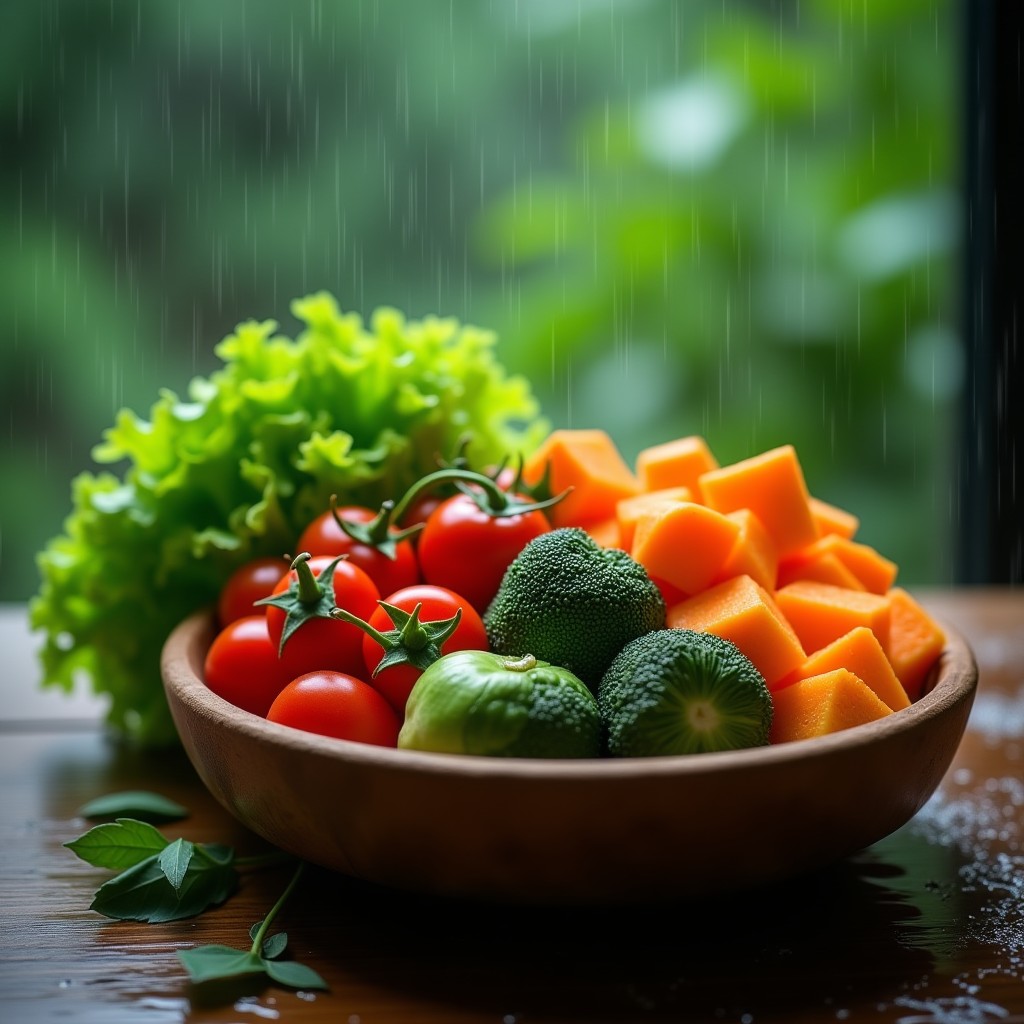
When the first drops start pattering in Mumbai or the mist rolls over the hills of Delhi, the craving for warm, comforting meals spikes. Healthy Foods During Rainy Season aren’t just about staying cozy; they’re about giving your body the right nutrients to thrive when humidity rises and immunity can dip. In my experience as a food journalist and nutrition researcher, the right bowl of soup or a plate of steamed veggies can make a rainy day feel like a wellness retreat.
Table of Contents
- Quick Answer
- What Is Healthy Foods During Rainy Season?
- History or Background
- Nutritional Overview
- Health Benefits
- Why People Choose It
- Different Variations
- Best Ingredients
- How to Make It Better
- Common Mistakes
- Expert Tips
- When to Eat It
- Who Should Eat It
- Who Should Avoid It
- How It Fits Into a Healthy Lifestyle
- Buying Tips
- Serving Suggestions
- Storage Tips
- Frequently Asked Questions
- Conclusion
Quick Answer
Healthy Foods During Rainy Season are nutrient‑dense, easy‑to‑digest meals—especially soups and stews—packed with seasonal vegetables, whole grains, and spices that support immune‑supporting foods and digestive health.
What Is Healthy Foods During Rainy Season?
Simply put, they are foods that are:
- Rich in vitamins C and A, zinc, and antioxidants.
- Light yet satisfying, preventing the heaviness that can linger in damp weather.
- Prepared with fresh, locally‑sourced produce that retains flavor and nutrients.
Think of a bowl of ginger‑garlic carrot soup or a millet‑based khichdi—each dish is a blend of taste, tradition, and science.
History or Background
Traditional Indian households have long prepared warming dishes during monsoon months. In the south, coconut‑based rasam is a staple; in the north, lentil‑laden dal with a dollop of ghee is common. These recipes weren’t just about flavor—they evolved to meet the body’s need for hydration, electrolytes, and easy digestion when the climate turns moist.
Nutritional Overview
Seasonal vegetables like pumpkin, bottle gourd, and leafy greens are at their peak during the rainy period. They supply:
- Fiber‑rich foods that aid digestive health.
- Plant‑based nutrition with essential minerals.
- Low‑glycemic carbs that keep energy steady.
When paired with whole grains such as brown rice, quinoa, or millets, the meals become balanced, providing a full spectrum of macro‑ and micronutrients.
Health Benefits
Eating the right foods when the weather is wet can:
- Support immune function through vitamin C‑rich fruits like amla and citrus.
- Maintain gut health thanks to probiotic‑friendly fermented items like curd.
- Reduce inflammation with turmeric, ginger, and garlic—spices that are traditionally believed to have anti‑inflammatory properties.
Many nutrition experts recommend these foods to help the body adapt to the humidity and fluctuating temperatures.
Why People Choose It
Beyond the obvious comfort, there’s a practical side. Light soups and steamed dishes are easier on the stomach, especially when you’re prone to feeling sluggish after a rainy day. Also, fresh ingredients generally retain better flavor when cooked quickly, preserving nutrients that might otherwise be lost in long‑term storage.
Different Variations
Across India, the monsoon menu varies:
- North: Warm dal makhani with a side of whole‑wheat roti.
- West (Mumbai): Coconut‑lime fish curry—though for a vegetarian twist, substitute paneer.
- East (Kolkata): Light mustard greens (sarson) soup with barley.
- South: Rasam made with tamarind and black pepper, served with brown rice.
All these dishes qualify as healthy foods during rainy season because they emphasize fresh produce, minimal oil, and spices that boost wellness.
Best Ingredients
Here are the star players you’ll want on hand:
- Seasonal vegetables: pumpkin, bottle gourd, carrots, spinach, fenugreek leaves.
- Whole grains: millets (ragi, bajra), brown rice, quinoa.
- Legumes: moong dal, masoor dal, chickpeas.
- Spices: turmeric, cumin, coriander, ginger, garlic.
- Herbs: cilantro, mint, curry leaves.
- Healthy fats: mustard oil, ghee (in moderation), coconut oil.
How to Make It Better
Even a classic soup can be upgraded:
- Start with a homemade stock. Boil vegetables and spices for 30 minutes; discard the solids for a clear base.
- Add a splash of lemon or tamarind. The acidity brightens flavors and aids digestion.
- Finish with a drizzle of cold‑pressed sesame oil. It adds a nutty aroma and healthy omega‑3s.
These simple steps turn an everyday bowl into a nutrient‑dense powerhouse.
Common Mistakes
When cooking for the monsoon, many fall into these traps:
- Over‑cooking vegetables, which destroys heat‑sensitive vitamins.
- Using too much oil, making the meal feel heavy.
- Relying on canned or frozen produce that may lack freshness.
Avoiding these pitfalls ensures your meals stay light, tasty, and truly nourishing.
Expert Tips
Nutritionists often suggest:
- Incorporate a pinch of black pepper with turmeric to enhance curcumin absorption.
- Use fermented foods like homemade achar (pickle) sparingly to boost gut flora.
- Season with fresh herbs just before serving to preserve their volatile oils.
When to Eat It
Warm soups are perfect for breakfast or lunch on a rainy morning, while a light dal or steamed vegetable bowl works well for dinner. Pair a bowl of soup with a small portion of whole‑grain toast for a balanced healthy lunch.
Who Should Eat It
Anyone looking to maintain a healthy lifestyle during monsoon can benefit—students, office workers, senior citizens, and even athletes who need quick recovery meals. The emphasis on plant‑based nutrition makes it ideal for vegetarians and vegans alike.
Who Should Avoid It
People with specific medical conditions—such as severe kidney disease—should monitor the intake of potassium‑rich vegetables like spinach. Always consult a healthcare professional if you have dietary restrictions.
How It Fits Into a Healthy Lifestyle
Integrating these meals into your daily routine supports a balanced diet and can be part of a weight‑management plan. The combination of fiber‑rich foods and low‑glycemic carbs helps keep blood sugar stable, which is crucial when you’re less active during rainy days.
Buying Tips
When you shop for monsoon ingredients:
- Choose firm, unblemished vegetables—avoid those with mold spots.
- Buy whole grains in airtight containers to prevent moisture absorption.
- Visit local farmers’ markets in Bengaluru or Pune for the freshest produce.
Serving Suggestions
Serve soups in a pre‑warmed bowl to keep them hot longer. Garnish with a sprinkle of roasted cumin powder and a few fresh coriander leaves for extra aroma. Pair with a side of whole‑grain crackers or a small salad of cucumber and yogurt.
Storage Tips
Cool soups quickly (within two hours) and store in airtight containers in the refrigerator for up to three days. Reheat gently on the stove—avoid microwave bursts that can break down delicate nutrients.
Frequently Asked Questions
What is Mushroom Soup?
Mushroom soup is a creamy broth made from sautéed mushrooms, onions, and vegetable stock, often finished with a splash of milk or coconut cream. It’s high in B‑vitamins and can be a comforting vegetarian option during the rainy season.
Is Tomato Soup Healthy?
Yes, tomato soup provides lycopene, vitamin C, and potassium. When prepared with minimal oil and fresh tomatoes, it fits well into a balanced diet and can support immune health.
Why is Herbal Soup Popular?
Herbal soups combine water‑soluble herbs like mint, coriander, and fenugreek with vegetables. The herbs add antioxidants and aid digestion, making these soups a favorite for those seeking light, soothing meals.
Can I Use Frozen Vegetables for Monsoon Soups?
Frozen vegetables are convenient, but fresh produce generally retains better flavor and nutrients. If you must use frozen, choose options without added sauces or salts.
How Much Soup Should I Eat in One Sitting?
A typical serving is about one to one and a half cups. Pair it with a small portion of protein or whole grains for a complete meal.
Is It Safe to Eat Leftover Soup After Two Days?
Leftover soup can be safely consumed within three days if stored properly in the fridge. Reheat until it reaches a rolling boil to eliminate any potential bacteria.
Do Spices Increase the Shelf Life of Soups?
Spices like turmeric and cumin have antimicrobial properties, but they don’t replace proper refrigeration. Always store soups in sealed containers.
What Are the Best Whole Grains for Rainy Season?
Millets (ragi, bajra), quinoa, and brown rice are excellent because they provide sustained energy and are less likely to become soggy in humid conditions.
Can I Add Dairy to My Soup?
Yes, a splash of low‑fat milk or a dollop of yogurt can add creaminess and calcium. For a vegan version, use coconut milk or almond milk.
How Do I Make Soup More Immune‑Supporting?
Include ingredients like ginger, garlic, lemon, and leafy greens. These foods are rich in antioxidants and may help support the body’s natural defenses.
Conclusion
Choosing Healthy Foods During Rainy Season is about more than staying warm; it’s about feeding your body with the right balance of nutrients, flavors, and traditions. From a simple carrot‑ginger soup to a hearty millet khichdi, each dish can be a stepping stone toward a healthier, more vibrant you.
Ready to explore more? Dive into our collection of wholesome vegetarian soups and discover how a bowl of fresh soup can transform a gloomy monsoon day into a moment of wellness. Check our menu for inspiration, and let the rain be an excuse to savor nature’s best.
For further reading on nutrition guidelines, visit the World Health Organization.