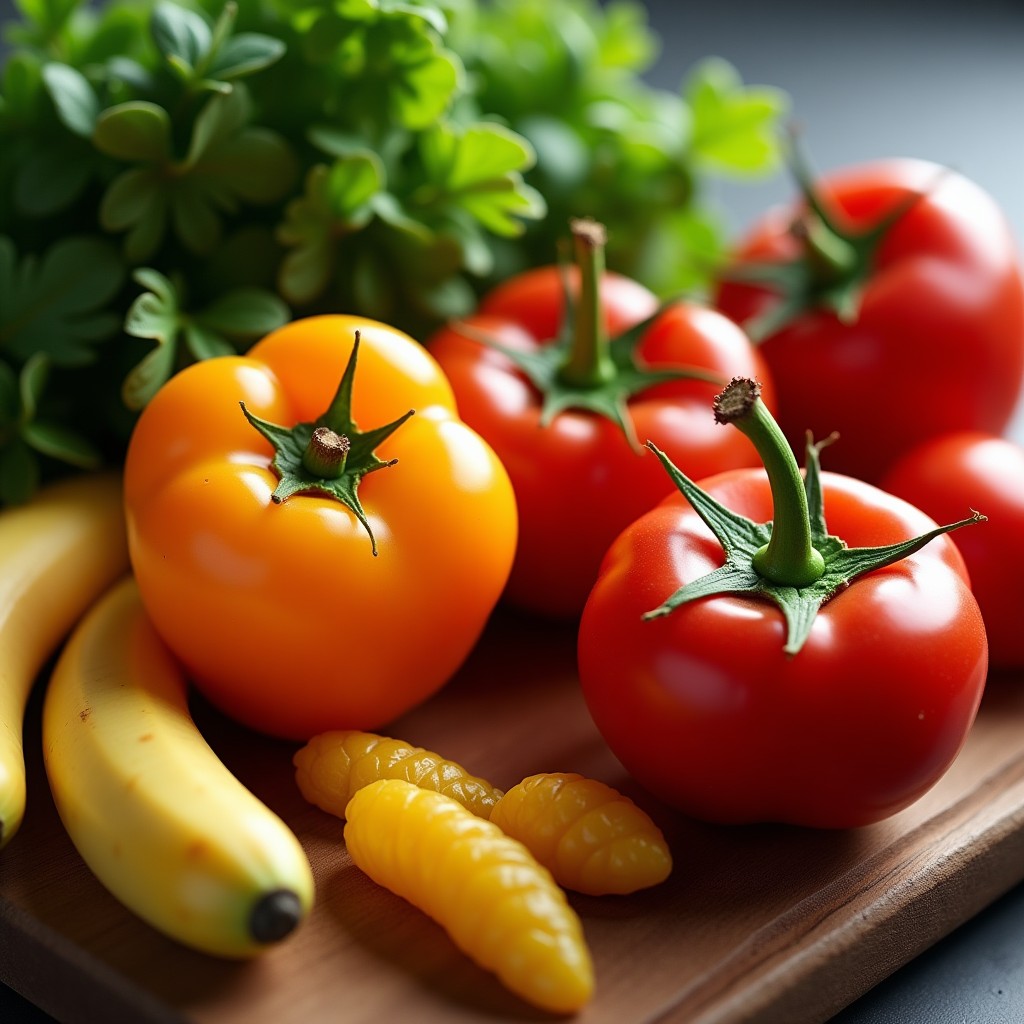
When I wander through a bustling market in New Delhi or a quiet farmer’s stall near me in Bengaluru, the first thing that catches my eye is the rainbow of fresh produce. Those vibrant colors aren’t just eye‑candy; they’re nature’s own antioxidant arsenal. In this guide we’ll explore Natural Antioxidant Foods that you can toss into soups, salads, or a simple stir‑fry to boost your immune‑supporting foods list without sacrificing taste.
Table of Contents
- Quick Answer
- What Is a Natural Antioxidant?
- Why Are Antioxidants Important?
- How Do Antioxidants Work in Soups?
- A Brief History of Antioxidant‑Rich Cooking
- Nutritional Overview
- Health Benefits of Natural Antioxidant Foods
- Why People Choose Natural Antioxidant Foods
- Different Variations for Every Palate
- Best Ingredients to Stock Your Pantry
- How to Make Antioxidant Soups Even Better
- Common Mistakes to Avoid
- Expert Tips from Nutrition Researchers
- When to Eat Antioxidant‑Rich Soups
- Who Should Include Natural Antioxidant Foods?
- Who Should Be Cautious
- How Antioxidant Foods Fit Into a Healthy Lifestyle
- Buying Tips for Fresh Antioxidant Ingredients
- Serving Suggestions
- Storage Tips to Preserve Antioxidants
- Frequently Asked Questions
- Conclusion
Quick Answer
Natural antioxidant foods are plant‑based ingredients rich in compounds like polyphenols, flavonoids, carotenoids, and vitamin C that help neutralize free radicals in the body. Think berries, leafy greens, nuts, spices, and even certain mushrooms. Adding them to a healthy soup or a vegetarian soup can turn a regular meal into a nutrient‑dense powerhouse.
What Is a Natural Antioxidant?
In simple terms, an antioxidant is a molecule that protects cells from oxidative stress. Oxidative stress occurs when free radicals outpace the body’s defense mechanisms, potentially leading to inflammation. Natural antioxidants, unlike synthetic additives, come from whole foods and are readily absorbed when you eat them fresh.
Why Are Antioxidants Important?
Many nutrition experts recommend a diet rich in antioxidants because they may help support heart health, maintain healthy skin, and keep the immune system humming. While they’re not a cure‑all, incorporating these foods regularly can be part of a balanced diet that promotes overall wellness.
How Do Antioxidants Work in Soups?
When you simmer vegetables, the water extracts soluble antioxidants, creating a broth that’s both comforting and nourishing. A well‑crafted traditional soup can deliver a dose of polyphenols and vitamins in each sip.
A Brief History of Antioxidant‑Rich Cooking
Traditional Indian households have long relied on spices like turmeric, cumin, and fenugreek—not just for flavor but for their preservative qualities. Ancient Ayurvedic texts describe these ingredients as “rasayana,” meaning rejuvenating. In coastal regions of Maharashtra, fish stews are enriched with kokum, a fruit packed with anthocyanins, illustrating how regional cuisines intuitively use antioxidant foods.
Nutritional Overview
Below is a snapshot of common antioxidant foods and the key compounds they contain:
- Berries (blueberries, strawberries) – anthocyanins, vitamin C
- Leafy greens (spinach, kale) – lutein, beta‑carotene, flavonoids
- Nuts & seeds (almonds, flaxseeds) – vitamin E, selenium
- Spices (turmeric, cinnamon) – curcumin, cinnamaldehyde
- Mushrooms (shiitake, maitake) – ergothioneine, selenium
These compounds are water‑soluble or fat‑soluble, meaning they can be captured in both broth‑based soups and creamy, plant‑based blends.
Health Benefits of Natural Antioxidant Foods
In my experience, the most noticeable advantage of regularly eating antioxidant‑rich meals is sustained energy without the mid‑day slump. Scientific studies suggest that these foods can:
- Support immune function by protecting white blood cells
- Reduce low‑grade inflammation, which is linked to chronic diseases
- Promote healthy skin through collagen protection
- Enhance digestive health thanks to fiber‑rich foods that feed good gut bacteria
Remember, they are part of a holistic approach—pair them with regular movement and adequate sleep for the best results.
Why People Choose Natural Antioxidant Foods
Many modern diners look for “clean label” options. Natural antioxidant foods meet that demand because they are minimally processed, free from artificial preservatives, and often locally sourced. When you ask a vendor in Mumbai for “fresh ingredients,” they’ll likely point you to seasonal vegetables that are at the peak of their antioxidant content.
Different Variations for Every Palate
Whether you crave a light lunch or a hearty dinner, there’s an antioxidant‑rich recipe waiting. Here are a few ideas:
- Spiced lentil soup – red lentils, tomatoes, turmeric, and a dash of black pepper.
- Berry‑infused cold soup – strawberries, cucumber, mint, and a splash of kefir.
- Mushroom miso broth – shiitake, seaweed, and fermented miso for a probiotic boost.
- Green detox soup – kale, zucchini, broccoli, and a swirl of coconut oil.
Each variation showcases a different set of antioxidants, allowing you to rotate nutrients throughout the week.
Best Ingredients to Stock Your Pantry
When I shop for my own kitchen, I keep a handful of staples that guarantee a quick antioxidant boost:
- Frozen mixed berries – they retain most of their polyphenols.
- Organic turmeric powder – a pinch adds both color and curcumin.
- Raw almonds – great for sprinkling on top of soups.
- Sun‑dried tomatoes – concentrated lycopene for a richer broth.
- Whole‑grain quinoa – a protein‑rich, fiber‑dense base.
These items are shelf‑stable, making it easy to prepare nutritious meals even on a busy weekday.
How to Make Antioxidant Soups Even Better
Here are three pro tips that elevate the antioxidant power of any soup:
- Add a splash of acid – a squeeze of lemon or a dash of apple cider vinegar helps release polyphenols from vegetables.
- Finish with healthy fats – a drizzle of extra‑virgin olive oil or a spoonful of ghee improves absorption of fat‑soluble antioxidants like beta‑carotene.
- Mind the heat – over‑cooking can degrade vitamin C. Simmer gently for 20‑30 minutes instead of a rolling boil.
These tweaks are simple, yet they can make a noticeable difference in flavor and nutrient availability.
Common Mistakes to Avoid
Even seasoned cooks slip up. Watch out for these pitfalls:
- Using frozen vegetables that have been thawed and re‑frozen – texture suffers and some antioxidants may leach out.
- Relying solely on canned soups – many commercial versions contain added sodium and fewer whole‑food antioxidants.
- Skipping the seasoning – herbs like basil and cilantro add both flavor and additional phytochemicals.
Keeping these in mind will help you stay on track toward a truly nutritious bowl.
Expert Tips from Nutrition Researchers
Many nutrition researchers recommend pairing antioxidant‑rich foods with a source of protein to stabilize blood sugar. For example, add a handful of chickpeas to a spinach‑tomato soup. Also, seasonal vegetables generally retain better flavor and higher antioxidant levels, so shop at local markets “near me” whenever possible.
When to Eat Antioxidant‑Rich Soups
These soups shine at any time, but they’re especially beneficial:
- After a workout – to replenish glycogen and provide anti‑inflammatory compounds.
- During colder months – warm broth helps maintain digestive health and keeps you hydrated.
- As a light dinner – a bowl of green detox soup can be satisfying without being heavy.
Who Should Include Natural Antioxidant Foods?
Anyone aiming for a healthy lifestyle can benefit, especially:
- Vegetarians and vegans looking for plant‑based nutrition.
- People managing weight, as fiber‑rich foods promote satiety.
- Those with a family history of heart disease, since antioxidants may support cardiovascular health.
Who Should Be Cautious
If you have a specific allergy to nuts, seeds, or certain spices, adjust the recipe accordingly. Individuals on blood‑thinning medication should monitor intake of vitamin K‑rich greens like kale and consult a healthcare professional.
How Antioxidant Foods Fit Into a Healthy Lifestyle
Integrating these foods into daily meals is easier than you think. A simple routine could be:
- Breakfast: Smoothie with frozen berries, spinach, and almond milk.
- Lunch: Quinoa salad tossed with roasted vegetables and a turmeric‑lime dressing.
- Dinner: One‑pot lentil soup packed with tomatoes, carrots, and a sprinkle of toasted seeds.
This pattern ensures you get a spectrum of antioxidants throughout the day without feeling repetitive.
Buying Tips for Fresh Antioxidant Ingredients
When you shop, keep an eye out for:
- Deep, rich colors – they usually indicate higher phytochemical content.
- Firm textures – especially for berries and tomatoes.
- Organic labels – while not mandatory, they often mean fewer pesticide residues.
Local farmer’s markets in Bengaluru or the “near me” stalls in Delhi are gold mines for seasonal produce.
Serving Suggestions
Serve soups in wide, shallow bowls to let the aroma rise. Pair a hearty lentil soup with a side of whole‑grain toast topped with avocado for extra healthy fats. For a light lunch, a chilled berry soup with a dollop of Greek yogurt makes a refreshing, antioxidant‑dense option.
Storage Tips to Preserve Antioxidants
Cool the soup to room temperature before refrigerating. Store in airtight containers for up to three days. If you want to keep it longer, freeze in portion‑size bags; the antioxidants remain stable for up to two months. Reheat gently on the stove rather than microwaving at high power.
Frequently Asked Questions
What are the top three natural antioxidant foods?
Blueberries, kale, and turmeric consistently rank high due to their rich anthocyanin, lutein, and curcumin content. Incorporating any of these into a daily meal can boost your antioxidant intake.
Can I get enough antioxidants from soups alone?
Soups are an excellent vehicle, especially when they include a mix of vegetables, legumes, and spices. However, a varied diet that also includes raw fruits, nuts, and whole grains ensures a broader spectrum of nutrients.
Do frozen berries retain antioxidants?
Yes, flash‑frozen berries preserve most of their polyphenols and vitamin C, making them a convenient pantry staple for antioxidant‑rich smoothies and soups.
Is it safe to consume antioxidant supplements?
While supplements can help fill gaps, many experts advise getting antioxidants from whole foods because they provide synergistic compounds that work together for better absorption.
How does cooking affect antioxidant levels?
Gentle simmering can actually increase the availability of some antioxidants, like lycopene in tomatoes. Over‑cooking, however, may degrade heat‑sensitive vitamins such as vitamin C.
Are antioxidant foods suitable for children?
Absolutely. Introducing colorful fruits and vegetables early helps develop a taste for nutritious meals. Blend them into soups or smoothies to make them kid‑friendly.
Can antioxidant‑rich soups aid digestion?
Fiber‑rich ingredients like beans, lentils, and leafy greens support digestive health by promoting regular bowel movements and feeding beneficial gut bacteria.
Do antioxidant foods help with skin health?
Antioxidants such as vitamin C and E protect skin cells from oxidative damage, which may reduce the appearance of aging signs when part of a balanced diet.
What is the best time to buy fresh produce?
Early mornings at local markets tend to have the freshest picks. Look for seasonal produce; it’s often cheaper and richer in antioxidants.
How often should I eat antioxidant‑rich meals?
Aim for at least five servings of fruits and vegetables per day, with a few of those being high‑antioxidant choices. Mixing them into soups, salads, and snacks keeps things interesting.
Conclusion
Choosing Natural Antioxidant Foods isn’t about chasing trends; it’s about honoring the wisdom of traditional kitchens and the science of modern nutrition. By weaving these vibrant ingredients into soups, salads, and everyday meals, you create a diet that supports immunity, digestion, and overall wellness. Ready to taste the difference? Dive into our collection of healthy vegetarian soups and discover how simple, fresh ingredients can transform a humble bowl into a celebration of health.