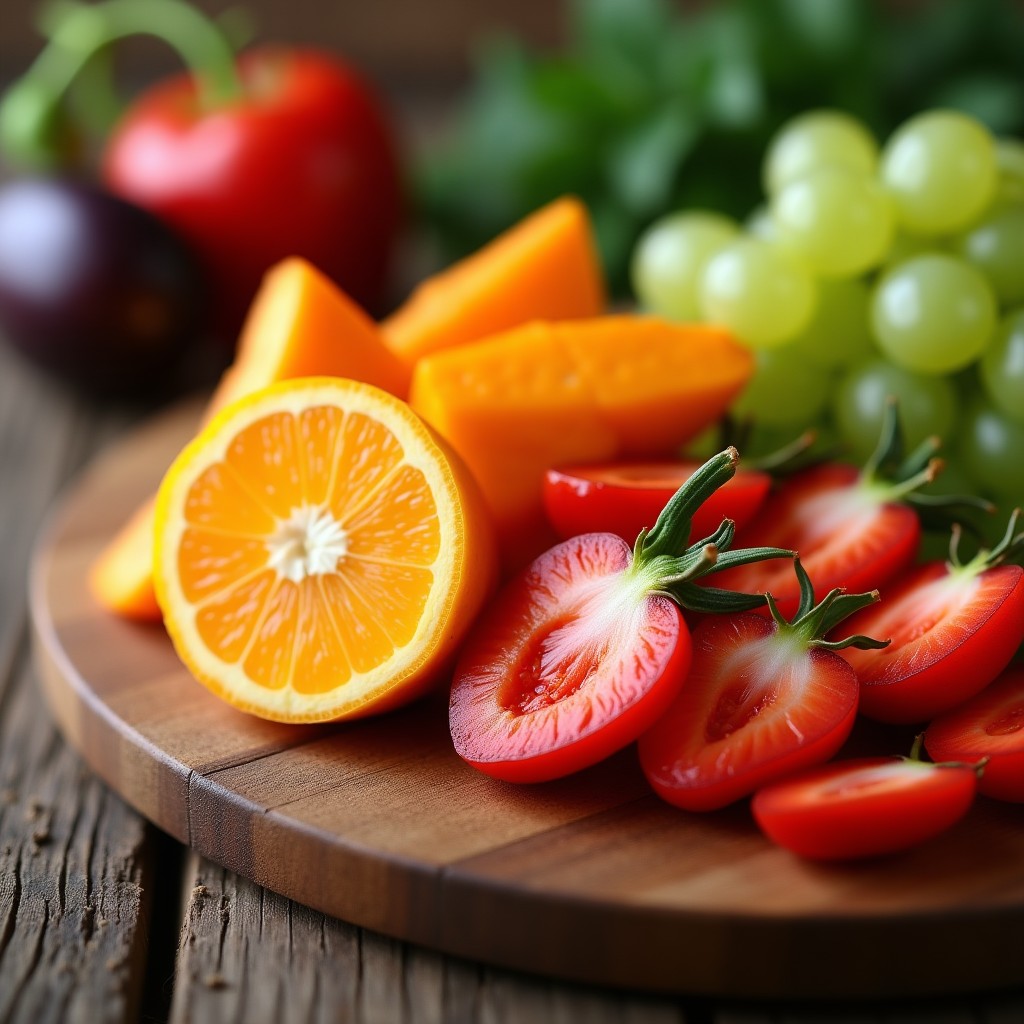
When the season shifts and colds start making rounds, the first thing many of us reach for is a comforting bowl of soup. But not every soup is created equal. In my experience as a food journalist and nutrition researcher, the right combination of fresh, whole ingredients can turn a simple meal into a powerful ally for your immune system. Below you’ll discover which foods truly support immunity, how they’ve been used in traditional Indian kitchens, and practical ways to weave them into nutritious meals that taste as good as they feel.
Table of Contents
- Quick Answer
- What Is Foods That Improve Immunity?
- History or Background
- Nutritional Overview
- Health Benefits
- Why People Choose It
- Different Variations
- Best Ingredients
- How to Make It Better
- Common Mistakes
- Expert Tips
- When to Eat It
- Who Should Eat It
- Who Should Avoid It
- How It Fits Into a Healthy Lifestyle
- Buying Tips
- Serving Suggestions
- Storage Tips
- Frequently Asked Questions
- Conclusion
Quick Answer
Foods that improve immunity are those rich in vitamins C and D, zinc, selenium, antioxidants, and probiotics. Think citrus, leafy greens, mushrooms, turmeric, ginger, lentils, and fermented staples like yoghurt or idli batter. Pair them in a healthy soup or a light vegetarian dinner, and you’ve got a natural boost for your body’s defenses.
What Is Foods That Improve Immunity?
Simply put, these are foods that supply the nutrients your white blood cells need to identify and neutralize pathogens. While no single ingredient can guarantee you won’t catch a cold, a diet rich in immune‑supporting nutrients can help your body respond more efficiently. The term also covers traditional preparations—like Indian soup (rasam or mulligatawny) and herbal broths—that have been cherished for centuries for their restorative qualities.
History or Background
Traditional Indian households have long simmered spices, lentils, and seasonal vegetables into fragrant broths. In the Ayurvedic texts, a warm, spiced soup is described as “rasayana” – a rejuvenating tonic that balances the doshas and promotes wellness. Even in the remote villages of Kerala, families still brew “kootu” using coconut, curry leaves, and turmeric, believing it fortifies the body during monsoon rains.
Across the globe, similar practices exist. In Japan, miso soup—a fermented soybean paste—has been a staple for centuries, praised for its probiotic content. In Europe, bone broth is prized for collagen and minerals that aid digestive health. These culinary traditions illustrate how “immune‑supporting foods” have been a part of everyday life long before modern nutrition science caught up.
Nutritional Overview
Below is a snapshot of the key nutrients you’ll find in top immune‑boosting foods:
- Vitamin C – citrus, strawberries, bell peppers; essential for white‑blood‑cell function.
- Vitamin D – fortified dairy, mushrooms exposed to sunlight; modulates immune response.
- Zinc – pumpkin seeds, chickpeas, lentils; helps produce antibodies.
- Selenium – Brazil nuts, whole grains; works with antioxidants.
- Beta‑carotene & lutein – carrots, sweet potatoes, leafy greens; protect cells from oxidative stress.
- Probiotics – yoghurt, fermented idli batter; nurture gut flora that communicates with immune cells.
Combining these nutrients in a single bowl—think a fresh soup brimming with carrots, spinach, mushrooms, and a dash of turmeric—creates a synergistic effect that can support overall immunity.
Health Benefits
Many nutrition experts recommend a diet rich in immune‑supporting foods for:
- Reduced frequency of mild infections.
- Faster recovery times when you do get sick.
- Improved gut health, which is linked to 70% of the immune system.
- Balanced inflammation, thanks to antioxidants found in spices like ginger and garlic.
- Enhanced energy levels, especially when meals are light yet nutrient‑dense.
According to the World Health Organization, a balanced diet with plenty of whole foods is a cornerstone of public health strategies for disease prevention (WHO).
Why People Choose It
Beyond the science, there’s an emotional pull. A steaming bowl of soup on a rainy afternoon in Mumbai feels like a hug. The aroma of cumin and coriander can instantly lift spirits, making the act of eating part of self‑care. For busy professionals in Bangalore, a quick vegetarian soup packed with lentils offers a convenient, light meal that won’t weigh them down during a hectic day.
“Healthy eating doesn’t have to be complicated,” I often tell my readers. Simple swaps—like adding a handful of kale to your tomato broth—can transform a regular lunch into a powerhouse of nutrients.
Different Variations
Here are three popular ways to incorporate immune‑supporting foods into soups:
- Traditional Indian Rasam – tamarind, tomato, black pepper, and mustard seeds, finished with coriander.
- Mushroom & Barley Soup – earthy mushrooms, fiber‑rich barley, and a splash of soy sauce for umami.
- Spiced Lentil Soup – red lentils, turmeric, ginger, and a swirl of coconut milk for creaminess.
Each version can be tailored to a healthy lunch or a healthy dinner by adjusting the protein source or adding seasonal vegetables.
Best Ingredients
When you head to the market, look for these staples that are proven to be immune‑supportive:
- Leafy greens – spinach, methi, kale
- Seasonal vegetables – carrots, pumpkin, beetroot
- Mushrooms – shiitake, button, oyster
- Legumes – moong dal, chana, black beans
- Spices – turmeric, cumin, black pepper, ginger
- Fermented items – yoghurt, kefir, idli batter
Fresh ingredients generally retain better flavor when they’re harvested at peak ripeness. For example, a bright orange carrot from a local Delhi market “near me” will have more beta‑carotene than a dull one that’s been stored for weeks.
How to Make It Better
Elevate a basic broth with a few chef‑approved tricks:
- Toast spices before adding them to release essential oils.
- Deglaze the pan with a splash of lemon juice for extra vitamin C.
- Finish with fresh herbs like cilantro or mint to preserve delicate antioxidants.
- Blend partially for a creamy texture without dairy.
These tweaks keep the soup light, aid digestion, and preserve the natural ingredients that make it immune‑friendly.
Common Mistakes
Even seasoned cooks can slip up. Here are pitfalls to avoid:
- Over‑cooking vegetables—heat destroys vitamin C.
- Using too much salt—excess sodium can impair kidney function and overall wellness.
- Relying solely on processed broth powders—these often lack the fiber and phytonutrients of whole foods.
- Skipping the garnish—fresh herbs add both flavor and extra antioxidants.
Remember, a soup that’s too salty or bland won’t motivate you to eat it regularly.
Expert Tips
“Balance is key,” says nutritionist Dr. Ananya Rao, who works with hospitals in Chennai. She recommends pairing a protein‑rich legume base with at least two different colored vegetables for a full spectrum of micronutrients. Also, a pinch of black pepper can enhance the absorption of curcumin from turmeric—a small tip that makes a big difference.
Sometimes the simplest soups are the most nourishing. A quick stir‑fry of garlic and ginger followed by simmering water, lentils, and spinach can be ready in under 30 minutes.
When to Eat It
Immune‑supporting soups shine at any time, but they’re especially beneficial:
- First thing in the morning—as a light breakfast to kick‑start digestion.
- Mid‑day, as a healthy lunch that keeps energy steady.
- Evening, as a warm healthy dinner that aids sleep and recovery.
For those looking for a quick snack, a small cup of spiced broth can serve as a “light meal” between main courses.
Who Should Eat It
Anyone aiming for a healthy lifestyle can benefit, especially:
- Students needing brain‑boosting nutrients for concentration.
- Office workers in Delhi “near me” searching for a quick, fiber‑rich lunch.
- Elderly individuals who need easy‑to‑digest meals that support bone health.
- Athletes looking for plant‑based nutrition that refuels without heaviness.
Who Should Avoid It
While most people can enjoy these soups, a few groups should modify recipes:
- Individuals with severe soy allergies—skip soy‑based broth or miso.
- Those on low‑potassium diets—limit tomatoes and certain beans.
- People with specific medical conditions should consult a dietitian before adding large amounts of certain spices.
How It Fits Into a Healthy Lifestyle
Integrating immune‑supporting foods into everyday meals is easier than you think. Swap a processed snack for a cup of vegetable broth, and you’ll add fiber, vitamins, and hydration—all without extra calories. Pair your soup with a side of whole‑grain roti or a small salad for a complete, balanced plate.
“A balanced diet doesn’t have to be boring,” I often remind readers. The variety of colors and textures in a well‑crafted soup keeps meals interesting and nutritionally diverse.
Buying Tips
When shopping for ingredients, keep these pointers in mind:
- Choose organic when possible, especially for leafy greens that may carry pesticide residues.
- Look for firm, unblemished mushrooms—these retain more selenium.
- Buy spices in small, airtight containers to preserve potency.
- For legumes, check the “best before” date; older beans lose some of their zinc content.
If you’re in Bangalore and searching “healthy soup near me,” many local markets now stock ready‑to‑cook organic soup mixes that you can finish with fresh veggies.
Serving Suggestions
Serve your immune‑boosting soup in a way that maximizes enjoyment:
- Garnish with a drizzle of cold‑pressed olive oil for healthy fats.
- Add a sprinkle of toasted pumpkin seeds for crunch and extra zinc.
- Accompany with a slice of whole‑grain bread or a small portion of brown rice for sustained energy.
Looking for more ideas? Check our menu for complementary side dishes that pair perfectly with a warm bowl of soup.
Storage Tips
Proper storage keeps nutrients intact:
- Cool the soup to room temperature within two hours, then refrigerate in airtight containers.
- Consume within 3‑4 days for optimal flavor and vitamin content.
- For longer storage, freeze in portion‑size bags—up to three months. Thaw gently on the stove to preserve texture.
Frequently Asked Questions
- What are the best vegetables for immune support?
- Leafy greens like spinach and kale, orange veggies such as carrots and pumpkin, and cruciferous options like broccoli provide vitamins C, A, and antioxidants that help protect cells from oxidative stress.
- Can a soup replace a full meal?
- When packed with protein (lentils or beans), fiber (whole grains), and healthy fats, a hearty soup can serve as a complete, balanced meal, especially for a light lunch or dinner.
- Is mushroom soup healthy?
- Yes. Mushrooms are a natural source of selenium and vitamin D (when exposed to sunlight). A broth made with mushrooms, garlic, and herbs offers both flavor and immune‑supporting nutrients.
- Is tomato soup healthy?
- Tomato soup provides lycopene, vitamin C, and potassium. Choose a version with fresh tomatoes and minimal added cream to keep it light and nutrient‑dense.
- Why is herbal soup popular?
- Herbal soups combine water‑soluble vitamins from herbs with the soothing warmth of broth. They’re easy to digest, hydrate the body, and can be customized with spices that boost immunity.
- How often should I eat immune‑supporting foods?
- Incorporating them daily, even in small portions, helps maintain consistent nutrient levels. A bowl of soup a few times a week, alongside fresh salads and fruits, creates a robust nutritional foundation.
- Can I use canned vegetables in my soup?
- Canned veggies are convenient but often contain added sodium. If you use them, rinse well and supplement with fresh herbs or a squeeze of lemon to boost vitamin C.
- Do fermented foods help immunity?
- Fermented items like yoghurt, kefir, or idli batter contain probiotics that support gut health, which in turn influences the immune system. Adding a spoonful to your soup can enhance both flavor and benefits.
Conclusion
Choosing the right foods that improve immunity doesn’t require exotic ingredients or endless time in the kitchen. By focusing on fresh, whole, and seasonal produce—paired with traditional Indian spices—you can craft soups that nourish, comfort, and support your body’s natural defenses. Whether you’re sipping a light broth in a Mumbai café or simmering a pot of spiced lentil soup at home in Delhi, these simple, nutrient‑rich meals fit seamlessly into a healthy lifestyle.
Ready to explore more? Dive into our collection of healthy vegetarian soups and discover new flavors that keep you feeling vibrant all year long. For any questions or personalized advice, feel free to contact us. Your next bowl of immunity‑boosting goodness is just a spoonful away.