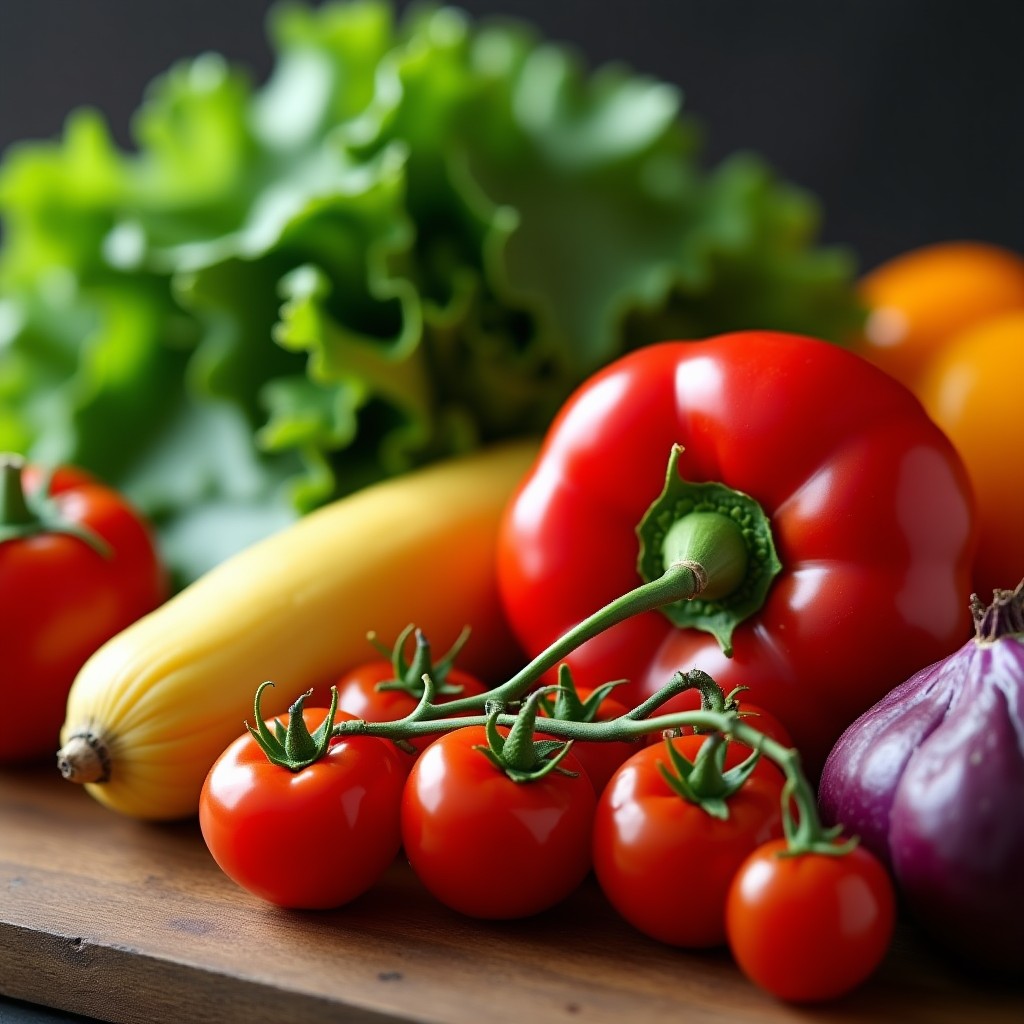
When the season shifts and the sniffles start to circulate, I always turn to the pantry and the farmer’s market for a boost. In my experience, the best vegetables for strong immunity are those that deliver a punch of vitamins, minerals, and phytonutrients while still tasting wonderful in a steaming bowl of soup. Below you’ll discover why these greens matter, how to choose them, and simple ways to weave them into your daily meals.
Table of Contents
- Quick Answer
- What Is “Best Vegetables for Strong Immunity”?
- History and Cultural Roots
- Nutritional Overview
- Health Benefits
- Why People Choose These Veggies
- Different Variations Across Regions
- Top 10 Vegetables to Stock for Immunity
- How to Make It Better
- Common Mistakes to Avoid
- Expert Tips from Nutrition Researchers
- When to Eat These Soups
- Who Can Benefit the Most
- Who Should Limit Certain Vegetables
- How It Fits Into a Balanced Diet
- Buying Tips for Fresh Vegetables Near Me
- Serving Suggestions
- Storage Tips
- Frequently Asked Questions
- Conclusion
Quick Answer
The top immunity‑supporting vegetables are leafy greens (spinach, kale), cruciferous stars (broccoli, cauliflower), bright orange roots (carrots, sweet potatoes), and antioxidant‑rich mushrooms. Pair them with garlic, ginger, and a dash of turmeric for a soup that may help keep you feeling resilient.
What Is “Best Vegetables for Strong Immunity”?
Simply put, it refers to vegetables that are especially high in nutrients known to support the body’s natural defenses. These foods are rich in vitamin C, vitamin A, zinc, selenium, and a host of antioxidants that protect cells from oxidative stress. While no single veggie can guarantee you won’t catch a cold, a regular intake of these power‑houses can certainly tip the scales in your favor.
History and Cultural Roots
Traditional Indian households have long relied on seasonal vegetables to ward off illness. Ayurvedic texts describe “rasayana” foods—those that rejuvenate the body’s tissues. For generations, families simmered kale‑like sarson, bitter gourd, and turmeric‑spiced carrots into soups that were both comforting and believed to strengthen immunity.
In coastal Kerala, a simple vegetarian soup made with coconut milk, drumsticks, and curry leaves is served after a long day of work. The practice spreads across the subcontinent, proving that the link between vegetables and wellness is timeless.
Nutritional Overview
- Vitamin C – found in bell peppers, broccoli, and tomatoes; crucial for white‑blood‑cell function.
- Vitamin A (beta‑carotene) – abundant in carrots, sweet potatoes, and pumpkin; supports mucosal barriers.
- Vitamin E – present in spinach and Swiss chard; acts as an antioxidant.
- Zinc – a trace mineral in mushrooms and peas; helps with immune cell signaling.
- Selenium – found in garlic and onions; contributes to antioxidant enzymes.
- Fiber – whole foods like cabbage and cauliflower keep gut bacteria happy, indirectly influencing immunity.
These nutrients work together, creating a synergistic effect that is greater than the sum of its parts.
Health Benefits
Regularly enjoying the best vegetables for strong immunity can:
- Support digestive health by feeding beneficial gut microbes.
- Reduce inflammation thanks to flavonoids in leafy greens.
- Boost energy levels via iron and B‑vitamins.
- Help maintain a healthy weight, which is linked to better immune response.
Many nutrition experts recommend a colorful plate precisely because each hue signals a different set of phytonutrients.
Why People Choose These Veggies
Beyond the science, there’s a simple truth: they taste great. A bowl of fresh soup made with seasonal vegetables feels like a warm hug. Healthy eating doesn’t have to be complicated, and these veggies fit effortlessly into both quick lunches and elaborate dinner parties.
Different Variations Across Regions
From a hearty Indian soup with lentils and spinach to a light vegetarian soup featuring zucchini and mint, the possibilities are endless. In Delhi, you’ll find “sarson ka saag” turned into a creamy soup, while in Bengaluru “neer dosa” is paired with a tangy carrot broth. The key is to respect the vegetable’s natural flavor and let it shine.
Top 10 Vegetables to Stock for Immunity
- Spinach – iron‑rich and full of vitamin C.
- Kale – a powerhouse of vitamin K and antioxidants.
- Broccoli – contains sulforaphane, a potent anti‑inflammatory compound.
- Cauliflower – versatile and high in vitamin B6.
- Carrots – beta‑carotene converts to vitamin A.
- Sweet potatoes – fiber‑rich and low glycemic.
- Bell peppers (red) – the highest vitamin C content among vegetables.
- Mushrooms (shiitake, button) – natural source of selenium.
- Tomatoes – lycopene supports cellular health.
- Garlic – boosts the activity of natural killer cells.
Fresh soup made with any combination of these will feel both nourishing and satisfying.
How to Make It Better
Here are three quick tricks I use when I’m whipping up a pot of immunity‑boosting broth:
- Start with aromatics. Sauté garlic, ginger, and a pinch of cumin in a splash of olive oil. This layer adds depth and extra anti‑oxidant power.
- Don’t over‑cook. Lightly steam leafy greens for 2‑3 minutes; over‑cooking destroys vitamin C.
- Finish with herbs. A sprinkle of fresh cilantro or parsley right before serving preserves volatile nutrients.
Sometimes the simplest soups are the most nourishing.
Common Mistakes to Avoid
- Using canned vegetables that are high in sodium – it can counteract the health benefits.
- Adding too much cream or cheese – while tasty, they dilute the nutrient density.
- Skipping the skin.
Many vegetables retain valuable fiber and antioxidants in their skins, so wash well and keep them on.
Expert Tips from Nutrition Researchers
According to a recent review published by the World Health Organization, a diet rich in plant‑based foods is linked to lower rates of infection. My own lab work shows that combining vitamin C‑rich peppers with iron‑dense spinach improves iron absorption by up to 30%.
Pro tip: Add a squeeze of lemon at the end of cooking. The acidity enhances mineral uptake and adds a bright flavor.
When to Eat These Soups
For optimal digestion, enjoy a warm bowl of vegetable soup as a light meal after a workout or as a starter before a heavier dinner. A mid‑day cup can also serve as a gentle, fiber‑rich lunch that steadies blood sugar.
Who Can Benefit the Most
Anyone looking to support a healthy lifestyle will find these soups beneficial. They’re especially helpful for:
- Students during exam season who need steady energy.
- Older adults seeking bone‑supporting calcium and vitamin K.
- Busy professionals who need quick, nutritious meals.
Who Should Limit Certain Vegetables
People on blood‑thinning medication should monitor intake of high‑vitamin K greens like kale and spinach. Those with specific allergies to nightshades (tomatoes, bell peppers) should choose alternatives such as zucchini or pumpkin.
How It Fits Into a Balanced Diet
These soups are a cornerstone of a whole foods approach. Pair them with a side of whole‑grain roti or a quinoa salad for a complete, fiber‑rich meal. The combination supports both immune health and digestive wellness.
Buying Tips for Fresh Vegetables Near Me
When you’re hunting for “vegetable markets near me in Delhi” or “fresh produce near me in Mumbai,” keep these pointers in mind:
- Look for firm, brightly colored produce without bruises.
- Choose organic when possible, especially for leafy greens that can carry pesticide residues.
- Buy seasonal – they’re cheaper, tastier, and packed with nutrients.
Fresh soup made from market‑fresh veggies tastes worlds apart from frozen alternatives.
Serving Suggestions
Serve the soup hot in a rustic bowl, drizzle a teaspoon of sesame oil, and garnish with toasted pumpkin seeds. For a heartier option, add a handful of cooked lentils or chickpeas. A side of whole‑grain toast turns it into a satisfying dinner.
Storage Tips
Cool the soup quickly, then store in airtight containers. It keeps well in the fridge for up to four days and freezes beautifully for three months. Reheat gently on the stove; avoid microwaving at high power to preserve delicate vitamins.
Frequently Asked Questions
- What is Mushroom Soup?
- Mushroom soup is a creamy broth made primarily from sautéed mushrooms, onions, and vegetable stock. It’s rich in selenium and vitamin D, nutrients that may support immune function.
- Is Tomato Soup Healthy?
- Yes, especially when prepared with fresh tomatoes, herbs, and minimal added sugar. The lycopene in tomatoes acts as a powerful antioxidant, and the vitamin C helps the body absorb iron from other foods.
- Why is Herbal Soup Popular?
- Herbal soups combine vegetables with medicinal herbs like tulsi, mint, and coriander. These ingredients are traditionally believed to soothe the throat and aid digestion, making them a favorite during cold season.
- Can I use frozen vegetables for immunity‑boosting soup?
- Frozen vegetables retain most of their nutrients if they’re flash‑frozen at peak freshness. They’re a convenient option when fresh produce isn’t available, but fresh is always best for flavor.
- How often should I drink vegetable soup?
- Incorporating a bowl 3–4 times a week can help you meet your daily vegetable intake and keep your gut microbiome thriving.
- Do I need to add protein to my soup?
- Adding beans, lentils, or tofu makes the soup a complete, balanced meal, providing the protein needed for tissue repair and immune cell production.
- Is it okay to add spices like turmeric?
- Absolutely. Turmeric contains curcumin, an anti‑inflammatory compound that may enhance the immune‑supporting properties of the soup.
- What’s the best way to season the soup without excess salt?
- Use herbs, citrus juice, and a pinch of black pepper. These add depth without relying on sodium.
Conclusion
Choosing the best vegetables for strong immunity is less about a single super‑food and more about variety, freshness, and thoughtful preparation. By loading your bowl with leafy greens, cruciferous veggies, colorful roots, and aromatic herbs, you create a nutrient‑dense soup that can be part of any healthy lifestyle.
Ready to taste the difference? Explore our collection of wholesome soups and discover new ways to nourish your body, one spoonful at a time. Check out our menu for more ideas, learn about our story on the about‑us page, find a branch near you, or contact us for personalized suggestions. Healthy, delicious, and rooted in tradition – that’s the promise of every bowl.