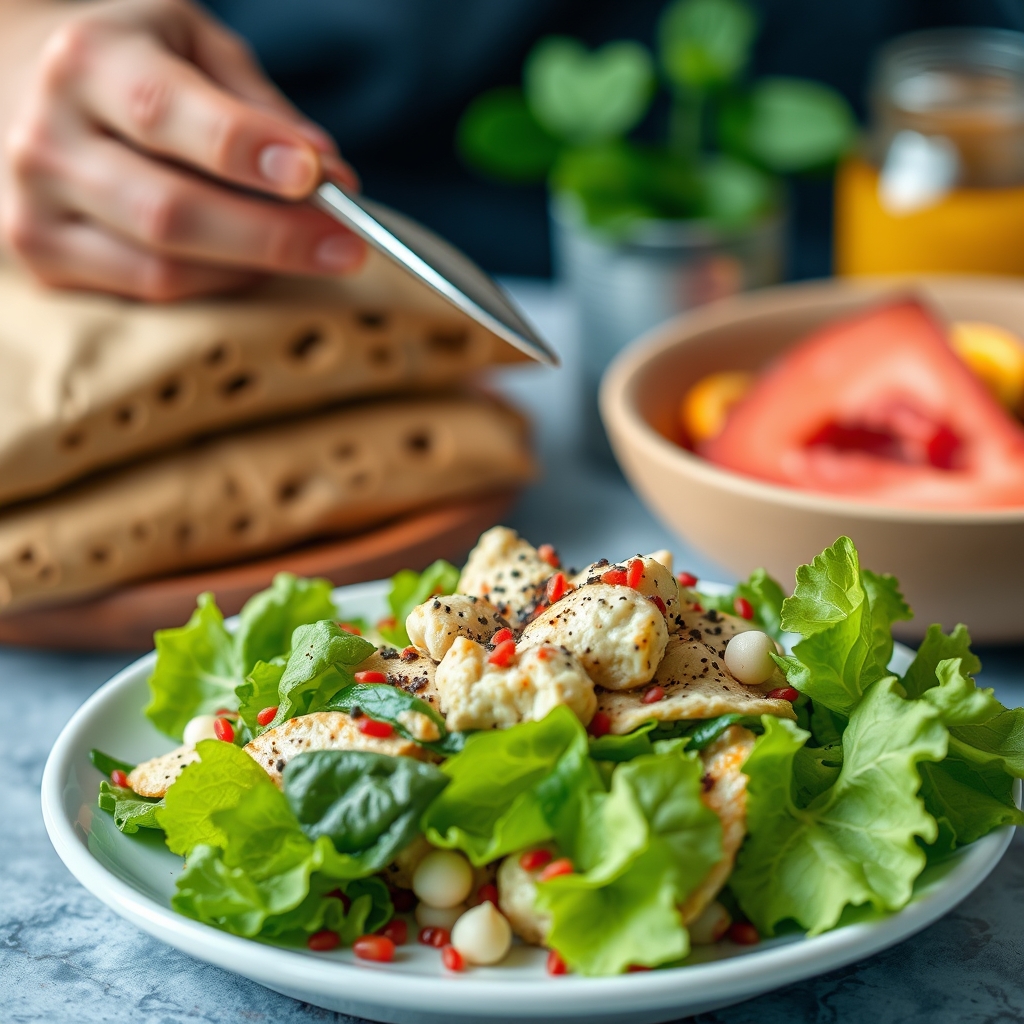
When the clock strikes eight and the cravings start whispering, reaching for a snack that satisfies without sabotaging your goals can feel like a tightrope walk. In my years covering kitchens from Delhi’s bustling street stalls to the quiet homes of Bangalore, I’ve discovered a single evening bite that consistently balances flavor, fullness, and nutrition. It’s not a processed bar or a sugary shake—it’s a warm, comforting vegetarian soup that packs fiber, protein, and the kind of soothing warmth that tells your body it’s time to unwind. Below you’ll find everything you need to make this snack a staple in your routine, whether you’re hunting for options “near me” in Mumbai or planning a weekend potluck.
Table of Contents
- Quick Answer
- What Is the Best Evening Snack for Weight Loss?
- History & Background
- Nutritional Overview
- Health Benefits
- Why People Choose It
- Different Variations
- Best Ingredients
- How to Make It Better
- Common Mistakes
- Expert Tips
- When to Eat It
- Who Should Eat It
- Who Should Avoid It
- How It Fits Into a Healthy Lifestyle
- Buying Tips
- Serving Suggestions
- Storage Tips
- Frequently Asked Questions
- Conclusion
Quick Answer
The best evening snack for weight loss is a light, fiber‑rich soup—think a spiced lentil or mixed‑vegetable broth—served warm, portioned to about one cup, and paired with a small handful of nuts or seeds. It delivers protein, keeps blood sugar steady, and satisfies the desire for something comforting without excess calories.
What Is the Best Evening Snack for Weight Loss?
In simple terms, the snack is a nutrient‑dense, low‑calorie soup that blends plant‑based protein (like moong dal or chickpeas) with seasonal vegetables, aromatic Indian spices, and a splash of healthy fat from ghee or olive oil. The result is a bowl that feels indulgent yet aligns with a balanced diet and a healthy lifestyle.
History & Background
Traditional Indian households have long served a thin, spiced broth called rasam after dinner. It was originally meant to aid digestion, not to fill the stomach. Over time, the concept evolved into heartier versions—like dal soup—that provide both satiety and nourishment. In regions like Kerala and Gujarat, families still enjoy a small cup of soup before bedtime, believing it supports digestive health and a peaceful sleep.
Nutritional Overview
Here’s a snapshot of what a typical 250‑ml serving contains:
- Calories: 120‑150 kcal
- Protein: 8‑10 g (from lentils or beans)
- Fiber: 4‑6 g (from vegetables and legumes)
- Healthy fats: 4‑6 g (from a drizzle of olive oil or a teaspoon of ghee)
- Vitamins & minerals: Vitamin C, potassium, iron, and folate
Because the soup is mostly water, it also contributes to your daily hydration—something many of us overlook after a long day at the office.
Health Benefits
Many nutrition experts recommend a light, soup‑based snack for several reasons:
- Satiety boost: The combination of protein and fiber slows gastric emptying, keeping late‑night cravings at bay.
- Blood‑sugar stability: Low glycemic index ingredients prevent spikes that can trigger overeating.
- Immune‑supporting foods: Turmeric, ginger, and garlic add antioxidants that may support overall wellness.
- Digestive aid: Warm broth stimulates peristalsis, helping the gut wind down before sleep.
Why People Choose It
In my experience, the biggest draw is simplicity. A pot of soup can be prepared in under 30 minutes, uses pantry staples, and can be reheated without losing its charm. For busy professionals in Delhi looking for “snack near me,” a quick trip to a local grocery store for lentils and fresh veggies is all it takes.
Different Variations
While the base concept stays the same, you can tailor the soup to your palate and seasonal produce:
- Spiced Moong Dal Soup: Yellow split peas, cumin, coriander, a dash of asafoetida.
- Tomato‑Basil Veg Soup: Fresh tomatoes, basil leaves, a pinch of black pepper.
- Carrot‑Ginger Soup: Sweet carrots, grated ginger, a splash of coconut milk.
- Mixed‑Leaf Greens Soup: Spinach, kale, mustard greens with mustard seeds.
Each version stays within the whole foods philosophy and can be labeled as a healthy soup on a menu.
Best Ingredients
Choosing the right components makes the difference between a bland broth and a snack that truly satisfies:
| Category | Top Picks |
|---|---|
| Legumes | Moong dal, red lentils, split peas |
| Seasonal Vegetables | Carrots, tomatoes, bottle gourd, leafy greens |
| Spices | Turmeric, cumin, black pepper, mustard seeds |
| Healthy Fats | Olive oil, ghee, a spoonful of ground flaxseed |
| Fresh Herbs | Cilantro, mint, curry leaves |
Fresh ingredients generally retain better flavor when added at the end of cooking, especially herbs like cilantro.
How to Make It Better
Even a humble soup can feel gourmet with a few tricks:
- Toast the spices: Heat cumin and mustard seeds in a dry pan for 30 seconds; this releases their aroma.
- Blend partially: For a silky texture, blend half the soup and swirl it back in.
- Finish with a splash: A teaspoon of lemon juice or a drizzle of cold-pressed oil brightens the palate.
These steps add depth without extra calories, keeping the snack light yet flavorful.
Common Mistakes
Here are pitfalls I’ve seen in home kitchens and how to avoid them:
- Over‑cooking the vegetables: This turns them mushy and reduces fiber content. Keep them crisp‑tender.
- Adding too much salt: Sodium can cause water retention, which defeats the purpose of a weight‑loss snack.
- Using canned broth with hidden sugars: Opt for homemade stock or low‑sodium vegetable broth.
Expert Tips
Nutritionists often suggest pairing the soup with a small protein‑rich side, such as a tablespoon of roasted chana or a few almonds. This combination can raise the protein content to 15 g, further supporting muscle maintenance while you sleep.
When to Eat It
Ideally, enjoy your soup 1‑2 hours before bedtime. The warm temperature promotes relaxation, and the fiber helps you feel full through the night. If you’re looking for a “snack near me” after a late workout, a cup of soup can also replenish glycogen without the heaviness of a full meal.
Who Should Eat It
Anyone aiming for a healthy dinner or a light evening bite can benefit—students, office workers, and seniors alike. The plant‑based protein makes it especially suitable for vegetarians and those transitioning to a more plant‑based nutrition plan.
Who Should Avoid It
People with specific legume allergies or severe kidney issues should consult a dietitian before adding high‑protein soups to their routine. Otherwise, the snack is generally safe for most adults.
How It Fits Into a Healthy Lifestyle
Integrating this soup into a day that already includes healthy lunch and nutritious meals helps maintain a steady calorie intake. Because it’s low in calories yet high in satiety, it can replace less‑nutritious options like fried snacks or sugary desserts.
Buying Tips
When shopping at local markets in Mumbai or Bangalore, look for:
- Firm, unblemished lentils and beans.
- Bright, crisp vegetables—no wilted leaves.
- Spices that smell aromatic, not stale.
Choosing fresh, whole foods ensures the soup retains its nutrient profile and taste.
Serving Suggestions
Serve the soup in a small, pre‑warmed bowl to keep it hot longer. Garnish with a sprinkle of roasted cumin powder and a few fresh coriander leaves. Pair it with a slice of whole‑grain toast or a handful of roasted pumpkin seeds for added crunch.
Storage Tips
Cool the soup to room temperature, then transfer it to an airtight container. It stays fresh in the refrigerator for up to three days. For longer storage, freeze in portion‑size bags; reheating on the stove preserves the texture better than microwaving.
Frequently Asked Questions
- Can I use a pressure cooker for the soup?
- Yes, a pressure cooker reduces cooking time for lentils dramatically—about 10 minutes on high pressure. Just release the steam naturally to keep the broth clear.
- Is it okay to add rice or noodles?
- Adding a small amount of brown rice or whole‑grain noodles can increase bulk, but keep the portion under half a cup to stay within the snack calorie range.
- What makes a soup “immune‑supporting”?
- Ingredients like turmeric, ginger, garlic, and leafy greens contain antioxidants and anti‑inflammatory compounds that may support the body’s natural defenses.
- How many calories should a weight‑loss snack have?
- Most experts suggest 100‑200 kcal for an evening snack. The soup described here fits comfortably in that window.
- Can I make the soup vegan?
- Absolutely. Replace ghee with a teaspoon of olive oil or a dash of coconut milk, and you have a fully plant‑based snack.
- Is soup safe for kids?
- Yes, as long as the spices are mild and the temperature is appropriate. It’s a great way to sneak vegetables into their diet.
Conclusion
Choosing the right evening bite can be a game‑changer for anyone on a weight‑loss journey. A warm, fiber‑rich soup delivers the comfort of a traditional Indian rasam while providing the protein and nutrients needed to keep you satisfied through the night. It’s easy to customize, quick to prepare, and fits seamlessly into a healthy lifestyle that values whole, natural ingredients.
Ready to explore more wholesome options? Dive into our collection of healthy soups and discover how a simple bowl can become your secret weapon for wellness. Whether you’re searching for a snack “near me” in Pune or planning a family dinner in Chennai, the best evening snack for weight loss is waiting in your pantry.
For scientific references on nutrition, see World Health Organization.