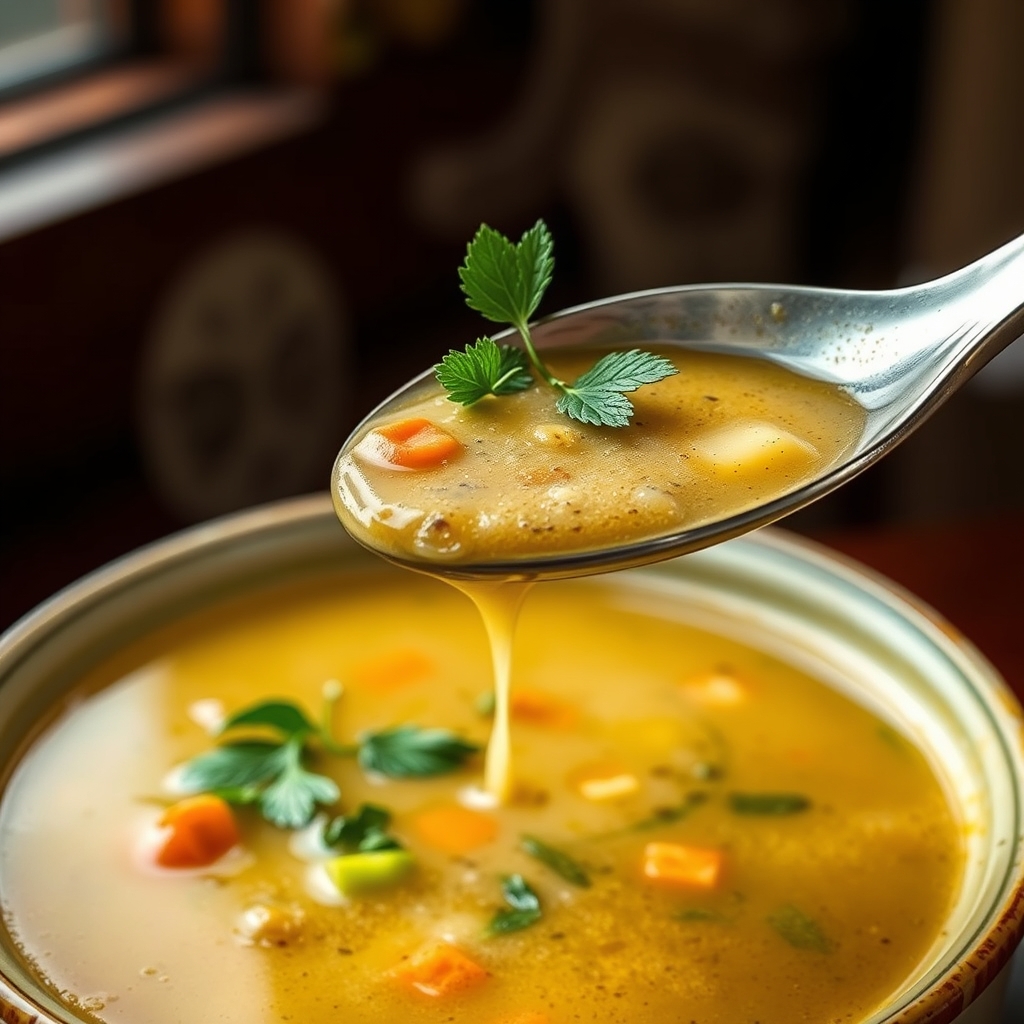
Ever wondered why a warm bowl of soup often feels like the perfect start to an evening meal? In my years covering kitchen tables from Delhi to San Francisco, I’ve seen families pause, sip, and then dive into the main course with a smile. The habit isn’t just comforting—it’s backed by nutrition science, cultural wisdom, and simple physiology. Below we unpack the reasons, share tasty ideas, and show how you can make soup a smart part of your healthy dinner routine.
Table of Contents
- Quick Answer
- What Is “Why Soup Before Dinner Works”?
- History & Background
- Nutritional Overview
- Health Benefits
- Why People Choose It
- Different Variations
- Best Ingredients
- How to Make It Better
- Common Mistakes
- Expert Tips
- When to Eat It
- Who Should Eat It
- Who Should Avoid It
- Fit Into a Healthy Lifestyle
- Buying Tips
- Serving Suggestions
- Storage Tips
- Frequently Asked Questions
- Conclusion
Quick Answer
Soup before dinner works because it hydrates, adds fiber, and gently primes the stomach, helping you feel satisfied with smaller portions of the main course. The warm, broth‑based starter also stabilizes blood sugar and supports digestion, making the entire meal feel lighter and more balanced.
What Is “Why Soup Before Dinner Works”?
The phrase is a shorthand for a culinary strategy that many cultures—especially in India, Japan, and Mediterranean regions—have used for centuries. It asks the simple question: Why does having soup first improve the overall dining experience? The answer lies at the intersection of flavor, satiety, and nutrient timing.
History & Background
Traditional Indian households have long served a thin, spiced broth called rasam before the main thali. In the south, a tangy tamarind soup awakens the palate; in the north, a lentil‑based dal does the same. Across Europe, French “potage” and Japanese miso were once considered essential pre‑meal dishes. The practice survived because it helped people eat mindfully, especially when meals were the main source of daily nutrition.
Nutritional Overview
Most healthy soups are low in calories but rich in micronutrients. A cup of vegetable broth can deliver:
- 2–4 g of protein from beans or lentils
- 5–7 g of fiber when packed with seasonal vegetables
- Vitamins A, C, K, and B‑complex from fresh herbs
- Electrolytes like potassium and magnesium
Because the base is water, soups also contribute to your daily fluid intake, supporting kidney function and skin health.
Health Benefits
Here are the top ways a pre‑dinner soup can support wellness:
- Appetite control. The liquid volume signals fullness to the brain, reducing the risk of overeating.
- Digestive prep. Warm broth stimulates gastric juices, easing the breakdown of proteins later on.
- Blood‑sugar balance. Fiber‑rich soups slow glucose absorption, which can prevent post‑meal spikes.
- Immune‑supporting foods. Ingredients like garlic, ginger, and turmeric have anti‑inflammatory properties recognized by the World Health Organization.
- Hydration. Starting with soup adds about 200 ml of fluid, helping you stay hydrated without reaching for sugary drinks.
Why People Choose It
Many nutrition experts recommend a soup starter for a balanced diet. In my experience, diners who begin with a vegetable‑based soup report feeling more energized and less sluggish after dinner. It’s also a great way to sneak extra vegetables into a day that might otherwise be heavy on carbs or meat.
Different Variations
Whether you’re a fan of vegetarian soup or prefer a richer broth, there’s a version that fits your taste.
Traditional Indian Soup
A classic tomato rasam blends tomatoes, tamarind, mustard seeds, and curry leaves. It’s light, tangy, and perfect for a summer evening in Mumbai.
Plant‑Based Nutrition Soup
Try a lentil‑spinach blend seasoned with cumin and a splash of lemon. It delivers protein and iron without any animal products.
Seasonal Vegetable Soup
In Bangalore’s monsoon season, a carrot‑ginger puree is both comforting and packed with beta‑carotene.
Whole Foods Broth
Bone‑free, simmered vegetable stock made from carrots, celery, onions, and garlic is the foundation for most light meals.
Best Ingredients
When selecting components for a soup that will precede dinner, aim for:
- Fresh vegetables. Choose colorful, locally sourced produce for maximum flavor.
- Fiber‑rich legumes. Chickpeas, lentils, or split peas add body.
- Herbs & spices. Turmeric, cumin, coriander, and fresh cilantro boost immunity.
- Low‑sodium broth. Homemade or “no‑salt‑added” options keep the sodium count in check.
Healthy eating doesn’t have to be complicated.
How to Make It Better
Elevate your soup with these simple tricks:
- Finish with a drizzle of cold‑pressed olive oil for a silky mouthfeel.
- Blend half the pot for a creamy texture without adding cream.
- Season at the end with a squeeze of lime or a pinch of sea salt to preserve nutrients.
Sometimes the simplest soups are the most nourishing.
Common Mistakes
Even seasoned cooks slip up. Avoid these pitfalls:
- Over‑salting. Remember that the main course may already be seasoned.
- Using too much cream. It can turn a light starter into a heavy indulgence.
- Skipping the simmer. A quick boil can make vegetables mushy and release bitter flavors.
Expert Tips
Many dietitians suggest a 5‑minute rule: spend at least five minutes chewing your soup slowly. This practice enhances satiety hormones and gives your brain time to register fullness.
When to Eat It
Ideally, serve soup 10–15 minutes before the main entrée. This window allows the stomach to warm up and the digestive enzymes to activate. If you’re dining out in Delhi, look for “soup of the day” on the menu and enjoy it before the tandoori platter.
Who Should Eat It
Anyone seeking a balanced diet can benefit, especially:
- People managing weight who need a low‑calorie starter.
- Those with busy schedules who need a quick, nutrient‑dense bite.
- Vegetarians and vegans looking for plant‑based protein.
Who Should Avoid It
If you have severe kidney disease, watch the potassium content in certain vegetables like spinach. Also, individuals on a strict low‑fiber regimen (e.g., after certain surgeries) may need to limit legumes.
Fit Into a Healthy Lifestyle
Integrating soup before dinner aligns with a wholesome routine. Pair it with a side salad of leafy greens for extra fiber, and you’ve got a meal that supports digestive health, steady energy, and a feeling of fullness without excess calories.
Buying Tips
When shopping for soup ingredients near you, consider these pointers:
- Choose organic produce when possible; they often retain more flavor and nutrients.
- Check the label on pre‑made broths—look for “no added MSG” and under 200 mg sodium per cup.
- Visit local markets in Chennai or Bangalore for the freshest seasonal vegetables.
Serving Suggestions
Serve soup in a shallow bowl to encourage sipping rather than gulping. Garnish with a sprinkle of toasted seeds or fresh cilantro for texture. Pair with whole‑grain crackers or a small piece of naan for a satisfying bite.
Storage Tips
Cool the soup quickly by placing the pot in an ice‑water bath, then refrigerate in airtight containers. Most soups keep well for 3–4 days. Reheat gently on the stove—avoid boiling, which can degrade delicate vitamins.
Frequently Asked Questions
- Can soup replace a meal?
- A soup alone can be a complete meal if it contains protein, fiber, and healthy fats. However, when used as a starter, it’s meant to complement the main course, not replace it.
- Is tomato soup healthy?
- Yes, especially when made with fresh tomatoes, herbs, and a low‑sodium broth. It provides lycopene, vitamin C, and antioxidants that support heart health.
- What is the best temperature for soup before dinner?
- Warm, not hot. Aim for around 60–65 °C (140–150 °F). This temperature is soothing and safe for delicate stomach lining.
- Why do some restaurants serve soup first?
- It’s a tradition rooted in hospitality. A starter soup signals welcome, stimulates appetite, and helps diners pace their meal.
- Can I add meat to a pre‑dinner soup?
- Yes, but keep the portion small. A few pieces of shredded chicken or lean turkey add protein without making the soup too heavy.
- How much soup should I eat before dinner?
- One cup (about 240 ml) is usually enough to signal satiety while leaving room for the main dish.
Conclusion
Whether you’re dining in a bustling Mumbai kitchen or a quiet home in Seattle, the habit of enjoying soup before dinner can make your meals lighter, more nutritious, and more enjoyable. By choosing fresh, fiber‑rich ingredients and following a few simple cooking tricks, you set the stage for a balanced dinner that supports digestion, hydration, and overall wellness. Ready to explore more? Check out our Soup Menu for vegetarian and traditional Indian soups that will turn any evening into a nourishing experience.