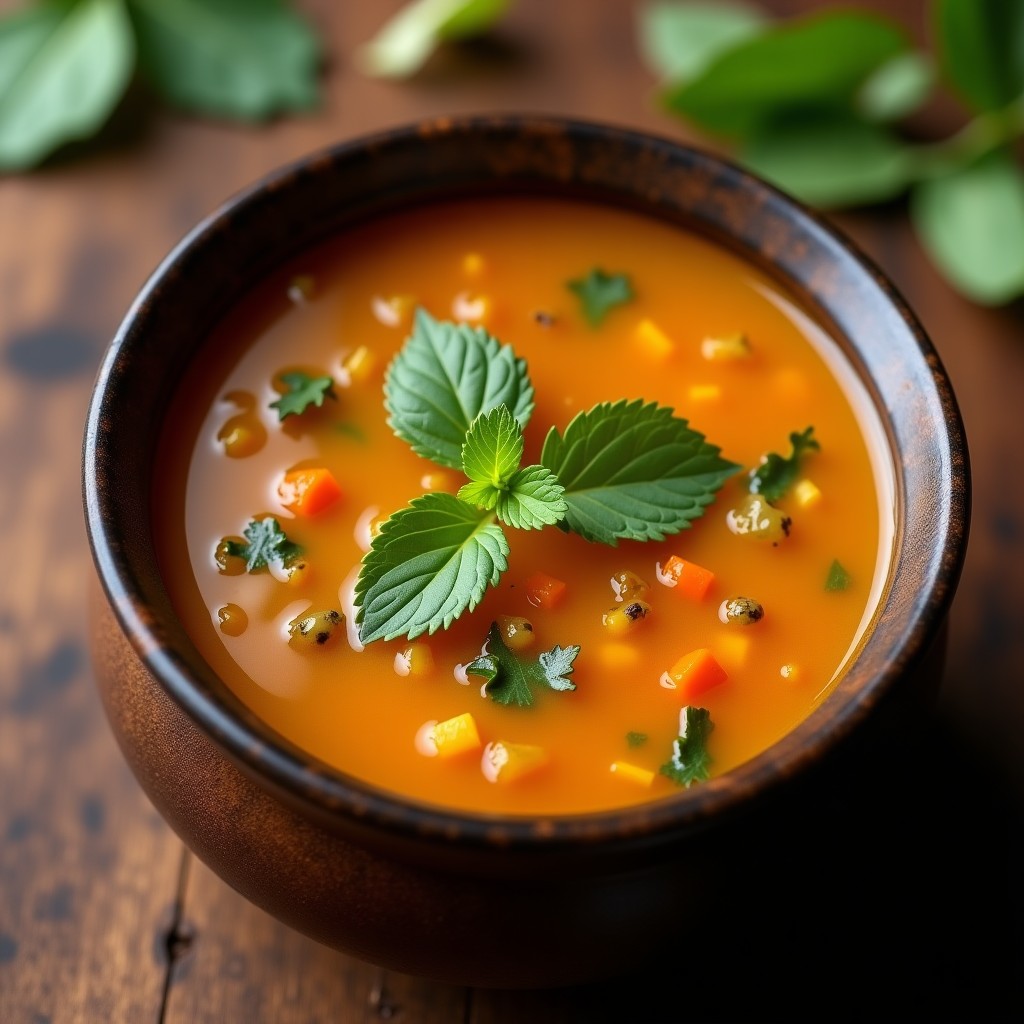
When the monsoon clouds roll over Delhi or the cool breezes sweep through the hills of Shimla, a steaming bowl of Traditional Indian Herbal Soup is often the first thing that comes to mind. In my experience, this aromatic, plant‑based elixir is more than just a comfort food—it’s a celebration of centuries‑old wisdom, seasonal vegetables, and the simple joy of sipping something warm, light, and nourishing.
Table of Contents
- Quick Answer
- What Is Traditional Indian Herbal Soup?
- History or Background
- Nutritional Overview
- Health Benefits
- Why People Choose It
- Different Variations
- Best Ingredients
- How to Make It Better
- Common Mistakes
- Expert Tips
- When to Eat It
- Who Should Eat It
- Who Should Avoid It
- How It Fits Into a Healthy Lifestyle
- Buying Tips
- Serving Suggestions
- Storage Tips
- Frequently Asked Questions
- Conclusion
Quick Answer
Traditional Indian Herbal Soup is a vegetarian, broth‑based soup infused with medicinal herbs like tulsi, ashwagandha, and ginger, plus fresh vegetables, lentils, and spices. It’s designed to support digestion, boost immunity, and fit seamlessly into a healthy lifestyle. Ready in under an hour, it makes a perfect healthy lunch or healthy dinner.
What Is Traditional Indian Herbal Soup?
At its core, this soup is a traditional soup that blends the culinary traditions of India with the therapeutic properties of Ayurveda. The base is usually a clear vegetable stock, enriched with herbs such as holy basil (tulsi), neem leaves, and fenugreek. Seasonal vegetables—carrots, beans, spinach—add texture and fiber, while spices like turmeric, cumin, and black pepper provide warmth and anti‑inflammatory benefits.
History or Background
Traditional Indian households have long prepared herbal broths as part of daily rituals. In the ancient texts of Charaka Samhita, soups made with “rasayana” herbs were prescribed to balance the doshas (Vata, Pitta, Kapha). In rural villages of Maharashtra, mothers would simmer a handful of coriander, ginger, and black pepper to create a soothing post‑work drink for their families. Over time, regional variations emerged—Kashmiri soups with saffron and cardamom, South Indian versions with curry leaves and mustard seeds.
Nutritional Overview
The soup is a powerhouse of plant‑based nutrition. A typical serving (about 250 ml) delivers:
- ≈ 80 kcal
- 4 g protein (from lentils or moong dal)
- 6 g fiber – a fiber‑rich boost for digestive health
- Vitamins A, C, and K from leafy greens
- Minerals such as iron, calcium, and magnesium
Because the broth is clear, it remains low in fat while still offering a satisfying mouthfeel. Fresh herbs contribute antioxidants that may support the body’s natural defenses.
Health Benefits
While I’m not a medical professional, many nutrition experts recommend this soup for its potential to:
- Support immune‑supporting foods thanks to turmeric and ginger.
- Promote digestive health with fiber and gentle spices.
- Provide a calming effect during stressful days, a benefit often attributed to ashwagandha.
- Help maintain a balanced diet when paired with whole grains or a side of quinoa.
These benefits align with the Ayurvedic principle of “food as medicine,” which has guided Indian cooking for millennia.
Why People Choose It
Modern urban dwellers in Bengaluru or Mumbai are turning to this soup for several reasons:
- It’s quick to prepare—perfect for a busy weekday.
- The ingredients are whole foods that are easy to find at local markets.
- It fits a healthy lifestyle without compromising on flavor.
- It’s a light meal that won’t leave you feeling sluggish.
“Healthy eating doesn’t have to be complicated,” I often tell my readers, and this soup proves it.
Different Variations
Across India, you’ll find several beloved twists:
- Kashmiri herbal soup – saffron, dry fruits, and a hint of almond milk.
- South Indian herbal rasam – tamarind base, mustard seeds, and curry leaves.
- Gujarati dhokla‑style broth – fermented gram flour, fenugreek leaves, and a splash of lemon.
- Goan coconut‑herb soup – coconut milk, kokum, and fresh coriander.
Each version respects the core idea of using herbs for wellness while showcasing regional flavors.
Best Ingredients
When you shop for the soup, prioritize fresh ingredients. Here’s my go‑to list:
| Ingredient | Why It Matters |
|---|---|
| Tulsi (holy basil) | Antioxidant, supports respiratory health |
| Ginger | Digestive aid, warming spice |
| Turmeric | Anti‑inflammatory, bright color |
| Moong dal (split yellow lentils) | Protein, easy to digest |
| Seasonal vegetables | Fiber, vitamins, and minerals |
| Black pepper | Enhances absorption of curcumin |
Fresh vegetables generally retain better flavor when added in the last 5‑10 minutes of cooking.
How to Make It Better
Even a simple recipe can be elevated with a few pro tips:
- Toast the spices lightly in a dry pan before adding them to the broth. This releases essential oils.
- Use homemade vegetable stock for deeper flavor. Simmer carrots, celery, and onion for 30 minutes.
- Finish with a drizzle of ghee or a splash of lemon juice for brightness.
- Blend half the soup for a creamy texture without dairy.
Sometimes the simplest soups are the most nourishing.
Common Mistakes
New cooks often stumble over these pitfalls:
- Over‑cooking the herbs, which can turn bitter.
- Adding too much salt early; the flavors concentrate as the soup reduces.
- Using canned vegetables that lack crunch and nutrients.
- Skipping the “tadka” (tempering) step—this is where the magic happens.
Expert Tips
According to Ayurvedic nutritionist Dr. Meera Sharma, “Balancing the five tastes—sweet, sour, salty, bitter, and pungent—creates harmony in the body.” In practice, that means adding a pinch of jaggery for sweetness or a squeeze of lime for sourness, depending on your dosha.
When to Eat It
This soup shines as a light meal during:
- Cold winter evenings—warmth from ginger and black pepper.
- Post‑workout recovery—protein from lentils and electrolytes from vegetables.
- Detox days—its gentle nature supports the liver.
It’s also an excellent starter for a festive Indian dinner.
Who Should Eat It
Anyone looking for a healthy soup can enjoy it, especially:
- Vegetarians seeking protein‑rich meals.
- People on a balanced diet who need more fiber.
- Those wanting to incorporate plant‑based nutrition into their routine.
Who Should Avoid It
If you have a known allergy to any of the herbs (e.g., neem) or are on a low‑potassium diet, you may need to adjust the recipe. Always consult a healthcare professional for personalized advice.
How It Fits Into a Healthy Lifestyle
Because the soup is low in calories yet high in nutrients, it can be part of a weight‑management plan. Pair it with a side of brown rice or millet for a complete, nutritious meals combo. The broth’s warmth also encourages mindful eating—a practice that aligns with modern wellness trends.
Buying Tips
When you visit a local market in Hyderabad or a grocery store near you, look for:
- Bright green tulsi leaves—no wilting.
- Firm, unblemished carrots and beans.
- Whole spices rather than pre‑ground, for fresher flavor.
Fresh herbs make all the difference.
Serving Suggestions
Serve the soup hot, garnished with:
- Fresh cilantro or mint leaves.
- A sprinkle of roasted cumin powder.
- A few slivers of toasted pumpkin seeds for crunch.
Accompany it with whole‑grain roti or a small bowl of quinoa for a hearty healthy lunch.
Storage Tips
Cool the soup to room temperature, then refrigerate in an airtight container. It stays fresh for up to 3 days. Reheat gently on the stove—avoid boiling, which can diminish the herbal aroma. For longer storage, freeze in portion‑size containers for up to 2 months.
Frequently Asked Questions
- What makes a soup “herbal”?
- A herbal soup incorporates medicinal or aromatic plants—like tulsi, ginger, or fenugreek—into the broth, giving it therapeutic properties beyond basic nutrition.
- Is Traditional Indian Herbal Soup suitable for vegans?
- Yes, the classic recipe uses only plant‑based ingredients. Just ensure any ghee or dairy garnish is omitted or replaced with coconut oil.
- Can I use chicken broth instead of vegetable stock?
- You can, but it changes the soup’s identity from a vegetarian to a non‑vegetarian dish and may mask the subtle herbal flavors.
- How long does it take to prepare?
- From chopping to simmering, the soup usually takes 30‑45 minutes, depending on how many herbs you toast.
- Does the soup help with colds?
- Many traditional practitioners believe the combination of ginger, tulsi, and black pepper can support respiratory comfort, though it’s not a cure.
- Can I add noodles for extra heartiness?
- Absolutely. Whole‑grain or rice noodles keep the dish light while adding texture.
- Is it safe for children?
- Yes, provided the spices are mild. Reduce the amount of black pepper and skip any strong herbs like ashwagandha for younger kids.
- What’s the best time of year to make this soup?
- While it’s comforting year‑round, using seasonal vegetables—like carrots in winter or beans in summer—enhances flavor and nutrition.
Conclusion
Traditional Indian Herbal Soup is a timeless, healthy soup that bridges ancient Ayurveda with modern nutrition. Its blend of herbs, spices, and seasonal vegetables offers a gentle yet potent way to nourish the body and soothe the soul. Whether you’re sipping it on a rainy evening in Delhi or packing it for a healthy lunch at the office, this broth proves that wholesome food can be both simple and spectacular.
Ready to explore more vegetarian soups? Check out our menu for a variety of nourishing options, learn about our story on about us, or find a location near you. For more tips on building a balanced diet, visit our blog. Happy sipping!
For deeper insight into the herbs used, see the Wikipedia page on Ayurvedic herbs.