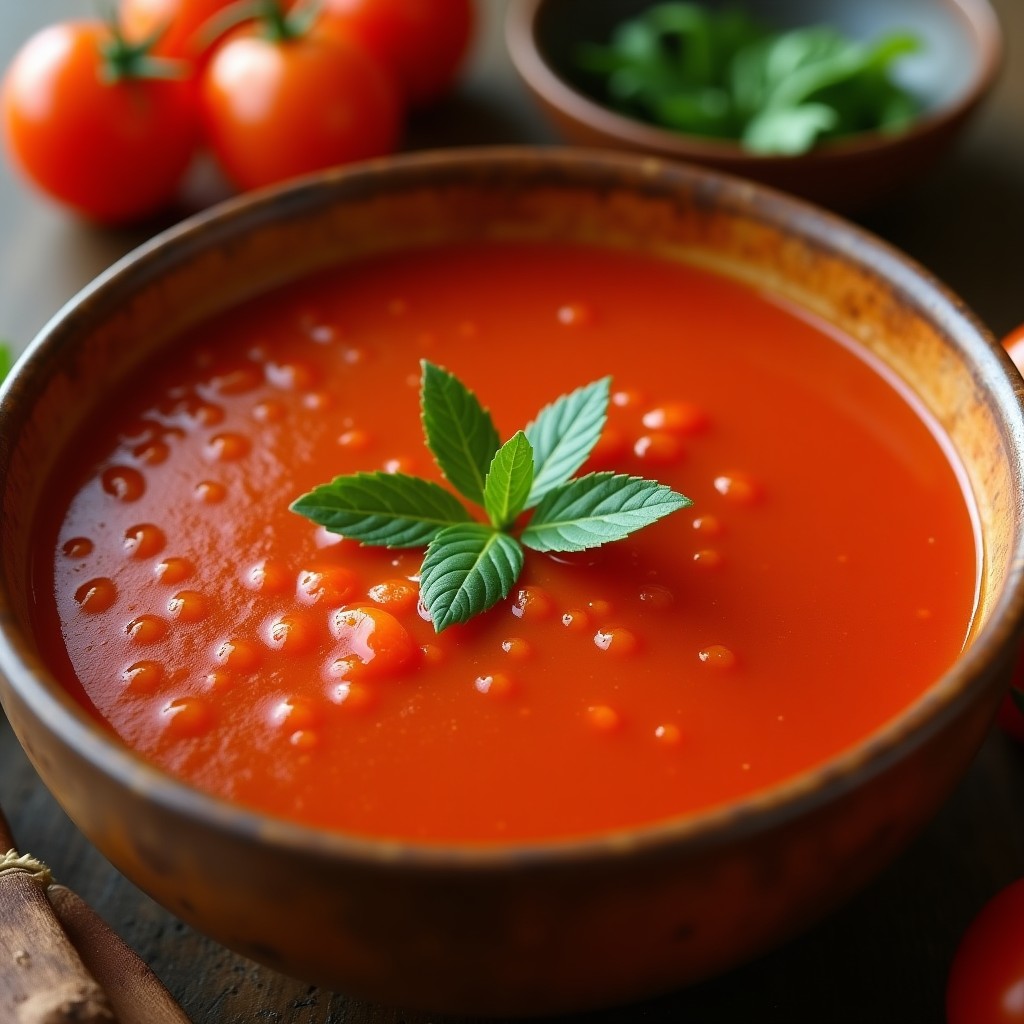
When you spoon a warm bowl of tomato soup, you’re not just tasting comfort—you’re getting a burst of plant‑based nutrition. In my experience as a food journalist and nutrition researcher, I’ve seen how this humble tomato soup nutrition profile can transform a simple lunch into a nutrient‑rich meal. Below, I break down the science, share practical tips, and sprinkle in a few Indian twists that make the soup even more wholesome.
Table of Contents
- Quick Answer
- What Is Tomato Soup Nutrition?
- History and Cultural Background
- Nutritional Overview
- Health Benefits
- Why People Choose It
- Different Variations
- Best Ingredients for Maximum Nutrition
- How to Make It Better
- Common Mistakes to Avoid
- Expert Tips
- When to Eat It
- Who Should Eat It
- Who Should Avoid It
- How It Fits Into a Healthy Lifestyle
- Buying Tips for Tomatoes and Stock
- Serving Suggestions
- Storage Tips
- Frequently Asked Questions
- Conclusion
Quick Answer
Tomato soup nutrition offers a balanced mix of vitamins A, C, potassium, lycopene, and dietary fiber, making it a low‑calorie, immune‑supporting option for a healthy lifestyle.
What Is Tomato Soup Nutrition?
At its core, tomato soup nutrition refers to the collection of macro‑ and micronutrients that a typical serving provides. A classic 1‑cup (240 ml) portion of homemade tomato soup made with fresh tomatoes, onions, and a splash of olive oil delivers roughly 90 calories, 2 g protein, 4 g fat, 12 g carbohydrates, and 3 g fiber. The real star, however, is lycopene—a powerful antioxidant that gives tomatoes their vibrant red hue.
History and Cultural Background
Tomato soup may feel modern, but its roots stretch back to the 16th‑century Spanish colonies, where tomatoes first entered European kitchens. In India, the British introduced the concept of “soup” during the colonial era, and Indian households soon adapted it using local spices. Traditional Indian families have long simmered tomatoes with cumin, mustard seeds, and curry leaves, creating a fragrant, immune‑supporting broth that doubles as a vegetarian soup.
Nutritional Overview
Below is a snapshot of the key nutrients you’ll find in a standard serving of tomato soup. Values are approximate and can vary with added ingredients.
- Vitamin C: 30 % of the Daily Value (DV) – boosts collagen formation and immune function.
- Vitamin A (from beta‑carotene): 20 % DV – essential for eye health.
- Lycopene: 5 mg – linked to heart health and reduced oxidative stress.
- Potassium: 400 mg – supports blood pressure regulation.
- Dietary Fiber: 3 g – aids digestive health.
- Protein: 2 g – modest, but can be increased with beans or lentils.
For a deeper dive into the science of lycopene, see the Wikipedia article on lycopene.
Health Benefits
Many nutrition experts recommend tomato soup as a regular part of a balanced diet. Here’s how its nutrients may support wellness:
- May help maintain healthy vision thanks to vitamin A.
- Can support immune health with vitamin C and antioxidants.
- May contribute to heart health by lowering LDL oxidation via lycopene.
- Supports digestive health through fiber‑rich vegetables.
- Provides a low‑calorie base for weight‑friendly meals.
Remember, these benefits are part of an overall healthy lifestyle, not a cure‑all.
Why People Choose It
From busy professionals in Mumbai looking for a quick lunch to families in New Delhi craving a warm, comforting dinner, tomato soup checks many boxes:
- Speed – a 20‑minute simmer makes it ideal for “near me” searches like “tomato soup near me in New Delhi”.
- Versatility – works as a starter, main, or light meal.
- Affordability – tomatoes are seasonal and inexpensive.
- Plant‑based nutrition – fits vegetarian and vegan diets.
Healthy eating doesn’t have to be complicated.
Different Variations
While the classic version shines on its own, you can tailor the soup to suit taste or nutritional goals:
- Spicy Indian Tomato Shorba: Add ginger, garlic, green chilies, and a pinch of garam masala.
- Creamy Coconut Tomato Soup: Stir in coconut milk for extra healthy fats.
- Protein‑Boosted Tomato‑Lentil Soup: Toss in red lentils for a hearty, fiber‑rich twist.
- Cold Gazpacho: Blend raw tomatoes with cucumber and bell pepper for a refreshing summer dish.
Sometimes the simplest soups are the most nourishing.
Best Ingredients for Maximum Nutrition
Choosing fresh, whole foods makes all the difference. Here’s my go‑to list for a nutrient‑dense bowl:
- Ripe tomatoes: Aim for vine‑ripe, deep‑red varieties like Roma or heirloom.
- Olive oil: Provides monounsaturated fats that help absorb lycopene.
- Onions and garlic: Add flavor and prebiotic fiber.
- Fresh herbs: Basil, cilantro, or mint boost antioxidants.
- Low‑sodium vegetable stock: Keeps sodium in check while adding depth.
Fresh vegetables generally retain better flavor when added at the end of cooking.
How to Make It Better
Elevate your soup with a few simple steps:
- Roast the tomatoes: Roasting intensifies sweetness and concentrates lycopene.
- Blend with a hand blender: Gives a silky texture without over‑processing.
- Finish with a drizzle of cold‑pressed oil: Enhances mouthfeel and nutrient absorption.
- Add a pinch of sea salt and black pepper: Balances flavors without excess sodium.
These tricks turn an ordinary bowl into a restaurant‑quality experience.
Common Mistakes to Avoid
Even seasoned cooks slip up. Watch out for these pitfalls:
- Over‑cooking tomatoes – can diminish vitamin C.
- Using canned tomatoes with added sugar – adds unnecessary calories.
- Skipping the sauté step – reduces depth of flavor.
- Adding too much cream – turns a light soup into a heavy dish.
Healthy dinner choices start with mindful cooking.
Expert Tips
Here are a few nuggets from nutritionists and chefs:
- Use a splash of lemon juice at the end to brighten the flavor and boost vitamin C absorption.
- Incorporate a handful of spinach or kale for extra iron and calcium.
- For a vegan protein boost, stir in silken tofu or a spoonful of nutritional yeast.
- Season with smoked paprika for a subtle smoky note without extra fat.
When to Eat It
Tomato soup works well at any time of day:
- Breakfast: Pair with whole‑grain toast for a light start.
- Lunch: Serve as a starter to a salad or grain bowl.
- Dinner: Combine with a side of roasted vegetables for a balanced meal.
- Post‑workout: Add a scoop of plant‑based protein powder for recovery.
Who Should Eat It
Because it’s plant‑based, tomato soup fits many dietary patterns:
- Vegetarians and vegans looking for a nutrient‑dense broth.
- People on a low‑calorie diet who need satiety without excess calories.
- Anyone seeking immune‑supporting foods during seasonal changes.
Who Should Avoid It
While generally safe, certain individuals may need to watch portions:
- Those on a low‑potassium diet (e.g., advanced kidney disease) should limit intake.
- People with severe acid reflux might find the acidity irritating.
- Anyone with a tomato allergy must avoid it entirely.
How It Fits Into a Healthy Lifestyle
Tomato soup can be a cornerstone of a balanced diet. Pair it with a fiber‑rich side like quinoa or a mixed bean salad, and you’ve got a complete meal that supports digestive health, steady energy, and overall wellness. In my kitchen, I often serve it alongside a small portion of whole‑grain roti for a wholesome Indian twist.
Buying Tips for Tomatoes and Stock
When shopping near you—whether at a market in Bengaluru or a grocery store in Chennai—look for these signs:
- Firm, unblemished skins.
- Deep red color without green patches.
- Heavier weight for size, indicating juiciness.
- For stock, choose low‑sodium, organic options or make your own from vegetable scraps.
Fresh, seasonal vegetables make all the difference.
Serving Suggestions
Here are three ways to plate your soup for maximum appeal:
- Classic Bowl: Garnish with a swirl of olive oil, fresh basil, and a sprinkle of toasted pumpkin seeds.
- Soup Shooter: Serve in small glasses as an appetizer at parties; add a dollop of yogurt for tang.
- Hearty Combo: Pair with a grilled cheese sandwich made from whole‑grain bread and paneer for a vegetarian twist.
Explore more healthy vegetarian soups on our menu page.
Storage Tips
Tomato soup keeps well:
- Refrigerate in an airtight container for up to 4 days.
- Freeze in portion‑size bags for up to 3 months—thaw gently on the stove.
- Reheat over low heat; avoid boiling to preserve vitamin C.
Frequently Asked Questions
Is tomato soup low in calories?
Yes, a typical cup contains around 90 calories, making it a light option for lunch or dinner.
Can I make tomato soup vegan?
Absolutely. Use vegetable stock and skip dairy; add coconut milk or cashew cream for richness.
How much lycopene does a bowl provide?
One cup offers roughly 5 mg of lycopene, which may support heart health when part of a balanced diet.
What’s the best way to preserve vitamin C?
Cook tomatoes briefly and avoid over‑boiling; add a splash of lemon juice after cooking to boost vitamin C.
Can I add protein to tomato soup?
Yes—stir in cooked lentils, chickpeas, or a scoop of plant‑based protein powder for an extra boost.
Is canned tomato soup as nutritious as homemade?
Canned versions can be convenient but often contain added sodium and sugars; choose low‑sodium, no‑added‑sugar varieties or make it at home.
Does tomato soup help with digestion?
The fiber and water content support digestive health, especially when paired with fiber‑rich sides.
Can I freeze tomato soup?
Yes, freeze in airtight containers for up to three months. Thaw slowly to retain texture.
Is tomato soup suitable for kids?
Its mild flavor and nutrient profile make it kid‑friendly; just watch for added salt.
How often should I eat tomato soup?
Including it 2–3 times a week can contribute to a varied, plant‑based diet without overdoing any single nutrient.
Conclusion
Tomato soup nutrition offers a delightful blend of vitamins, antioxidants, and fiber that can easily fit into a healthy lifestyle. Whether you’re enjoying a quick lunch in Mumbai, a cozy dinner in New Delhi, or a light snack in Bengaluru, this versatile soup adapts to your needs. Experiment with spices, add protein, or keep it classic—the choice is yours.
Ready to explore more wholesome, vegetarian soups? Visit our about us page to learn about our philosophy, or drop us a line via contact. Happy sipping!