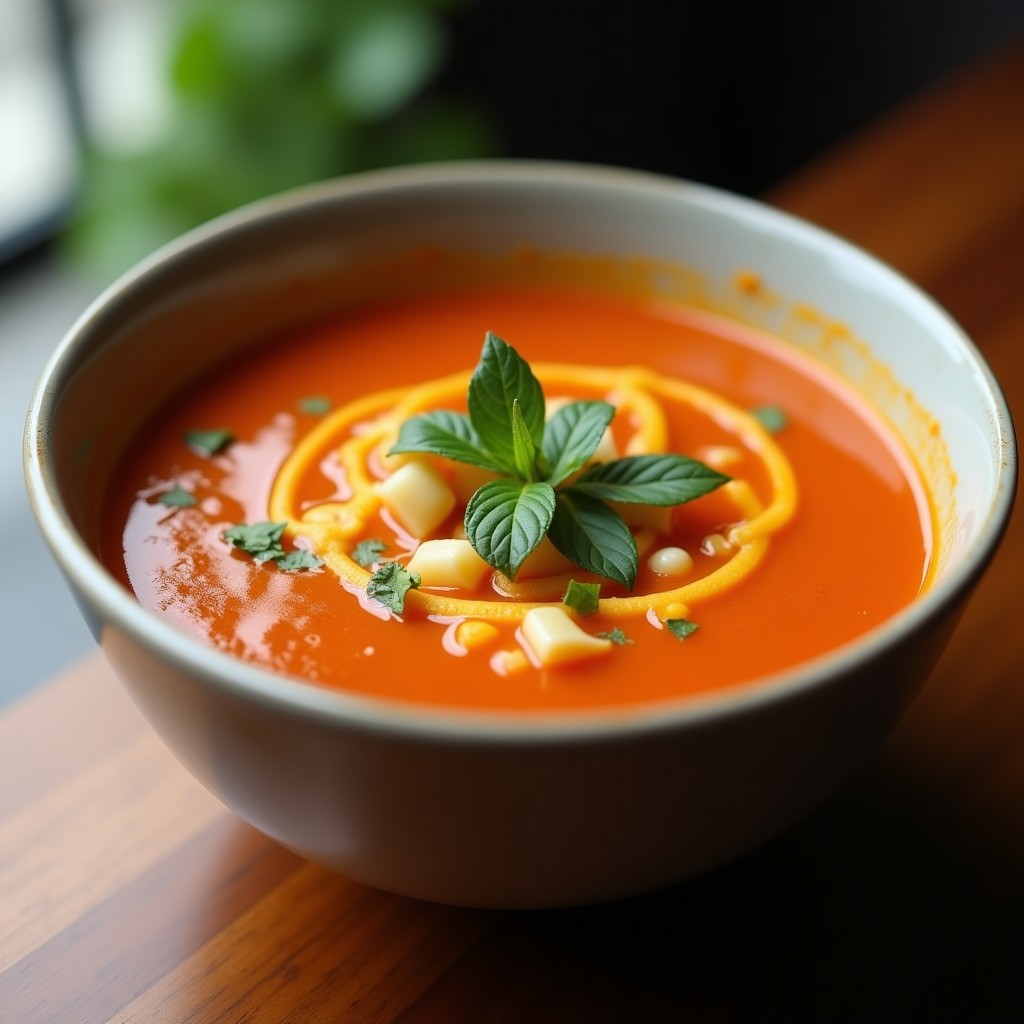
When you type “Soup outlet near me” into Google, you’re not just looking for any restaurant—you’re hunting for a place that serves fresh, nutritious, and comforting soups that fit your busy lifestyle. In my years covering food markets across India and abroad, I’ve learned that the best soup spots are those that blend tradition, seasonal ingredients, and a dash of culinary creativity. Below is a deep‑dive that will help you locate the healthiest bowl in town, understand why soup is a powerhouse for wellness, and even tweak your favorite recipes at home.
Table of Contents
- Quick Answer
- What Is a “Soup Outlet Near Me”?
- A Brief History of Soup in India
- Nutritional Overview
- Health Benefits of Regular Soup Consumption
- Why People Choose Soup Outlets
- Different Variations You’ll Find
- Best Ingredients for a Nutritious Bowl
- How to Make It Better at Home
- Common Mistakes to Avoid
- Expert Tips from Nutritionists
- When to Enjoy Soup
- Who Should Include Soup in Their Diet?
- Who Might Need to Be Cautious
- How Soup Fits Into a Healthy Lifestyle
- Buying Tips at a Soup Outlet
- Serving Suggestions
- Storage Tips for Leftover Soup
- Snippet‑Ready Definitions
- Frequently Asked Questions
- Conclusion
Quick Answer
If you’re searching for a Soup outlet near me, start with local listings that highlight “healthy soup,” “vegetarian soup,” or “Indian soup.” Look for places that mention farm‑fresh vegetables, whole‑food broths, and seasonal menus. A quick Google Maps search combined with a glance at the restaurant’s menu usually reveals the most promising options.
What Is a “Soup Outlet Near Me”?
In the digital age, “Soup outlet near me” is a phrase people use to locate nearby eateries that specialize in soups—whether it’s a cozy café, a street‑side stall, or a full‑service restaurant. These outlets often focus on:
- Health‑focused menus featuring healthy soup options.
- Vegetarian and plant‑based soups that cater to a balanced diet.
- Traditional Indian soups like rasam and dal shorba made with whole spices.
Because soups are quick to serve and easy to digest, they’ve become go‑to choices for lunch, dinner, or even a light snack.
A Brief History of Soup in India
Traditional Indian households have long prepared broth‑based dishes that double as soups—think of the tangy tamatar ka shorba or the comforting mulligatawny. Historically, these soups were not only comfort foods but also immune‑supporting foods during monsoon seasons. Over the past decade, urban cafés have revived these classics, pairing them with modern twists like quinoa‑infused lentil soups or coconut‑milk based veg stews.
Nutritional Overview
Most soups at reputable outlets are built on a base of natural ingredients—vegetable stock, legumes, and herbs. This foundation makes them naturally:
- Rich in fiber‑rich foods (e.g., lentils, beans, carrots).
- High in vitamins and minerals from seasonal vegetables.
- Low in saturated fat when prepared with plant‑based oils.
In my experience, a bowl of vegetarian soup can provide 15–20% of your daily fiber needs, supporting digestive health and keeping you fuller longer.
Health Benefits of Regular Soup Consumption
Many nutrition experts recommend incorporating soup into a healthy lifestyle because it can:
- Hydrate the body with broth‑based liquids.
- Supply antioxidants from herbs like turmeric, coriander, and ginger.
- Offer a gentle way to increase plant‑based nutrition without feeling heavy.
While soup isn’t a miracle cure, it may help maintain weight, support immune function, and provide a soothing comfort during stressful days.
Why People Choose Soup Outlets
Modern diners gravitate toward soup outlets for several reasons:
- Speed: A steaming bowl arrives in minutes, perfect for a busy lunch break.
- Health focus: Many places label dishes as “low‑sodium” or “gluten‑free,” aligning with wellness goals.
- Variety: From classic tomato bisque to exotic Indian lentil rasam, there’s something for every palate.
Sometimes the simplest soups are the most nourishing.
Different Variations You’ll Find
When you explore a “Soup outlet near me,” you’ll likely encounter these categories:
- Traditional Indian soups: Rasam, dal shorba, and sambar broth.
- Western classics: Creamy mushroom, roasted tomato, and minestrone.
- Plant‑based innovations: Coconut‑lime cauliflower, quinoa‑spinach, and beet‑ginger.
Each variation can be tweaked to boost protein (add tofu or tempeh) or increase fiber (include barley or millet).
Best Ingredients for a Nutritious Bowl
When scouting a local outlet, keep an eye on the ingredient list. The healthiest soups usually contain:
- Fresh herbs: Basil, cilantro, mint—rich in polyphenols.
- Whole vegetables: Carrots, tomatoes, leafy greens, and squash.
- Legumes or grains: Lentils, chickpeas, barley, or brown rice for protein and fiber.
- Healthy fats: A drizzle of cold‑pressed olive oil or a spoonful of ground nuts.
Fresh ingredients make all the difference.
How to Make It Better at Home
If you love a particular soup from a nearby outlet, you can recreate it with a few tweaks:
- Start with a homemade stock: Simmer carrots, onions, celery, and a bay leaf for 45 minutes.
- Layer flavors: Add spices early (cumin, coriander) and fresh herbs at the end.
- Finish with texture: Stir in roasted chickpeas or toasted seeds just before serving.
These steps turn a simple bowl into a restaurant‑quality experience.
Common Mistakes to Avoid
Even seasoned cooks slip up. Here are pitfalls I see often:
- Over‑salting the broth—use low‑sodium stock and season gradually.
- Cooking vegetables too long—this can destroy heat‑sensitive vitamins.
- Neglecting the garnish—fresh herbs or a squeeze of lemon brighten the flavor.
Healthy eating doesn’t have to be complicated.
Expert Tips from Nutritionists
Many nutrition experts recommend pairing soup with a small side of whole‑grain bread or a salad to create a complete healthy lunch. This combo balances carbs, protein, and fiber, keeping blood sugar stable.
When to Enjoy Soup
Soup is versatile:
- Morning boost: A light vegetable broth can kick‑start digestion.
- Midday refuel: A hearty lentil soup provides sustained energy.
- Evening comfort: A warm turmeric‑ginger broth supports relaxation.
Choose the type that matches your activity level and hunger cues.
Who Should Include Soup in Their Diet?
Anyone looking for nutritious meals can benefit—students, professionals, seniors, and athletes alike. The high water content also helps with hydration, which is crucial for everyone.
Who Might Need to Be Cautious
People with specific medical conditions should watch sodium levels. If you have hypertension, ask the outlet for a “low‑sodium” version or bring your own broth.
How Soup Fits Into a Healthy Lifestyle
Integrating soup into daily meals can simplify meal planning. A bowl of plant‑based nutrition soup can serve as a light dinner, leaving room for a small dessert or a post‑dinner walk. It aligns with the principle of “eat whole, eat often” without overloading calories.
Buying Tips at a Soup Outlet
When you walk into a soup outlet, ask these quick questions:
- Is the broth made in‑house daily?
- Do you use whole foods or processed bases?
- Can I customize the spice level?
These questions help you pick a bowl that truly supports your wellness goals.
Serving Suggestions
Elevate your soup experience with simple sides:
- Sprinkle toasted pumpkin seeds for crunch.
- Serve with a side of sprouted grain crackers.
- Add a dollop of Greek yogurt or coconut cream for richness.
These add‑ons keep the meal balanced and satisfying.
Storage Tips for Leftover Soup
Most soups keep well in the fridge for 3–4 days. Store in airtight containers, and reheat gently on the stove—avoid microwaving to preserve the delicate flavors of herbs.
Snippet‑Ready Definitions
What is mushroom soup? Mushroom soup is a creamy broth made from sautéed mushrooms, vegetable stock, and often a touch of dairy or coconut milk, providing a source of vitamin D and antioxidants.
Is tomato soup healthy? Tomato soup can be healthy when prepared with fresh tomatoes, low‑sodium broth, and minimal added cream, delivering lycopene, vitamin C, and potassium.
Why is herbal soup popular? Herbal soups are popular because they combine water‑rich broths with herbs like mint, basil, and cilantro, which add antioxidants and aid digestion.
Frequently Asked Questions
- How can I find a reliable “Soup outlet near me”?
- Search Google Maps, read recent reviews, and check if the outlet lists its ingredients online. Look for mentions of “fresh,” “organic,” or “homemade broth.”
- Are vegetarian soups as filling as meat‑based ones?
- Yes, especially when they include legumes, whole grains, or nuts, which add protein and fiber to keep you satiated.
- Can I order a low‑sodium version at most soup outlets?
- Many places will accommodate a request for low‑sodium broth. It’s best to ask the staff directly or check the menu for a “light” option.
- What are some Indian soups that are good for digestion?
- Rasam, moong dal shorba, and ginger‑turmeric broth are traditionally believed to aid digestion and support gut health.
- Is it okay to have soup for dinner every night?
- Having soup nightly can be part of a balanced diet if you include protein (tofu, beans) and a side of whole‑grain carbs. Variety ensures you get all nutrients.
- Do soup outlets usually offer gluten‑free options?
- Many modern outlets label gluten‑free soups, especially those based on rice, quinoa, or lentil broths. Always confirm with the staff.
- How long does a freshly made soup stay fresh?
- When stored properly in the refrigerator, most soups stay good for 3–4 days. Freeze for longer storage, but some vegetables may change texture.
- Can I customize spice levels at a soup outlet?
- Most places are happy to adjust heat—add extra chilies, pepper, or a dash of garam masala to suit your taste.
- What’s the best way to reheat soup without losing flavor?
- Reheat gently on the stovetop over low heat, stirring occasionally. Add a splash of water or stock if the broth thickens too much.
- Are there any soups that support immune health?
- Broths rich in ginger, garlic, turmeric, and seasonal vegetables are traditionally believed to boost immunity and can be part of a balanced diet.
Conclusion
Finding the right “Soup outlet near me” is more than a convenience—it’s a step toward a healthier, more vibrant life. By choosing places that prioritize fresh, whole‑food ingredients, you’re feeding your body with fiber‑rich, nutrient‑dense meals that support digestion, immunity, and overall wellness. Next time you crave a warm bowl, use the tips above, explore local listings, and don’t hesitate to ask about the broth’s origins. And remember, the journey doesn’t end with one bowl; let it inspire you to discover more wholesome vegetarian soups on our site.
Ready to dive deeper? Check out our Soup place near me guide, explore the Healthy Food Restaurant Near Me article, or discover the Best veg restaurant near me for more tasty inspiration.
Happy sipping!